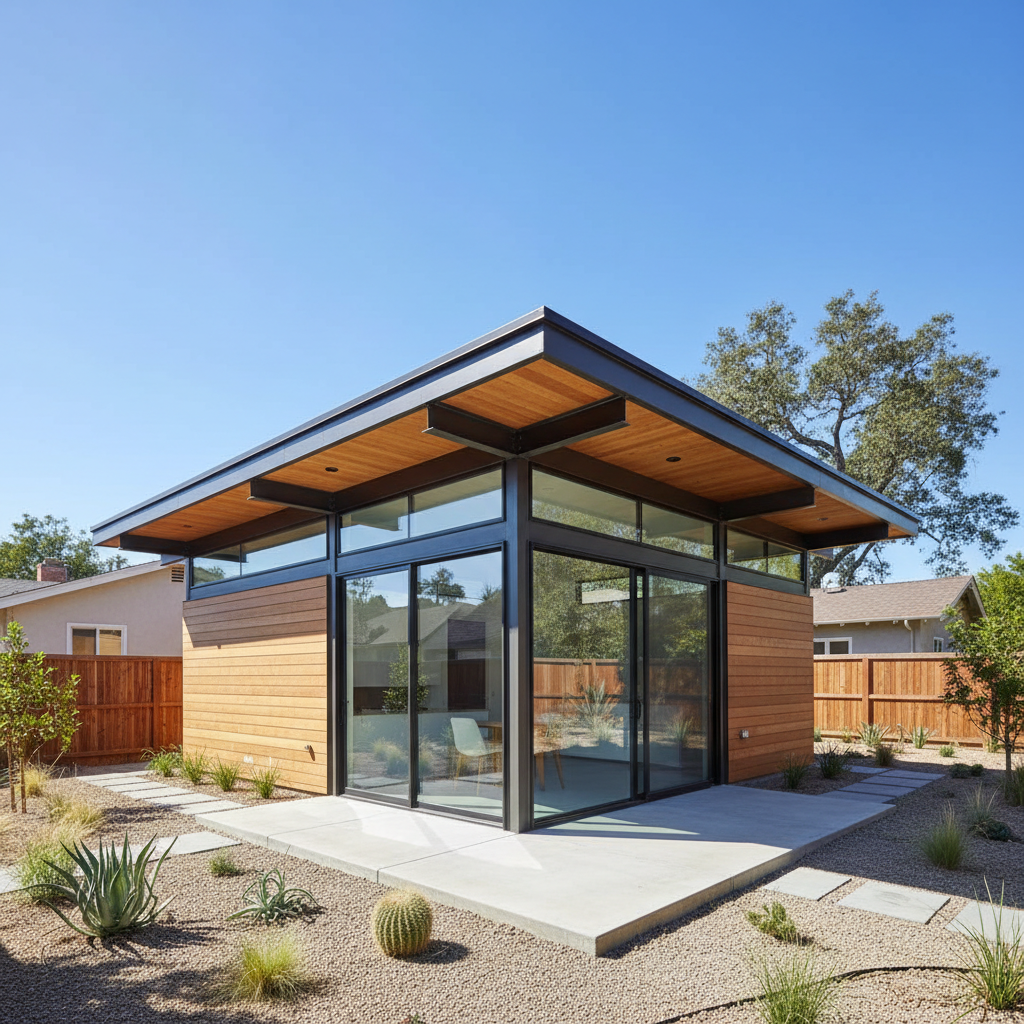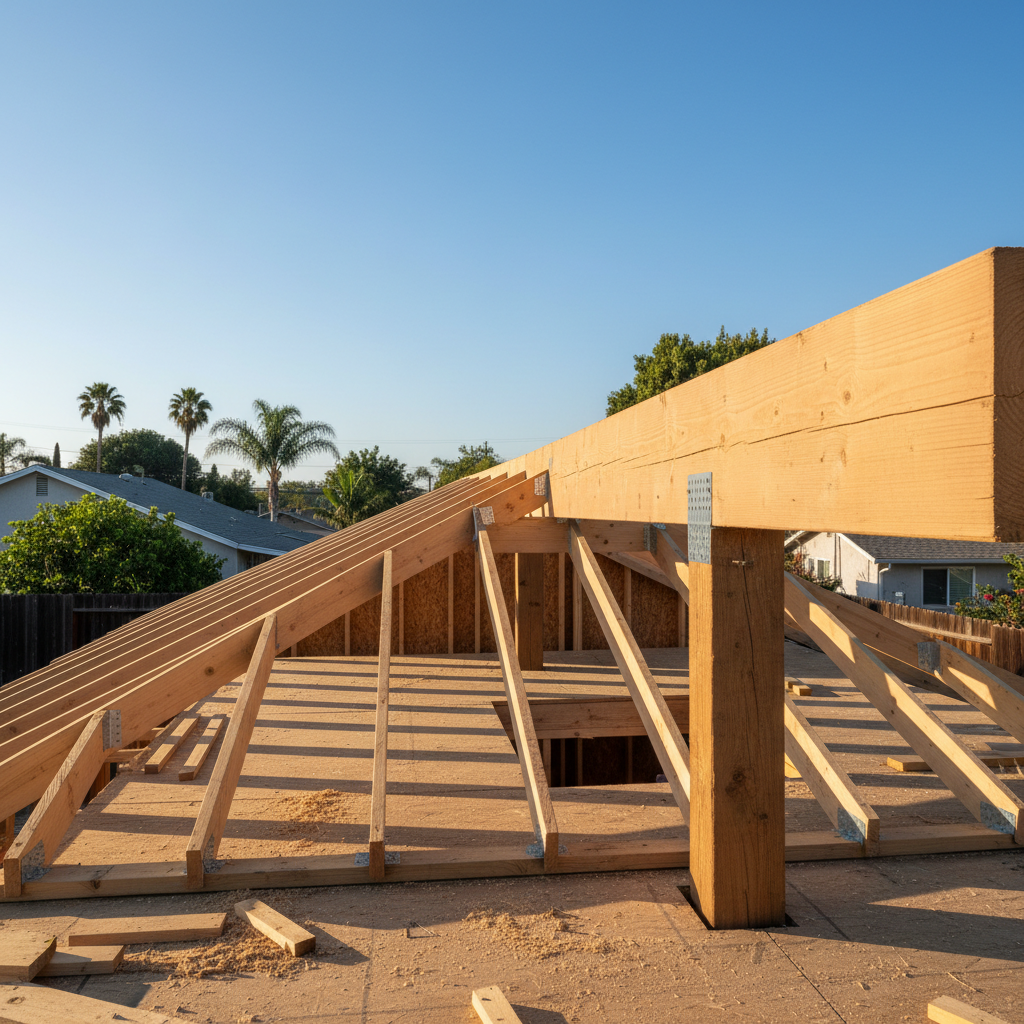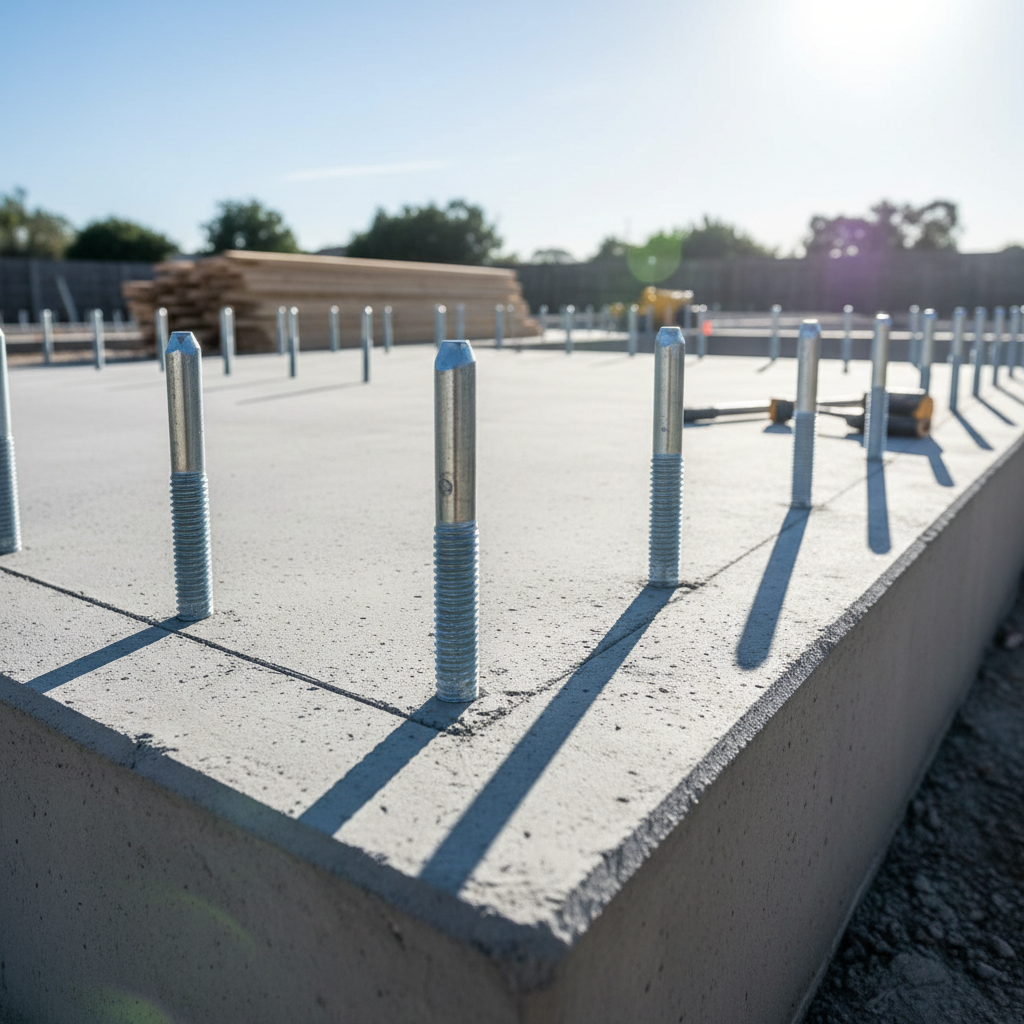

Building an ADU is one of the biggest investments you'll make as a California homeowner. Whether you're considering a backyard cottage for aging parents, a rental unit for passive income, or a garage conversion for your adult child, you probably have questions—lots of them.
After helping thousands of homeowners navigate their ADU journey, we've compiled the 50 most frequently asked questions into this comprehensive guide. Each answer includes citations from official sources, practical advice, and links to our detailed resources.
📋 Quick Navigation
🏠 ADU Basics (Questions 1-10)
1. What exactly is an ADU?
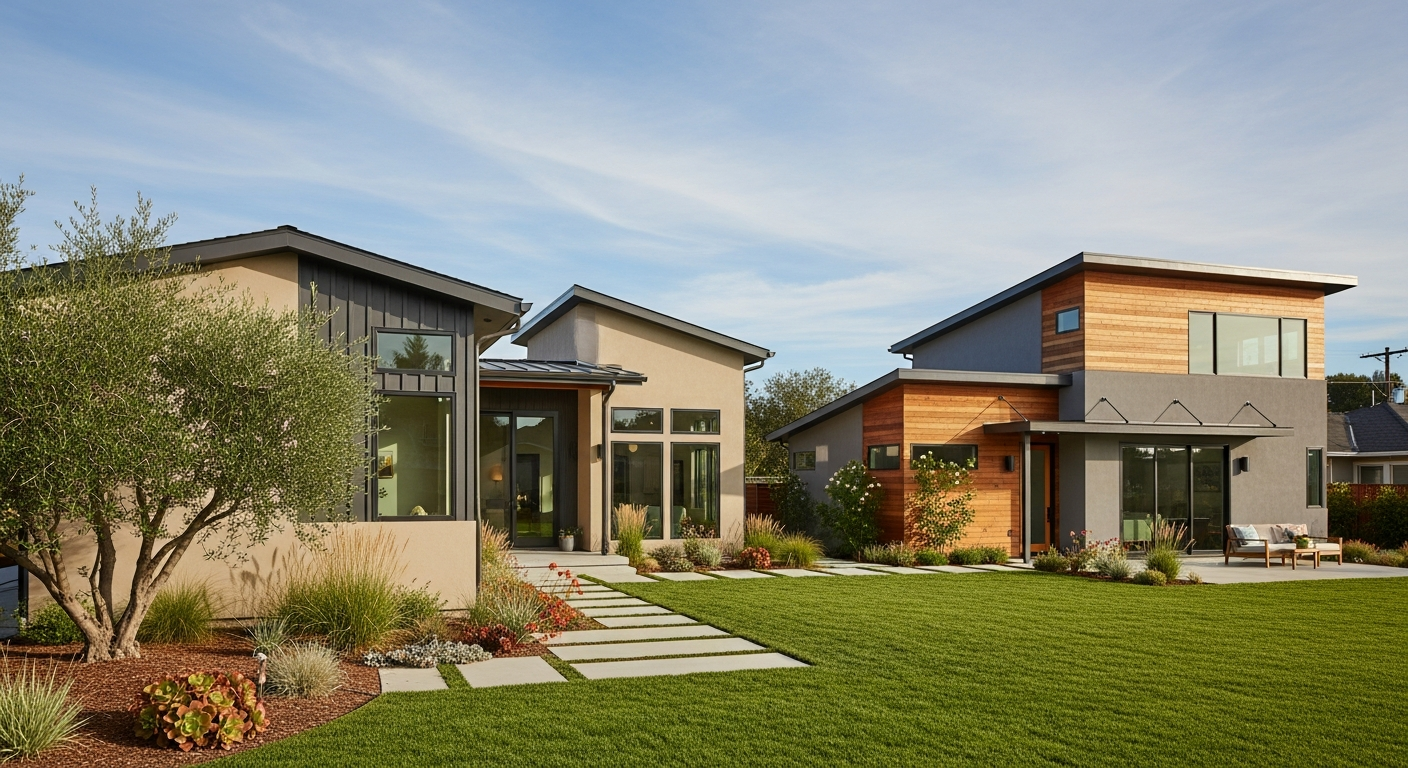
An Accessory Dwelling Unit (ADU) is a secondary housing unit on a single-family residential lot. Also known as granny flats, in-law suites, backyard cottages, or casitas, ADUs are self-contained living spaces with their own kitchen, bathroom, and sleeping area.
According to the California Department of Housing and Community Development (HCD), ADUs are considered "accessory" because they're secondary to the main dwelling on the property.
Key characteristics of an ADU:
- Complete living space with kitchen, bathroom, and sleeping area
- Located on the same lot as a primary residence
- Smaller than the main house (typically 150-1,200 sq ft)
- Can be attached, detached, or converted from existing space
2. What's the difference between an ADU and a JADU?
A Junior ADU (JADU) is a smaller, more limited type of accessory unit. Here's how they compare:
| Feature | ADU | JADU |
|---|---|---|
| Maximum Size | 800-1,200 sq ft | 500 sq ft |
| Kitchen | Full kitchen required | Efficiency kitchen only |
| Bathroom | Separate required | Can share with main home |
| Location | Attached or detached | Within primary residence only |
| Entrance | Separate exterior entrance | Separate entrance + interior connection |
Learn more in our detailed guide: JADU vs ADU: What's the Difference?
3. What are the three main types of ADUs?
California recognizes three primary ADU types, each with different requirements and considerations:
🏗️ Detached ADU: A standalone structure separate from the main house. Most flexible for design but typically the most expensive option. Maximum size usually 1,200 sq ft.
🏠 Attached ADU: Built onto or within the existing home structure. Can share walls with the primary residence. Often more cost-effective than detached due to shared infrastructure.
🚗 Conversion ADU: Created by converting existing space such as a garage, basement, or attic. Usually the most affordable option since the shell already exists. For garage conversions, see our Garage Conversion ADU FAQs.
4. How big can an ADU be in California?
Under California Government Code Section 65852.2, ADU size limits depend on the type:
- Detached ADU: Up to 1,200 sq ft (state minimum that cities must allow)
- Attached ADU: Up to 50% of the primary dwelling's living area, minimum 800 sq ft
- Conversion ADU: No size limit for converting existing legal space
- JADU: Maximum 500 sq ft
Some cities allow larger ADUs. For example, Los Angeles permits ADUs up to 1,200 sq ft regardless of lot size or main house size.
Explore popular sizes: 800 sq ft ADU Floor Plans | 400 sq ft ADU Plans
5. Can I build an ADU on any property?
In California, you can build an ADU on most residential properties zoned for single-family or multifamily use. State law (as of 2020) requires all California cities to allow ADUs on these properties.
Properties that typically qualify:
- Single-family residential lots (R-1 zoning)
- Multifamily lots (can add 2 ADUs per building)
- Lots with existing single-family homes
Properties with restrictions:
- Historic districts (may have design requirements)
- Coastal zones (California Coastal Commission oversight)
- Fire hazard severity zones (may require additional safety features)
- Properties with deed restrictions or CC&Rs
6. Do I need to live on the property to build an ADU?
As of January 1, 2020, California state law (AB 881) prohibits cities from requiring owner-occupancy for ADUs. This means:
- You do not need to live on the property to build an ADU
- You can rent out both the main home and the ADU
- Investment property owners can add ADUs
Note: JADUs (Junior ADUs) still require owner-occupancy—the owner must live in either the main home or the JADU.
7. Can I build multiple ADUs on my property?
Yes! California law now allows multiple ADUs per property:
Single-family lots can have:
- 1 ADU (detached or attached) + 1 JADU, OR
- 2 detached ADUs (under certain conditions)
Multifamily properties can have:
- Up to 2 detached ADUs, PLUS
- Conversion of existing non-habitable space (like storage) with no unit limit
- Up to 25% of existing units converted to ADUs
Recent legislation like SB 1211 has further expanded ADU allowances.
8. What is California's ADU legislation?
California has passed numerous laws to encourage ADU construction. Key legislation includes:
- AB 2299 & SB 1069 (2016): First major ADU reforms, reduced barriers
- AB 68, AB 881, SB 13 (2020): Eliminated owner-occupancy, reduced fees
- AB 2221, SB 897 (2023): Streamlined permitting, allowed larger units
- SB 1211, AB 2533 (2024): Multiple ADU allowances, unpermitted ADU amnesty
The California HCD website maintains current ADU law summaries.
9. How long does it take to build an ADU?
The complete ADU timeline from planning to move-in typically ranges from 8 to 18 months:
| Phase | Duration |
|---|---|
| Design & Planning | 4-8 weeks |
| Permit Approval | 4-12 weeks (varies by city) |
| Construction | 4-8 months |
| Final Inspections | 1-3 weeks |
Garage conversions are typically faster (3-6 months total), while detached new construction takes longer. Read our city-specific timelines: How Long Does It Take to Build an ADU?
10. What's the difference between a granny flat, in-law suite, and ADU?
These terms all refer to the same thing—an ADU! The terminology varies by region and personal preference:
- ADU/Accessory Dwelling Unit: Official California legal term
- Granny Flat: Informal term, often implies housing for elderly relatives
- In-Law Suite: Popular term, suggests family housing purpose
- Casita: Common in Southern California, Spanish for "little house"
- Backyard Cottage: Emphasizes detached, standalone nature
- Guest House: Older term, may have different legal definitions
For permits and official purposes, always use "Accessory Dwelling Unit" or "ADU."
💰 Costs & Budget (Questions 11-20)
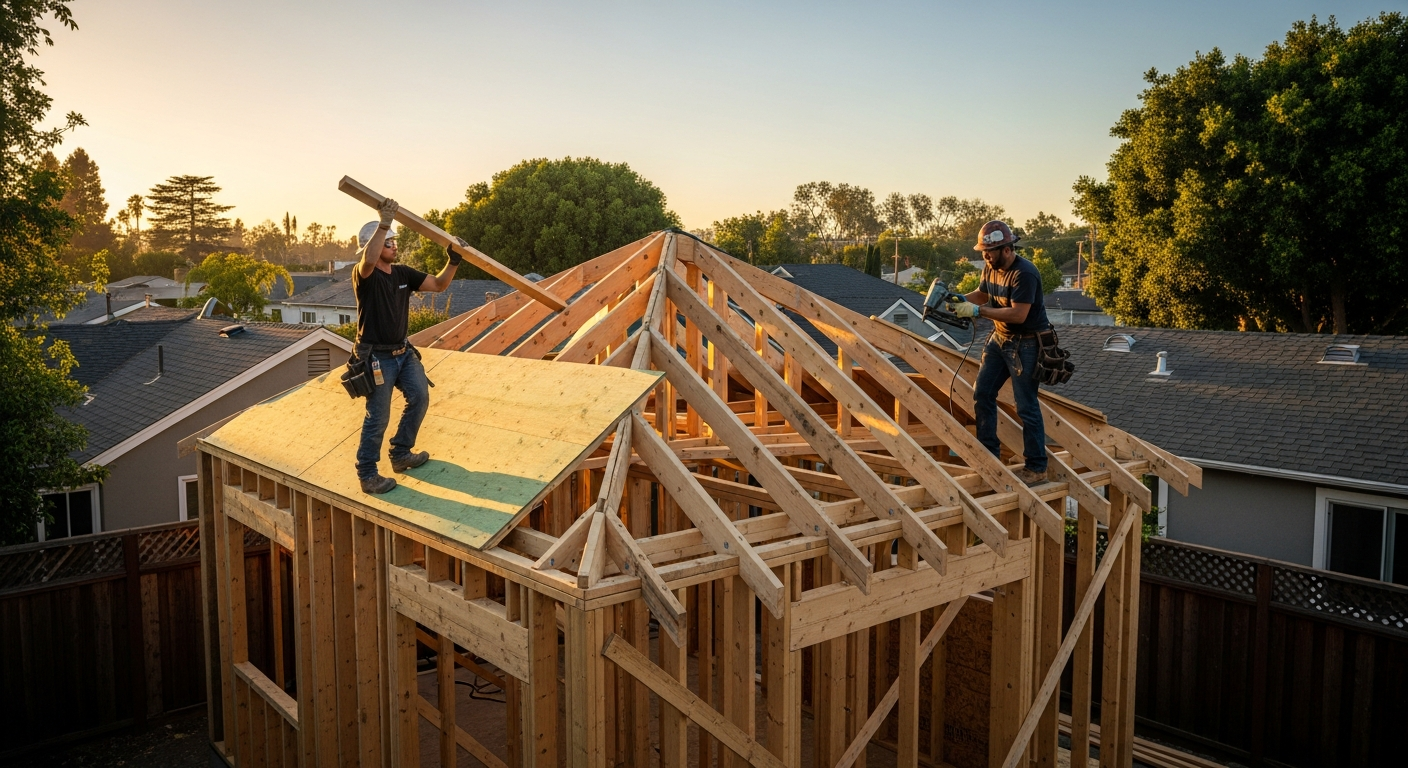
11. How much does it cost to build an ADU in California?
ADU costs in California vary significantly based on type, size, location, and finishes. Here's what to expect in 2025:
| ADU Type | Cost Range | Per Sq Ft |
|---|---|---|
| Garage Conversion | $80,000 - $180,000 | $200 - $400 |
| Attached ADU | $150,000 - $300,000 | $300 - $500 |
| Detached ADU (New) | $200,000 - $450,000 | $350 - $600 |
| Prefab ADU | $150,000 - $350,000 | $300 - $500 |
These costs include design, permits, and construction. Los Angeles and the Bay Area tend toward higher ends; inland areas may be lower.
Get a personalized estimate: [Tool] ADU Cost Calculator
12. What factors affect ADU construction costs?
Nine main factors influence your final ADU cost:
- ADU Type: Conversions cost less than new construction
- Size: Larger units cost more, but cost-per-square-foot often decreases
- Location: Labor and material costs vary by region
- Site Conditions: Slope, access, soil conditions affect foundation costs
- Utility Connections: Distance to existing utilities impacts cost significantly
- Finishes: Basic vs. premium materials create wide cost ranges
- Foundation Type: Slab, crawl space, or raised foundation
- Stories: Two-story ADUs cost more but maximize lot usage
- Permits & Fees: City fees vary from $5,000 to $50,000+
Our comprehensive breakdown: Comprehensive Guide to ADU Cost Estimation
13. How much do ADU permits cost?
ADU permit costs in California vary widely by city:
- Los Angeles: $4,000 - $15,000 (varies by project complexity)
- San Diego: $3,000 - $12,000
- San Francisco: $8,000 - $25,000
- Smaller cities: $2,000 - $8,000
California law caps certain ADU fees and prohibits impact fees for units under 750 sq ft. School district fees are also limited.
City-specific details: ADU Permit Cost in Los Angeles | San Diego ADU Permit Guide
14. What's the cost difference between prefab and stick-built ADUs?
Prefab (prefabricated or modular) ADUs can offer savings, but the gap has narrowed:
Prefab ADU Advantages:
- Faster construction time (factory-built)
- Fixed pricing (fewer cost overruns)
- Consistent quality control
Prefab ADU Considerations:
- Site prep, foundation, and delivery add significant costs
- Limited customization options
- Crane/delivery access requirements
- Utility connections still needed
All-in costs for prefab often end up similar to stick-built, around $300-$450 per square foot when including site work.
Compare options: San Diego Prefab ADUs
15. How much does a garage conversion cost?
Garage conversions are typically the most affordable ADU option because the shell already exists. Expect:
- Basic 1-car garage (200-250 sq ft): $50,000 - $100,000
- Standard 2-car garage (400-500 sq ft): $80,000 - $180,000
- High-end 2-car garage: $150,000 - $250,000
Cost factors specific to garage conversions include foundation upgrades, new window/door openings, and bringing the structure up to residential building codes.
Detailed breakdown: Garage Conversion Cost Guide for 2024
16. What are the hidden costs of building an ADU?
Beyond the quoted construction price, budget for these often-overlooked expenses:
- Architectural/Design fees: $5,000 - $25,000 (5-15% of construction)
- Engineering (structural, Title 24): $2,000 - $8,000
- Survey costs: $500 - $2,000
- Utility upgrades: $5,000 - $30,000 (if panel upgrade needed)
- Sewer/water connection fees: $3,000 - $20,000
- Landscaping restoration: $3,000 - $15,000
- Furnishing (if rental): $5,000 - $25,000
- Temporary housing (if converting part of main home): Variable
Add 15-20% contingency to your budget for unexpected costs.
17. Do I need to upgrade my electrical panel for an ADU?
Often, yes. An electrical panel upgrade is one of the most common "surprise" costs. Signs you'll need one:
- Existing panel is under 200 amps
- Panel is full with no room for ADU breakers
- Older electrical system (Federal Pacific, Zinsco, or pre-1970s)
- Distance from main panel to ADU exceeds 100 feet
Typical costs:
- 200-amp panel upgrade: $2,500 - $5,000
- New sub-panel for ADU: $1,500 - $3,500
- Complete rewire + upgrade: $8,000 - $15,000
18. How much does it cost to add a separate utility meter for my ADU?
Separate utility metering isn't required in California, but some homeowners prefer it for tenant billing:
- Separate electric meter: $1,500 - $4,000
- Separate gas meter: $2,000 - $5,000
- Separate water meter: $3,000 - $10,000 (expensive, often avoided)
Alternatives: Many landlords include utilities in rent or use sub-metering devices ($100-$300) to track ADU usage and bill accordingly.
19. Are there any ADU grants or rebates available?
Yes! Several programs help offset ADU costs:
State Programs:
- CalHFA ADU Grant Program: Up to $40,000 for pre-development costs (2025 status varies)
- California Housing Finance Agency: Low-interest ADU loans
Local Programs (examples):
- Los Angeles: ADU Standard Plan Program (reduced permit costs)
- San Diego: Fee deferrals and affordable housing incentives
- San Jose: Forgivable loans for affordable ADU rentals
Check our local guides: ADU Grants in San Diego
20. What's the cost-per-square-foot breakdown for ADUs?
Here's a detailed cost-per-square-foot breakdown for California ADUs:
| Component | Cost/Sq Ft |
|---|---|
| Foundation | $25 - $50 |
| Framing | $40 - $70 |
| Roofing | $15 - $30 |
| Plumbing | $30 - $60 |
| Electrical | $25 - $50 |
| HVAC | $20 - $40 |
| Insulation & Drywall | $20 - $35 |
| Windows & Doors | $15 - $35 |
| Flooring | $10 - $25 |
| Kitchen | $40 - $100 |
| Bathroom | $30 - $80 |
| TOTAL | $270 - $575 |
Kitchen and bathroom are the most expensive per-square-foot areas due to plumbing, appliances, and fixtures.
💳 Financing Options (Questions 21-26)
21. What are the best ways to finance an ADU?
California homeowners have several ADU financing options:
- Home Equity Line of Credit (HELOC): Flexible, lower rates, use equity
- Home Equity Loan: Fixed rate, lump sum, predictable payments
- Cash-Out Refinance: New mortgage includes ADU funds
- Construction Loan: Short-term loan converts to mortgage
- Personal Loan: No equity needed, but higher rates
- ADU-Specific Loans: Products designed for ADU construction
Most homeowners use home equity products due to lower interest rates. See our financing guides: ADU Financing Options in San Diego
22. What are current ADU loan rates in California?
As of early 2025, expect these approximate rates:
- HELOC: 8.5% - 11% variable (prime + margin)
- Home Equity Loan: 7.5% - 10% fixed
- Cash-Out Refinance: 6.5% - 8% (30-year fixed)
- Construction Loan: 8% - 12%
- Personal Loan: 10% - 20%
Rates vary based on credit score, loan-to-value ratio, and lender. Shop multiple lenders for best rates.
Rate comparison: ADU Loan Rates vs. HELOC: Which Costs Less?
23. How much equity do I need to finance an ADU?
For equity-based financing, lenders typically require:
- Minimum 15-20% equity remaining after the loan
- Combined Loan-to-Value (CLTV) of 80-85% maximum
Example: If your home is worth $800,000 and you owe $400,000:
- Current equity: $400,000 (50%)
- At 80% CLTV: You could borrow up to $240,000 ($640,000 - $400,000)
- At 85% CLTV: You could borrow up to $280,000 ($680,000 - $400,000)
24. Can I get a construction loan for my ADU?
Yes, construction loans are available for ADU projects. Here's how they work:
How Construction Loans Work:
- Short-term financing (12-18 months) during construction
- Funds disbursed in "draws" as work progresses
- Interest-only payments during construction
- Converts to permanent mortgage upon completion
Requirements:
- Approved plans and permits
- Licensed general contractor
- Detailed budget and timeline
- Good credit (typically 680+)
Read more: ADU Construction Loan Rates: Is Building Still Affordable?
25. Will my ADU increase my property value?
Yes, ADUs typically add significant value. Research and market data suggest:
- Value increase: 20-35% of ADU construction cost in immediate equity
- Appraised value: ADUs add $100-$300 per square foot in California metros
- Rental premium: Properties with ADUs sell for more due to income potential
However, ADU value depends on quality, local market, and whether it's legally permitted. Unpermitted ADUs may add little to no value.
Learn more: How Much Value Does an ADU Add?
26. Is building an ADU a good investment?
For most California homeowners, ADUs offer strong returns:
ROI Factors:
- Rental income: $1,500-$3,500/month in most California metros
- Property value increase: 10-25% total property appreciation
- Tax benefits: Depreciation, mortgage interest deductions
- Flexibility: Can house family, then convert to rental later
Typical payback period: 7-15 years through rental income (faster in high-rent areas)
ROI analysis: ADU ROI: Does Investing Make Sense?
📋 Permits & Regulations (Questions 27-35)
27. What permits do I need to build an ADU?
ADU construction requires several permits, typically bundled into one application:
Required permits:
- Building permit: Primary permit covering structural work
- Electrical permit: For all electrical installations
- Plumbing permit: For plumbing and gas work
- Mechanical permit: For HVAC systems
Additional requirements may include:
- Title 24 energy compliance report
- Structural engineering calculations
- Soils report (for some locations)
- Coastal development permit (coastal zones)
Step-by-step guide: How to Get Your ADU Permit in Los Angeles
28. How long does ADU permit approval take?
California law (Government Code 65852.2) requires cities to approve or deny ADU permits within 60 days of a complete application. Reality often differs:
- Fast cities (60-day compliance): San Diego, some smaller cities
- Average cities: 60-90 days
- Slower cities: 90-180 days (despite state law)
- Complex projects: May take longer with multiple reviews
Tips to speed approval:
- Use pre-approved ADU plans if your city offers them
- Submit complete applications (incomplete = restart clock)
- Hire experienced professionals familiar with local requirements
29. What are California's ADU setback requirements?
California's state minimum setback requirements for ADUs:
- Side setback: 4 feet minimum
- Rear setback: 4 feet minimum
- Front setback: Same as main house (varies by city)
Important exceptions:
- Converted existing structures (garages) maintain existing setbacks, even if non-conforming
- ADUs under 800 sq ft get relaxed setbacks in many jurisdictions
- Cities cannot require more than 4-foot side/rear setbacks for ADUs
30. Are there ADU height restrictions?
California law sets these height limits:
- Detached ADU: 16 feet (one-story), 18-25 feet with restrictions (two-story)
- Attached ADU: Same as main house typically
- Within 1/2 mile of transit: Up to 18 feet for detached ADUs
Recent legislation (SB 897) allows two-story ADUs in many situations. Check your local ordinance for specific height limits.
31. Do I need to provide parking for my ADU?
California law significantly reduces ADU parking requirements. No parking is required if your ADU is:
- Within 1/2 mile of public transit
- In a historic district
- Part of an existing primary residence
- In an area where on-street permits are required but not available
- Within 1 block of a car-share location
If parking IS required, cities can only require one space, which can be tandem or on the driveway.
Garage conversion note: If you convert your garage, you don't have to replace that parking.
32. Can I build an ADU in an HOA community?
This is complicated. California law (AB 670, AB 1584) limits HOA restrictions on ADUs:
What HOAs CANNOT do:
- Completely prohibit ADUs where state law allows them
- Unreasonably restrict ADU size, placement, or design
- Require approval that effectively makes ADU construction impossible
What HOAs CAN do:
- Require architectural review for design compatibility
- Enforce reasonable aesthetic guidelines
- Apply existing CC&Rs consistently
Read our analysis: ADUs in HOA Neighborhoods: What You Can (and Can't) Do
33. What inspections are required during ADU construction?
Expect multiple inspections throughout your ADU project:
- Foundation inspection: Before pouring concrete
- Framing inspection: After structure is complete, before covering walls
- Rough plumbing: Before walls closed
- Rough electrical: Before walls closed
- Rough mechanical: HVAC ducts before covering
- Insulation inspection: Before drywall
- Drywall inspection: After taping, before finishing
- Final inspection: Complete walkthrough when finished
Your contractor should schedule all inspections. Delays at any stage hold up subsequent work.
34. Can I legalize an unpermitted ADU?
Yes, California has created pathways to legalize unpermitted ADUs. AB 2533 (2024) established a state amnesty program:
General process:
- Contact your local building department
- Submit as-built plans showing current construction
- Undergo inspection to identify code violations
- Make necessary upgrades for health and safety
- Obtain retroactive permits
Common required upgrades:
- Smoke and CO detectors
- Proper egress windows
- Electrical panel upgrades
- Plumbing and ventilation corrections
Costs vary widely ($10,000-$80,000+) depending on what's needed.
Learn more: AB 2533: New Pathway to Legalize Unpermitted ADUs
35. What's a Title 24 report and do I need one?
Yes, all ADUs in California require Title 24 compliance. Title 24 is California's energy code, ensuring buildings meet minimum energy efficiency standards.
What's included:
- Insulation requirements
- Window efficiency (U-factor, SHGC)
- HVAC equipment efficiency
- Water heating efficiency
- Lighting requirements
- Solar requirements (for new construction)
Cost: $300-$1,000 for Title 24 energy calculations
You'll need a certified energy consultant or your architect can provide this. Learn more: How Much Does a Title 24 Report Cost?
🎨 Design & Construction (Questions 36-42)
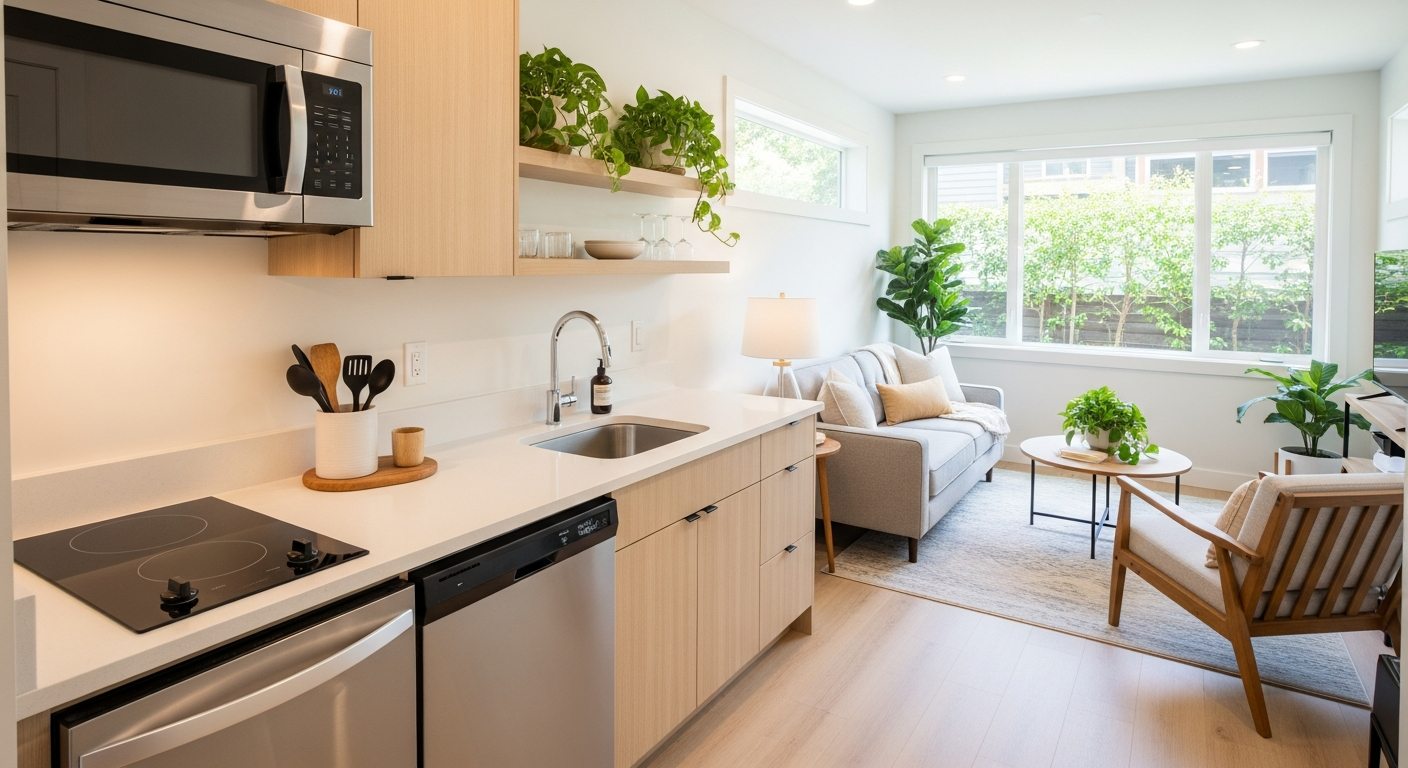
36. What are California's ADU kitchen requirements?
California requires all ADUs (but not JADUs) to have a "complete kitchen." This means:
Minimum requirements:
- Cooking appliance with proper ventilation
- Refrigerator space
- Sink with hot and cold water
- Counter space for food preparation
- Proper storage
JADUs have different rules:
- "Efficiency kitchen" only required
- Smaller appliances allowed (countertop units)
- No full-size range required
Detailed guide: What Are California ADU Kitchen Requirements?
37. What's the best ADU floor plan for rental income?
The most rentable ADU configurations in California:
Studio/1-bed (400-600 sq ft):
- Highest rent-per-square-foot
- Broadest renter pool
- Lower construction cost
- Ideal for: urban areas, young professionals
1-bed/1-bath (500-700 sq ft):
- Sweet spot for most markets
- Good balance of rent vs. cost
- Appeals to couples, remote workers
2-bed/1-bath (700-1,000 sq ft):
- Commands higher total rent
- Appeals to small families, roommates
- Less competition (fewer 2-bed rentals)
Browse layouts: ADU Floor Plans for 800 sq ft Space
38. Should I hire an architect or use pre-approved plans?
Both options have merits:
Pre-approved (standard) plans:
- ✅ Faster permit approval
- ✅ Lower design costs ($0-$5,000)
- ✅ Proven to pass plan check
- ❌ Limited customization
- ❌ May not optimize your site
Custom architectural plans:
- ✅ Designed for your specific lot
- ✅ Maximize space and value
- ✅ Unique design matching main home
- ❌ Higher cost ($8,000-$30,000)
- ❌ Longer design/permit process
For straightforward sites, pre-approved plans work well. Complex lots or specific design needs benefit from custom architecture.
Cost comparison: ADU Architect Cost: Avoid Expensive Mistakes
39. How do I find a reputable ADU contractor?
Finding the right contractor is crucial. Follow these steps:
- Verify license: Check California CSLB website for valid contractor license
- Confirm ADU experience: Ask specifically about ADU projects completed
- Check references: Contact 3-5 recent ADU clients
- Review portfolios: Ask for photos/addresses of completed ADUs
- Get multiple bids: Compare at least 3 detailed written proposals
- Verify insurance: General liability and workers' comp required
Red flags:
- No California contractor license
- Requests large upfront deposits (max should be 10%)
- Won't provide written contract
- Unusually low bids (too good to be true)
Contractor guides: Common Mistakes When Building an ADU
40. What should be included in an ADU construction contract?
Your ADU construction contract should include:
Essential elements:
- Detailed scope of work (specifications, materials, finishes)
- Total price with payment schedule
- Start date and estimated completion date
- Change order process and pricing
- Warranty terms (typically 1 year minimum)
- Permit responsibility (usually contractor)
- Insurance requirements
- Lien release provisions
- Dispute resolution process
Payment schedule best practices:
- 10% deposit maximum (California law)
- Payments tied to completion milestones
- 10-15% retained until final inspection passes
41. What design features add the most value to an ADU?
Maximize ADU value and appeal with these features:
High-impact investments:
- Natural light: Large windows, skylights increase perceived space
- Quality kitchen: Full-size appliances, countertops, storage
- Modern bathroom: Walk-in shower, quality fixtures
- Outdoor space: Private patio, entry area
- Storage: Closets, built-ins highly valued
- Laundry: In-unit washer/dryer connection
Features that may not pay back:
- Luxury finishes beyond market expectations
- Excessive square footage (diminishing returns after 800 sq ft)
- Features not valued locally (pool in some markets)
42. Do ADUs need to be ADA accessible?
California doesn't require ADUs to meet full ADA accessibility standards. However, consider accessibility for:
Universal design features (recommended):
- Zero-step entry (at least one entrance)
- Wide doorways (32"+ clear width)
- Reinforced bathroom walls for future grab bars
- Curbless shower option
- Lever-style door handles
If planning for aging parents, see: ADUs for Aging in Place
🏘️ Rental & Income (Questions 43-47)
43. How much rent can I charge for my ADU?
ADU rental rates depend on location, size, and amenities. California metro averages:
| Metro Area | Studio/1BR | 2BR |
|---|---|---|
| Los Angeles | $1,800 - $2,800 | $2,400 - $3,500 |
| San Diego | $1,700 - $2,600 | $2,200 - $3,200 |
| San Francisco Bay Area | $2,200 - $3,500 | $2,800 - $4,500 |
| Sacramento | $1,400 - $2,000 | $1,800 - $2,600 |
Research local rental listings for comparable units in your neighborhood. Rental income guide: How Much Rental Income Can an ADU Generate?
44. Can I Airbnb my ADU in California?
Short-term rental rules vary significantly by city. General California landscape:
Cities allowing ADU short-term rentals (with permits):
- Some unincorporated county areas
- Cities without specific STR restrictions
Cities restricting/prohibiting ADU short-term rentals:
- Los Angeles: 120-day annual limit, must be owner-occupied property
- San Diego: Primary residence zones only, license required
- San Francisco: 90-day limit if not owner-occupied
- Santa Monica: Heavily restricted, long-term rentals only for most ADUs
Always check your city's current short-term rental ordinance before planning Airbnb use. Read: Can You Airbnb Your ADU in Los Angeles in 2025?
45. How do I find good tenants for my ADU?
Finding quality tenants requires a systematic approach:
Marketing your ADU:
- Professional photos showing space well
- List on Zillow, Apartments.com, Craigslist, Facebook Marketplace
- Highlight ADU benefits (private, new construction, outdoor space)
- Be clear about included utilities, parking, amenities
Screening tenants:
- Credit check (aim for 650+ score)
- Income verification (3x rent minimum)
- Rental history (contact previous landlords)
- Background check (criminal, eviction)
- In-person meeting
Use a professional screening service ($25-$50 per applicant). Read: How to Pick a Great Tenant for Your ADU
46. What landlord responsibilities do I have with an ADU tenant?
As an ADU landlord in California, you must:
Legal requirements:
- Maintain habitable conditions (plumbing, heating, electrical, pest-free)
- Provide working smoke and CO detectors
- Make necessary repairs in reasonable time
- Follow security deposit laws ($2,000 max or 1 month rent)
- Give proper notice before entry (24 hours generally)
- Follow eviction procedures (just cause required in many cities)
Best practices:
- Maintain landlord insurance (covers ADU rental)
- Document property condition at move-in
- Keep records of all repairs and communications
- Consider professional property management
47. Does ADU rental income affect my taxes?
Yes, rental income is taxable, but ADU landlords have significant deductions:
Taxable income:
- All rent received
- Any fees (pet fees, parking fees)
- Security deposit (only if not returned)
Deductible expenses:
- Depreciation: Deduct ADU construction cost over 27.5 years
- Mortgage interest: Portion allocated to ADU
- Property taxes: Portion allocated to ADU
- Insurance: ADU-related insurance costs
- Maintenance and repairs: All ADU maintenance
- Utilities: If landlord pays
- Property management: If using a manager
Consult a tax professional familiar with rental properties for your specific situation.
⚖️ Legal & Property (Questions 48-50)
48. Does an ADU increase my property taxes?
Yes, building an ADU will typically increase your property taxes, but not as much as you might fear:
How it works under Proposition 13:
- Your existing home's assessed value stays the same
- Only the ADU's construction value is added to assessment
- Annual increase capped at 2% for the new ADU portion
Example calculation:
- ADU construction cost: $200,000
- Assessed value added: ~$200,000
- Property tax rate: 1.1%
- Additional annual taxes: ~$2,200
This is much less than if your entire property were reassessed. Read: Does an ADU Increase Property Tax in California?
49. Can I sell my ADU separately from my main house?
This is a new and evolving area in California. AB 1033 (2024) allows certain ADUs to be sold separately:
Requirements for separate ADU sale:
- Local jurisdiction must opt-in to allow it
- ADU must be on a lot that can be subdivided (condo map)
- Both units meet condo requirements
- Separate utilities and addresses
- HOA documentation required
Current status:
- Few cities have opted in so far
- West Sacramento was an early adopter
- More cities evaluating in 2025
Learn more: AB 1033: Selling Your ADU Separately
50. What insurance do I need for my ADU?
ADU insurance needs depend on how you use the unit:
Owner-occupied/family use:
- Standard homeowner's policy may cover ADU
- Notify insurer of new structure
- Increase dwelling coverage to include ADU value
- Typical additional premium: $200-$600/year
Rental ADU:
- Landlord/rental dwelling policy recommended
- Covers structure, liability, loss of rent
- Require tenant to carry renter's insurance
- Additional premium: $500-$1,500/year
Short-term rental ADU:
- Specialized STR insurance or add-on coverage
- Higher liability limits recommended
- Airbnb/VRBO offer some host protection
Always inform your insurance company about your ADU—failing to disclose could void your coverage.
📞 Ready to Start Your ADU Journey?
Building an ADU is one of the smartest investments California homeowners can make. Whether you're creating housing for family, generating rental income, or increasing your property value, proper planning makes all the difference.
Next steps to get started:
- Check your property's potential: Use our ADU Cost Calculator for initial estimates
- Research local regulations: Find your city on our City ADU Regulations page
- Explore financing options: Talk to your bank about home equity products
- Consult with professionals: Get site assessments and design consultations
Get Your Free ADU Consultation
Our team has helped thousands of California homeowners navigate the ADU process. Let us help you next.
Schedule Your Free Consultation📚 Sources & Citations
- California Department of Housing and Community Development - ADU Handbook
- California Government Code Section 65852.2 (ADU Law)
- California Government Code Section 65852.22 (JADU Law)
- California Health and Safety Code Section 17958.12 (Building Standards)
- California Civil Code Section 4751 (HOA ADU Restrictions)
- California Legislative Information - AB 1033, SB 1211, AB 2533
- California Contractors State License Board
- Los Angeles Department of Building and Safety - ADU Standard Plans Program
- San Diego Development Services Department - ADU Guidelines
Last updated: February 2025. ADU regulations change frequently. Always verify current requirements with your local building department.