As California homeowners explore options to maximize their property's potential, Accessory Dwelling Units (ADUs) and Junior Accessory Dwelling Units (JADUs) have become increasingly popular. Both offer unique benefits, from providing additional living space for family members to generating rental income. However, understanding the fundamental differences between a detached ADU vs JADU on the same property is crucial for making an informed decision.
This article will delve into the specifics of each type, examining their definitions, characteristics, benefits, limitations, and regulatory considerations. By the end, you'll have a clear understanding of which option aligns best with your goals, property, and budget.
What Exactly Is an ADU?
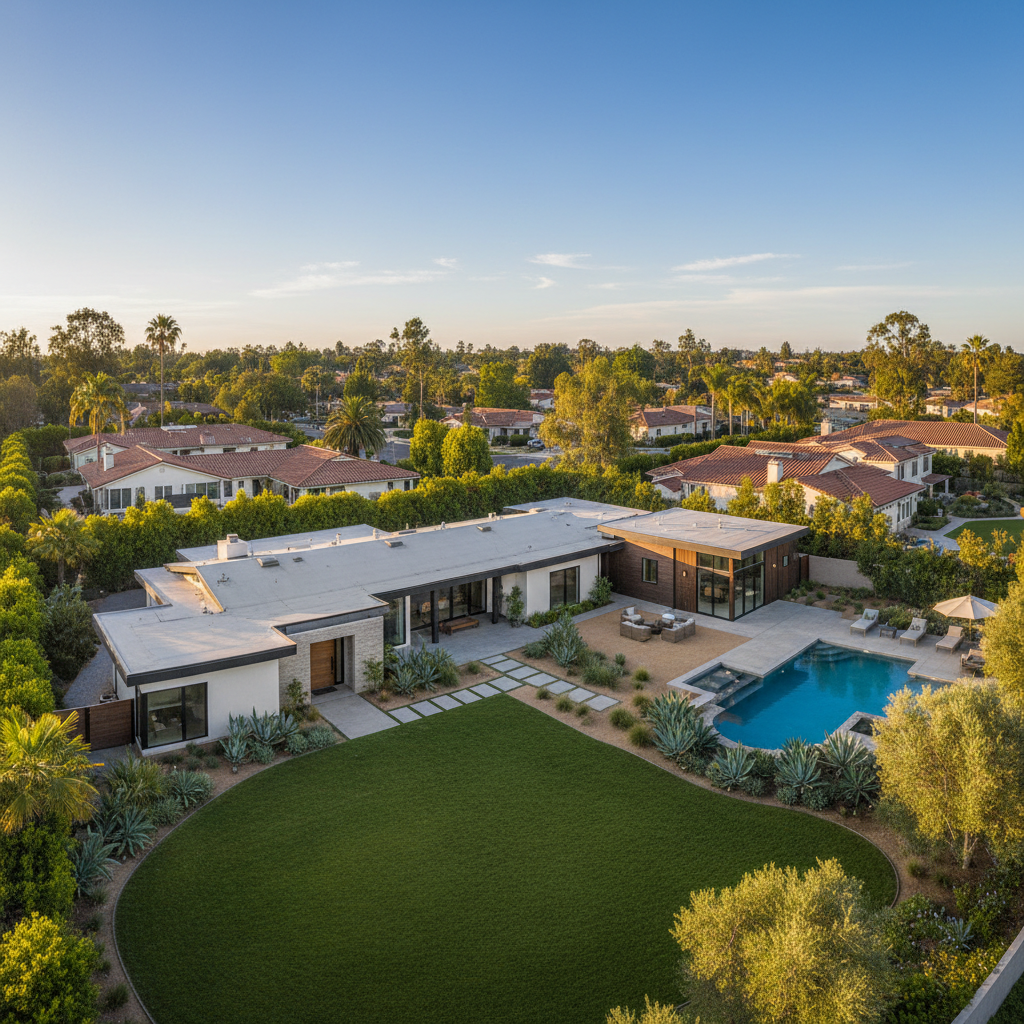
An Accessory Dwelling Unit (ADU) is an independent housing unit located on the same property as a primary single-family home. Often called a 'backyard home,' 'granny flat,' or 'in-law unit,' an ADU must include permanent provisions for living, sleeping, eating, cooking, and sanitation. California's progressive ADU laws have made it easier than ever for homeowners to build these units, addressing housing shortages and providing flexible living solutions.
Understanding the Detached ADU
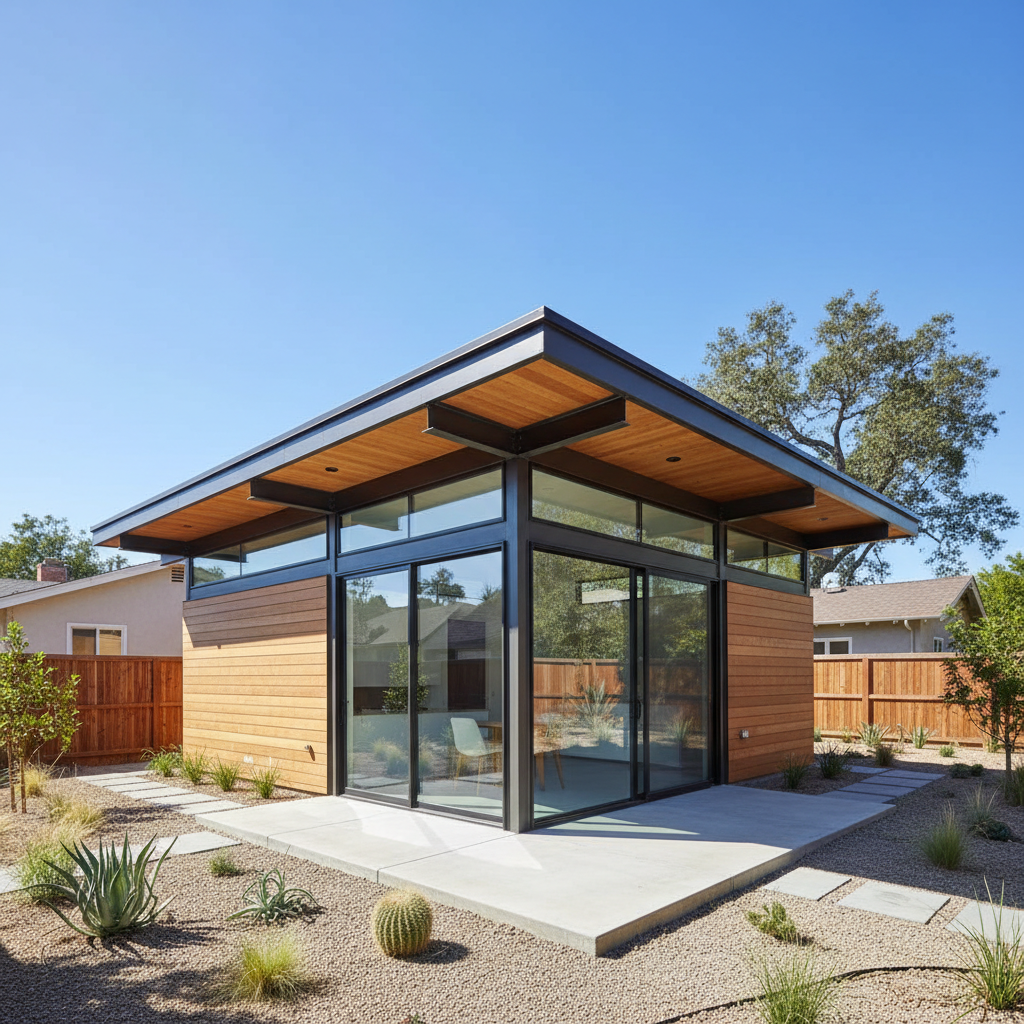
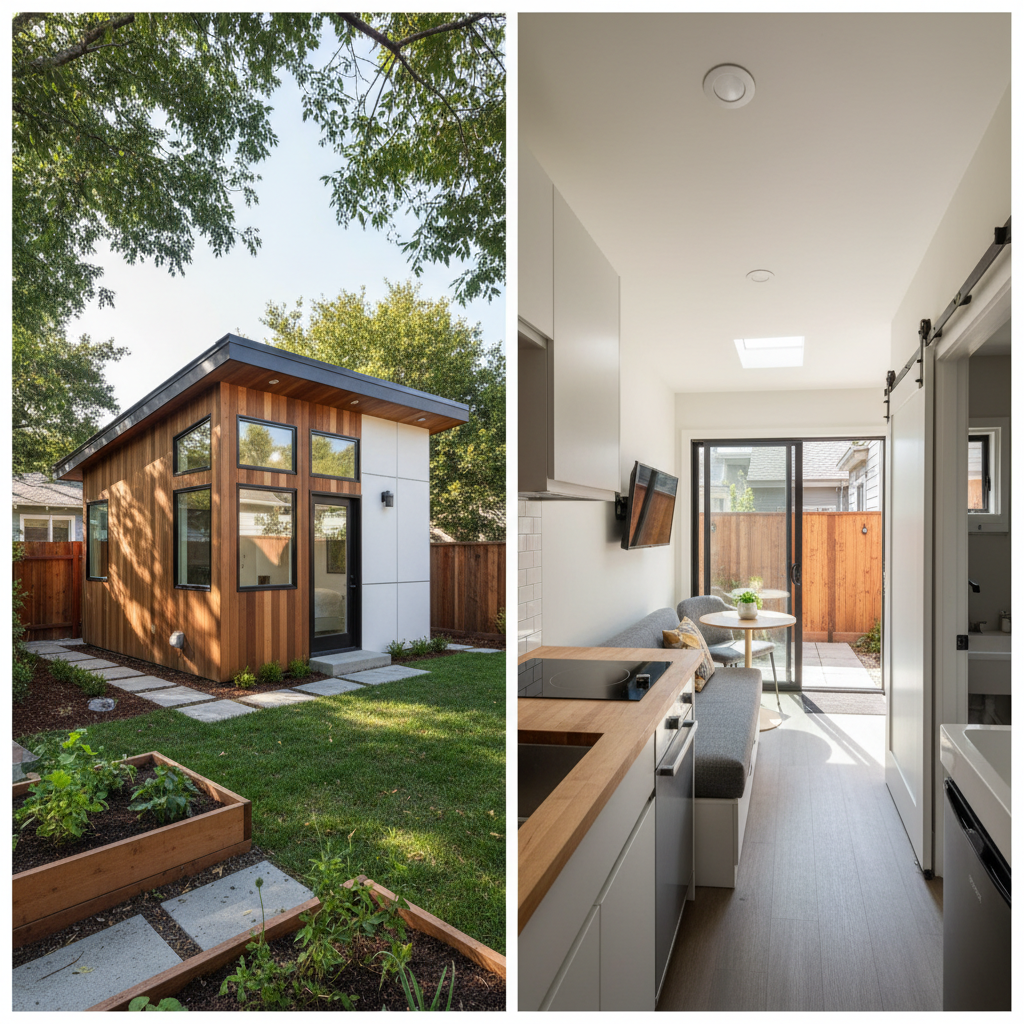
A detached ADU is a standalone structure, completely separate from the primary residence. It's built on the same lot but functions as its own independent dwelling, much like a small house in the backyard. This type offers the most autonomy and privacy for its occupants.
Key Characteristics of a Detached ADU:
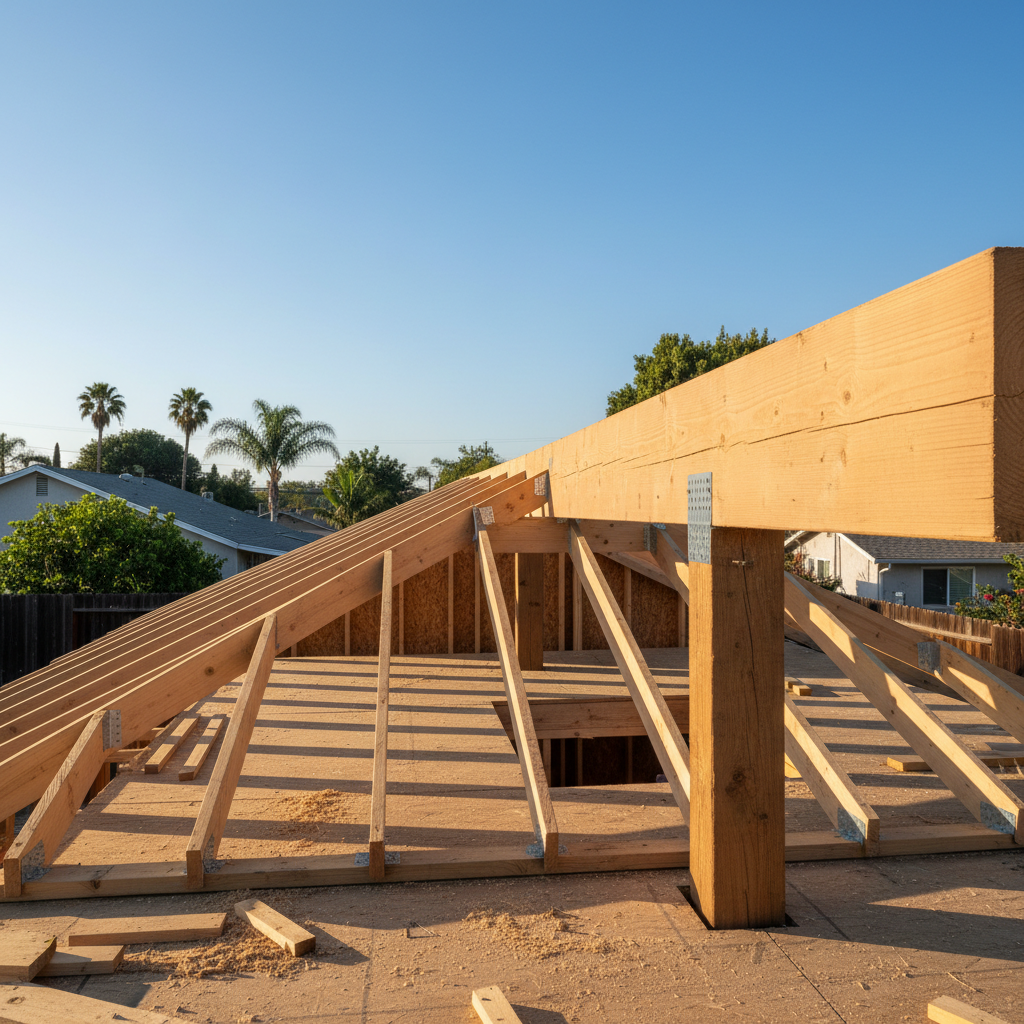
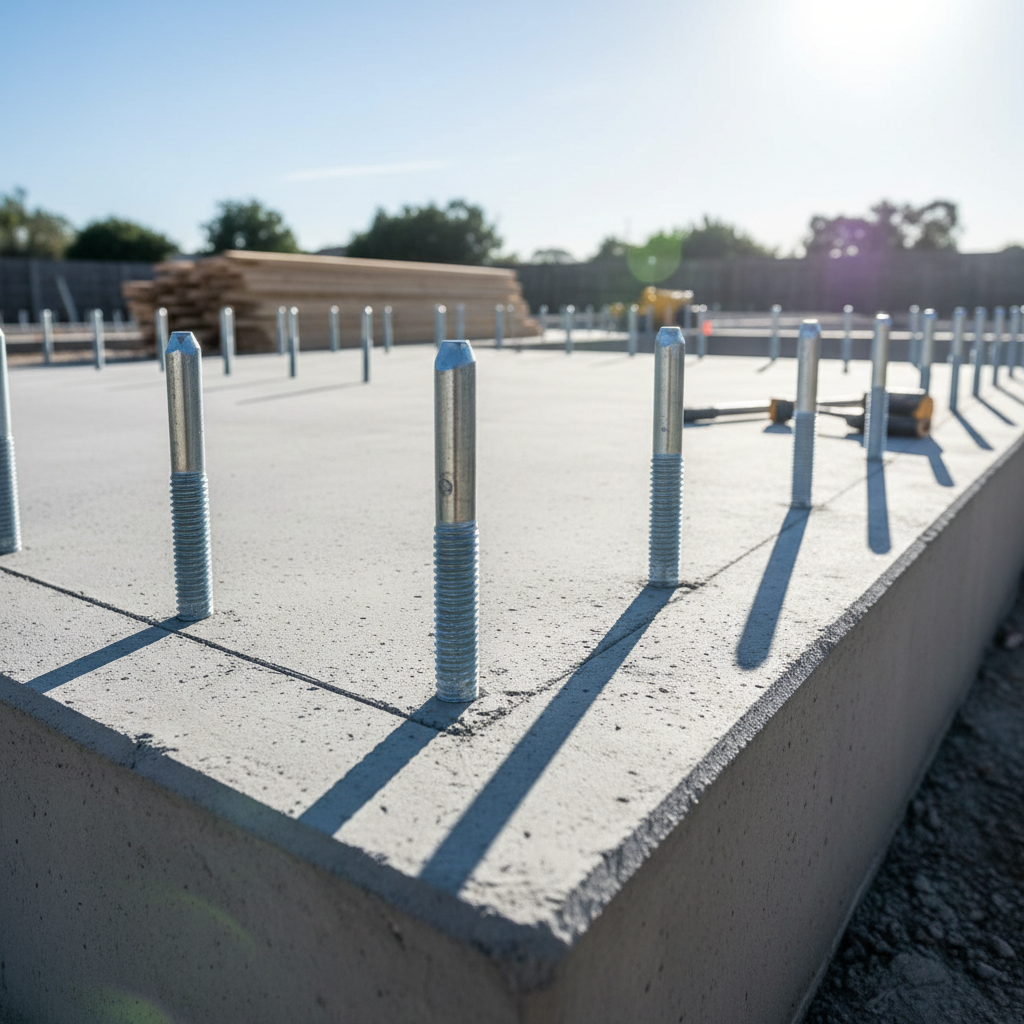
- Separate Structure: It has its own foundation, walls, and roof, not physically connected to the main house.
- Full Living Facilities: Must include a complete kitchen, bathroom, sleeping area, and living space.
- Independent Utilities: Often has its own utility connections (electrical, plumbing, gas) separate from the main house, although sometimes shared meters are allowed.
- Size: Can range significantly in size, typically up to 1,200 square feet in California, depending on local ordinances and lot size.
- Privacy: Offers maximum privacy for both the occupants of the ADU and the main home.
Benefits of Building a Detached ADU:
- Maximum Privacy: Ideal for renters, adult children, or aging parents who desire their own separate living space.
- Design Flexibility: More freedom in architectural style and layout, allowing for a custom-built feel.
- Increased Property Value: Often adds significant value to the property due to its independent nature and rental potential.
- Higher Rental Income Potential: Generally commands higher rental rates compared to attached units or JADUs due to greater privacy and amenities.
- No Owner-Occupancy Requirement: In most of California, there is no requirement for the property owner to live in either the main house or the detached ADU.
Limitations and Considerations for Detached ADUs:
- Larger Footprint Required: Needs sufficient backyard space to accommodate the structure and meet setback requirements.
- Higher Construction Costs: Generally more expensive to build than JADUs due to new foundation, framing, roofing, and potentially new utility trenching.
- Longer Construction Timeline: Involves more extensive construction work, leading to a longer build period.
- Permitting Complexity: While streamlined in California, still involves a comprehensive permitting process for a new structure.
What About a Junior Accessory Dwelling Unit (JADU)?
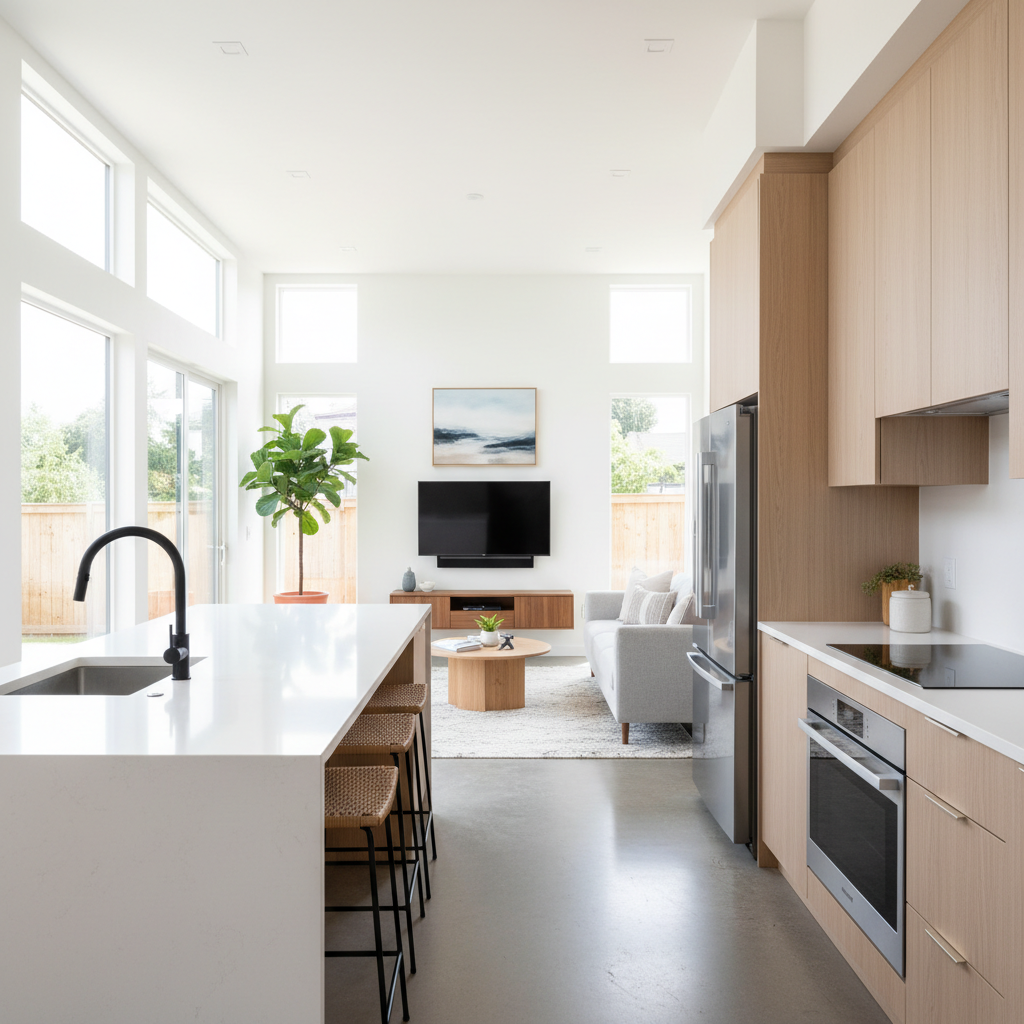
A Junior Accessory Dwelling Unit (JADU), by contrast, is a smaller, more integrated living space created within the existing footprint of a single-family home. Think of it as converting a spare bedroom, a portion of a garage, or an unused part of your house into a compact, independent unit.
Key Characteristics of a JADU:
- Within Existing Structure: Must be created within the walls of an existing single-family dwelling or an attached accessory structure (like a garage).
- Size Limit: Limited to a maximum of 500 square feet.
- Internal Entry: Requires an interior entry from the main living area of the primary dwelling, in addition to an exterior entrance.
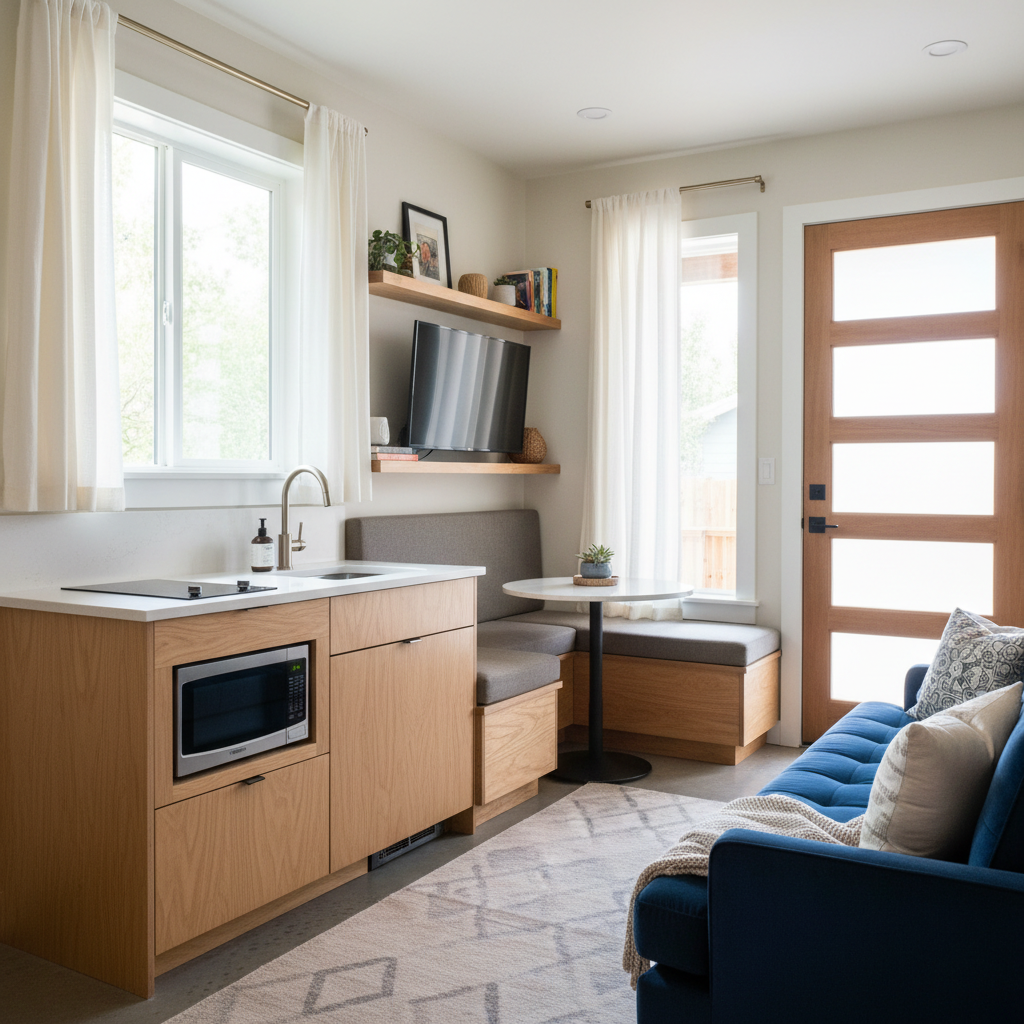
- Efficiency Kitchen: Must include an efficiency kitchen (sink, cooking appliance, food preparation counter, storage cabinets). A full kitchen is not required, and sometimes a shared bathroom with the main house is permitted, though many JADUs include a private bathroom.
- Owner Occupancy: The owner of the property must reside in either the primary dwelling or the JADU. This is a critical distinction from detached ADUs.
Benefits of Creating a JADU:
- Lower Construction Costs: By utilizing existing space and infrastructure, JADUs are generally much cheaper to build.
- Faster Permitting: Often a more streamlined and quicker permitting process compared to new construction.
- Utilizes Existing Space: Transforms underutilized areas of your home into valuable living units.
- Exempt from Impact Fees: JADUs are typically exempt from impact fees that new construction might incur, saving thousands of dollars.
- Sustainable: Repurposes existing materials and reduces the need for new construction.
Limitations and Considerations for JADUs:
- Smaller Size: The 500 square foot limit can restrict the type of occupant or use.
- Less Privacy: Being integrated into the main home, privacy can be more limited for both parties.
- Owner-Occupancy Requirement: The owner must live on the property, which can limit rental flexibility.
- Limited Design Flexibility: Constrained by the existing structure's layout and dimensions.
- Shared Utilities: Typically shares utilities with the main house, which can complicate billing or usage tracking.
Detached ADU vs JADU: A Head-to-Head Comparison
To help you visualize the differences, here's a direct comparison:
| Feature | Detached ADU | Junior ADU (JADU) |
|---|---|---|
| Location | Separate, standalone structure on the same lot. | Within the existing footprint of the primary dwelling. |
| Size Limit (CA) | Up to 1,200 sq ft (varies by local ordinance and lot size). | Maximum 500 sq ft. |
| Kitchen Requirements | Full kitchen (sink, cooking, refrigeration, storage). | Efficiency kitchen (sink, cooking appliance, counter, storage). |
| Bathroom Requirements | Full private bathroom. | Full private bathroom, or may share a bathroom with the main dwelling (with internal access). |
| Entry | Independent exterior entry. | Independent exterior entry AND an interior entry to the primary dwelling. |
| Owner Occupancy | No owner-occupancy requirement in most of California. | Owner must reside in either the primary dwelling or the JADU. |
| Privacy | Maximum privacy for both units. | Moderate to low privacy, as it's part of the main home. |
| Construction Cost | Generally higher (new construction). | Generally lower (utilizes existing space). |
| Permitting Time | Typically longer due to new construction. | Often shorter and more streamlined. |
| Impact Fees | May be subject to impact fees (depending on size/local rules). | Generally exempt from impact fees. |
| Rental Potential | Higher rental income potential. | Lower rental income potential, often suited for family. |
Choosing the Right Option for Your California Property
The decision between a detached ADU and a JADU boils down to your specific needs, property characteristics, and financial considerations. Here are some scenarios to help you decide:
Opt for a Detached ADU if:
- You have ample backyard space: Sufficient room to build a new structure while meeting setback requirements.
- Your priority is maximum privacy: For long-term renters, adult children, or as a dedicated home office or studio.
- You're looking for significant rental income: Detached units command higher rents and attract a broader tenant pool.
- You want design flexibility: The ability to create a custom-built unit with a specific aesthetic.
- Owner-occupancy is not feasible: You don't plan to live on the property full-time, or you want the flexibility to rent out both units.
Consider a JADU if:
- Your lot size is limited: You don't have enough space for a separate structure or prefer not to build one.
- Your budget is tighter: Leveraging existing space significantly reduces construction costs.
- You need space for a family member: An aging parent, a young adult, or a live-in caregiver who needs some independence but remains close.
- You can meet the owner-occupancy requirement: You or a family member will reside in either the primary dwelling or the JADU.
- You want a quicker, less disruptive build: Utilizing existing walls and utilities often means a faster project.
Navigating the nuances of ADU and JADU regulations, design, and construction can be daunting. That's where expert guidance becomes invaluable. If you're weighing your options and need personalized advice tailored to your property and goals, consider booking a free ADU consultation with GatherADU. Our team specializes in California ADU projects, from initial feasibility to final construction.
California Regulations and GatherADU's Expertise
California's state laws have significantly liberalized ADU and JADU construction, overriding many restrictive local ordinances. This means that for most single-family properties, building an ADU or JADU is now a by-right entitlement, provided you meet the state and local zoning requirements. However, understanding these specific requirements—including setbacks, height limits, parking, and utility connections—is critical.
GatherADU is deeply familiar with these evolving regulations. We help homeowners across California understand the feasibility of their projects, design units that maximize potential while adhering to all codes, and manage the entire construction process. Whether you envision a spacious detached ADU or a cozy JADU, our team ensures a smooth, efficient, and compliant build.
Ready to explore the possibilities for your property? Don't let the complexities of ADU development hold you back. Get your free project estimate and discover how a detached ADU or JADU can transform your home and financial future.
Conclusion
The choice between a detached ADU and a JADU depends on a careful assessment of your property, budget, and desired outcome. While a detached ADU offers maximum privacy, space, and rental income potential, a JADU provides a more affordable, space-efficient solution, particularly for family use or limited lot sizes. Both options represent powerful tools for California homeowners to enhance their property value, generate income, and provide flexible housing solutions.
No matter your vision, GatherADU is here to guide you through every step of your ADU journey. From initial design to final construction, our expertise ensures a seamless and successful project. Take the first step towards realizing your property's full potential today. Book your free ADU consultation with GatherADU and let's build your dream backyard home.