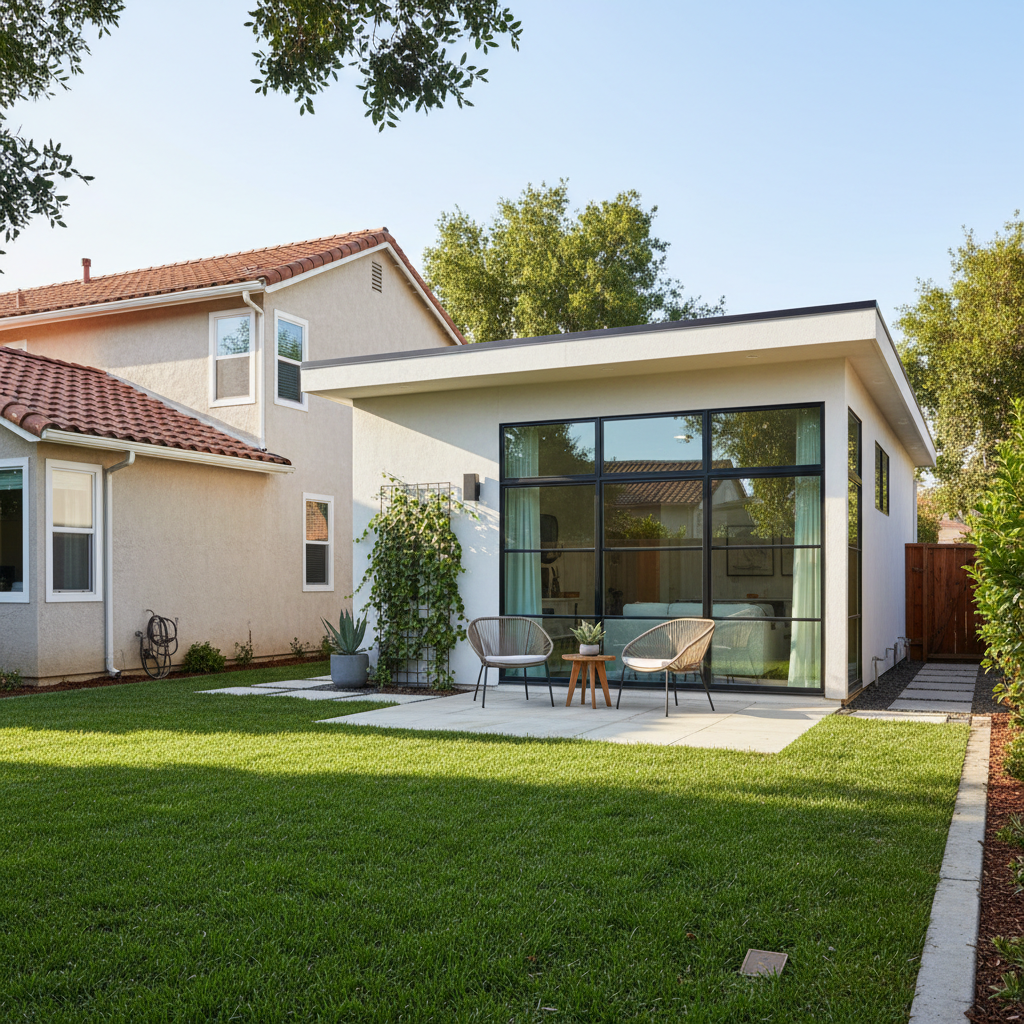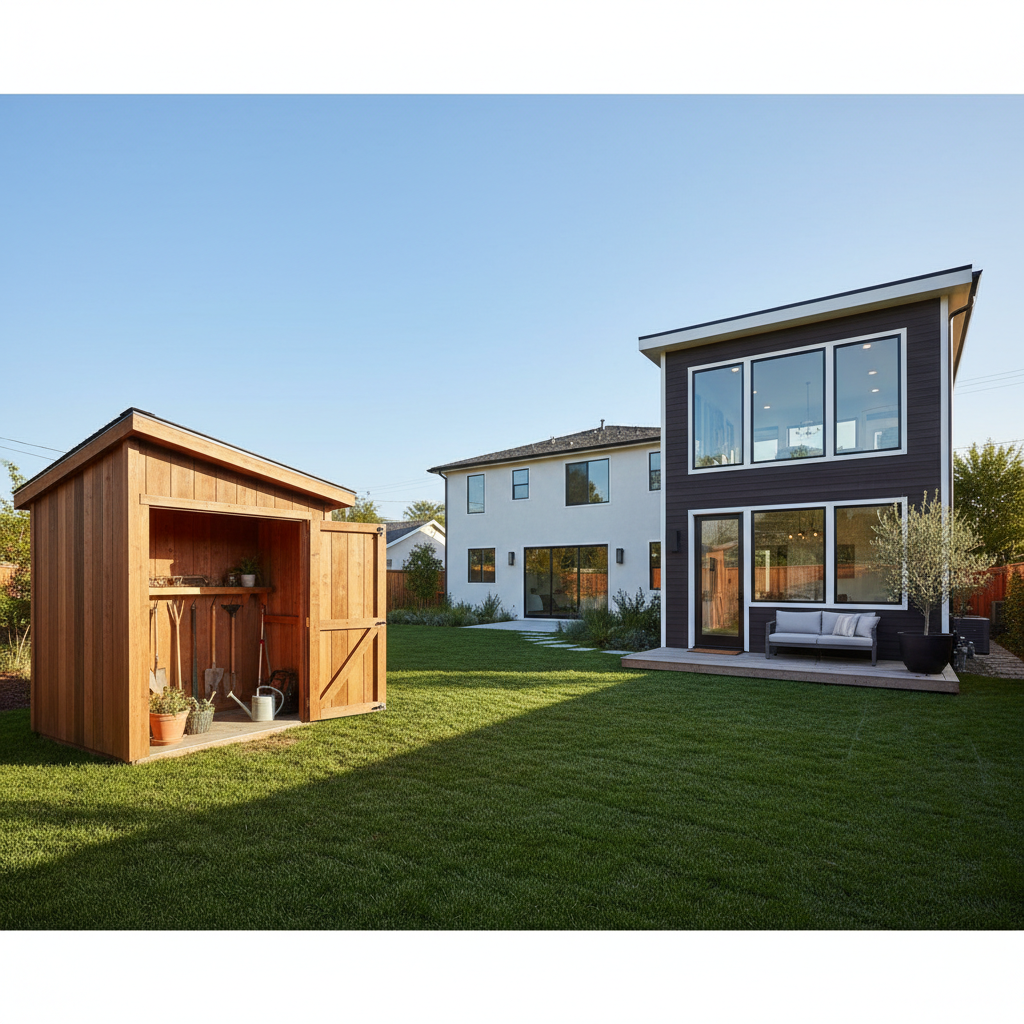
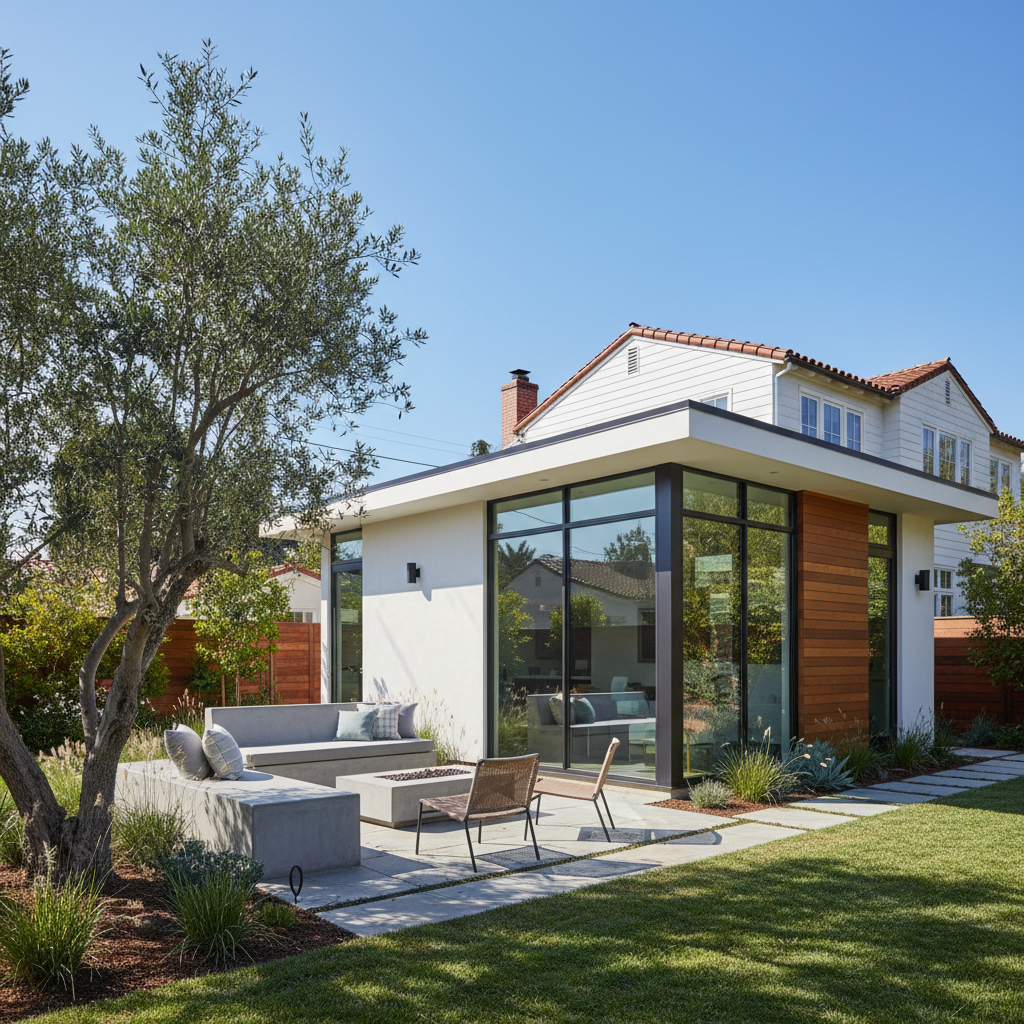
Considering adding a detached Accessory Dwelling Unit (ADU) – often called a granny flat or backyard home – to your California property? It's an excellent way to add value, generate rental income, or provide space for family. However, one of the most common questions homeowners ask is: "What is the maximum size for a detached ADU in California?"
The answer, while seemingly straightforward, involves understanding both statewide mandates and how local jurisdictions interpret and apply these rules. At GatherADU, we help homeowners navigate these complexities every day, ensuring their ADU dreams align with current regulations.
California's Statewide Rule: The 1,200 Square Foot Benchmark
At the heart of California's ADU legislation is a clear directive aimed at encouraging housing development. For a detached ADU, state law specifies a maximum allowable size of 1,200 square feet. This is a crucial number for any homeowner planning a new backyard home.
This 1,200 sq ft limit applies broadly across California, irrespective of the size of your primary dwelling. It's designed to ensure ADUs can be substantial, livable spaces, capable of accommodating multi-generational families or providing comfortable rental units.
- Minimum Size: While focusing on the maximum, it's also worth noting that state law sets a minimum size of 150 square feet for an ADU.
- Bedroom Count: A 1,200 sq ft ADU can comfortably accommodate two or even three bedrooms, offering significant living space.
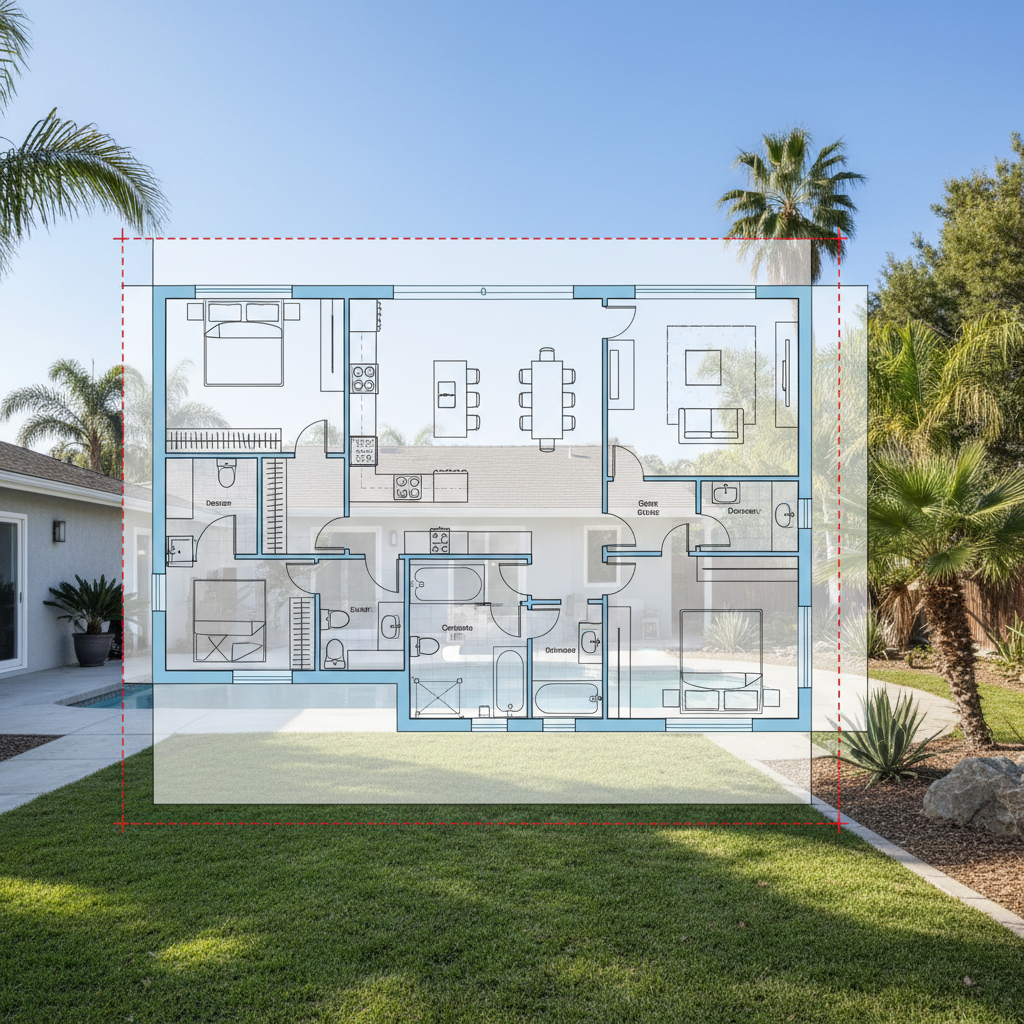
Local Ordinances: Where the Nuance Resides
While the state sets the 1,200 sq ft maximum, it's vital to understand that local city and county ordinances play a significant role. California's ADU laws are designed to preempt overly restrictive local rules. This means local jurisdictions cannot impose a maximum size for a detached ADU that is less than 1,200 square feet. They can, however, allow for larger ADUs under specific circumstances, though 1,200 sq ft remains the widely adopted upper limit.
The intent of state law is to streamline ADU development. If your local city ordinance is silent on detached ADU size or attempts to impose a smaller maximum, the state law (1,200 sq ft) prevails. This is a critical protection for homeowners.
Why Local Rules Still Matter
Even with state preemption, local ordinances often dictate other critical factors that indirectly affect the effective size and feasibility of your detached ADU, such as:
- Height Limits: While state law sets a general height limit of 16 feet for detached ADUs, some local ordinances may allow up to 25 feet or the height of the primary dwelling (whichever is less) under specific conditions, often requiring increased setbacks. More height can mean more usable space, especially for two-story designs.
- Setbacks: State law mandates a minimum 4-foot setback from the side and rear property lines for detached ADUs. Local rules cannot require greater setbacks. Front yard setbacks can vary more significantly by locality.
- Lot Coverage: Many cities have limits on the total percentage of a lot that can be covered by impervious surfaces or structures. This can impact the overall footprint of your ADU, regardless of the 1,200 sq ft maximum.
- Floor Area Ratio (FAR): Some jurisdictions use FAR, which is the ratio of total building floor area to the lot area, to limit overall building density. This can be a factor, especially on smaller lots.
Understanding these local nuances is paramount. Before embarking on your project, it's always best to consult with ADU specialists who are familiar with both state and local regulations.
Curious about how these regulations apply to your specific property? Schedule a free ADU consultation with GatherADU today to get personalized insights and guidance.
Special Considerations for Different Property Types
The 1,200 sq ft maximum generally applies to detached ADUs on single-family residential lots. However, there are slightly different rules for multi-family properties:
- Multi-Family Properties: For lots with existing multi-family dwellings, state law generally allows for up to two detached ADUs. These ADUs are still subject to the 16-foot height limit and 4-foot side/rear setbacks, and often remain within a similar size range, though specific local rules might apply to the total number of units.
- Junior ADUs (JADUs): These are typically smaller (up to 500 sq ft) and located within the existing footprint of a single-family home. While not detached, they represent another option for adding housing units.
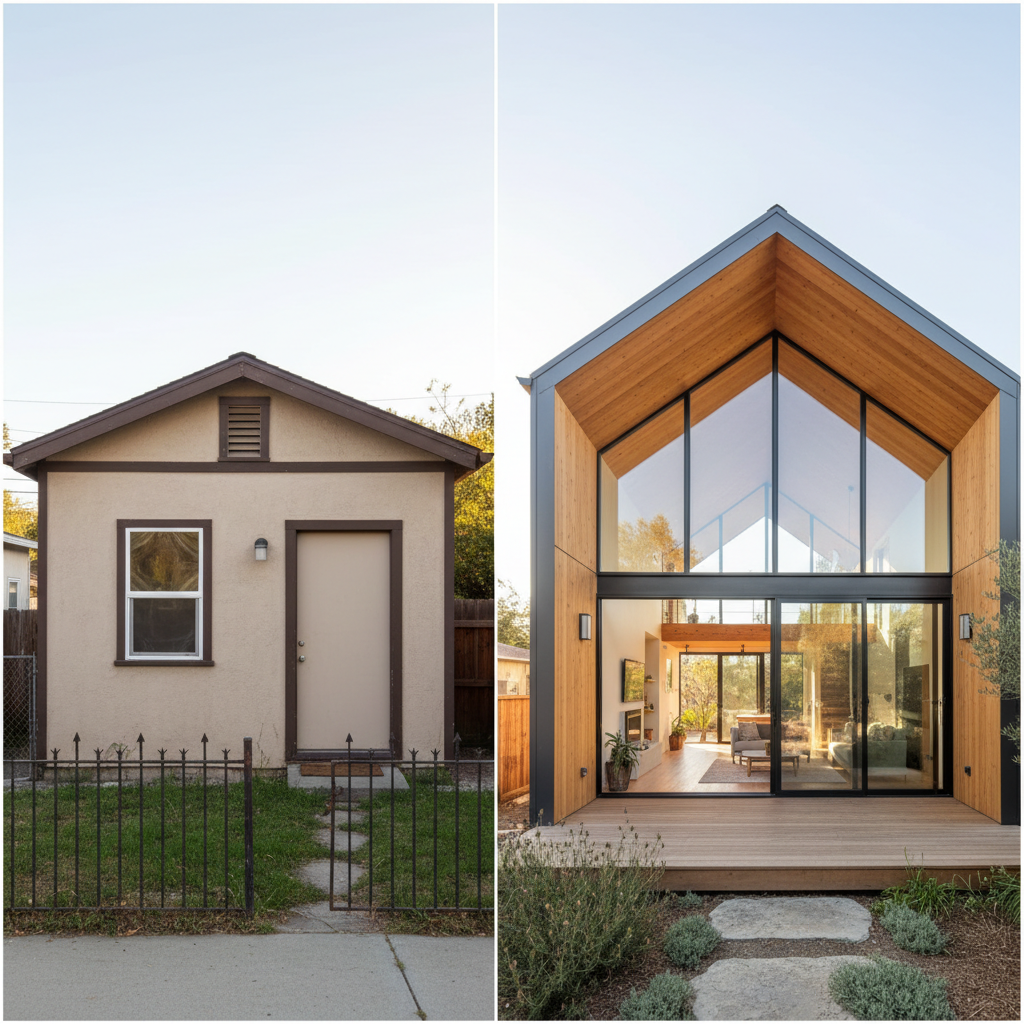
Maximizing Your Detached ADU Space Within Limits
Even with a 1,200 sq ft limit, thoughtful design can make your detached ADU feel incredibly spacious and functional. Here are some design considerations:
- Open Concept Layouts: Combining living, dining, and kitchen areas can create a larger, more fluid feel.
- Vaulted Ceilings: If height limits allow, vaulted ceilings can dramatically increase the sense of space and natural light.
- Ample Windows and Doors: Large windows and sliding glass doors connect indoor and outdoor spaces, making the ADU feel larger and brighter.
- Built-in Storage: Cleverly integrated storage solutions can reduce clutter and maximize usable floor area.
- Outdoor Living Areas: Incorporating decks, patios, or small yards extends the living space outdoors.
Designing an ADU that perfectly fits your needs and adheres to all regulations requires expertise. At GatherADU, our design team specializes in creating efficient, beautiful, and code-compliant backyard homes. Ready to explore your design options? Get your free project estimate and start planning your ideal detached ADU.
California's ADU laws have undergone significant changes in recent years, primarily in response to the state's housing crisis. The goal is to make it easier and more affordable for homeowners to build ADUs, thereby increasing housing stock without requiring new land development. This legislative push emphasizes the statewide importance of ADUs, ensuring that the 1,200 sq ft maximum (and other key provisions) remain consistent protections for homeowners.
Conclusion
In summary, the California detached ADU size limit is generally set at a generous 1,200 square feet by state law. This provides ample space for a comfortable and functional living unit. While local ordinances cannot impose a smaller maximum, they do influence other critical design elements like height, setbacks, and overall lot coverage.
Navigating these regulations can be complex, but with the right guidance, you can confidently plan and build your detached ADU. Understanding these rules from the outset will save you time, money, and potential headaches down the line, ensuring your project is compliant and successful.
Don't leave your ADU project to chance. GatherADU is your trusted partner for designing and building compliant, beautiful, and functional detached ADUs across California. Book a free ADU consultation with GatherADU today to discuss your specific property and project goals!