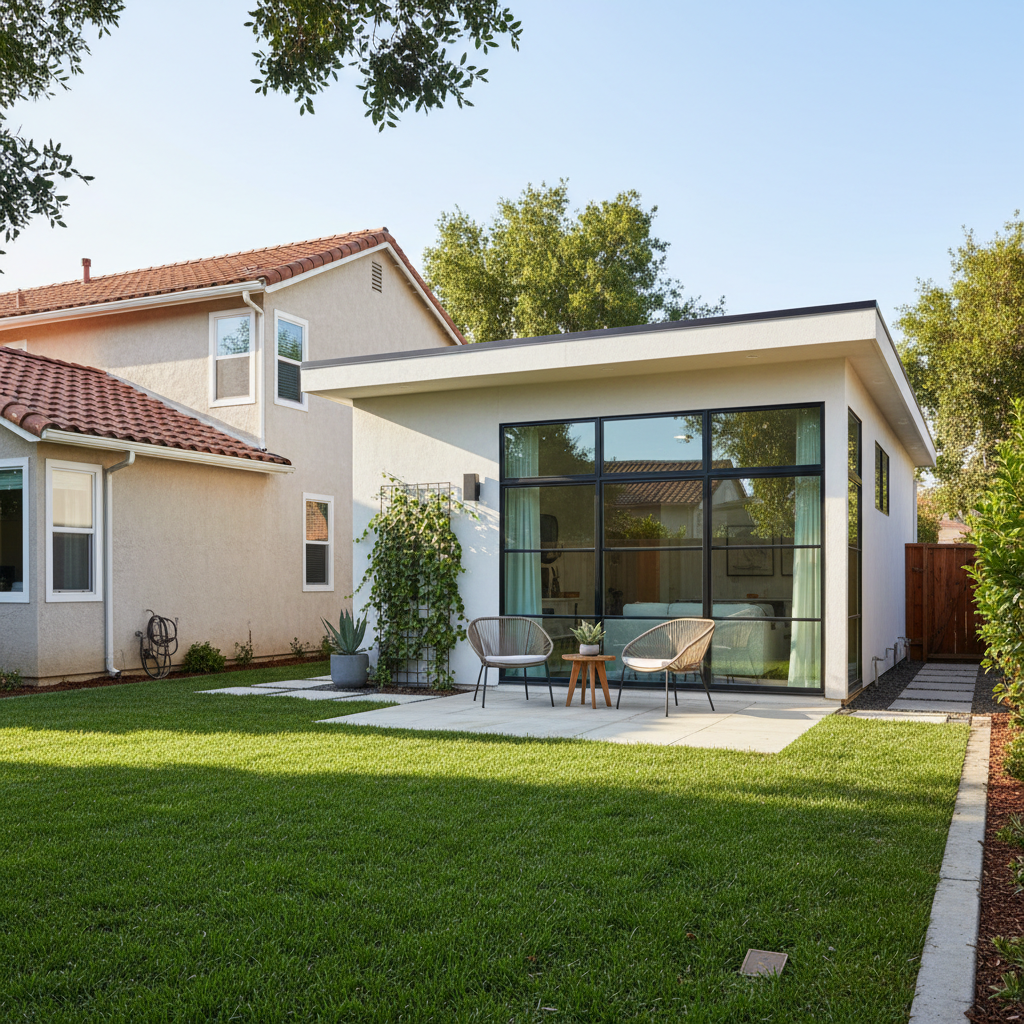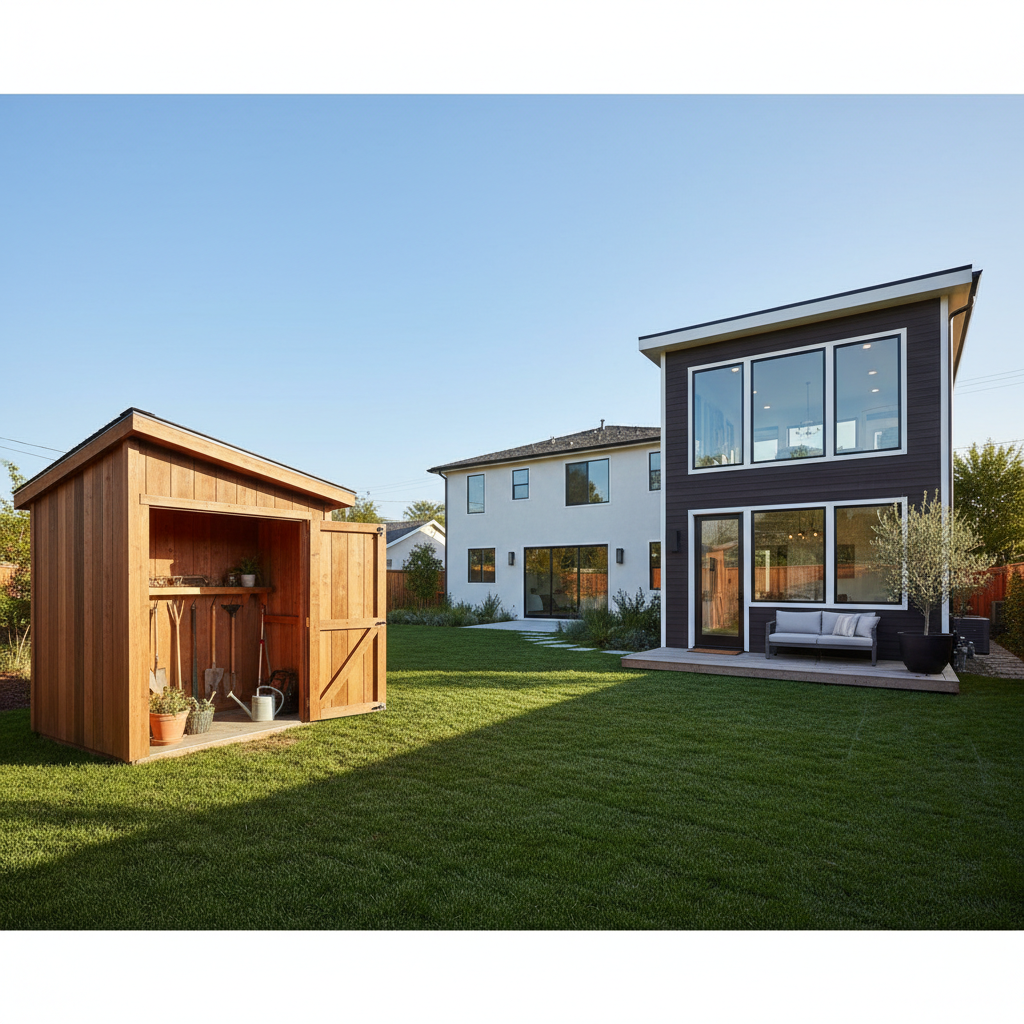
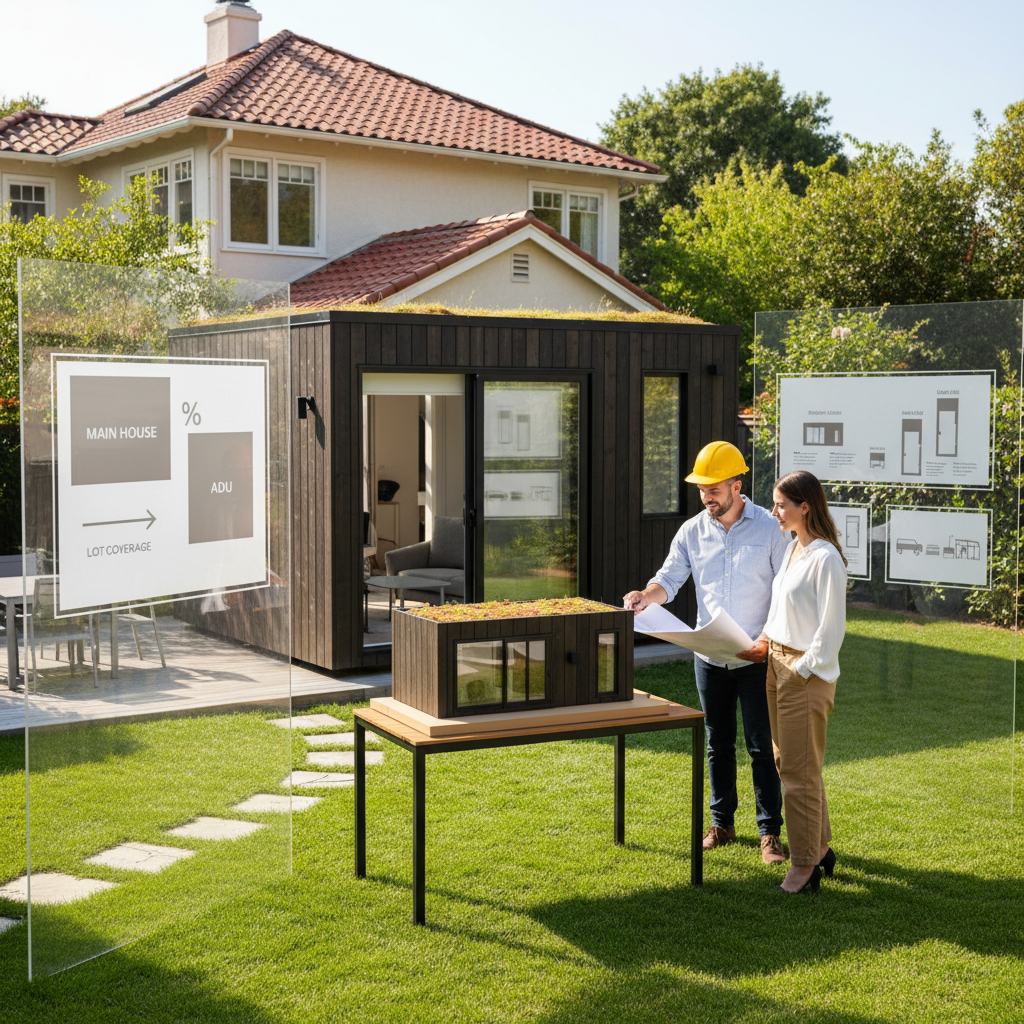
When planning an Accessory Dwelling Unit (ADU) in California, you'll encounter a myriad of terms and regulations, each crucial to your project's success. Among the most important, and often misunderstood, is lot coverage. It's not just a technical term; it's a fundamental zoning principle that can directly determine the size, placement, and even feasibility of your dream backyard home.
For California homeowners looking to add an ADU, understanding lot coverage is paramount. It can feel like navigating a complex maze, but with the right knowledge, you can approach your project with confidence. This comprehensive guide will demystify lot coverage, explain its significance for ADUs, and show you how to work within these regulations to achieve your housing goals.
What Exactly Is Lot Coverage?
At its core, lot coverage refers to the percentage of your total lot area that is covered by structures or impervious surfaces. While the exact definition can vary slightly by jurisdiction, it generally includes:
- Main structures: Your primary residence.
- Accessory structures: Garages, sheds, detached ADUs, carports, and often covered patios.
- Impervious surfaces: Driveways, paved walkways, concrete patios, and other hardscape that prevents water from soaking into the ground.
Think of it as a limit on how much of your property can be built upon or paved over. If your city has a 40% lot coverage limit for your zoning district, it means no more than 40% of your total lot area can be occupied by buildings or hard, non-permeable surfaces.
Why Does Lot Coverage Matter for Your ADU?
Local jurisdictions implement lot coverage regulations for several important reasons, all of which contribute to the overall character and functionality of a neighborhood:
- Preventing Overdevelopment: It ensures that properties maintain a certain amount of open space, preventing lots from becoming overly crowded with structures. This preserves light, air, and privacy for neighbors.
- Stormwater Management: Extensive impervious surfaces contribute to stormwater runoff, which can lead to flooding and pollution. Limiting lot coverage helps promote natural drainage and reduce strain on public infrastructure.
- Maintaining Neighborhood Character: These regulations help preserve the aesthetic and spatial qualities of residential areas, preventing a patchwork of overly dense properties.
- Environmental Considerations: More permeable surfaces allow for better groundwater recharge and support urban green spaces.
California's ADU Laws and Lot Coverage: A Nuanced Relationship
California has aggressively streamlined ADU development with state-level laws designed to override overly restrictive local regulations. This often creates a common misconception that ADUs are entirely exempt from all local zoning rules, including lot coverage. While state law does provide significant flexibility, the reality is more nuanced.
State-Level Protections and Exemptions for ADUs
California state law (Government Code Sections 65852.2 and 65852.22) offers several key provisions that directly impact how lot coverage applies to ADUs:
- No Discretionary Review: Local agencies cannot impose discretionary reviews, such as conditional use permits, on ADUs that meet objective standards.
- Minimum Size Guarantees: State law generally allows for at least one detached ADU of up to 800 square feet, 16 feet in height, and 4-foot side and rear setbacks, regardless of local lot coverage or minimum lot size requirements. Many jurisdictions also allow up to 1,200 square feet for a detached ADU.
- Conversion Exemptions: Converting an existing garage, carport, or other accessory structure into an ADU is often exempt from lot coverage calculations, as the footprint is already established.
This means that for many standard ADU projects, especially smaller ones or conversions, state law will often override local lot coverage limits that might otherwise prevent construction. However, this doesn't mean lot coverage disappears entirely from the equation.
Where Local Lot Coverage Can Still Impact Your ADU
While state law is powerful, local lot coverage rules can still come into play, particularly if you're aiming for a larger or more complex ADU project:
- Larger Detached ADUs: If you want an ADU larger than the state-mandated minimum (e.g., exceeding 800-1,200 sq ft, depending on local interpretation and specific code), local lot coverage limits might restrict its size.
- Multiple ADUs/JADUs: While state law allows for one ADU and one JADU (Junior Accessory Dwelling Unit), and in some cases multiple detached ADUs on multi-family properties, the cumulative impact of these structures on your overall lot coverage could become a factor.
- New Accessory Structures: If you're building a new detached ADU and also planning other new accessory structures (like a shed, large patio cover, or new garage), the combined footprint could push you over local lot coverage limits.
- Impervious Surfaces: Even if your ADU building footprint is compliant, adding extensive new driveways, pathways, or patios to accommodate the ADU could contribute to lot coverage and require careful planning.
It's crucial to remember that while state law sets a baseline, local ordinances fill in the gaps. Cities and counties still have a say in how lot coverage is calculated and applied, especially for projects that go beyond the state's minimum guarantees. This is where professional guidance becomes invaluable. If you're wondering how lot coverage specifically impacts your property, don't hesitate to schedule a free ADU consultation with GatherADU to get expert insights.
Calculating Your Property's Lot Coverage (Simplified)
Understanding the basic calculation can help you visualize your property's potential. While precise calculations require surveying and professional review, here's the general idea:
- Determine Your Total Lot Area: This is the total square footage of your property, usually found on your property deed or a plat map.
- Identify Covered/Impervious Areas: Measure the footprint of all existing buildings (main house, garage, sheds, covered patios) and all impervious surfaces (driveways, concrete patios, paved walkways).
- Sum the Covered Areas: Add up all the square footage from step 2.
- Calculate Percentage: Divide the sum of covered areas by the total lot area, then multiply by 100.
Example:
Total Lot Area: 5,000 sq ft
Existing House Footprint: 1,500 sq ft
Existing Garage Footprint: 400 sq ft
Existing Driveway/Patio: 600 sq ft
Total Covered Area: 1,500 + 400 + 600 = 2,500 sq ft
Lot Coverage: (2,500 / 5,000) * 100 = 50%
If your local zoning allows a maximum of 40% lot coverage, this example property would already be over the limit without even considering a new ADU. This highlights why understanding your current lot coverage is a crucial first step.
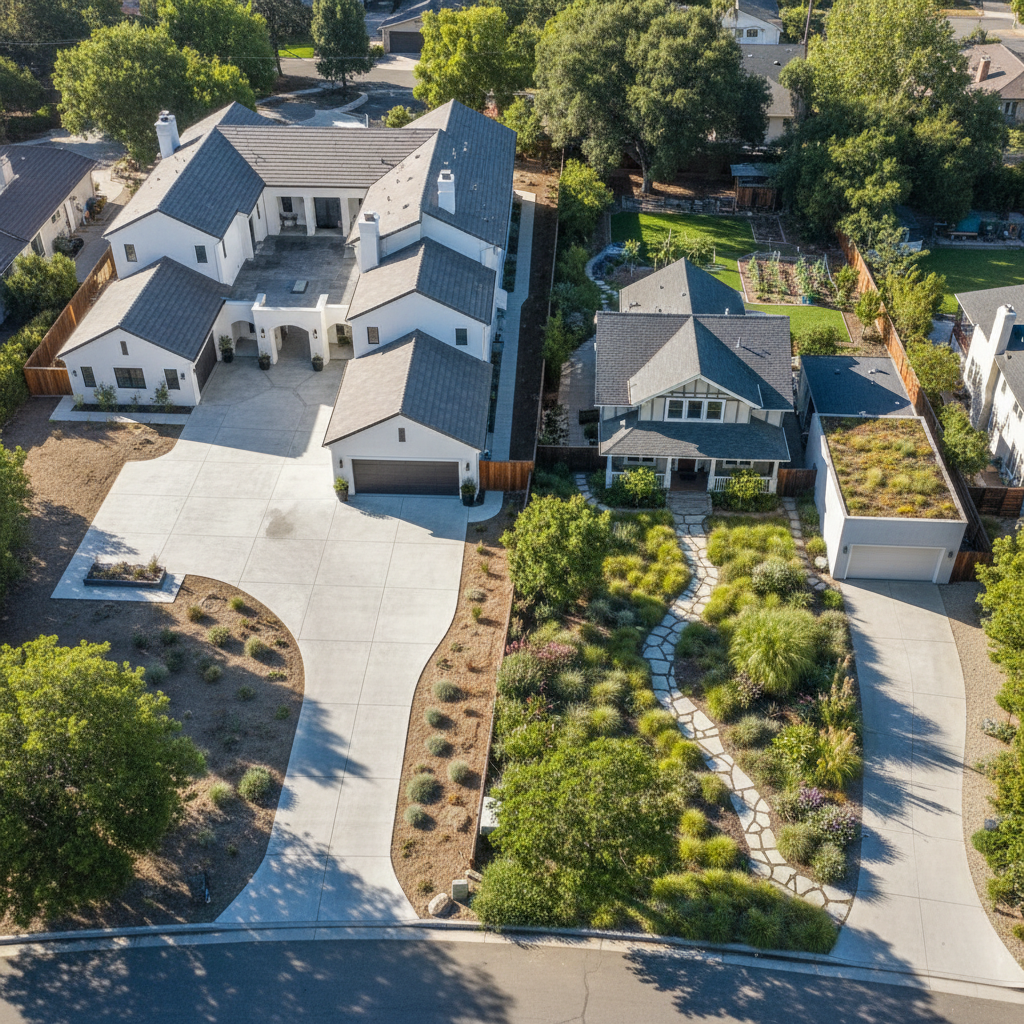
Homeowners often face specific challenges when lot coverage becomes a factor. Here are some common scenarios and how to address them:
1. Small Lots or Already Maxed-Out Properties
Many California properties, especially in older neighborhoods, were built to higher coverage densities before modern zoning or have small lot sizes. If your property is already at or near its maximum lot coverage, adding a new structure can be difficult.
- Solution: Utilize State Exemptions: Remember the state's guaranteed minimums. An 800 sq ft or 1,200 sq ft ADU (depending on local ordinances) with appropriate setbacks might be permissible even if it pushes you over local lot coverage limits, thanks to state preemption.
- Convert Existing Structures: Converting an existing garage or other accessory structure into an ADU is often the best solution, as the footprint is already part of your existing lot coverage.
- Two-Story ADUs: Building upward can be a way to maximize living space without increasing your footprint, thereby not adding to your lot coverage.
2. Existing Impervious Surfaces
Large driveways, expansive concrete patios, or extensive hardscaping can eat into your available lot coverage.
- Solution: Permeable Paving: Consider replacing traditional concrete or asphalt with permeable pavers, gravel, or other porous materials for driveways and patios. Many jurisdictions do not count permeable surfaces towards lot coverage, or count them at a reduced rate, as they allow water to infiltrate the ground.
- Strategic Landscaping: Replace some hardscaping with landscaping, grass, or gardens.
3. Planning for Future Growth (e.g., Pool, Detached Office)
If you plan to add other structures in the future, your ADU's footprint will impact your remaining lot coverage allowance.
- Solution: Master Planning: Work with a design and build firm like GatherADU to create a master plan for your property. This allows you to strategically place your ADU and other potential future structures to remain within lot coverage limits over time.

How GatherADU Navigates Lot Coverage for Your Project
Understanding lot coverage is one thing; successfully applying it to your specific property and project is another. This is where GatherADU's expertise becomes invaluable. As a California-based company specializing in ADU design and build, we are intimately familiar with both state-level ADU laws and the specific nuances of local municipal codes across various jurisdictions.
Our process includes:
- Initial Site Assessment: We analyze your property's specific characteristics, including size, existing structures, and current lot coverage.
- Zoning Code Review: We research the precise lot coverage regulations for your property's zoning district and evaluate how state ADU laws apply to your situation.
- Strategic Design: Our design team leverages this knowledge to create ADU plans that maximize your living space while adhering to all applicable lot coverage and other zoning requirements. This might involve suggesting two-story designs, conversion options, or permeable landscaping solutions.
- Permitting Expertise: We manage the entire permitting process, ensuring your plans are compliant and navigating any challenges related to lot coverage with your local planning department.
Don't let complex regulations deter your ADU dreams. With GatherADU, you have a partner who understands the intricacies of California's ADU landscape, including how to optimize your project within lot coverage constraints. We help homeowners like you turn their vision into a reality, ensuring a smooth and compliant build.
Conclusion
Lot coverage is a vital piece of the ADU puzzle in California, playing a significant role in determining what you can build on your property. While state laws offer considerable flexibility for ADUs, understanding how local lot coverage limits interact with these protections is essential for a successful project.
By defining what lot coverage entails, exploring its purpose, and outlining how it specifically impacts ADUs in the Golden State, we hope to have shed light on this often-confusing topic. Remember, every property is unique, and local regulations can vary. The best way to ensure your ADU project is compliant and maximizes your property's potential is to seek expert guidance.
Ready to explore your ADU possibilities without getting bogged down by regulations? Book a free ADU consultation with GatherADU today. Let our team of experts help you navigate lot coverage and all other aspects of designing and building your perfect backyard home.