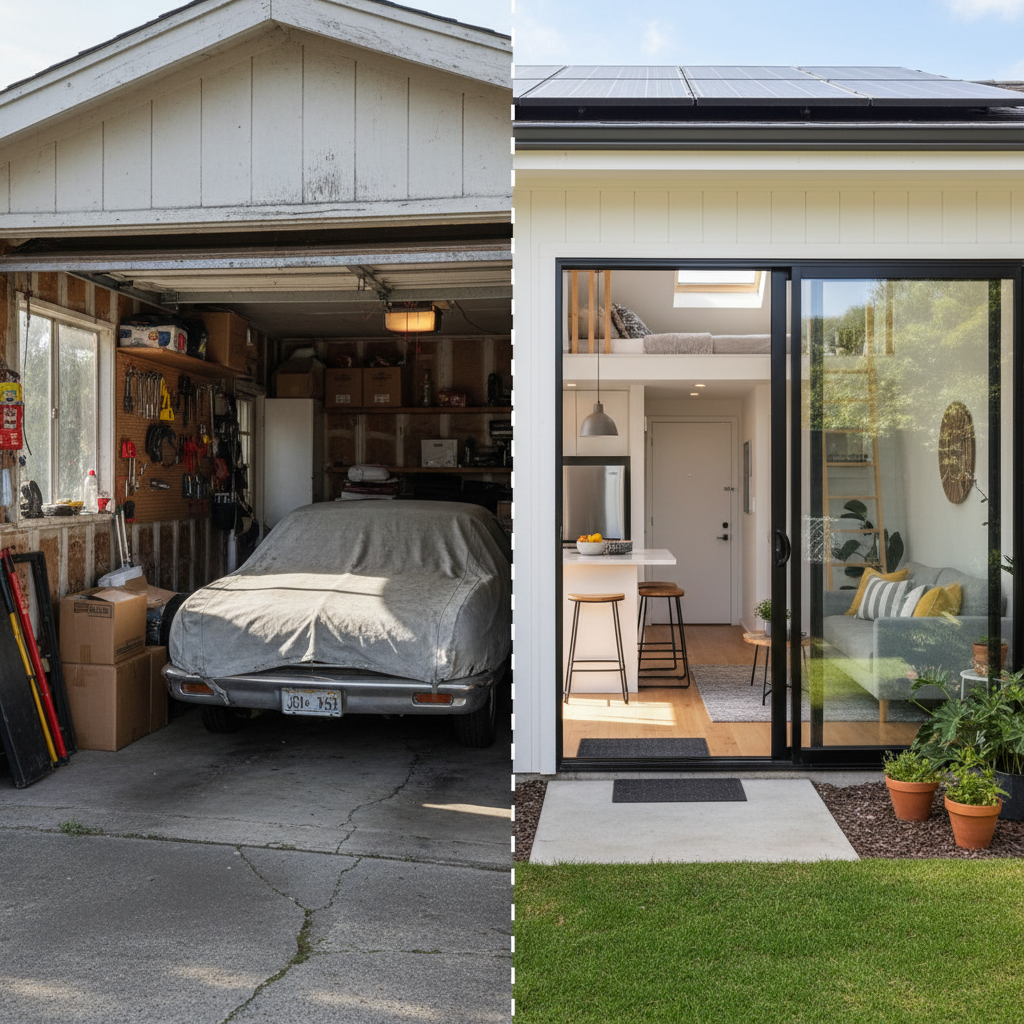
Converting an existing garage into an Accessory Dwelling Unit (ADU) is a fantastic way to add value, generate rental income, or provide space for family in California. However, this popular transformation comes with a critical set of regulations: California’s Title 24 Energy Code. Navigating Title 24 for existing structures, especially when undertaking a Title 24 garage conversion ADU project, is a nuanced process that requires careful planning and expert execution to ensure compliance, avoid costly delays, and maximize energy efficiency.
Unlike building a completely new structure, converting an existing garage means you're working with an unconditioned space that was never designed to be living quarters. This article will demystify the Title 24 requirements specific to garage conversions, outlining the key areas of compliance and explaining why understanding these standards is essential for a successful and energy-efficient ADU.
What is California's Title 24 Energy Code?
California's Title 24, Part 6, also known as the Building Energy Efficiency Standards, is a comprehensive set of regulations designed to reduce California's energy consumption and greenhouse gas emissions. Enforced by the California Energy Commission (CEC), these standards apply to all new construction of residential and non-residential buildings, as well as additions and alterations to existing structures.
The core purpose of Title 24 is to ensure that buildings are designed and constructed to be as energy-efficient as possible, thereby reducing the strain on the state's energy grid, lowering utility bills for occupants, and contributing to a healthier environment. It covers everything from insulation and windows to HVAC systems, water heating, and lighting.
Why Garage Conversions are Different: The "Existing Structures" Nuance
When you convert an existing garage into an ADU, you're not just adding a room; you're transforming an unconditioned, often poorly insulated space, into a habitable, energy-consuming dwelling. Title 24 recognizes this distinction and provides specific pathways for compliance that differ from ground-up new construction.
The primary difference lies in the treatment of existing components. While new construction must meet a very stringent set of standards for every element, garage conversions typically fall under the "alterations" or "additions" sections of the code, which offer a bit more flexibility, particularly if the existing structure cannot reasonably meet all new construction standards without being completely rebuilt. The goal is to significantly improve the energy performance of the converted space without imposing an unreasonable burden.
Performance vs. Prescriptive Compliance
For a Title 24 garage conversion ADU, you typically have two main compliance pathways:
-
Prescriptive Approach: This involves meeting specific, predetermined R-values for insulation, U-factors for windows, and efficiency ratings for equipment. It's straightforward but can be challenging if your existing garage framing or layout makes it difficult to achieve certain prescriptive values.
-
Performance Approach: This is often the preferred method for garage conversions. It involves using specialized energy modeling software (Title 24 energy calculations) to demonstrate that the overall energy consumption of your proposed ADU will not exceed that of a hypothetical "standard design" meeting prescriptive requirements. This allows for trade-offs; for example, if you can't achieve a high R-value in one wall due to structural limitations, you might compensate with more efficient windows or a higher-efficiency HVAC system elsewhere.
Choosing the right compliance path for your garage ADU Title 24 project is crucial and often requires the expertise of an energy consultant or an experienced ADU builder like GatherADU.
Key Areas of Title 24 Compliance for Your Garage ADU
Converting a garage to an ADU means bringing it up to modern energy standards. Here are the critical components that will be scrutinized under Title 24:
1. Insulation (Walls, Ceiling, Floor)
-
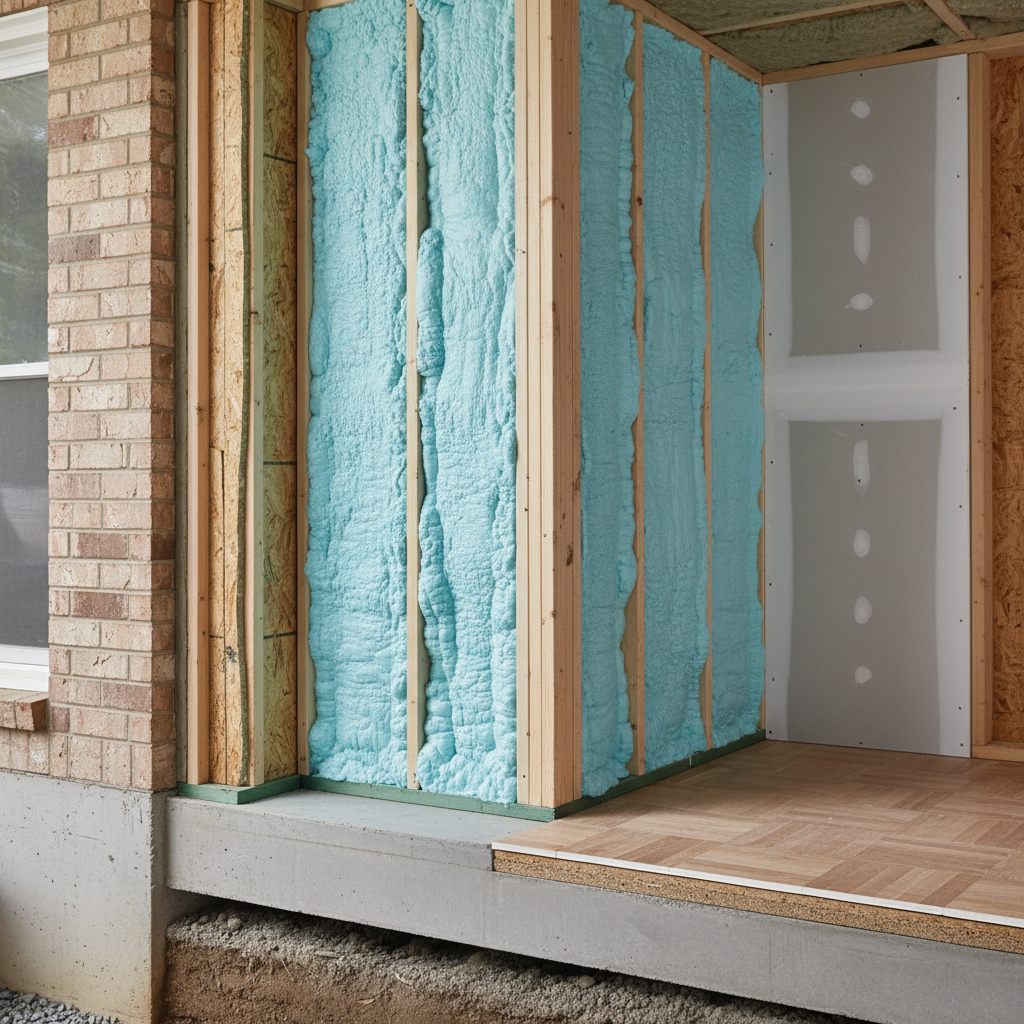
Walls: Garage walls are often uninsulated or minimally insulated. For your ADU, they will need significant upgrades. This might involve adding batt insulation, rigid foam, or spray foam to achieve the required R-values. The performance approach can be particularly useful here if existing framing limits insulation thickness.
-
Ceiling/Roof: If the garage has an attic, insulation will be added to the attic floor. If it's a vaulted ceiling or a flat roof, insulation will need to be installed directly within the roof assembly or on top of it, ensuring proper ventilation and thermal breaks.
-
Floor: If your garage floor is a concrete slab on grade, it may require perimeter insulation to prevent heat loss. If the ADU is built over an unconditioned space (e.g., a crawl space or another garage), the floor will need to be insulated to prevent thermal transfer.
2. Windows and Doors
Old, single-pane garage windows and garage doors are major sources of energy loss. Title 24 mandates high-performance windows and doors for your ADU:
-
Double-Pane, Low-E Glass: All new windows and glass doors must be at least double-pane with a low-emissivity (low-E) coating to reduce heat transfer.
-
U-Factor and SHGC: Windows are rated by their U-factor (how well they insulate) and Solar Heat Gain Coefficient (SHGC, how much solar radiation they block). Your ADU will need windows that meet specific U-factor and SHGC requirements based on your climate zone.
-
Exterior Doors: All exterior doors, including entry doors and any patio sliders, must also meet specific energy performance standards.
3. Heating, Ventilation, and Air Conditioning (HVAC)
A comfortable living space requires proper climate control. For a Title 24 garage conversion ADU, this means:
-
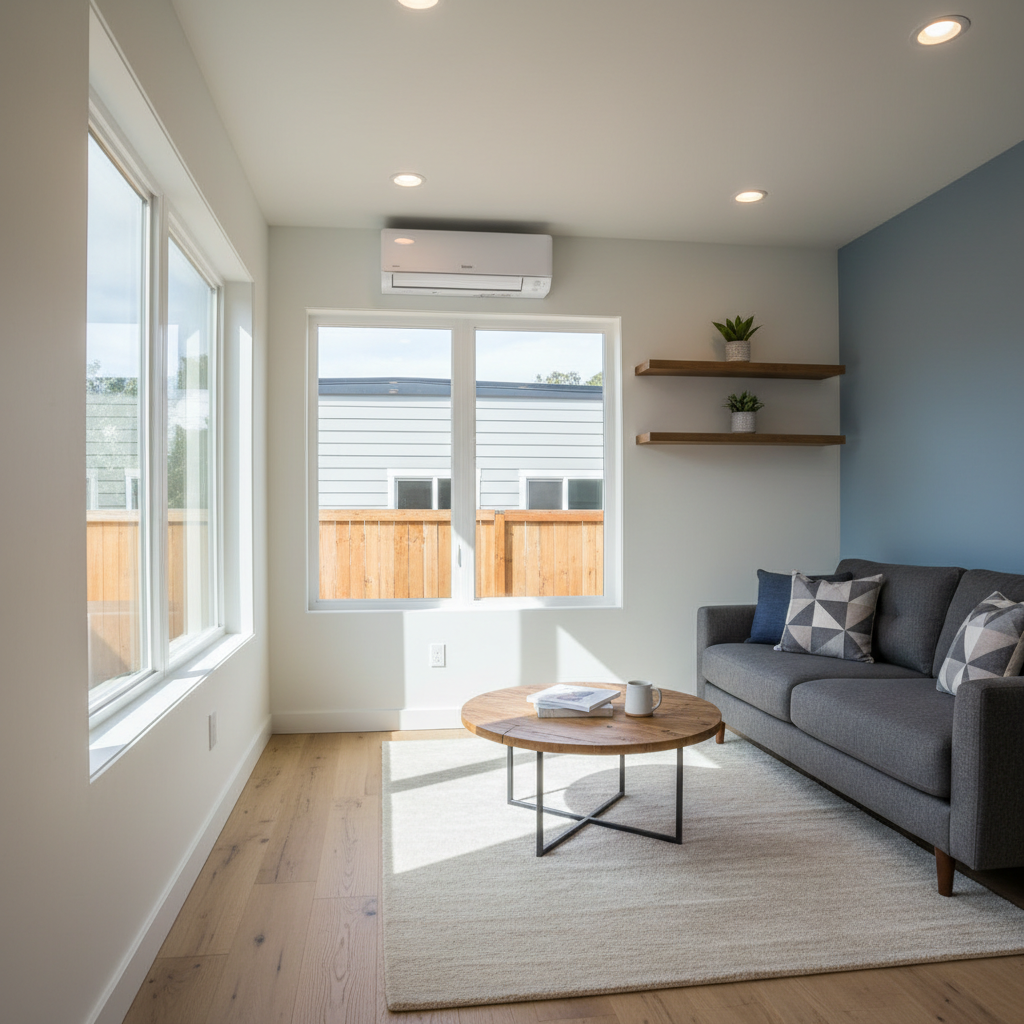
High-Efficiency Systems: New HVAC systems must meet minimum efficiency ratings. Mini-split heat pump systems are a popular and energy-efficient choice for ADUs due to their compact size, ductless operation, and ability to provide both heating and cooling.
-
Proper Sizing: The HVAC system must be correctly sized for the ADU's square footage and thermal load to operate efficiently.
-
Ventilation: Title 24 also requires mechanical ventilation to ensure good indoor air quality. This might include continuously operating exhaust fans or balanced ventilation systems.
4. Water Heating
Water heating is a significant energy consumer. Title 24 encourages and often requires high-efficiency water heaters:
-
Heat Pump Water Heaters (HPWHs): These are highly efficient and are often the preferred choice for new construction and conversions due to their lower energy consumption compared to traditional tank water heaters.
-
Tankless Water Heaters: Gas tankless water heaters are also an option, heating water on demand, which can save energy compared to continuously heating a tank.
5. Lighting
All permanent interior and exterior lighting in your ADU must be high-efficacy, meaning it provides a lot of light for minimal energy. This effectively mandates the use of LED lighting for most applications.
The Compliance Process: What to Expect
Achieving Title 24 garage conversion ADU compliance involves several steps:
-
Energy Calculations: Before submitting your plans for permitting, an energy consultant will perform detailed Title 24 calculations, often using the performance method, to ensure your proposed ADU design meets the energy code.
-
Plan Review: The local building department will review these calculations along with your architectural plans to verify compliance.
-
Inspections: During construction, various inspections will occur to ensure that insulation, windows, HVAC systems, and other components are installed according to the approved plans and meet Title 24 standards.
Working with experienced professionals is key to navigating this process smoothly. If you're ready to explore your ADU possibilities and understand the specific Title 24 requirements for your property, consider reaching out. GatherADU offers free consultations to help you get started.
Common Challenges and How to Overcome Them
Converting a garage to an ADU isn't without its hurdles, especially concerning Title 24:
-
Limited Wall Cavity Depth: Older garage studs (e.g., 2x4s) may not allow for sufficient insulation thickness to meet modern R-values prescriptively. The performance approach or adding exterior rigid insulation can be solutions.
-
Slab Insulation: Retrofitting slab insulation can be costly and complex. Careful planning and potentially using the performance approach to offset this with other energy improvements are vital.
-
Existing Electrical Panel Capacity: While not directly Title 24, upgrading to modern energy-efficient appliances and HVAC can sometimes necessitate an electrical panel upgrade, which should be factored into your budget.
-
Cost Implications: Meeting Title 24 standards often means investing in higher-quality materials and systems. While this increases upfront costs, it leads to significant long-term energy savings and a more comfortable, valuable ADU.

Why Partnering with GatherADU Makes a Difference
The complexities of Title 24, particularly for a Title 24 garage conversion ADU, underscore the importance of working with a knowledgeable and experienced ADU specialist. GatherADU has extensive expertise in California's building codes and energy efficiency standards.
Our team understands the nuances of converting existing structures and can guide you through every step, from initial design and energy calculations to permitting and construction. We ensure your ADU not only meets but often exceeds Title 24 requirements, providing you with an energy-efficient, comfortable, and legally compliant living space. By partnering with us, you can transform your garage with confidence, knowing that all regulatory hurdles are expertly managed.
Don't let the intricacies of Title 24 deter you from your ADU dreams. With the right team, achieving compliance is a straightforward part of creating a beautiful and functional backyard home. To learn more about how GatherADU can simplify your project and ensure your garage ADU Title 24 compliance, request a free project estimate today.
Conclusion
Title 24 is a fundamental aspect of any ADU project in California, and its application to garage conversions requires specific attention. By understanding the key areas of compliance—insulation, windows, HVAC, water heating, and lighting—and leveraging the flexibility of the performance approach, you can successfully transform your garage into an energy-efficient ADU that meets state regulations. While it adds a layer of complexity, adhering to Title 24 ultimately results in a more sustainable, comfortable, and cost-effective living space. Partnering with experts like GatherADU ensures your project is compliant, efficient, and stress-free. Ready to take the next step towards your dream ADU? Book your free ADU consultation with GatherADU and let us help you navigate the journey.