In the world of construction, some components work tirelessly behind the scenes, their importance often overshadowed by the more visible elements of a building. For an Accessory Dwelling Unit (ADU) in California, one such critical component is the anchor bolt. These unassuming fasteners are the vital link that connects your entire ADU structure firmly to its concrete foundation, a connection that is absolutely non-negotiable for safety, structural integrity, and long-term durability, especially in a seismically active region like California.
At GatherADU, we understand that building a resilient and code-compliant backyard home starts from the ground up. This article will delve deep into what anchor bolts are, why they are indispensable for your ADU, the various types used, the precision required for their installation, and how they contribute to the overall safety and longevity of your investment.
What Exactly Are Anchor Bolts? The Unsung Heroes of ADU Stability
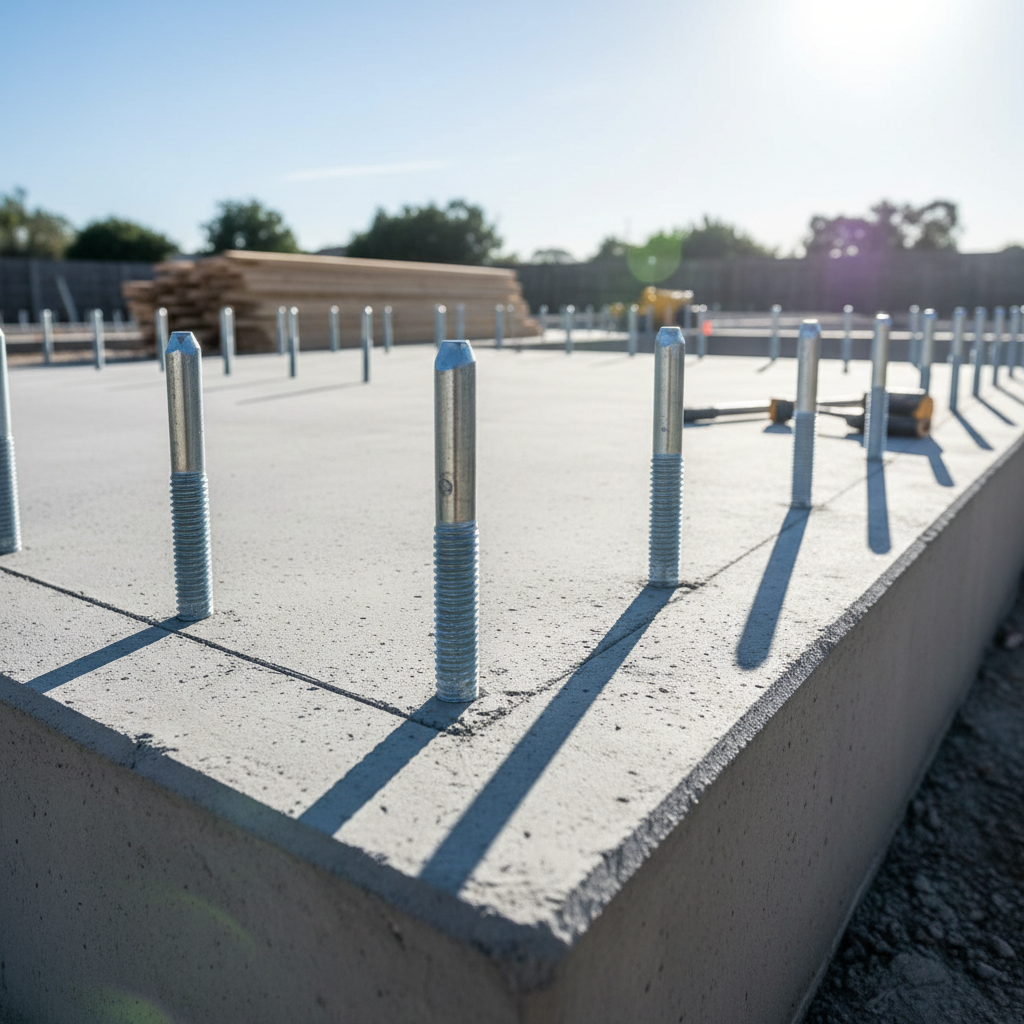
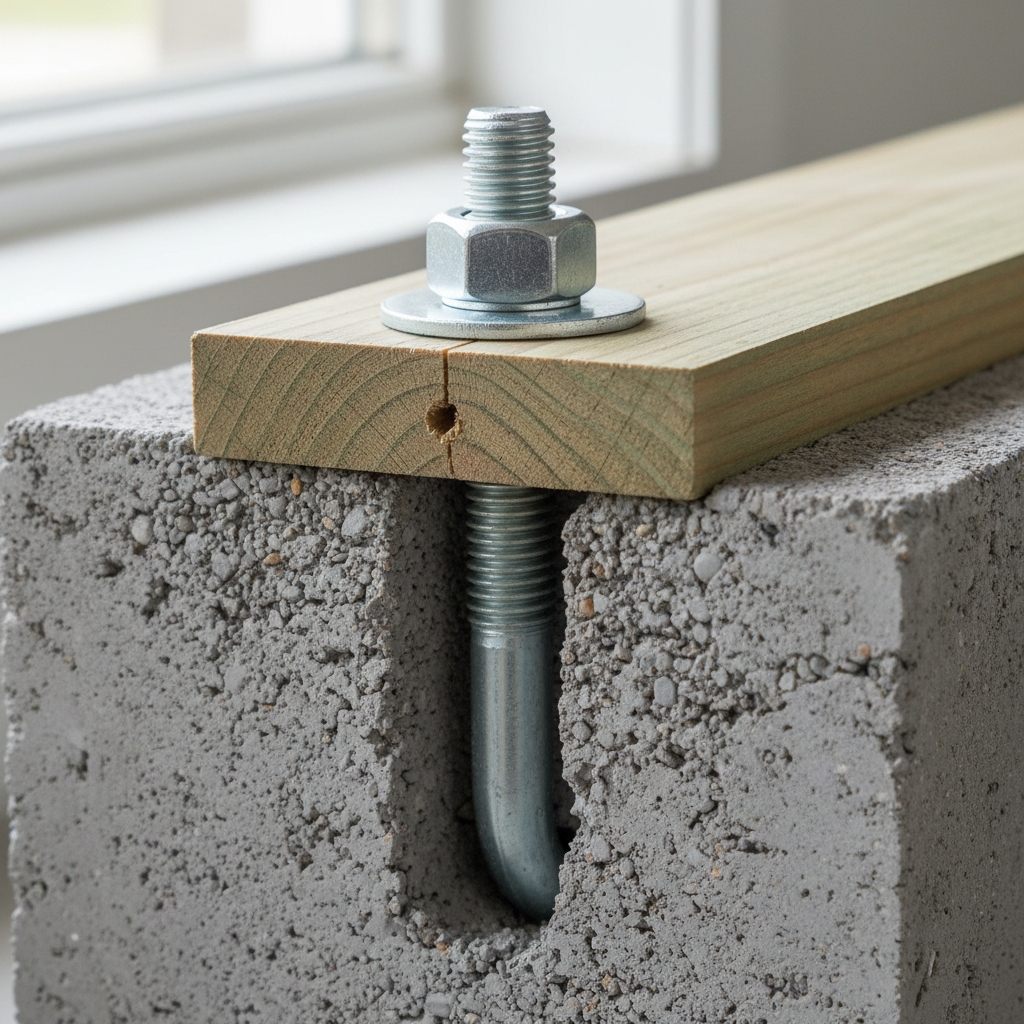
Simply put, an anchor bolt is a metal fastener designed to attach structural elements to concrete. In ADU construction, their primary role is to secure the building's sill plate (the lowest wooden framing member) directly to the concrete foundation. Without this robust connection, the framed structure of your ADU would merely rest on the foundation, susceptible to shifting, lifting, or sliding off during events like earthquakes or high winds.
Typically made from steel, often galvanized for corrosion resistance, anchor bolts come in various diameters and lengths, chosen based on the specific structural loads and local building codes. Their design allows them to be embedded deep into the concrete, creating a strong, mechanical bond that resists forces attempting to separate the ADU from its base.
Why Anchor Bolts Are Non-Negotiable for Your California ADU
For any structure, but particularly for ADUs in California, the importance of properly installed ADU anchor bolts cannot be overstated. Here's why they are absolutely essential:
Seismic Safety: Protecting Against Earthquakes
California is synonymous with seismic activity. Earthquakes generate immense lateral (side-to-side) and uplift forces that can severely challenge a building's connection to its foundation. Anchor bolts are specifically engineered to counteract these forces, preventing the ADU's framed structure from sliding off, lifting up, or experiencing catastrophic failure during a tremor. They ensure that the entire building moves as a unified unit with the ground, rather than separating into independent components.
Wind Resistance: Standing Strong Against the Elements
Beyond seismic events, anchor bolts also play a crucial role in protecting your ADU from high winds. Strong gusts can create significant uplift forces on a roof and walls, attempting to lift the entire structure off its foundation. A properly anchored ADU is far more resistant to wind damage, safeguarding your property and ensuring the safety of its occupants.
Structural Integrity and Longevity
Even without extreme events, anchor bolts contribute to the everyday structural integrity of your ADU. They maintain the precise alignment of the building, preventing subtle shifts over time that could lead to cracks in walls, misaligned doors and windows, or other structural deficiencies. This foundational stability translates directly into a longer-lasting, more resilient home.
Building Code Compliance
In California, strict building codes, particularly the California Building Code (CBC), mandate specific requirements for foundation anchorage. These codes are developed with seismic safety as a paramount concern. Proper anchor bolt installation is not just good practice; it's a legal requirement to obtain permits and pass inspections for your ADU project.
Types of Anchor Bolts Used in ADU Construction
While the fundamental purpose of anchor bolts remains consistent, several types are commonly employed in ADU construction, each with specific applications and advantages:
1. Cast-in-Place (Pre-Pour) Anchors
These are the most common type for new foundation construction. They are set into the wet concrete before it cures. The most prevalent forms are:
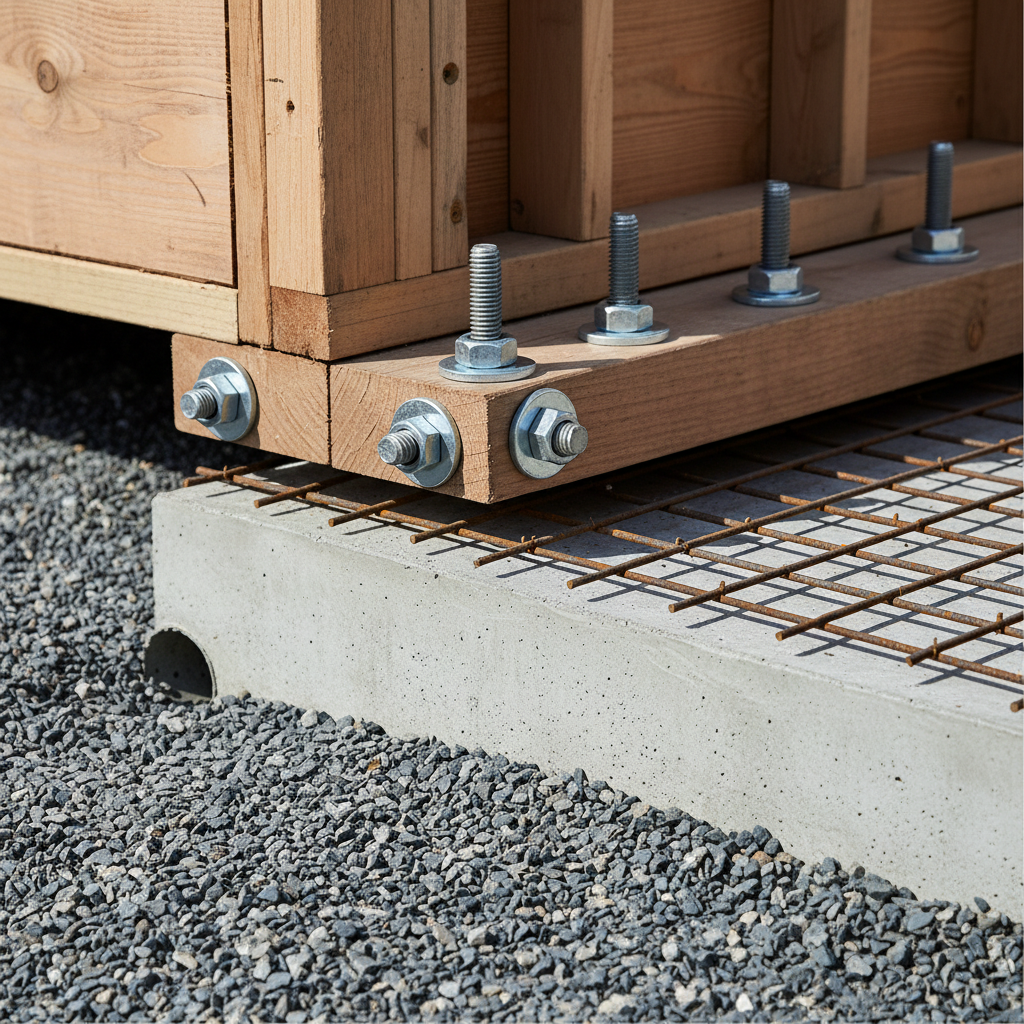
- J-Bolts and L-Bolts: These are steel rods with a bent end (J or L shape) that provides mechanical anchorage within the concrete. The straight end, often threaded, extends above the foundation to accept a nut and washer, securing the sill plate. They are embedded deep enough to ensure a strong grip once the concrete hardens.
- Headed Bolts (or Foundation Bolts): Similar to J-bolts, but instead of a bend, they have a forged head at the embedded end, acting as a secure anchor point within the concrete. These are often preferred for their predictable embedment depth and strength.
The primary advantage of cast-in-place anchors is their direct bond with the concrete, offering superior strength when installed correctly.
2. Post-Installed Anchors
These anchors are installed into hardened concrete, typically when cast-in-place options are not feasible, for corrections, or in retrofit situations. They require drilling a hole into the cured concrete.
- Mechanical Anchors (Wedge Anchors, Sleeve Anchors): These work by expanding within a drilled hole, creating friction and a mechanical interlock with the concrete. Wedge anchors, for example, have an expansion clip that wedges against the concrete as the nut is tightened.
- Epoxy Anchors (Chemical Anchors): These involve drilling a hole, filling it with a specialized epoxy resin, and then inserting a threaded rod or rebar. The epoxy creates a powerful chemical bond with the concrete and the anchor, often providing very high load capacities. They are excellent for seismic applications when installed correctly.
While post-installed anchors can be highly effective, their strength is heavily dependent on the quality of the drilling, hole cleaning, and proper application of the anchoring agent.
The Installation Process: Precision is Paramount
The effectiveness of ADU foundation anchor bolts relies entirely on precise installation. Even the strongest bolt will fail if not properly placed and secured.
For Cast-in-Place Anchors:
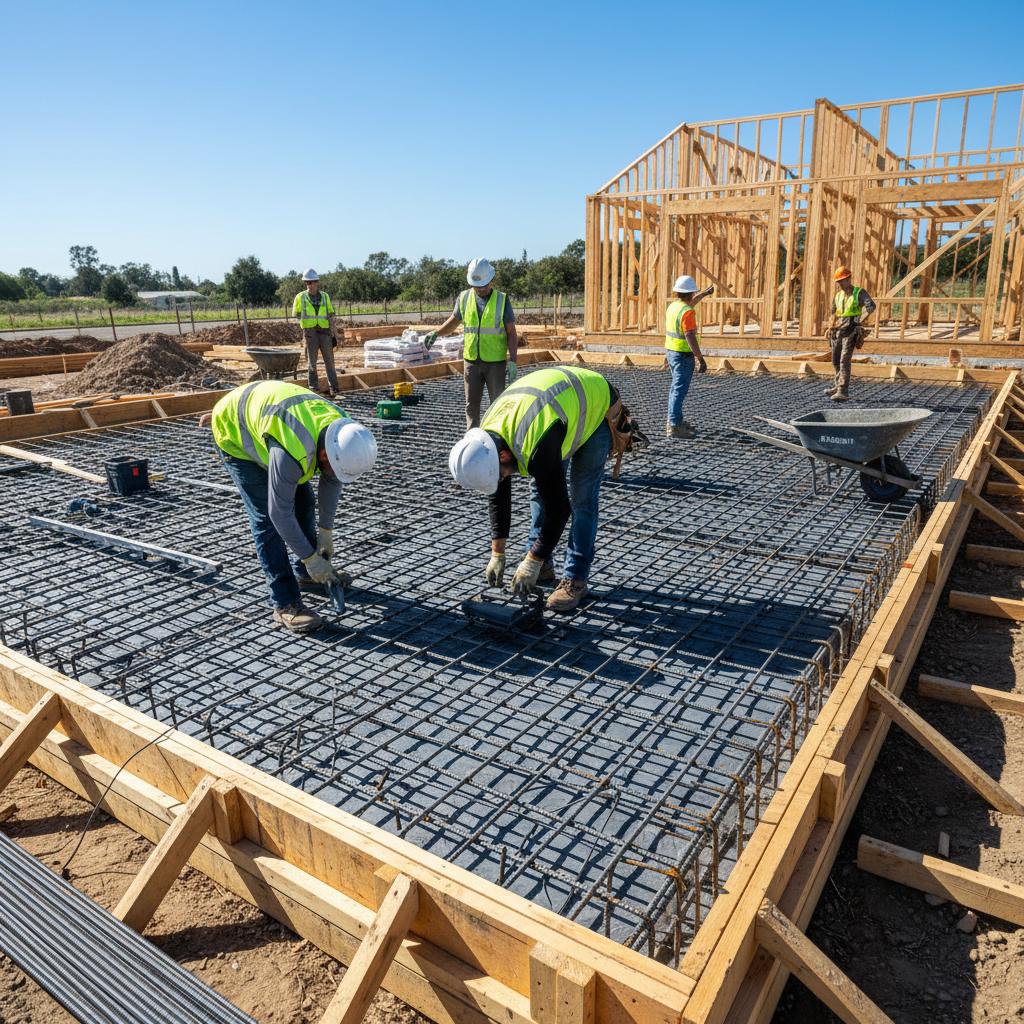
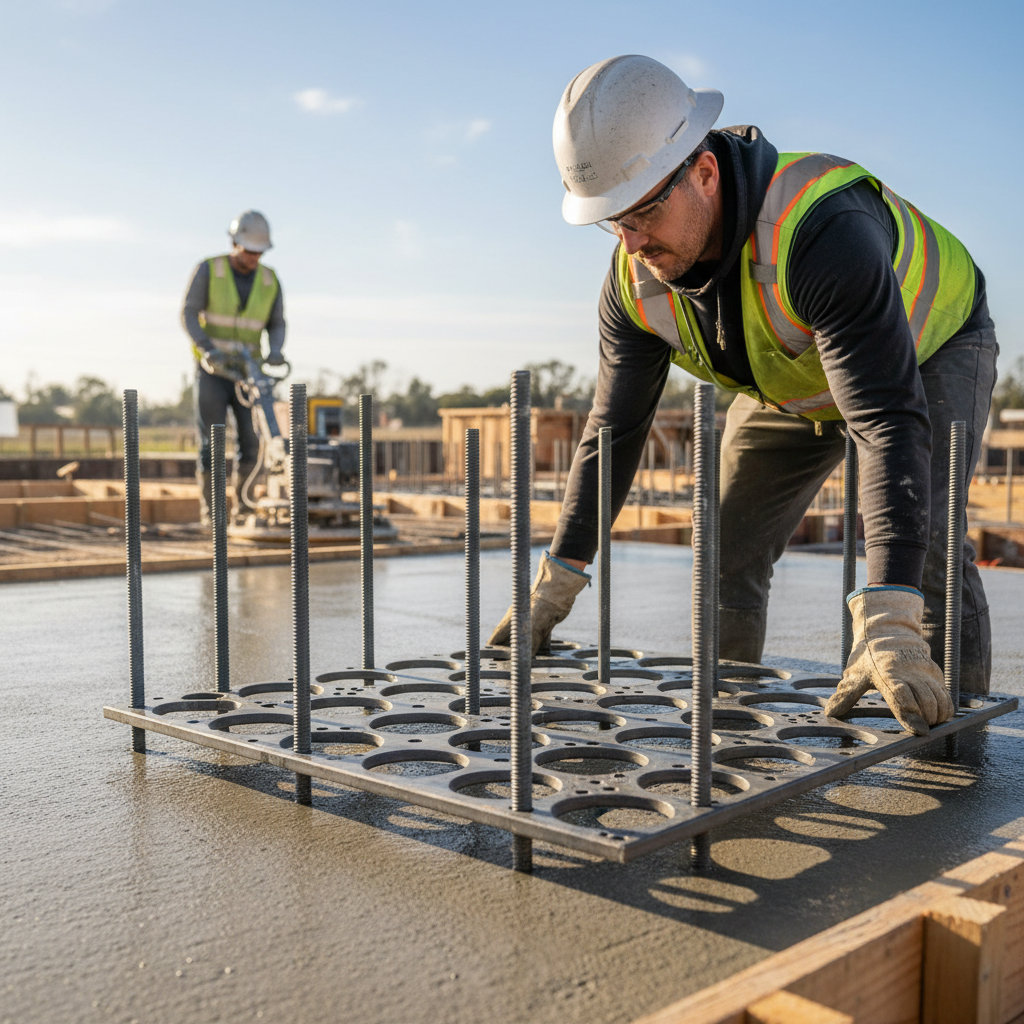
- Planning and Layout: Before the concrete pour, the location of each anchor bolt is meticulously marked according to the structural plans. Spacing, distance from edges, and proximity to corners are critical and dictated by engineering specifications and code.
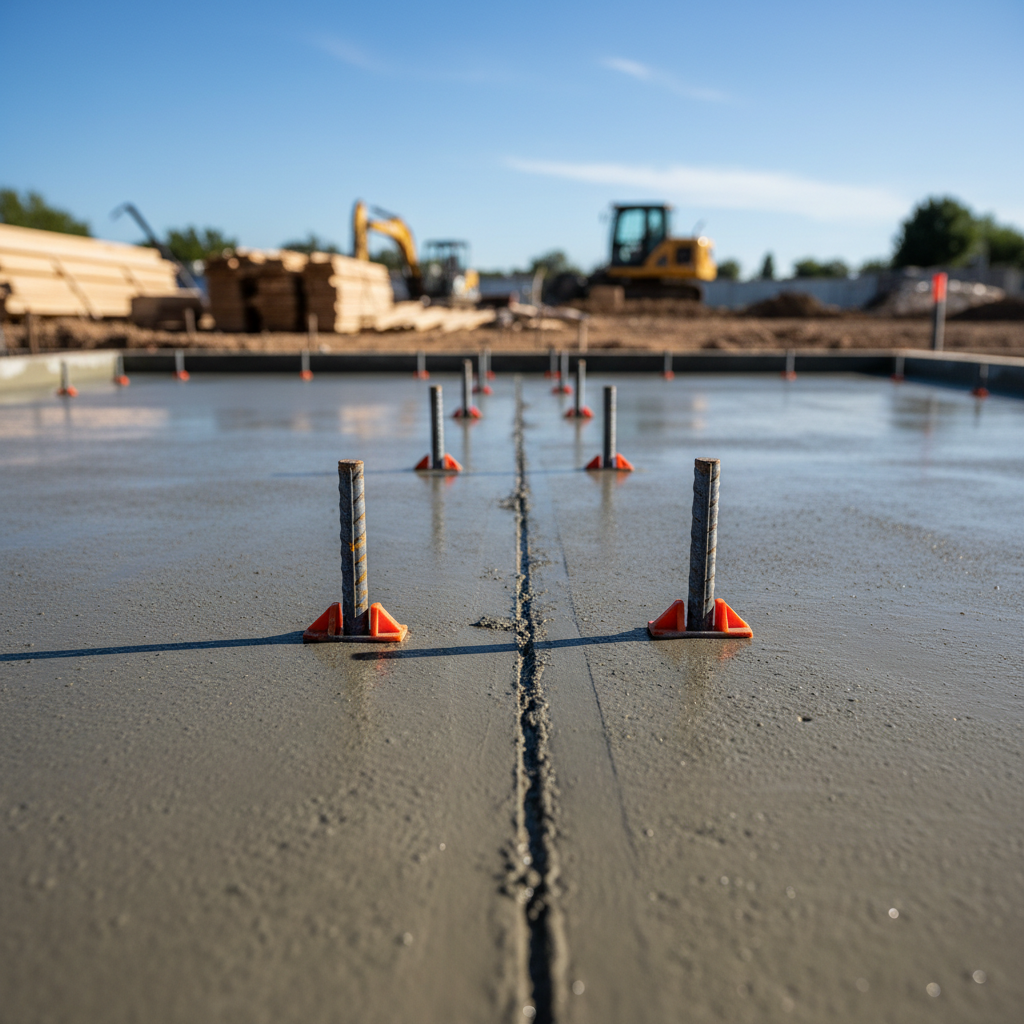
- Setting the Bolts: Anchor bolts are typically held in place by a wooden template or jig above the formwork, ensuring they are perfectly vertical, at the correct height, and in the exact specified locations. The bent or headed end must be fully embedded within the concrete.
- Concrete Pour and Curing: As the concrete is poured, care is taken not to dislodge the bolts. Once the concrete cures, the bolts are permanently fixed.
For Post-Installed Anchors:
- Drilling: Holes are drilled into the hardened concrete at the specified locations, using the correct diameter drill bit and to the precise embedment depth. Dust and debris must be thoroughly removed from the hole.
- Insertion: For mechanical anchors, the bolt is inserted and tightened to achieve the required torque, expanding it within the hole. For epoxy anchors, the epoxy is injected into the clean hole, and the threaded rod is then inserted and allowed to cure for the manufacturer's specified time.
Regardless of the type, strict adherence to engineered plans, manufacturer instructions, and building codes is essential. Inspectors will verify proper installation before framing can proceed.
Navigating California's Building Codes and Seismic Requirements
California's building codes are among the most stringent in the nation, particularly concerning seismic design. When it comes to ADU anchor bolts, these codes specify:
- Size and Diameter: Minimum bolt diameter (e.g., 1/2 inch, 5/8 inch) based on wall shear loads.
- Spacing: Maximum spacing between anchor bolts along the sill plate (e.g., 6 feet on center), with closer spacing often required near corners or in areas of higher stress.
- Embedment Depth: The minimum depth an anchor bolt must be embedded into the concrete foundation to achieve its rated strength.
- Edge Distance: Minimum distance from the edge of the foundation to prevent concrete breakout.
- Washers and Nuts: Specific types and sizes of washers (e.g., square or plate washers) and nuts to ensure proper load distribution and tightening.
These requirements are not arbitrary; they are the result of extensive engineering research and lessons learned from past seismic events. A structural engineer plays a crucial role in designing the foundation and specifying the exact anchor bolt schedule for your ADU, ensuring full compliance with the California Building Code.
Common Pitfalls and How GatherADU Ensures Structural Soundness
Despite their critical role, anchor bolt installation can be prone to errors if not handled by experienced professionals:
- Improper Embedment: Bolts not embedded deeply enough will not achieve their design strength.
- Incorrect Spacing or Placement: Bolts too far apart, too close to corners, or too near the edge can compromise the connection.
- Damage During Construction: Bolts can be bent, dislodged, or covered during concrete pouring if not properly secured.
- Corrosion: Using non-galvanized bolts in damp environments can lead to rust and weakening over time.
At GatherADU, our commitment to quality and safety means we meticulously plan and execute every aspect of your ADU's foundation. Our experienced teams and network of structural engineers ensure that anchor bolt placement, type, and installation adhere strictly to California's rigorous building codes and engineering specifications. We utilize precise templates, conduct thorough inspections, and employ skilled craftspeople to guarantee a foundation that is not just compliant, but genuinely robust and safe.
Ready to build a safe, code-compliant ADU with confidence? Schedule a free design consultation with GatherADU today.
Beyond the Bolt: A Holistic Approach to ADU Foundation
While anchor bolts are vital, it's important to remember they are one component of a larger, integrated foundation system. The strength of the concrete mix, the proper placement of rebar (reinforcing steel), adequate drainage, and a well-prepared sub-grade all contribute to the overall stability and longevity of your ADU. GatherADU takes a holistic approach, ensuring that every element of your foundation is designed and constructed to the highest standards, providing a solid base for your new backyard home.
Conclusion
Anchor bolts may be out of sight once your ADU is complete, but their role in connecting your structure to its foundation is absolutely fundamental. They are the unsung heroes providing seismic resilience, wind resistance, and overall structural integrity, ensuring your California ADU is a safe, durable, and lasting investment. Understanding their importance and ensuring their proper installation is key to building a high-quality ADU.
Don't leave the structural integrity of your ADU to chance. Partner with GatherADU for a home built on a foundation of excellence and safety. Book your complimentary ADU consultation and take the first step towards your secure backyard home.