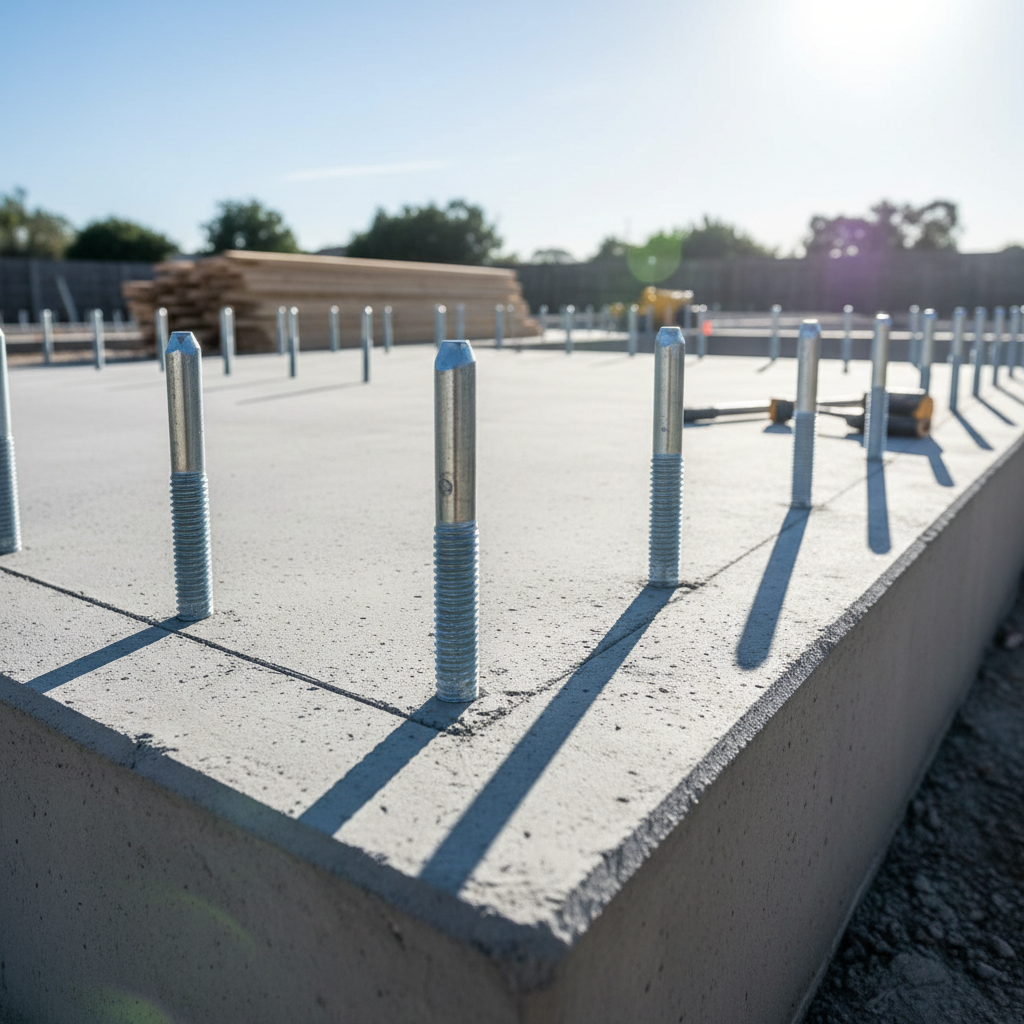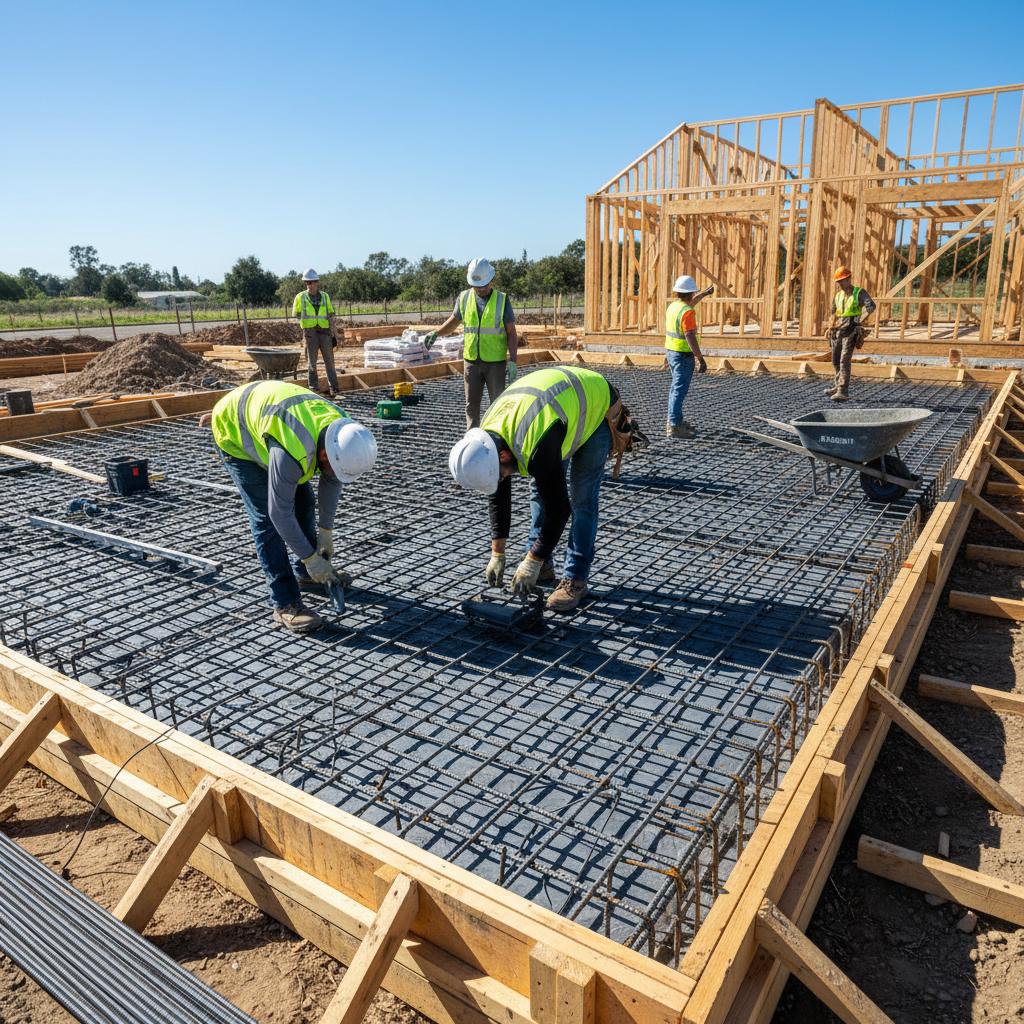
When planning your Accessory Dwelling Unit (ADU) in California, you're likely focused on design, permits, and interior finishes. However, the true strength and longevity of your backyard home begin with its foundation. A critical, yet often unseen, component in this foundational work is the dowel bar. These unassuming steel rods play a pivotal role in ensuring the durability and stability of your ADU's concrete slab and foundation, preventing common issues like cracking and uneven settlement.
Understanding the function of a dowel bar in ADU foundation and slab work is essential for any homeowner looking to build a resilient and lasting structure. In this comprehensive guide, we'll delve into what dowel bars are, how they differ from other reinforcement, why they are indispensable for ADU construction, and the best practices for their installation.
What Exactly Is a Dowel Bar?
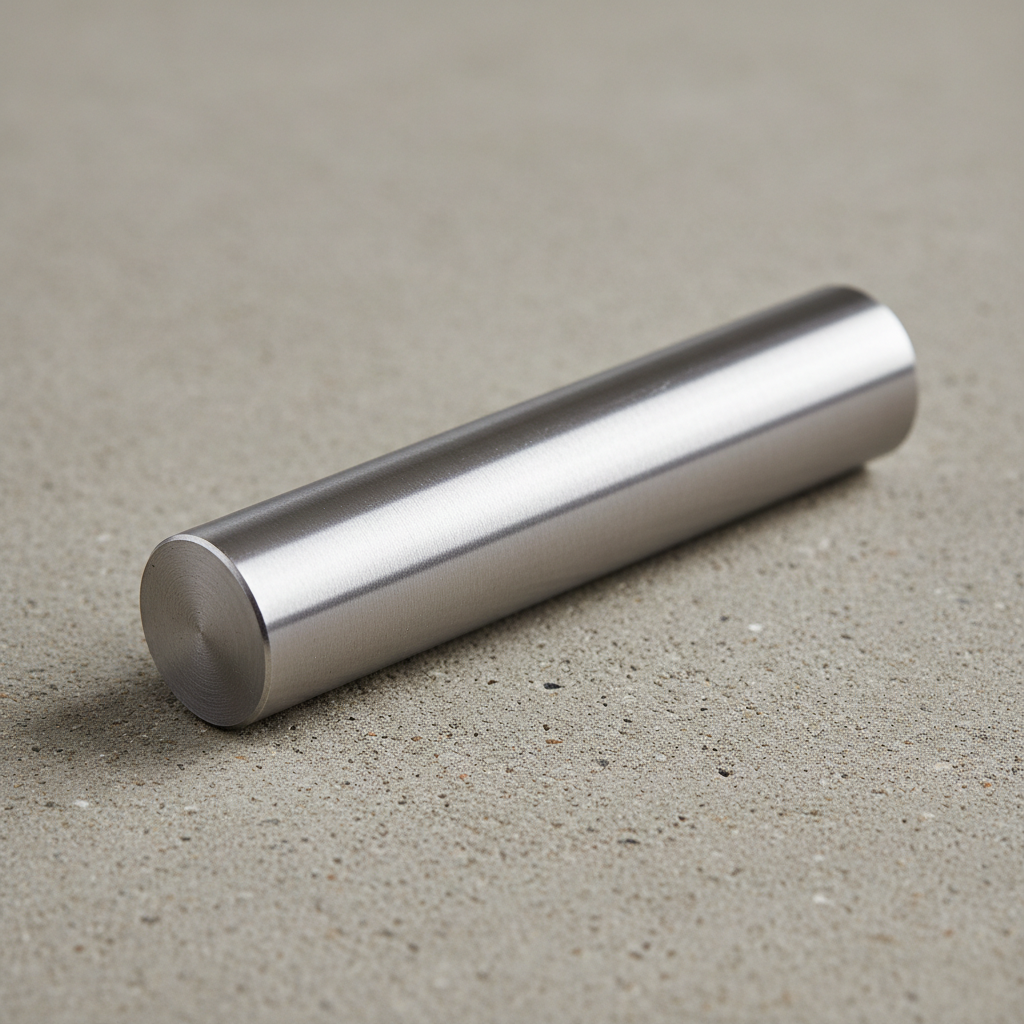
At its core, a dowel bar is a plain, round, smooth steel bar. Unlike its more commonly known cousin, rebar (reinforcing bar), which has a deformed, ribbed surface designed for strong mechanical bond with concrete, a dowel bar is smooth. This smoothness is not an oversight; it's fundamental to its function.
- Material: Typically made of steel, dowel bars can also be epoxy-coated for enhanced corrosion resistance, especially in environments exposed to de-icing salts or moisture.
- Shape: Always round and smooth, allowing for movement within the concrete.
- Purpose: Primarily designed to transfer load across concrete joints while permitting horizontal movement (expansion and contraction) between adjacent concrete sections.
Think of it as a silent partner in your concrete slab, working behind the scenes to maintain structural integrity without restricting the natural movements of the material.
The Critical Role of Dowel Bars in Concrete Slabs and Foundations
Concrete is an incredibly strong material in compression, but it has limitations. It shrinks as it cures, expands and contracts with temperature changes, and can settle unevenly over time. These movements can lead to cracks and differential settlement if not properly managed. This is where dowel bars become indispensable, particularly in the context of an ADU foundation.
Preventing Differential Movement
Imagine two adjacent sections of a concrete slab. Without dowel bars, if one section settles slightly or moves vertically more than the other, a significant step or crack can form at the joint. Dowel bars act as a bridge, tying these sections together horizontally while allowing them to move independently along the bar's axis. This prevents one slab from rising or falling significantly relative to its neighbor, maintaining a smooth, even surface.
Load Transfer Efficiency
When a load (like the weight of your ADU) is applied to one side of a concrete joint, dowel bars efficiently transfer a portion of that load to the adjacent slab. This load transfer mechanism reduces stress concentrations at the joint, preventing localized cracking and ensuring that both sections of the slab share the burden more effectively. This is crucial for the long-term performance and stability of your ADU's foundation.
Dowel Bars vs. Rebar: Understanding the Difference
It's common to confuse dowel bars with rebar, but their roles are distinct and complementary.
| Feature | Dowel Bar | Rebar (Reinforcing Bar) |
|---|---|---|
| Surface | Smooth, round | Deformed, ribbed |
| Primary Function | Load transfer across joints, allows movement | Tensile strength, crack control throughout slab |
| Bond with Concrete | Minimal (often debonded on one side) | Strong mechanical bond |
| Placement | At joints (control, expansion, construction) | Throughout the concrete element |
While rebar provides the overall tensile strength to resist cracking from bending and stretching forces within the concrete, dowel bars specifically address the challenges at joints, ensuring that these critical interfaces remain stable and functional. Both are vital for a robust ADU foundation.
Specific Applications in ADU Construction
Dowel bars are utilized in several key areas during the construction of an ADU foundation and slab:
1. Slab-on-Grade Foundations
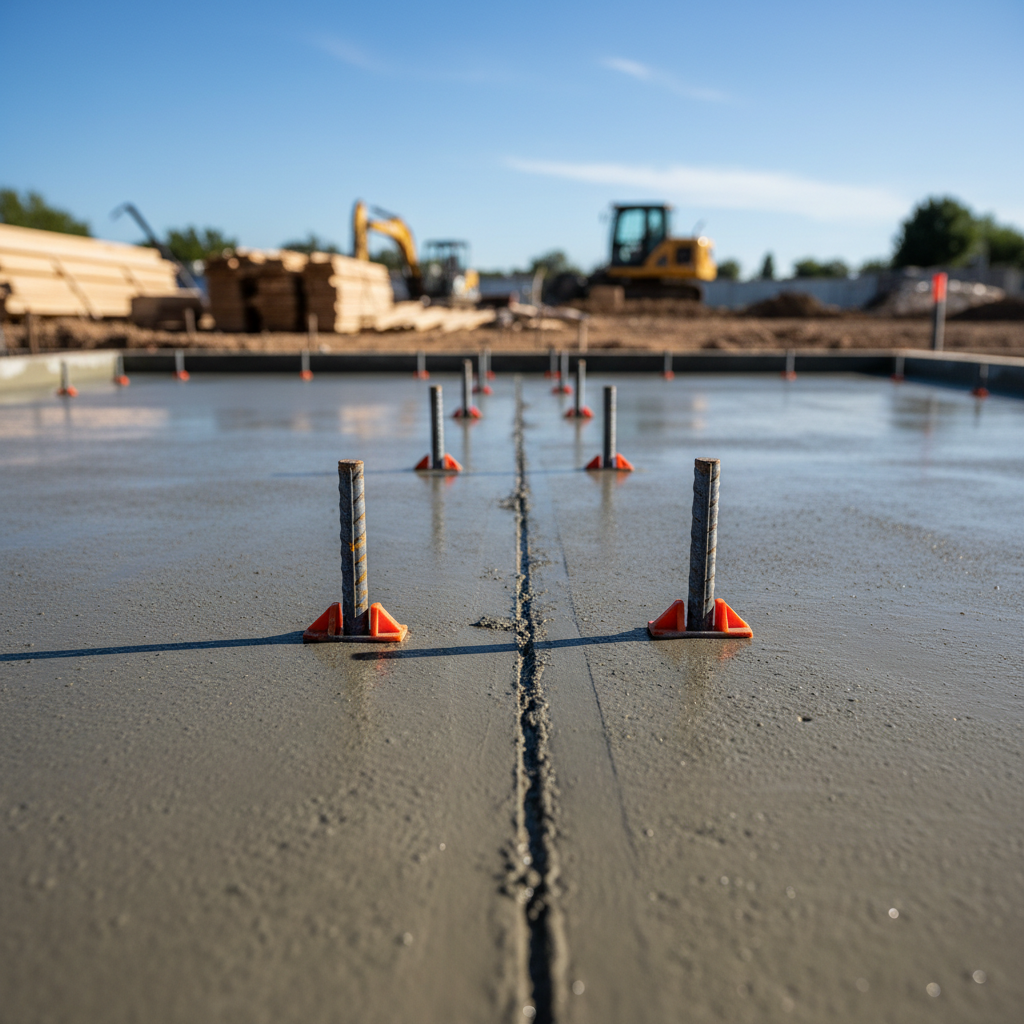
For larger ADU slabs, it's often impractical or undesirable to pour the entire slab in one continuous operation. Construction joints are created, and dowel bars are installed across these joints to ensure load transfer between pours. They are also critical at control joints, which are intentionally cut into the slab to guide where cracks will form, ensuring these cracks remain tight and don't compromise the slab's integrity.
2. Stem Wall Foundations
In stem wall foundations, dowel bars are frequently used to connect the concrete footing to the vertical stem wall, and then the stem wall to the slab that rests on top. This creates a monolithic, unified foundation system, preventing differential movement between these distinct concrete elements and enhancing the overall structural stability of your ADU.
3. Connecting New Slabs to Existing Structures
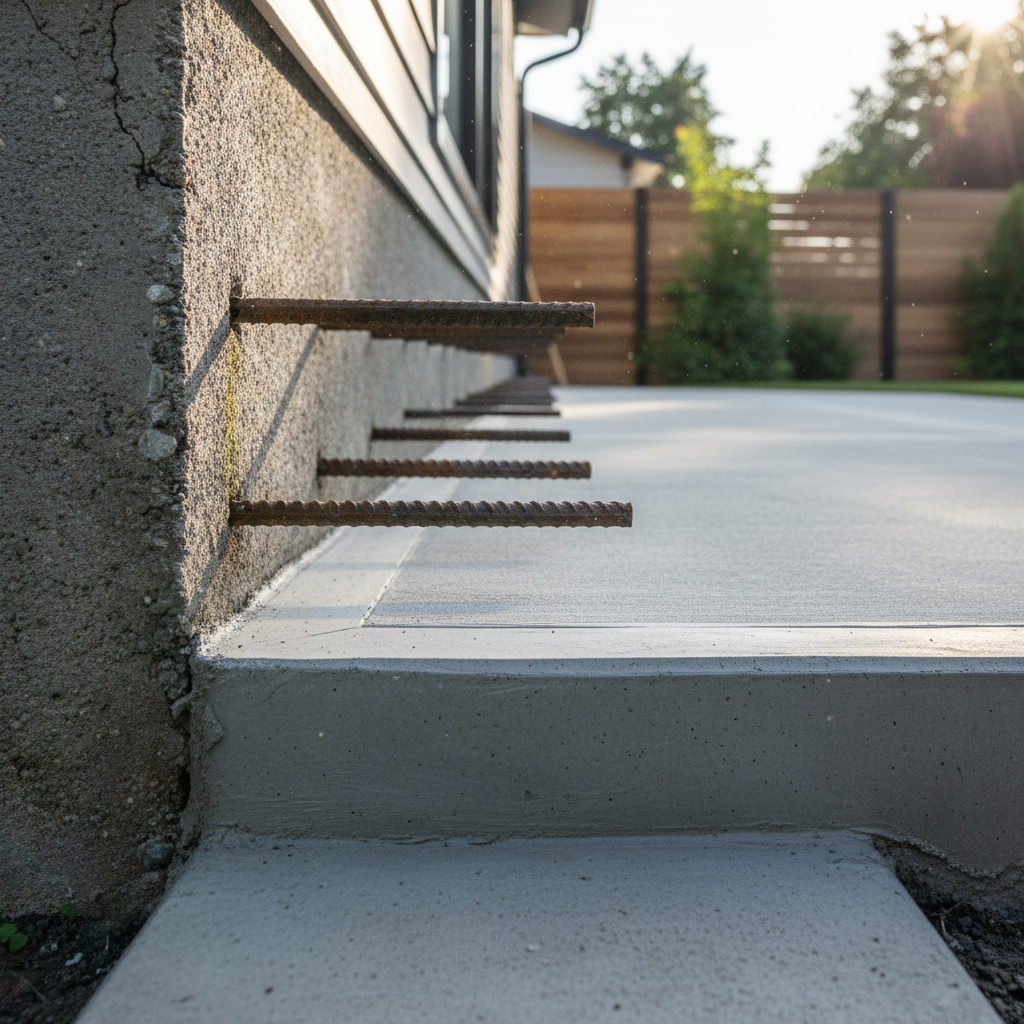
This is a particularly common and crucial application for ADUs. If your ADU slab is being poured adjacent to an existing patio, driveway, or even the main house's foundation, dowel bars are often drilled into the existing concrete and then embedded into the new ADU slab. This connection is vital for:
- Preventing Differential Settlement: Ensuring the new ADU slab doesn't settle independently from the existing structure, which could lead to unsightly and problematic cracks.
- Maintaining Level Surfaces: Creating a smooth transition between old and new concrete, avoiding trip hazards and water pooling.
- Structural Continuity: Providing a degree of structural connection that helps the two elements act more cohesively.
Given the importance of a solid foundation for your ADU, ensuring these details are handled correctly is paramount. If you're considering an ADU project and want to ensure every aspect of its construction meets the highest standards, don't hesitate to schedule a free ADU consultation with GatherADU. Our experts can guide you through the entire process.
Proper Placement and Installation Techniques
The effectiveness of dowel bars hinges entirely on their correct installation. Mistakes here can negate their benefits or even cause more problems.
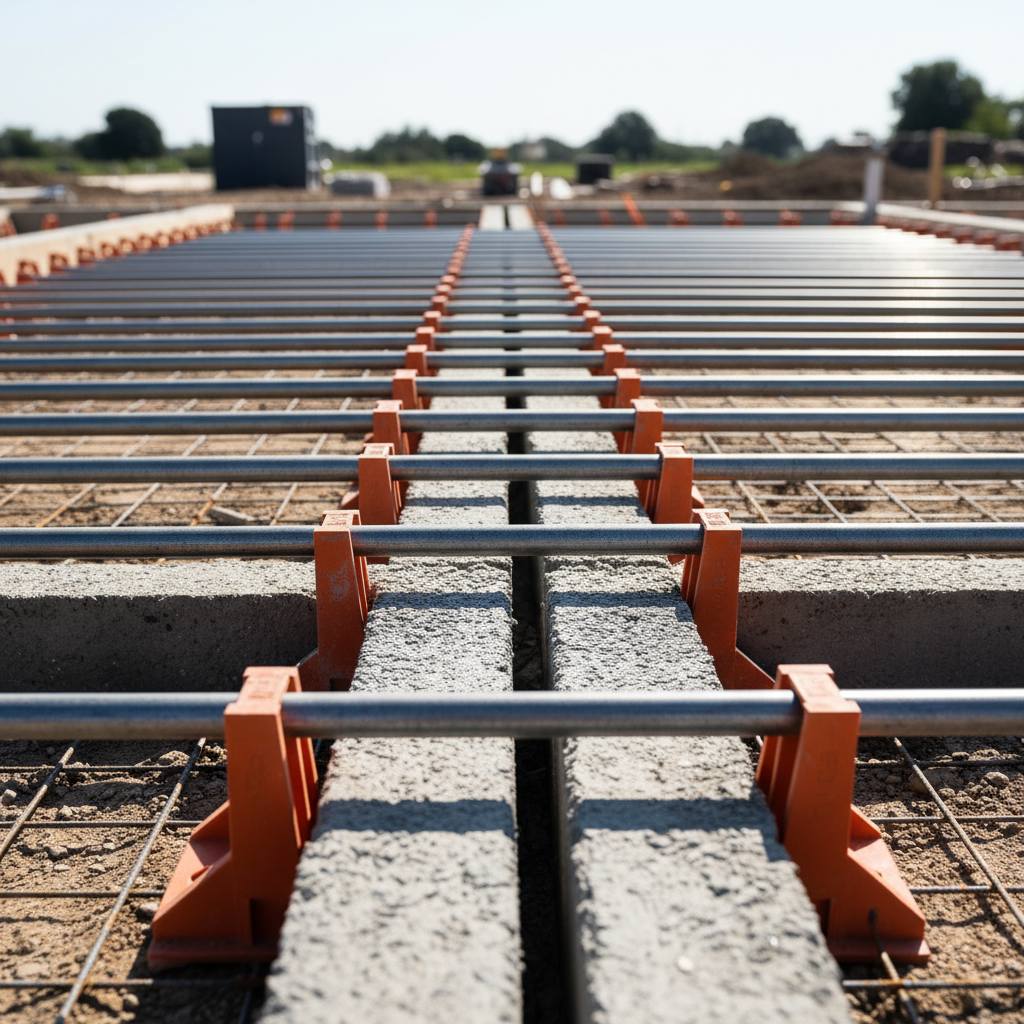
- Alignment: Dowel bars must be perfectly aligned parallel to the surface and perpendicular to the joint. Misalignment can restrict movement, causing concrete to crack or spall.
- Debonding: Crucially, one end of the dowel bar must be debonded from the concrete to allow for movement. This is typically achieved by coating one half of the bar with a bond-breaking compound (like grease or a specialized sleeve/cap). This allows the concrete to slide along the bar.
- Spacing and Size: The diameter and length of dowel bars, as well as their spacing, are determined by engineering specifications based on slab thickness, expected loads, and joint type.
- Support: Dowel bars must be held firmly in place during concrete pouring using chairs or baskets to maintain their correct position and alignment.
- Cleanliness: Bars should be clean and free of rust that could compromise the bond on the intended bonded side.
Proper installation requires precision and adherence to engineering plans, highlighting why professional expertise is invaluable for your ADU project.
Benefits of Using Dowel Bars in ADU Foundations
Investing in the proper use of dowel bars yields significant long-term benefits for your ADU:
- Enhanced Durability: Prevents premature cracking and spalling at joints, extending the lifespan of your ADU's foundation and slab.
- Reduced Maintenance: Fewer cracks mean less need for costly repairs and maintenance over the years.
- Structural Integrity: Ensures the foundation acts as a cohesive unit, providing stable support for the entire structure above.
- Smooth Surfaces: Maintains a level surface across joints, preventing trip hazards and ensuring proper drainage.
- Code Compliance: Often a requirement in local building codes for specific types of concrete construction, ensuring your ADU passes inspection.
These benefits contribute directly to the value and peace of mind you'll gain from your new backyard home. For a foundation that stands the test of time, attention to details like dowel bar placement is non-negotiable. If you have questions about the structural integrity of your potential ADU, our team is ready to help. Get your free project estimate and discuss your foundation needs with GatherADU.
When Are Dowel Bars Not Used (or Less Critical)?
While widely beneficial, dowel bars aren't always necessary or are used differently in every scenario:
- Very Small Slabs: For very small, lightly loaded concrete pads, the risk of significant differential movement might be low enough that dowel bars are omitted.
- Monolithic Pours: In some monolithic slab-on-grade foundations where the entire slab and footings are poured as one continuous unit, the need for dowel bars at internal joints might be reduced, though they can still be beneficial at connections to existing structures or at specific control joints.
- Specific Engineering Designs: Some unique engineering designs might employ alternative methods for load transfer or joint stability.
However, for most ADU foundations and slabs, especially those connecting to existing concrete or covering a significant area, dowel bars are a standard and recommended practice.
Conclusion
The humble dowel bar is a testament to the fact that the smallest details can have the biggest impact on the longevity and performance of your ADU. By facilitating load transfer and accommodating concrete's natural movements, dowel bars are unsung heroes in preventing cracks, ensuring structural integrity, and providing a stable, durable foundation for your backyard home. Understanding their role underscores the importance of quality construction practices and experienced professionals.
At GatherADU, we pride ourselves on meticulous attention to every detail, from the initial design to the final pour, ensuring your ADU is built to last. Don't leave the foundation of your investment to chance. Book a free ADU consultation with GatherADU today to discuss your project and discover how our expertise can bring your dream backyard home to life with unparalleled quality and peace of mind.