When planning to build an Accessory Dwelling Unit (ADU) in California, one of the most critical, yet often overlooked, factors is the ground beneath your feet: the soil. Specifically, understanding the soil bearing capacity ADU foundation is paramount. This isn't just a technical detail; it's the bedrock (pun intended!) of your ADU's stability, longevity, and ultimately, its safety. At GatherADU, we believe an informed homeowner is a confident homeowner, and comprehending your site's soil conditions is foundational to a successful ADU project.
California's diverse geology, from coastal sands to inland clays and expansive soils, means that no two building sites are exactly alike. What works for one property's foundation might be catastrophic for another. This article will delve into what soil bearing capacity means, why it's so crucial for your ADU, and how it directly influences the design and cost of your foundation.
What Exactly Is Soil Bearing Capacity?
In simple terms, soil bearing capacity refers to the maximum pressure that a soil can withstand without undergoing excessive settlement or shear failure. Imagine trying to stand on soft sand versus solid rock; the rock can support much more weight without giving way. The soil beneath your future ADU acts similarly. It needs to be strong enough to support the entire weight of the structure – the walls, roof, interior finishes, and even the people and furniture inside – without sinking or shifting.
Factors Influencing Soil Bearing Capacity:
- Soil Type: Different soil types (sand, clay, silt, gravel, rock) have vastly different strengths. Granular soils like dense sand and gravel generally have high bearing capacities, while fine-grained soils like loose clay and silt can have very low capacities.
- Density/Compaction: Densely packed soil can support more weight than loose, uncompacted soil of the same type.
- Moisture Content: Water can significantly reduce the bearing capacity of certain soils, especially clays, by increasing their plasticity and reducing their shear strength. Expansive clays, common in California, can swell when wet and shrink when dry, posing unique challenges.
- Depth: Bearing capacity often increases with depth, as the soil becomes more confined and compacted by the weight of the overlying layers.
- Presence of Groundwater: A high water table can reduce bearing capacity and introduce issues like hydrostatic pressure.
Why Is Soil Bearing Capacity Crucial for Your ADU?
Ignoring or misjudging your property's soil bearing capacity can lead to a host of expensive and dangerous problems for your ADU:
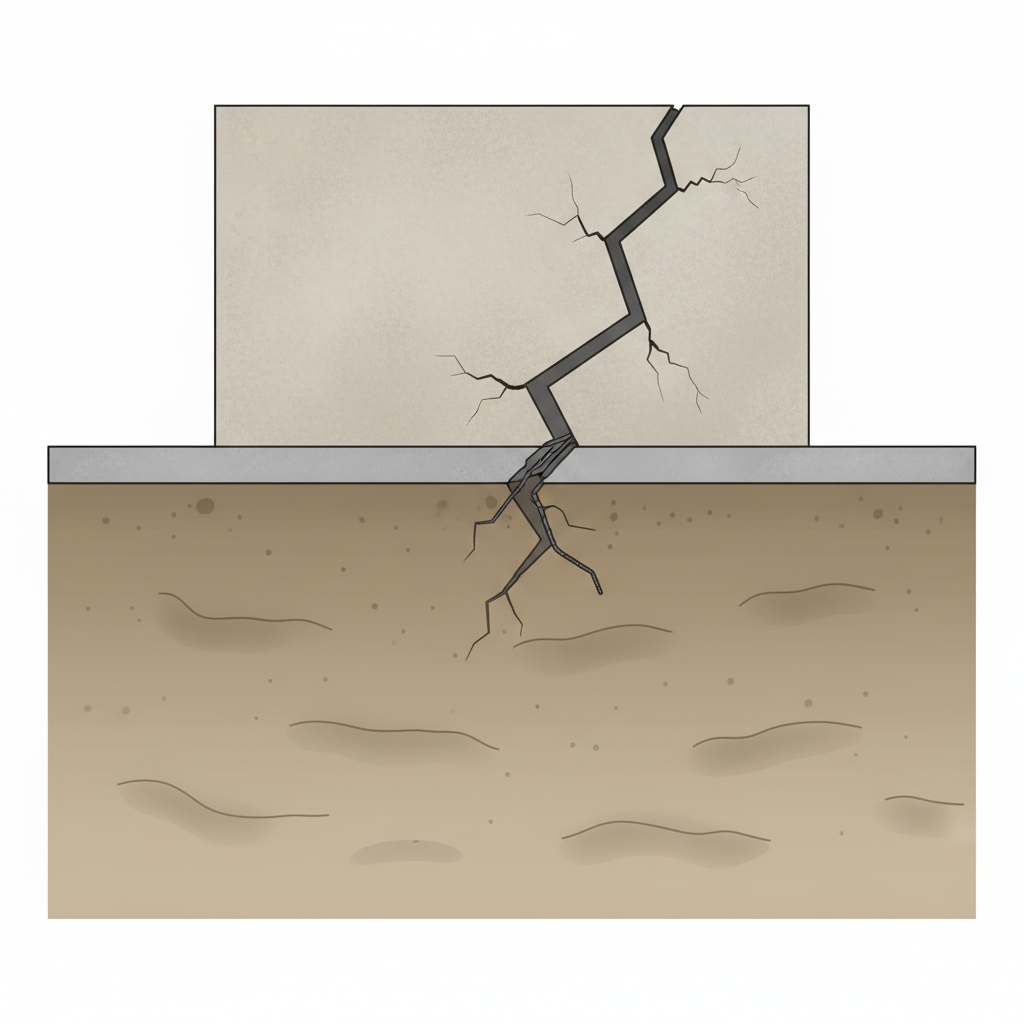
- Uneven Settlement: If the soil can't uniformly support the ADU's weight, parts of the structure may settle more than others, leading to cracked walls, uneven floors, and distorted door/window frames.
- Structural Damage: Severe settlement can compromise the structural integrity of the entire building, potentially leading to costly repairs or even making the ADU unsafe.
- Permitting Issues: Local building departments in California strictly enforce foundation design based on geotechnical reports to ensure safety, especially in seismic zones. Without proper soil analysis, you won't get a permit.
- Increased Costs: Remedying foundation problems after construction is far more expensive and disruptive than designing it correctly from the start.
Common Soil Types in California and Their Bearing Capacity Implications
California's geology is incredibly varied, presenting unique challenges for ADU construction. Here's a brief overview of common soil types you might encounter:
- Sandy Soils: Often found near coasts or ancient riverbeds. Well-drained sandy soils can offer good bearing capacity when dense, but loose sands can be problematic, especially with seismic activity (liquefaction risk).
- Clay Soils: Prevalent throughout California. Clays can have varying bearing capacities, but many are 'expansive' – they swell significantly when wet and shrink when dry. This movement can exert immense pressure on foundations, requiring specialized designs.
- Silty Soils: A mix between sand and clay. Silts can be stable when dry but lose significant strength when saturated.
- Gravelly Soils & Rock: Generally offer excellent bearing capacity and are ideal for foundations, though excavation can be more challenging and costly.
- Fill Soils: Often found on previously graded or developed sites. The bearing capacity of fill depends entirely on how it was compacted. Unengineered or poorly compacted fill can be highly problematic.

The Geotechnical Investigation: Your First Step
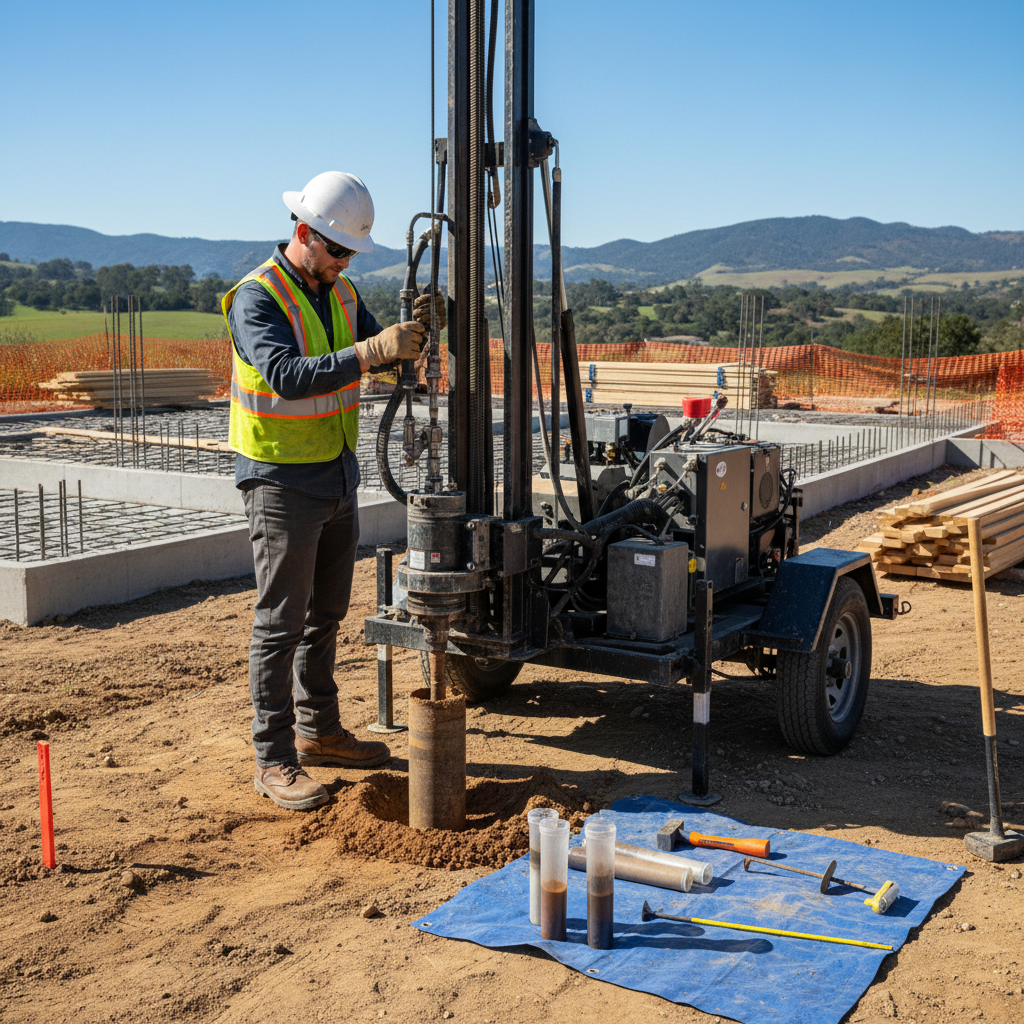
Given the complexities of soil, guessing is never an option. Before any ADU foundation design begins, a professional geotechnical investigation (often called a soil report) is essential. This involves:
- Site Reconnaissance: Visual inspection of the site and surrounding areas.
- Soil Borings/Test Pits: Drilling or digging into the ground to extract soil samples at various depths.
- Laboratory Testing: Analyzing soil samples for properties like moisture content, density, plasticity, and shear strength.
- Engineering Analysis: Interpreting the lab results to determine the soil's bearing capacity, potential for settlement, and other relevant geotechnical parameters.
- Report Generation: A detailed report outlining findings, specific recommendations for foundation type, depth, and design parameters, and any necessary mitigation strategies (e.g., for expansive soils or seismic risks).
This report is a non-negotiable document required by your local planning department and is the bedrock of your structural engineer's foundation design. It ensures your ADU is built safely and in compliance with all codes.
Ready to explore the possibilities for your ADU? Schedule a free ADU consultation with GatherADU today.
How Soil Bearing Capacity Influences ADU Foundation Design
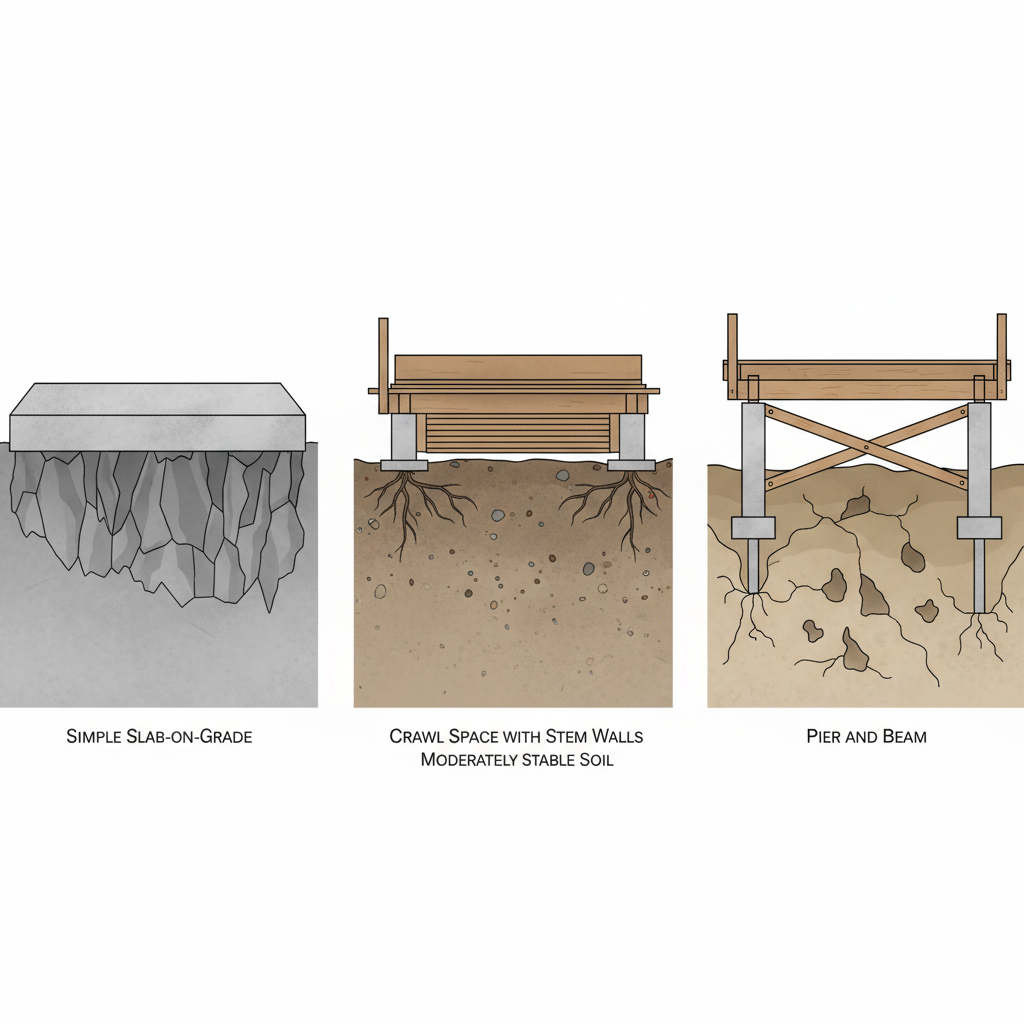
The geotechnical report's recommendations directly dictate the type and specifics of your ADU's foundation. Here's how:
1. High Bearing Capacity Soils (e.g., Dense Gravel, Competent Bedrock)
If your site boasts strong, stable soil, your foundation design can be relatively straightforward and cost-effective. Common options include:
- Shallow Foundations: These transfer the load directly to the soil near the ground surface.
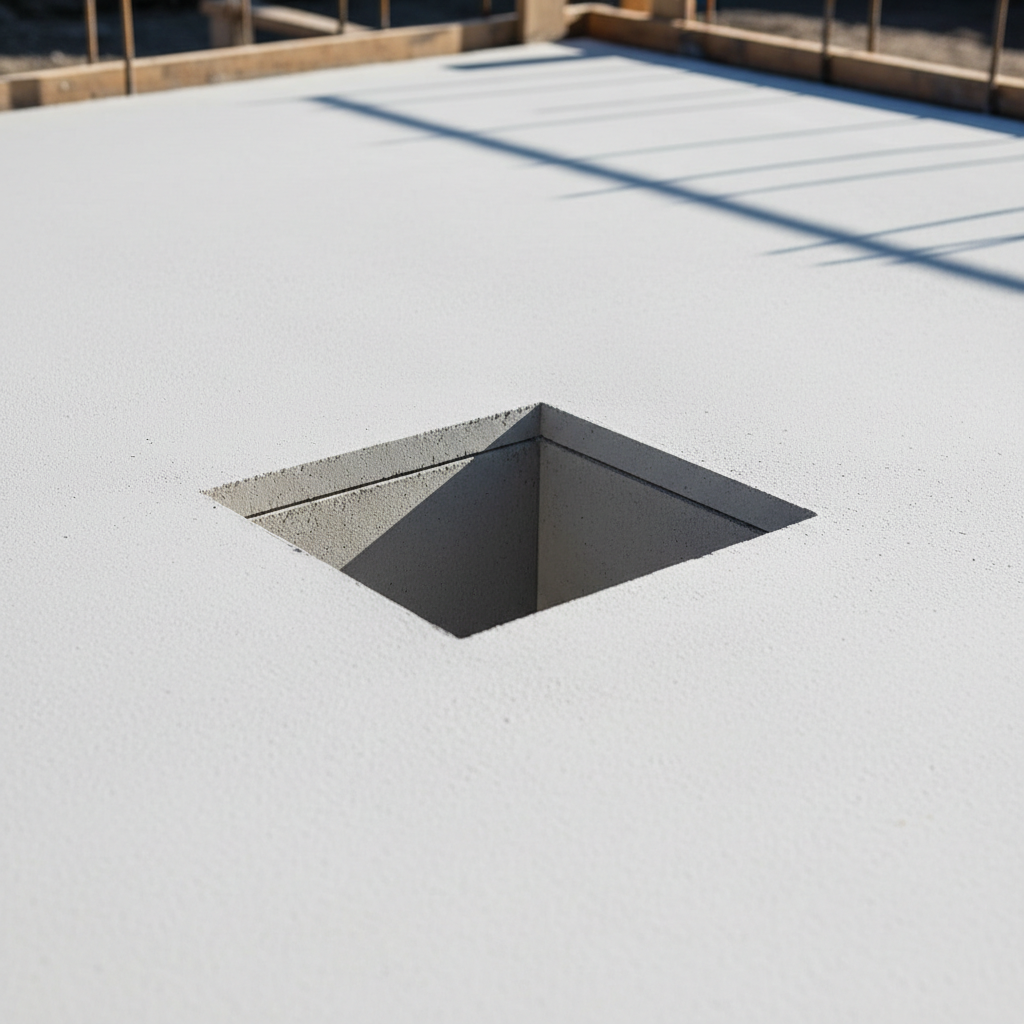
- Slab-on-Grade: A reinforced concrete slab poured directly on a prepared base. Economical and quick to install.
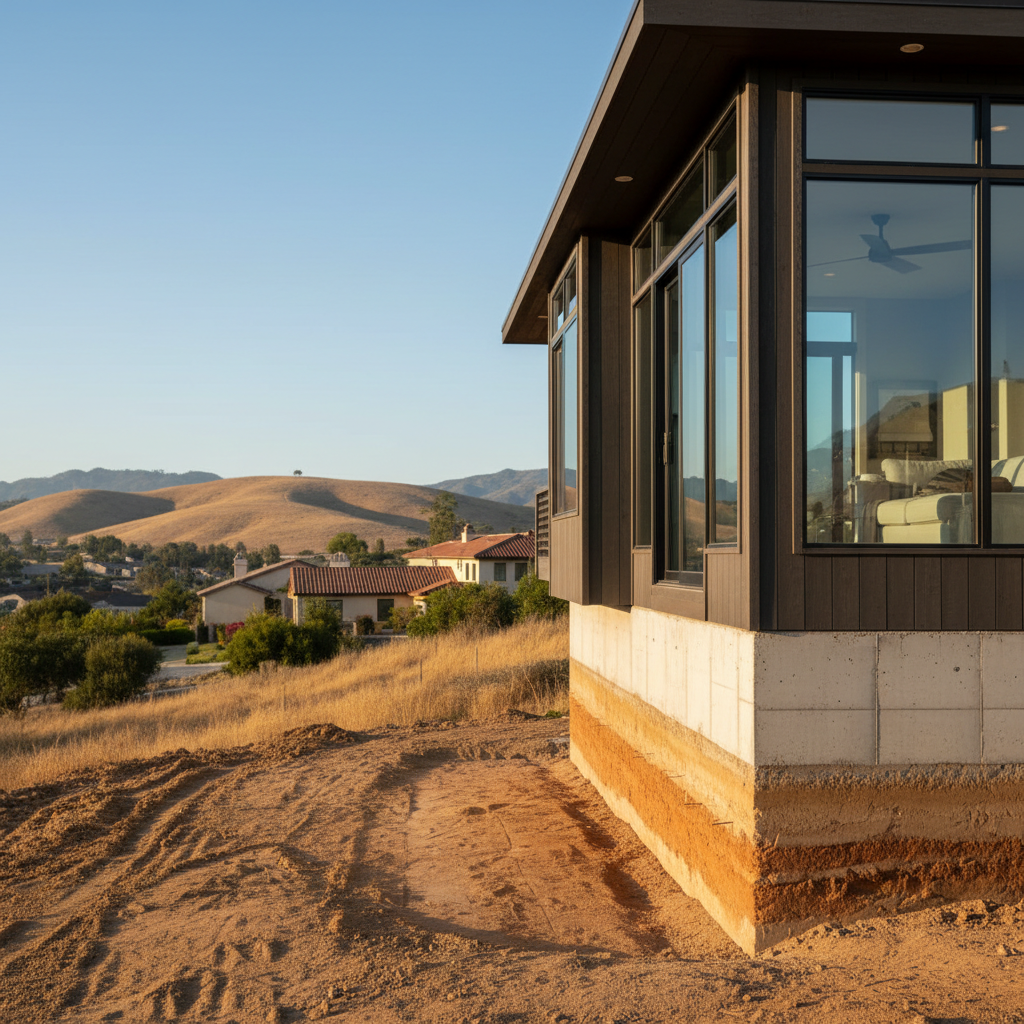
- Continuous Footings (Stem Wall Foundations): Concrete footings extending below the frost line (if applicable, less common in CA) supporting perimeter walls, with a crawl space or floor system above.
2. Low Bearing Capacity Soils (e.g., Loose Sand, Soft Clay, Uncompacted Fill)
When the soil is weak, the foundation must be designed to either spread the load over a larger area or transfer it to stronger soil layers deeper down. This often means more complex and expensive solutions:
- Larger Footings: To distribute the weight over a greater surface area.
- Mat or Raft Foundations: A single, thick, heavily reinforced concrete slab covering the entire footprint of the ADU, acting like a floating raft.
-
Deep Foundations: For very poor surface soils, the foundation extends deep into the ground to reach stable bearing strata. This includes:
- Piers: Concrete columns drilled or augured into the ground.
- Piles: Pre-manufactured elements driven or vibrated into the ground.
3. Expansive Soils (Common in California)
These reactive soils require specialized designs to mitigate the damage from swelling and shrinking. Solutions include:
- Post-Tensioned Slabs: Concrete slabs reinforced with high-strength steel cables that are tensioned after the concrete cures, creating a strong, rigid slab resistant to differential movement.
- Grade Beams with Piers: A system where concrete beams span between deep piers, effectively elevating the structure above the active zone of expansive soil movement.
- Over-Excavation and Recompaction: Removing the problematic expansive soil and replacing it with engineered fill, or treating it with lime to reduce its reactivity.

The Role of a Structural Engineer and Your ADU Builder
Once the geotechnical report is in hand, a qualified structural engineer will use its recommendations to design the specific ADU foundation. They consider:
- The ADU's weight and load distribution.
- Seismic forces (crucial in California).
- Local building codes and requirements.
- The soil bearing capacity and other soil characteristics.
Your ADU builder, like GatherADU, then brings this design to life. Our team works seamlessly with geotechnical engineers and structural engineers to ensure the foundation is constructed precisely to specifications, providing a safe, compliant, and durable base for your new backyard home. We understand the unique challenges of California's diverse terrains and are adept at implementing appropriate foundation solutions.
Navigating these complexities requires expert guidance. For a seamless ADU project from soil analysis to final build, consider partnering with GatherADU. Get your free ADU project estimate and let our team ensure your ADU stands on solid ground.
Potential Problems of Ignoring Soil Bearing Capacity
The consequences of skimping on soil analysis or ignoring its recommendations can be severe:
- Catastrophic Failure: In extreme cases, a poorly designed foundation on unsuitable soil can lead to partial or complete structural collapse.
- Ongoing Maintenance Issues: Continuous cracking, sticking doors/windows, and uneven floors are not just aesthetic problems; they indicate underlying structural stress.
- Reduced Property Value: An ADU with known foundation issues will be difficult to sell and will significantly reduce your property's value.
- Insurance Headaches: Many insurance policies may not cover damage resulting from inadequate initial construction or failure to adhere to engineering recommendations.
Conclusion
Understanding soil bearing capacity ADU foundation is not just a technicality; it's a fundamental step in ensuring the safety, longevity, and financial viability of your Accessory Dwelling Unit. From the initial geotechnical investigation to the final foundation pour, every decision hinges on knowing the ground beneath your build. In California's varied landscape, this diligence is even more critical, safeguarding your investment against seismic activity and reactive soils.
At GatherADU, we integrate thorough site analysis and expert engineering into every project, ensuring your ADU is built on the most stable and appropriate foundation for your specific property. Don't leave the stability of your ADU to chance. Book a free ADU consultation with GatherADU to discuss your project, understand your specific site's needs, and build an ADU that will last for generations.