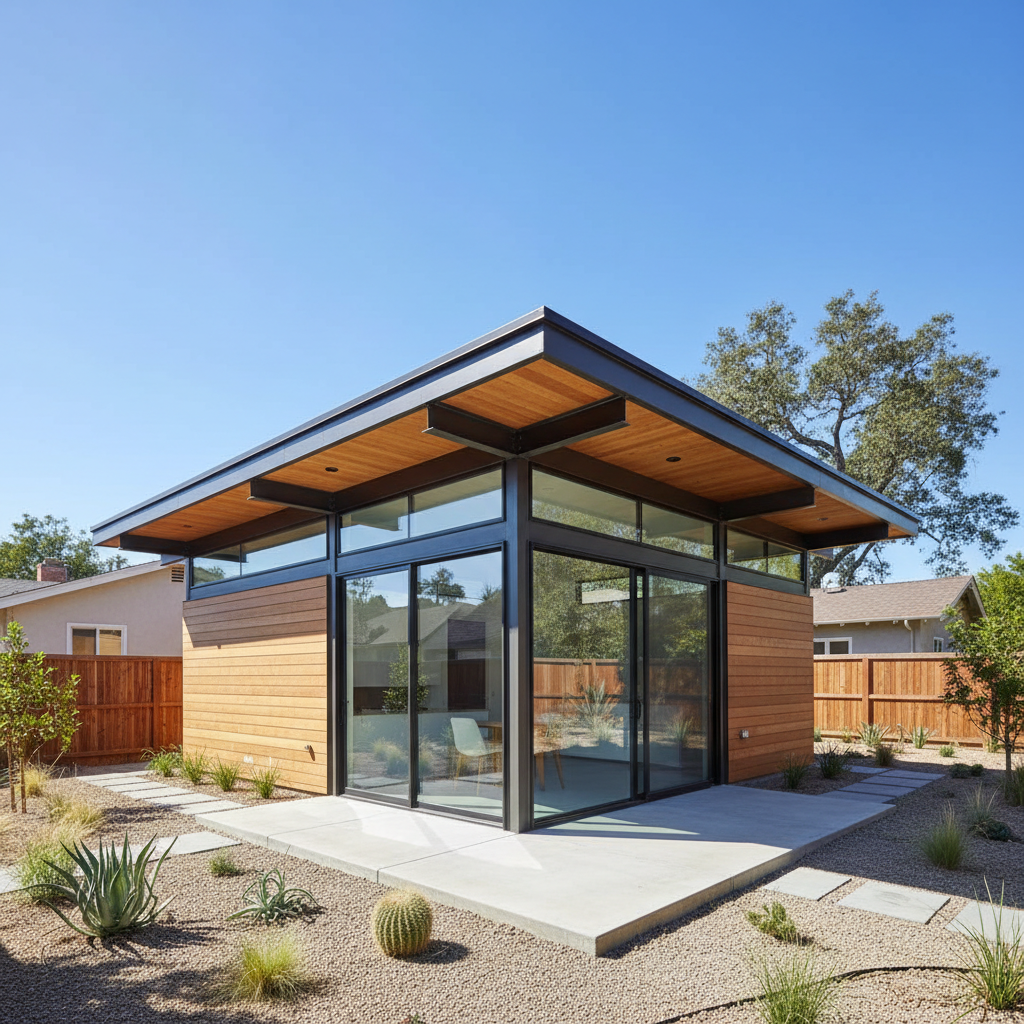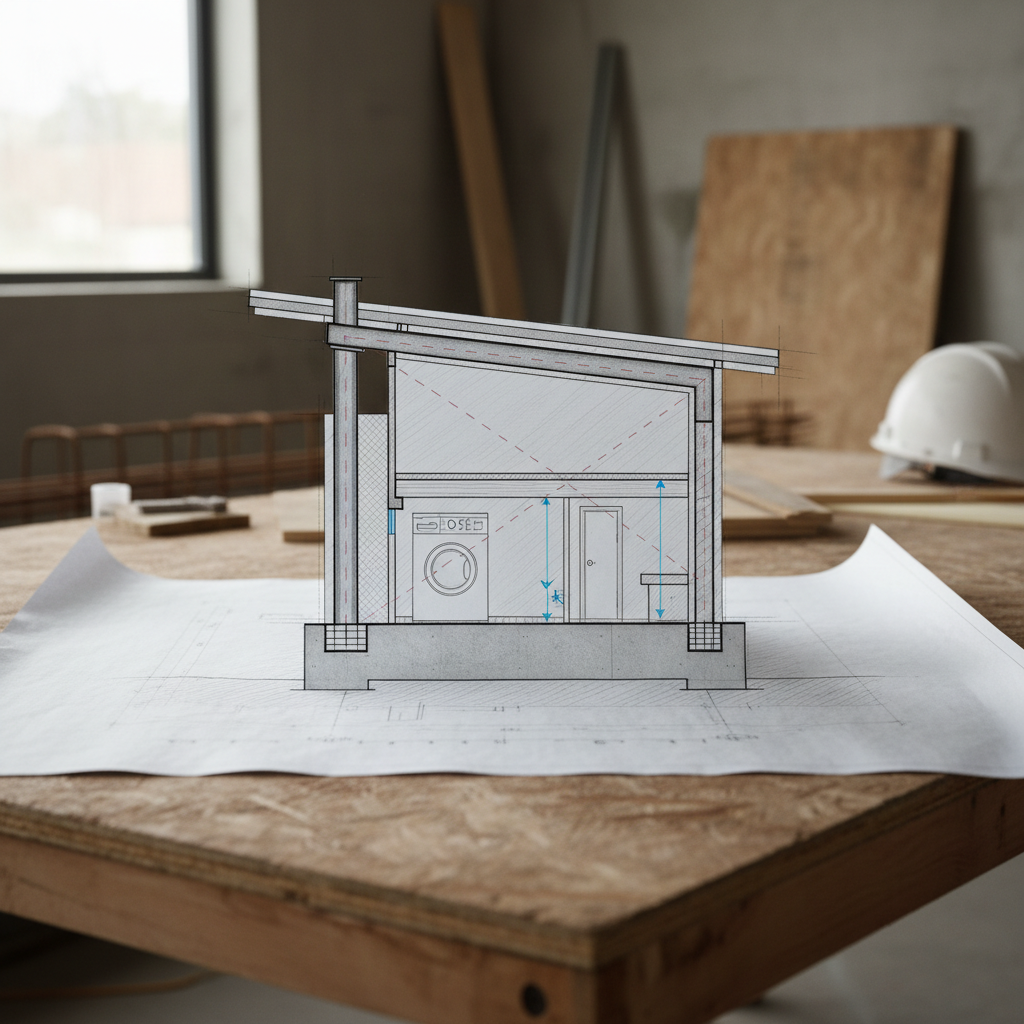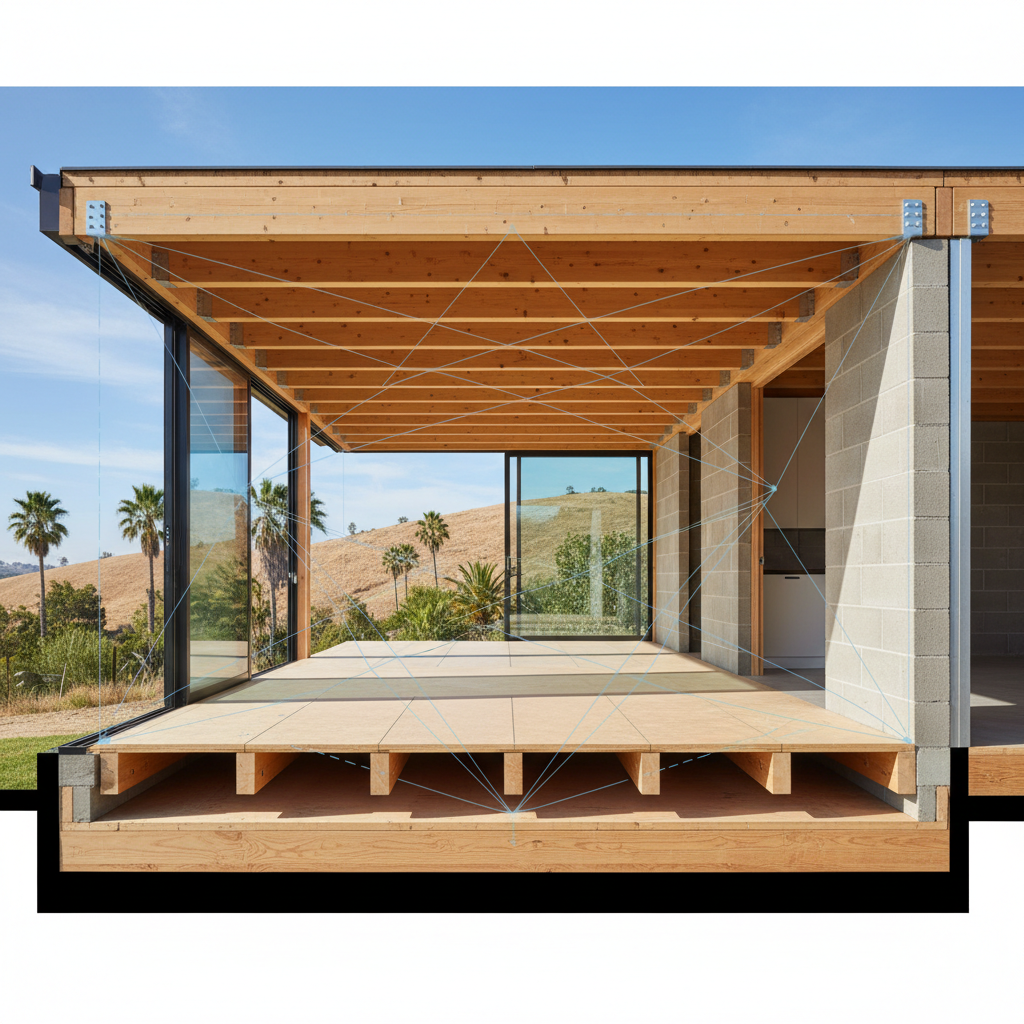
When planning an Accessory Dwelling Unit (ADU) in California, discussions often revolve around design aesthetics, floor plans, and material finishes. However, beneath the surface of every well-built ADU lies a critical network of structural components designed to withstand the test of time, gravity, and seismic activity. Among these unsung heroes of structural integrity is the through-bolt connection ADU.
While seemingly a minor detail, the proper use and installation of through-bolt connections are paramount to the safety and longevity of your backyard home. This comprehensive guide will delve into what a through-bolt connection is, why it's indispensable in ADU structural engineering, where it's typically used, and why GatherADU prioritizes these robust fastening methods in our projects.
What Exactly Is a Through-Bolt Connection?
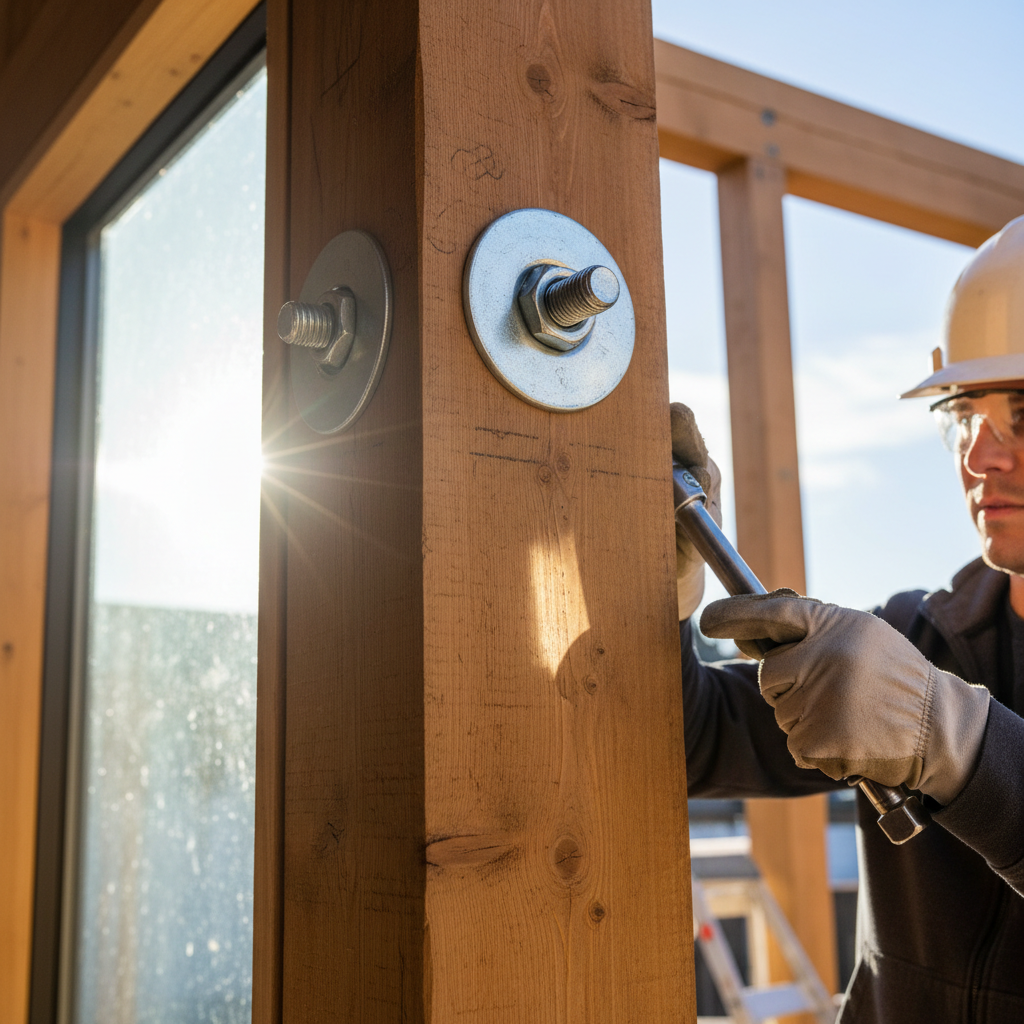
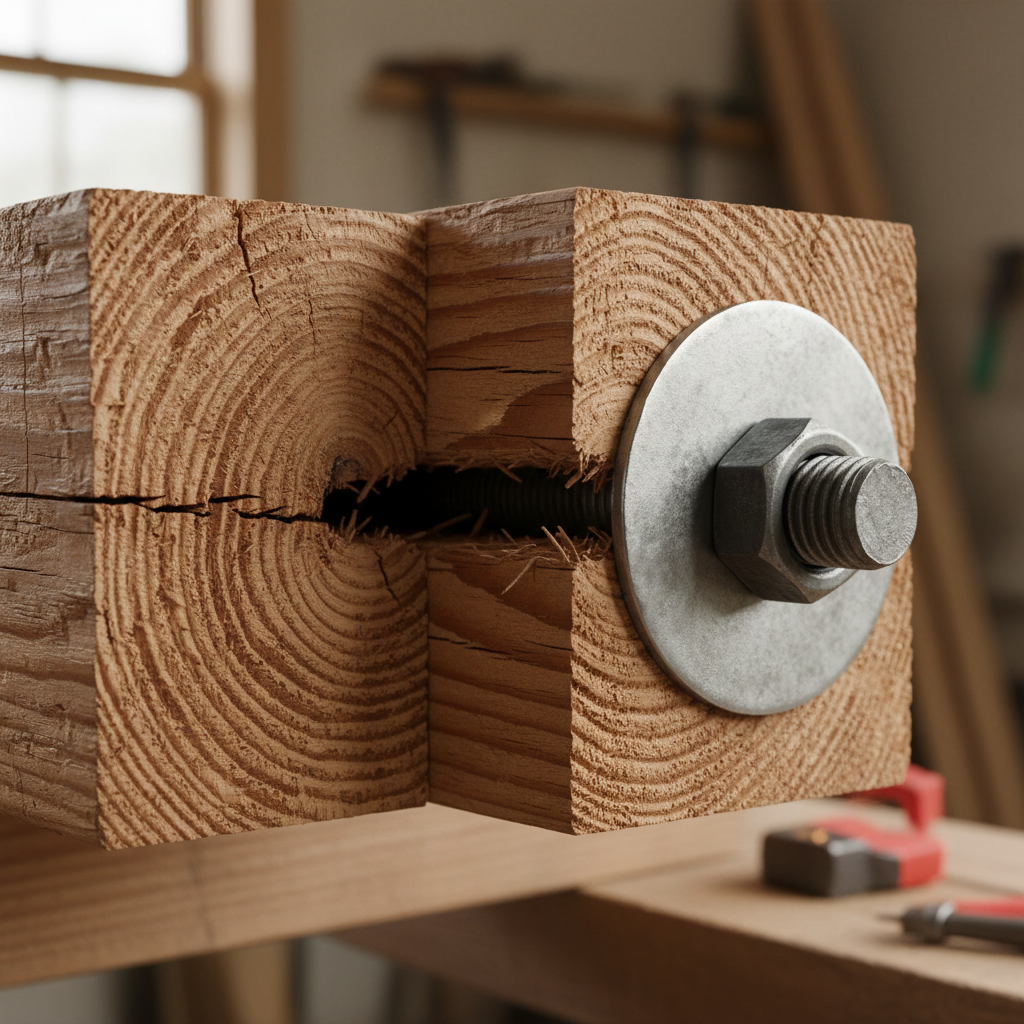
At its core, a through-bolt connection is a method of fastening two or more structural members together by passing a threaded bolt entirely through them. Unlike a lag screw or nail that is driven into the material, a through-bolt emerges from the other side, where it is secured with a washer and a nut.
Imagine two pieces of wood, say a post and a beam, needing to be joined with maximum strength. A through-bolt would be inserted through pre-drilled holes in both members. On the far side, a washer is placed against the wood surface to distribute the load and prevent the nut from digging into the material, followed by a nut that is tightened to a specific torque. This creates a strong, compressive force that holds the members together securely.
This full-penetration and nut-and-washer system distinguishes through-bolts from other fasteners, providing superior resistance to both shear (forces parallel to the bolt) and tension (forces pulling the members apart) loads. It's a fundamental technique in heavy timber construction, steel framing, and, critically, in the structural engineering of ADUs.
Why Are Through-Bolts Crucial for ADU Structural Integrity?
The importance of through-bolt connections in ADU construction, particularly in seismically active regions like California, cannot be overstated. Their robust design offers several key advantages:
- Superior Load Transfer: Through-bolts excel at transferring significant loads between connected members. Whether it's the weight of the roof bearing down on walls or lateral forces from wind and earthquakes, these connections ensure that forces are distributed effectively throughout the structure, preventing localized stress points.
- Seismic Resistance: California's building codes are among the most stringent in the world, largely due to seismic considerations. Through-bolts provide a highly reliable connection that can resist the intense cyclical forces generated during an earthquake. They help prevent structural members from separating or shifting, maintaining the integrity of the ADU's shear walls and framing system.
- Enhanced Durability and Longevity: Because they don't rely solely on friction or the gripping power of threads within one material, through-bolts offer a more permanent and durable connection. This contributes directly to the long-term stability and safety of your ADU, minimizing the risk of structural weakening over time.
- Predictable Performance: When properly specified and installed according to engineering plans, through-bolt connections provide predictable and quantifiable structural performance. Engineers can accurately calculate the strength and capacity of these connections, ensuring the ADU meets or exceeds all safety requirements.
To ensure your ADU meets the highest standards of safety and durability, consider consulting with our experienced ADU structural engineers. Their expertise in connection design is invaluable.
Common Applications of Through-Bolt Connections in ADUs
Through-bolt connections are strategically employed in various critical areas of ADU construction:
1. Beam-to-Post Connections
Where horizontal beams (like those supporting a floor or roof) meet vertical posts, through-bolts are often used to create a strong, moment-resisting connection. This is vital for transferring vertical loads efficiently and for resisting lateral forces that could cause the connection to rack or fail.
2. Built-Up Members
Sometimes, individual lumber pieces are joined together to create larger, stronger structural members, such as a built-up beam or multiple studs acting as a post. Through-bolts are ideal for securely laminating these pieces, ensuring they act as a single, cohesive unit capable of carrying greater loads.
3. Shear Wall Reinforcement
Shear walls are fundamental to an ADU's ability to resist lateral forces from wind and earthquakes. While plywood or OSB sheathing fastened with nails provides much of the shear resistance, specific connections within the shear wall system—such as hold-downs or connections to drag struts—may utilize through-bolts to tie everything together robustly.
4. Attaching Steel Plates and Brackets
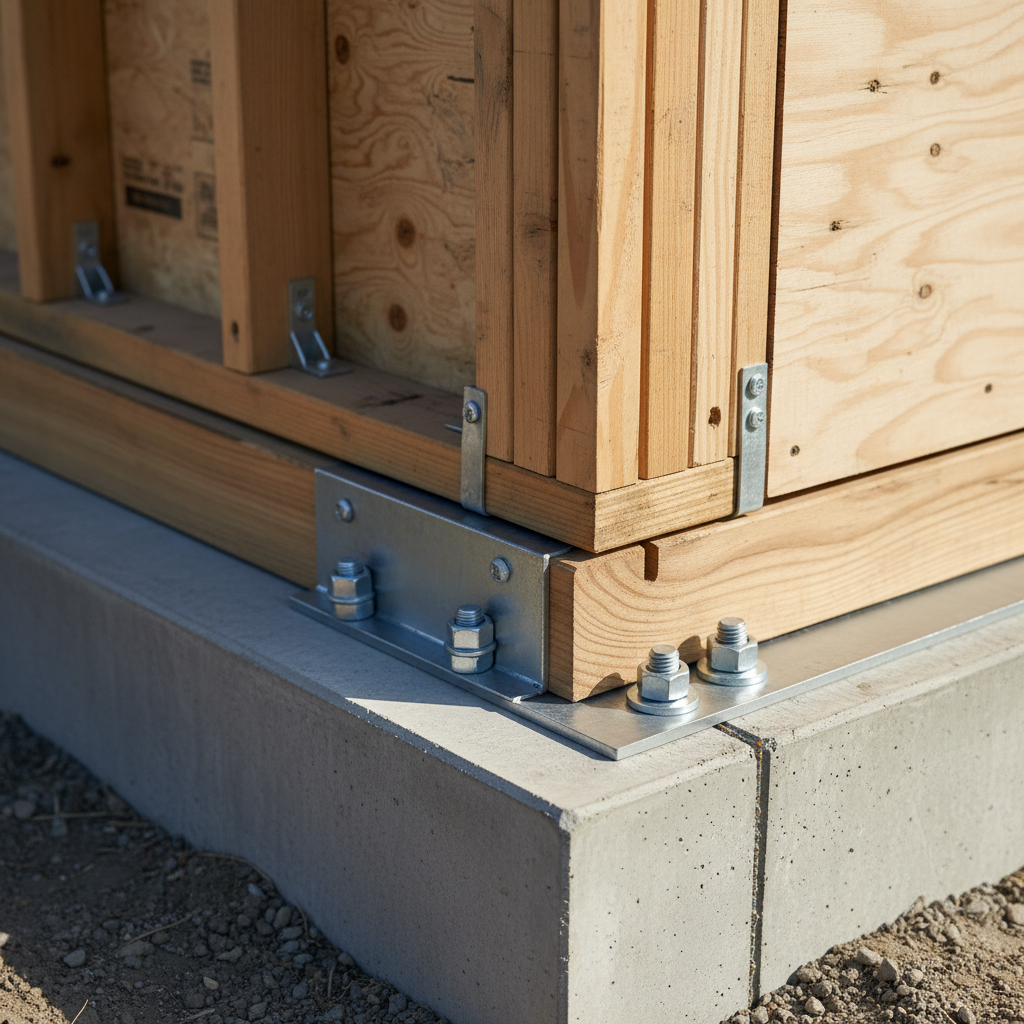
In modern ADU construction, steel plates, straps, and brackets are frequently used to reinforce critical connections. Through-bolts are the preferred method for attaching these steel components to wood framing, as they offer the highest pull-out and shear resistance, transferring forces effectively between the different materials.
5. Ledger Board Connections
If your ADU includes a deck or an attached structure that requires a ledger board to be fastened to the main ADU structure, through-bolts are often specified for this critical connection. They ensure that the ledger can safely support the additional weight and lateral forces of the attached element.
Anatomy of a Through-Bolt Connection
Understanding the components helps appreciate the strength of these connections:
- The Bolt: Typically a fully threaded or partially threaded steel rod with a head (hex, carriage, or other). Its diameter and grade (e.g., A307, A325) are specified by the engineer based on the loads it needs to carry. Galvanized bolts are common for exterior or moisture-prone applications to prevent corrosion.
- Washers: Flat, circular plates placed under the bolt head and the nut. They serve to distribute the clamping force over a larger area of the wood, preventing the bolt head or nut from crushing the wood fibers and ensuring a tighter, more secure connection. Square plate washers are sometimes used for even greater load distribution in timber connections.
- The Nut: A threaded fastener that mates with the bolt. When tightened, it creates the clamping force. Various types exist, including hex nuts, lock nuts (which resist loosening due to vibration), and dome nuts for aesthetic finishes.
The Installation Process: Precision is Key
Proper installation is as crucial as the connection's design. Here’s a simplified overview of the process:
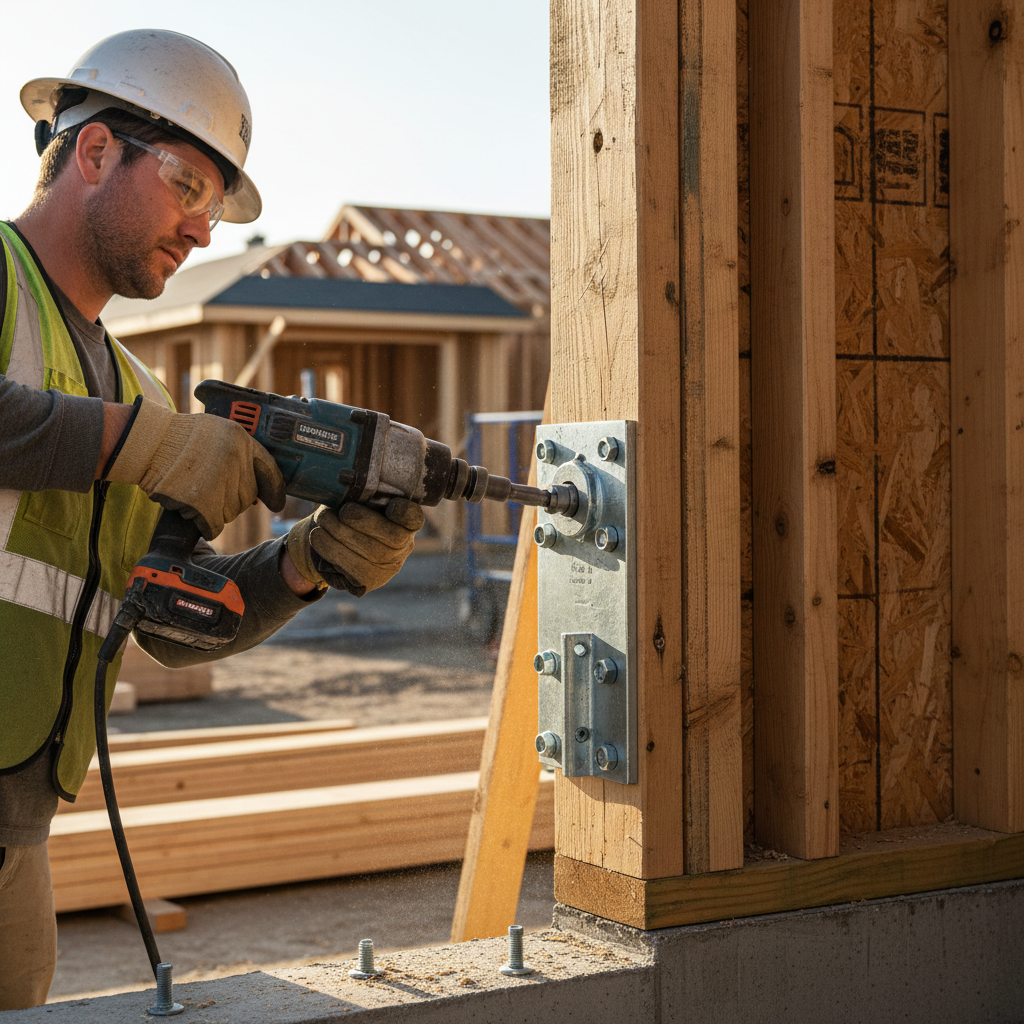
- Drilling: Holes must be drilled accurately through all members to be connected. The drill bit diameter is slightly larger than the bolt diameter (e.g., 1/16" larger) to allow for easy insertion without compromising the wood's integrity.
- Insertion: The bolt is inserted through the aligned holes.
- Washer and Nut Placement: Washers are placed on both ends (under the bolt head and under the nut).
- Tightening: The nut is tightened to a specific torque, which is often specified by the structural engineer. Over-tightening can crush wood fibers, while under-tightening can lead to a loose connection. The goal is to achieve adequate clamping force without damaging the materials.
This precise process underscores why professional builders and engineers are indispensable for ADU construction.
Benefits of Specifying Through-Bolted Connections for Your ADU
Beyond the technical aspects, choosing an ADU builder who understands and correctly implements through-bolt connections offers tangible benefits for homeowners:
- Peace of Mind: Knowing your ADU is built with robust connections designed to resist significant forces provides invaluable peace of mind, especially in California's seismic landscape.
- Code Compliance: Through-bolt connections are a staple in meeting rigorous building codes and engineering standards, ensuring your ADU passes inspections without issues.
- Increased Property Value: A structurally sound ADU is a valuable asset. The quality of its construction, including hidden details like connection methods, contributes to its long-term value and marketability.
- Reduced Maintenance and Repair: Strong, reliable connections mean fewer structural issues down the line, potentially saving you from costly repairs or maintenance related to structural integrity.
GatherADU: Prioritizing Structural Excellence in Your Backyard Home
At GatherADU, we believe that the foundation of a beautiful and functional ADU is uncompromising structural integrity. Our team of experienced designers and structural engineers meticulously plans every connection, ensuring that your backyard home is not only aesthetically pleasing but also exceptionally safe and durable. We adhere to the highest standards of engineering practice, incorporating robust solutions like through-bolt connections where they are most effective.
Ready to explore how a custom-designed ADU can enhance your property while providing a safe, reliable structure? Schedule a free ADU consultation with GatherADU today.
Conclusion
The through-bolt connection ADU is far more than just a fastener; it's a testament to sound structural engineering principles that protect your investment and, more importantly, the people who will inhabit your new backyard home. By understanding its role and importance, you gain a deeper appreciation for the intricate details that make an ADU not just a living space, but a fortress of safety and stability. Don't compromise on safety or structural integrity when building your backyard home. Book your free ADU consultation with GatherADU to discuss your project and ensure your ADU is built to last, engineered with precision, and fully compliant with California's rigorous building codes.