A lot of Los Angeles homeowners start with the same assumption: if they have enough backyard space, they can build an ADU. Sometimes that is true. Sometimes the real constraint is access, utility layout, hillside conditions, fire requirements, or a garage that looks simple to convert but triggers more upgrades than expected. If you are researching how to build an ADU in Los Angeles, the smartest first move is not sketching floor plans. It is confirming what your property can realistically support.
In Los Angeles, ADUs can be a strong investment because they add flexible living space and often create rental income at the same time. But they are still construction projects governed by zoning rules, building codes, energy standards, and city review. The homeowners who have the best experience usually follow a structured path from feasibility to design to permits to construction, rather than trying to solve each issue as it appears.
How to build an ADU in Los Angeles starts with feasibility
Before talking about finishes or square footage, you need to know what type of ADU your lot can accommodate. In most cases, that means evaluating whether a detached new build, attached addition, garage conversion, or a combination of ADU and junior ADU makes the most sense.
A proper feasibility review looks at more than lot size. It should include zoning, setbacks, existing structures, parking conditions, sewer and utility connections, hillside status, and whether your property falls within overlays or special review areas. Even when California ADU laws are favorable, local project conditions still shape what is practical and cost-effective.
This is also where the financial lens matters. A detached backyard home may produce the highest long-term value, but a garage conversion may offer a lower entry cost and a faster path to completion. The right choice depends on your budget, your intended use, and how much disruption you are willing to accept during construction.
Pick the ADU type that matches your property and goals
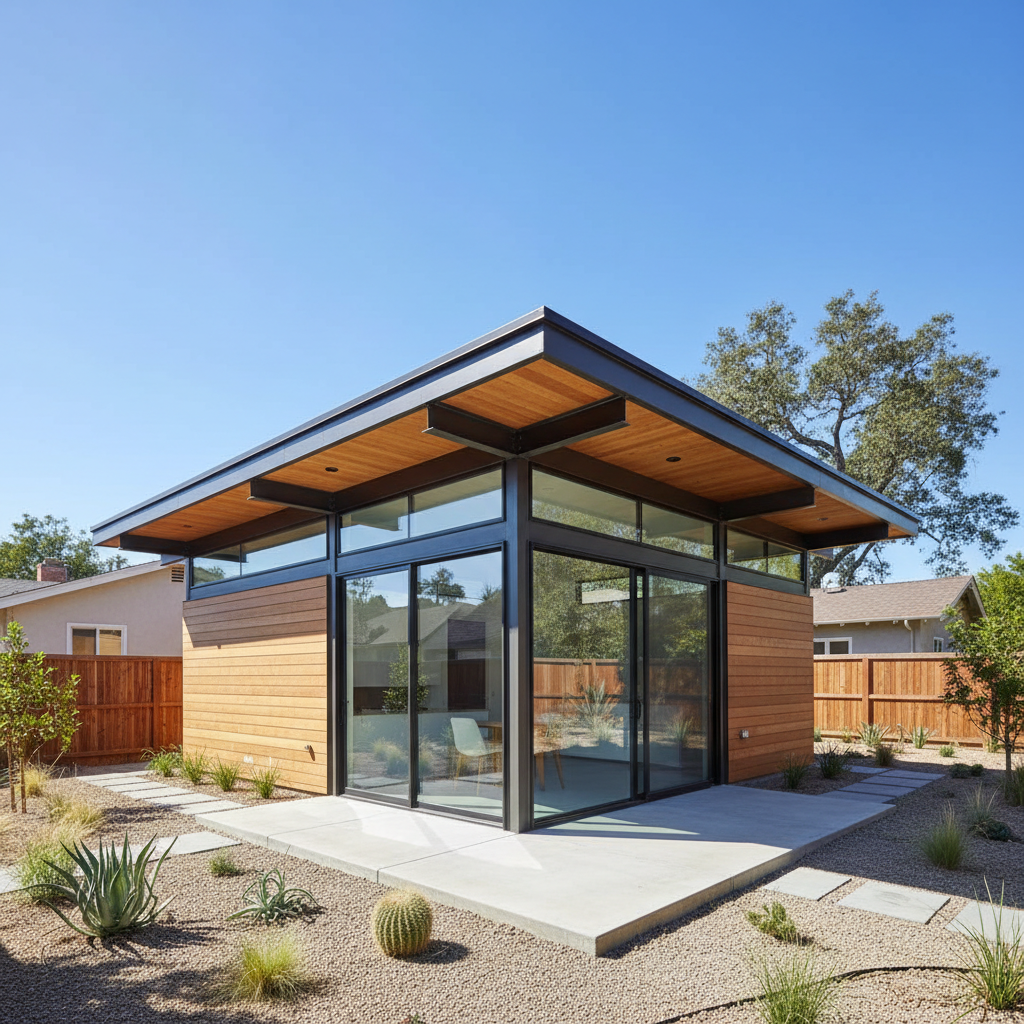
For homeowners focused on rental income, detached ADUs are often attractive because they provide privacy and feel more like a standalone residence. They typically require more site work and a larger budget, but they also tend to deliver the strongest livability and tenant appeal.
Garage conversions can be efficient when the existing structure is in good condition. The trade-off is that older garages often need substantial upgrades to foundations, framing, insulation, waterproofing, and ceiling height. What looks like a shortcut on paper can become a technical rebuild if the structure was never intended for habitable use.
Attached ADUs work well when the home layout allows a clean addition with separate access. They can be a smart option on tighter lots where detached placement is difficult. For multigenerational living, attached units often strike a good balance between independence and proximity.
Homeowners who want a guest house, office, or family suite may value layout and privacy more than maximum square footage. That is why the best ADU strategy is rarely just about building the biggest unit allowed. It is about building the unit that fits the site, the budget, and the purpose.
Design decisions affect permits, cost, and timeline
Once feasibility is clear, design becomes the next major phase. This is where many projects either gain momentum or slow down. A well-developed design package reduces permit comments, limits surprises in the field, and gives you a more reliable construction budget.
In Los Angeles, ADU design has to satisfy both function and code. Floor plans need to account for natural light, ventilation, egress, privacy, and utility placement. Exterior design should consider setbacks, lot layout, neighboring homes, and how the new structure will relate to the main house.
There are also technical layers that homeowners do not always see at first. Structural engineering, Title 24 energy compliance, drainage considerations, and site-specific code requirements all influence what gets built. Small design choices can have large cost impacts. For example, keeping plumbing grouped together can help control construction costs, while pushing a unit into a difficult corner of the lot can increase grading, foundation complexity, and utility trenching.
This stage is also the time to make realistic finish selections. Premium finishes are not automatically the best investment, especially for rental-focused ADUs. Durable, attractive, easy-to-maintain materials often create the best long-term return.
Permits are where experience matters most
If homeowners feel intimidated by any part of the process, it is usually permitting. That makes sense. Los Angeles permitting can be detailed, document-heavy, and time-sensitive. Plans may be reviewed by multiple departments depending on the property and the scope of work.
To move efficiently, the submittal package needs to be complete and coordinated. Architectural plans, structural drawings, energy documents, site plans, and supporting paperwork all need to align. If they do not, permit corrections can add weeks or months.
The approval timeline depends on the project type, the property, and the reviewing agencies. A straightforward ADU on a standard lot generally moves faster than a project involving hillside constraints, protected trees, complex utility work, or unusual site conditions. This is one reason a full-service process can save homeowners substantial time and stress. When one team is managing design intent, permit coordination, and code responses, fewer details get lost between consultants.
Budgeting for an ADU in Los Angeles
Anyone asking how to build an ADU in Los Angeles is really asking two questions at once: what does the process involve, and what will it cost me?
The answer depends heavily on ADU type, size, site conditions, and finish level. Detached new construction usually costs more than a garage conversion. Sloped lots cost more than flat ones. Long utility runs, retaining needs, poor soil conditions, and difficult access can all push costs higher.
A realistic budget should include design, engineering, permit fees, utility work, construction, and a contingency for unforeseen conditions. Older properties in Los Angeles often reveal surprises once work begins, especially around foundations, sewer lines, electrical service, and existing nonconforming construction.
The key is not finding the lowest number early on. It is getting an honest number tied to actual project scope. Low preliminary estimates often become expensive change orders later. Transparent budgeting gives homeowners a clearer picture of projected return, whether that return is rental income, added property value, or more usable space for family.
Construction is smoother when the process is integrated
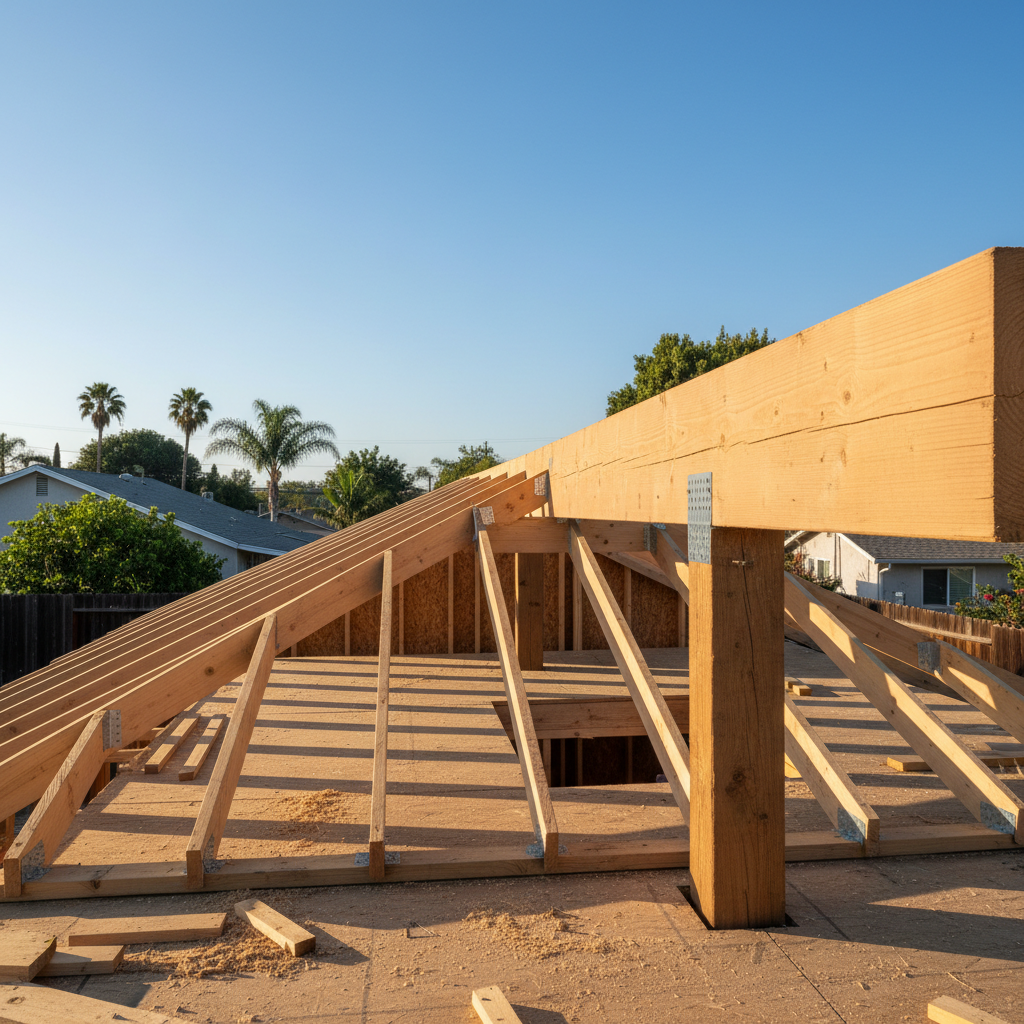
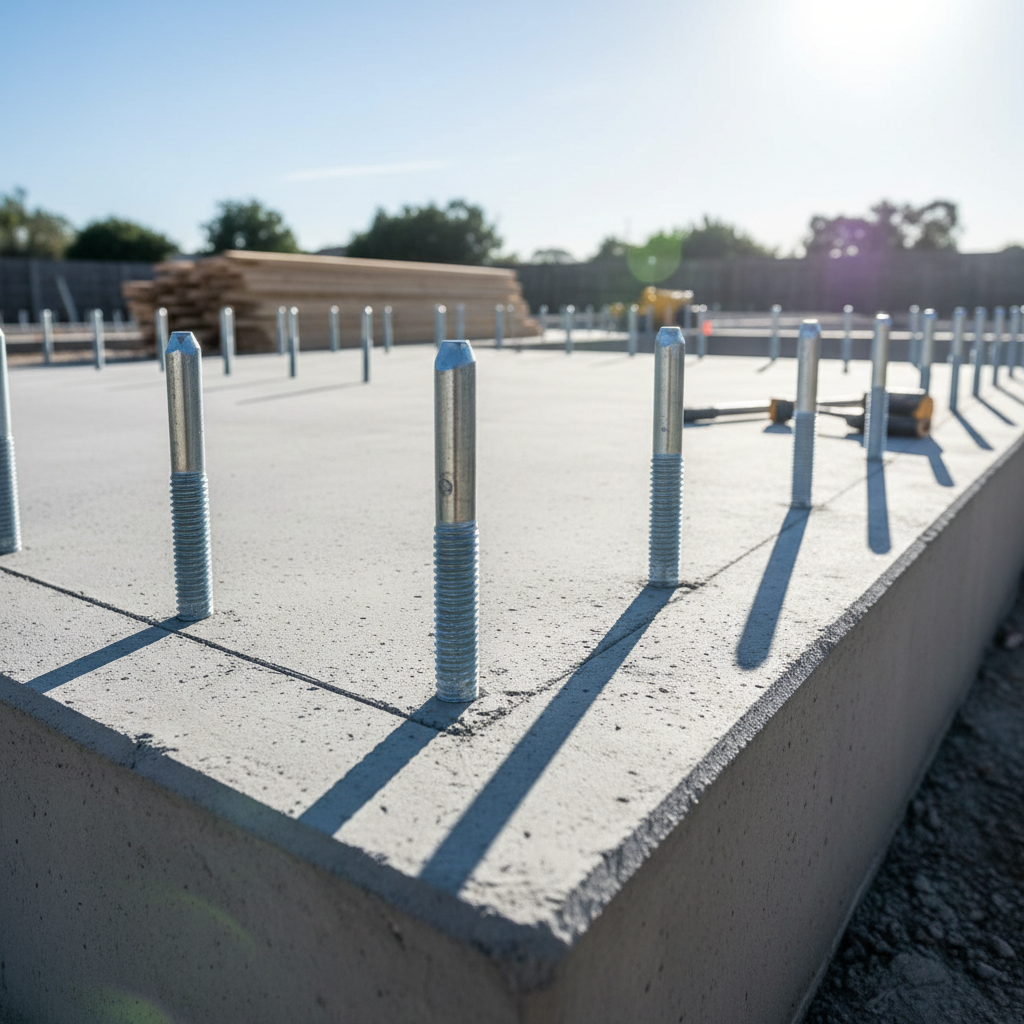
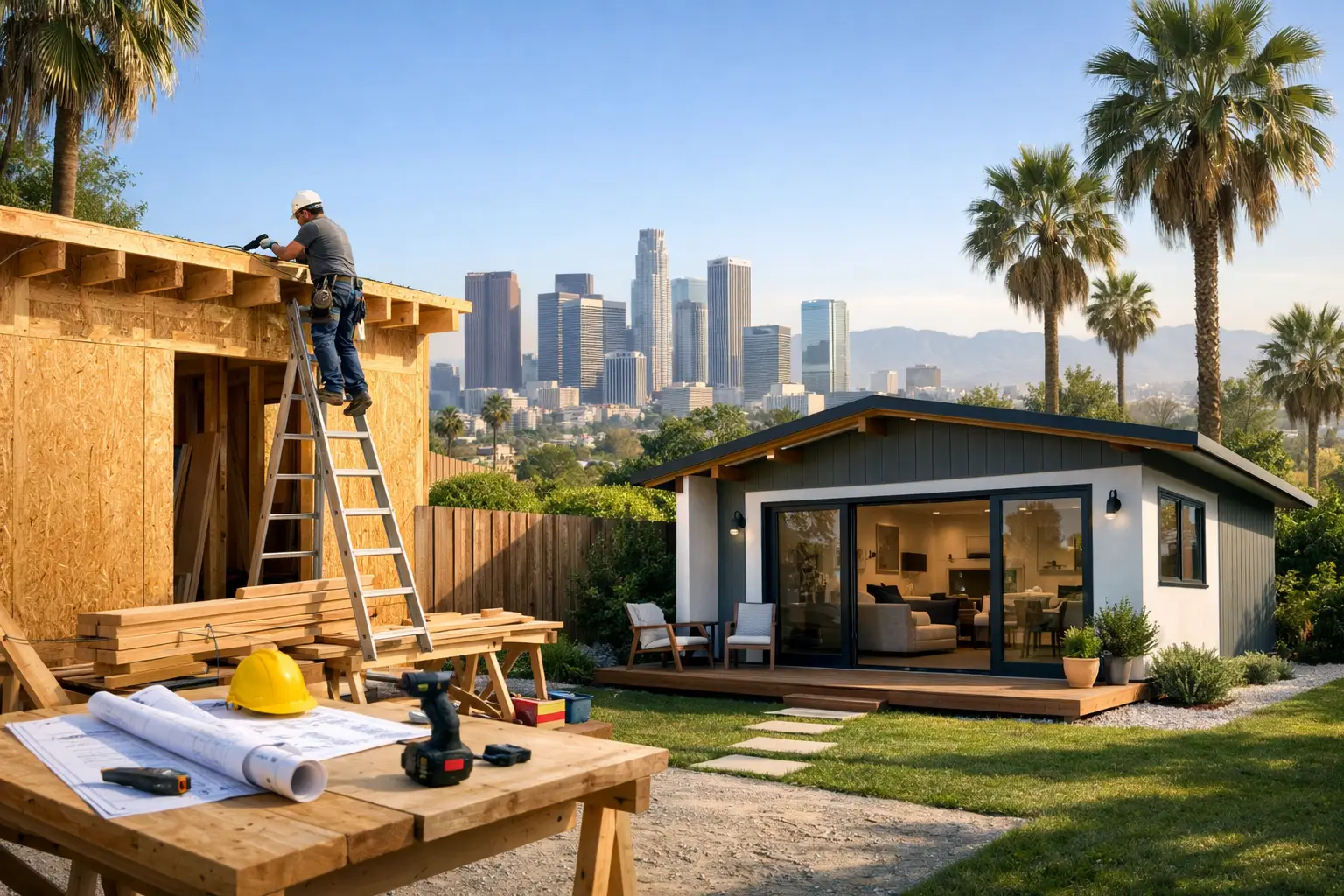
Once permits are issued, the project shifts into construction. This stage includes site preparation, foundation or structural work, framing, rough plumbing and electrical, insulation, drywall, finishes, and final inspections. On paper, that sounds linear. In reality, construction requires careful sequencing, scheduling, material coordination, and active problem-solving.
This is where project management makes a noticeable difference. Homeowners generally do not want to coordinate separate architects, engineers, permit runners, trades, and inspectors while also trying to protect their budget and timeline. An integrated design-build approach reduces handoff issues and keeps responsibility clear.
It also helps with quality control. When the same team understands the project from initial feasibility through construction, the build is more likely to match the approved plans, the budget framework, and the intended use. GatherADU is built around that kind of managed process because ADU projects in Los Angeles rarely go smoothly when homeowners are left to assemble and direct every moving part themselves.
Common delays and how to avoid them
The most preventable ADU delays usually begin early. Incomplete feasibility analysis can lead to redesign. Underdeveloped plans can lead to permit corrections. Unrealistic budgets can stall decision-making halfway through the project.
There are also field-related issues that deserve attention. Limited backyard access can affect labor and delivery costs. Utility upgrades may be required if the existing home systems are undersized. Neighbors, shared fences, and site logistics can influence scheduling more than homeowners expect.
Avoiding delays does not mean every project will be perfect. It means anticipating known pressure points before they become expensive. That is the real value of specialist oversight in a city where regulations and project conditions vary from lot to lot.
What a successful ADU project really looks like
A successful ADU is not just one that passes final inspection. It is one that performs the way you intended. For some homeowners, that means a unit that rents quickly and supports monthly cash flow. For others, it means creating a private place for aging parents, adult children, guests, or remote work.
That is why the best projects begin with clarity, not just enthusiasm. If you understand your property, align the design with your goals, budget realistically, and work through permits and construction with a coordinated team, the process becomes far more manageable.
The right ADU should feel like a smart extension of your property and your plan for the future - not a stressful experiment you hope works out.