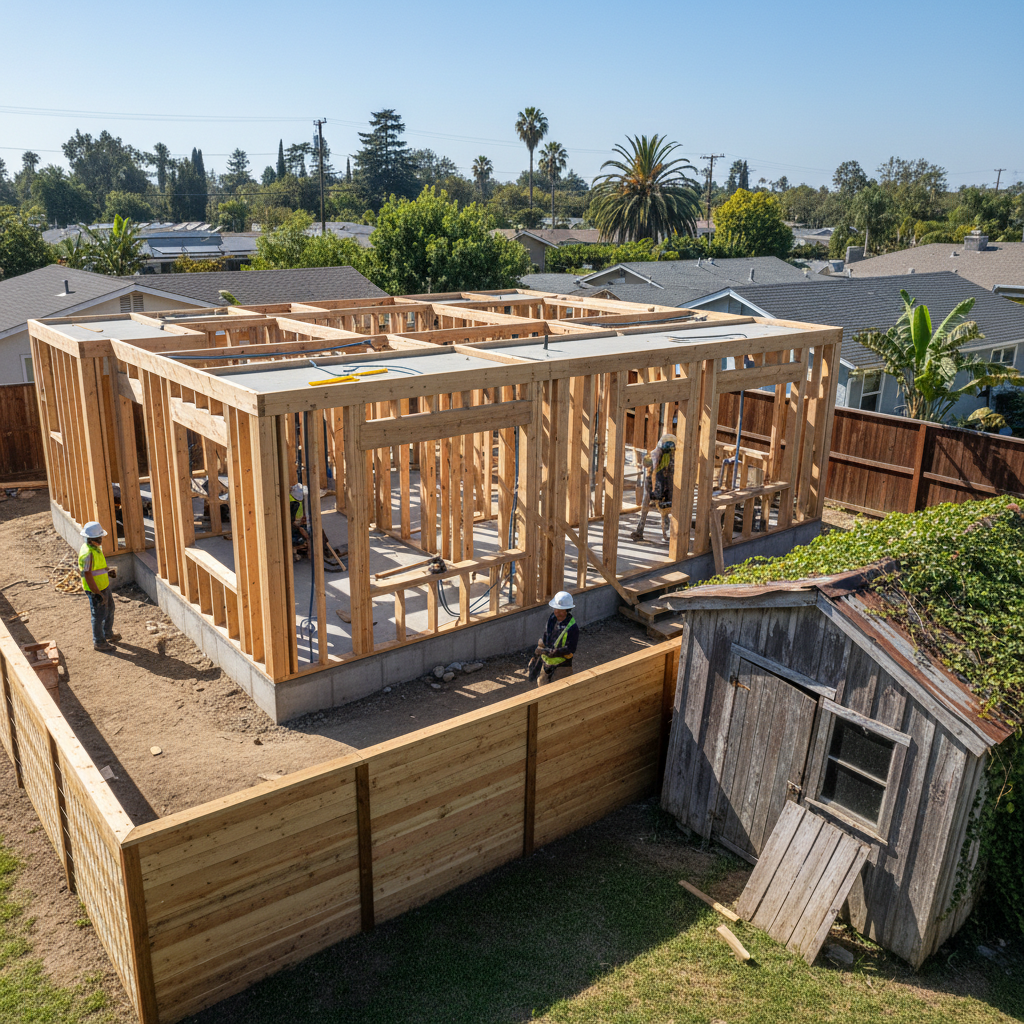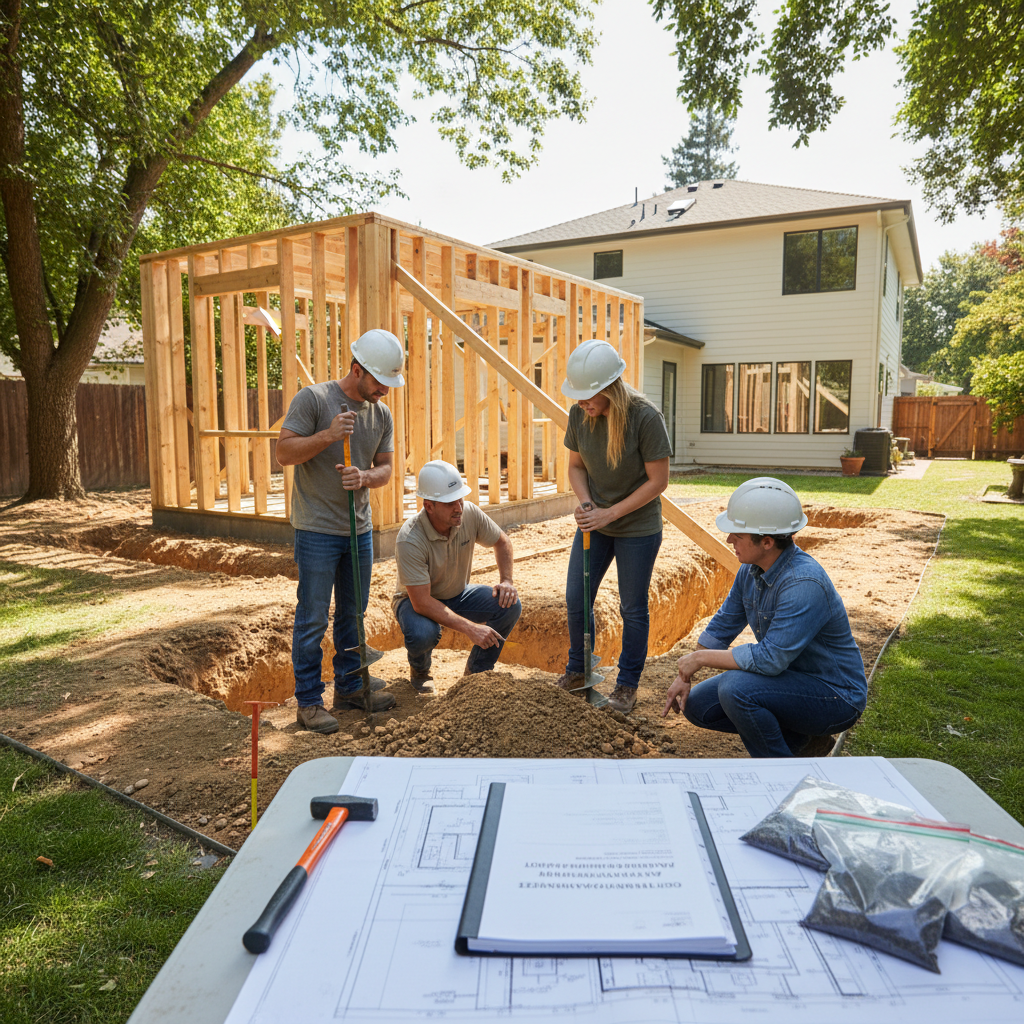

Building an Accessory Dwelling Unit (ADU) in California is an exciting venture, offering homeowners flexibility, rental income, or extra space for family. However, like any significant construction project, it comes with a crucial set of regulatory requirements designed to ensure safety, sustainability, and efficiency. Among these, the ADU energy compliance report stands as a cornerstone of modern construction, ensuring your new backyard home meets California's rigorous energy efficiency standards.
But what exactly is an ADU energy compliance report? Why is it so important, and perhaps most critically, when do you need to submit it to the city? As expert ADU builders in California, GatherADU understands these requirements thoroughly. This comprehensive guide will demystify the ADU energy compliance report, providing you with the knowledge needed to navigate the permitting process smoothly and build an energy-efficient ADU.
What Exactly Is an ADU Energy Compliance Report?
An ADU energy compliance report is a detailed document demonstrating that your proposed Accessory Dwelling Unit design adheres to California's strict energy efficiency regulations, primarily outlined in Title 24, Part 6 of the California Building Standards Code (also known as the California Energy Code). This code, among the most stringent in the nation, aims to reduce energy consumption, lower greenhouse gas emissions, and ensure newly constructed buildings are environmentally responsible and cost-effective to operate.
The Core Purpose: Title 24 Compliance
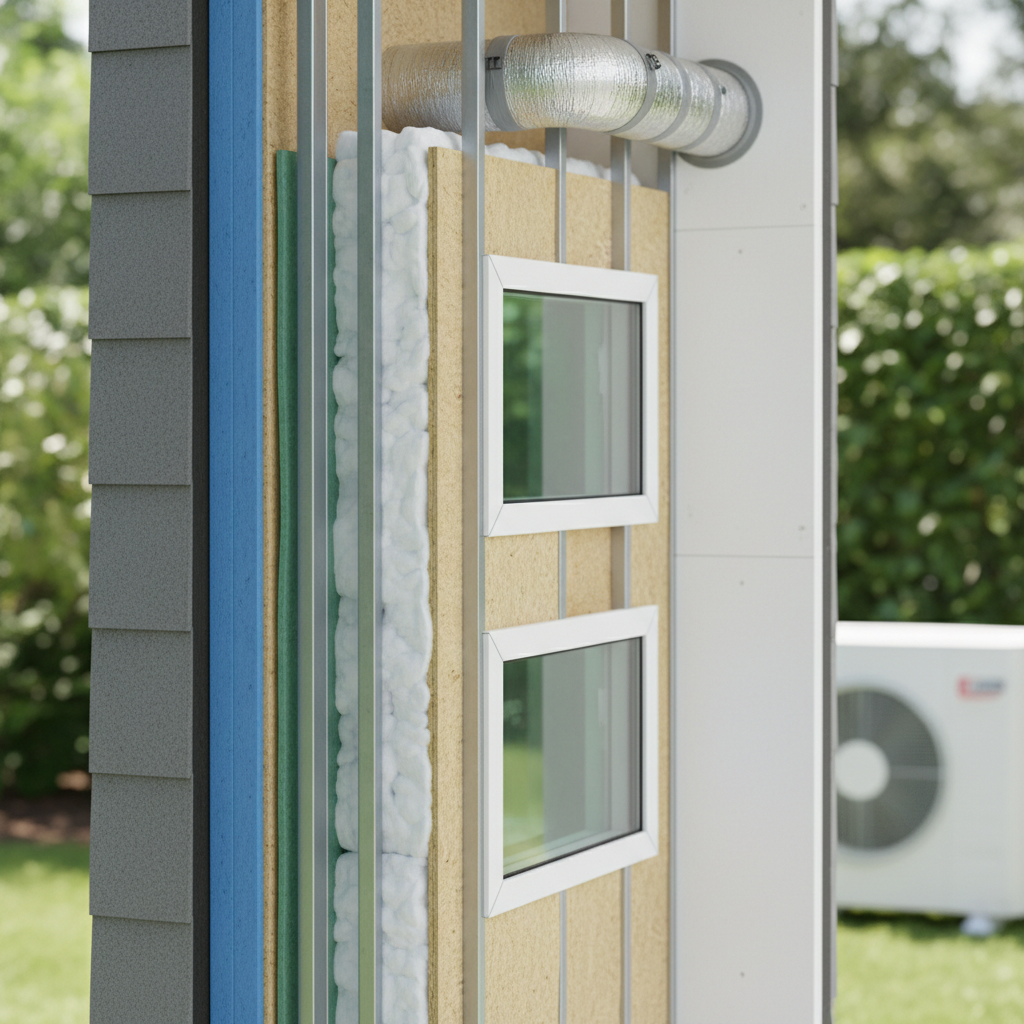
The primary goal of the report is to prove that your ADU's design, from its insulation and windows to its HVAC systems and water heater, will meet or exceed the energy performance benchmarks set by Title 24. These standards are not just about saving energy; they're about creating comfortable, healthy, and durable living spaces.
Key Components of the Report
The report typically analyzes various aspects of your ADU's design, often using specialized energy modeling software (like EnergyPro or CBECC-Res) to calculate the building's projected energy usage. Key components include:
- Building Envelope: Evaluation of insulation levels (R-values) in walls, roofs, and floors, as well as the U-factor and Solar Heat Gain Coefficient (SHGC) of windows and doors.
- HVAC Systems: Assessment of heating, ventilation, and air conditioning equipment efficiency (e.g., SEER for AC, AFUE for furnaces, COP for heat pumps).
- Water Heating: Details on the type and efficiency of the water heating system (e.g., tankless, heat pump water heater).
- Lighting: Specification of high-efficiency lighting fixtures, typically LEDs, throughout the unit.
- Ductwork: Design and sealing requirements for HVAC duct systems to minimize energy loss.
- Renewable Energy: For many new residential constructions and often for new ADUs, a photovoltaic (solar) system is required to offset a portion of the ADU's electricity usage. The report will detail this requirement and its contribution to compliance.
Performance vs. Prescriptive Approach
Energy compliance can generally be achieved through two main pathways:
- Prescriptive Approach: This involves meeting a specific checklist of energy-efficient components (e.g., R-30 insulation, specific window U-factors). It's straightforward but can be less flexible.
- Performance Approach: This more common and flexible method uses energy modeling software to demonstrate that the overall energy performance of the proposed ADU is equivalent to or better than a code-compliant 'standard' building. This allows for tradeoffs (e.g., less insulation in one area might be offset by a highly efficient HVAC system). This approach often requires HERS (Home Energy Rating System) verification during and after construction.
The ADU energy compliance report is typically prepared by a certified energy consultant, an architect, or an engineer with expertise in Title 24 requirements. Their role is to ensure your design not only meets the letter of the law but also provides practical, long-term energy savings.
Why Are Energy Compliance Reports Crucial for Your ADU?
Beyond being a legal requirement, the ADU energy compliance report offers significant benefits for homeowners and the environment:
1. Legal Requirement for Permitting
Simply put, you cannot get a building permit for your ADU in California without an approved energy compliance report. It's a non-negotiable step in the plan check process, ensuring your project aligns with state building codes.
2. Significant Energy Savings and Lower Utility Bills
A well-designed, energy-compliant ADU uses less energy for heating, cooling, and lighting. This translates directly into lower monthly utility bills for you or your tenants, providing long-term financial benefits.
3. Enhanced Comfort and Indoor Air Quality
Energy-efficient construction often includes better insulation, tighter building envelopes, and efficient ventilation systems. This results in a more comfortable living environment with fewer drafts, consistent temperatures, and improved indoor air quality.
4. Increased Property Value
Energy-efficient homes are increasingly attractive to buyers and renters. An ADU with documented energy compliance adds to your property's value and marketability, showcasing its modern, sustainable features.
5. Environmental Responsibility
By minimizing energy consumption, your ADU contributes to California's broader climate goals, reducing your carbon footprint and promoting sustainable development.

When Is the ADU Energy Compliance Report Submitted to the City?
This is a critical question for any ADU project timeline. The ADU energy compliance report is submitted to the city as a mandatory part of your complete building permit application package. This means it must be finalized and included during the plan check phase, well before any construction can begin.
The Permitting Workflow:
- Design Phase: Your architect or designer creates the architectural plans for your ADU.
- Energy Report Preparation: Concurrently or shortly after preliminary design, an energy consultant prepares the energy compliance report based on these architectural plans and chosen mechanical systems. This report often influences design decisions, such as window specifications or insulation levels.
- Structural Engineering: Structural plans are developed.
- Permit Application & Plan Check Submission: Once all plans (architectural, structural, mechanical, plumbing, electrical) and the energy compliance report are complete, they are compiled into a comprehensive permit application package. This entire package is then submitted to the city's building department for plan check review.
- Review and Revisions: City plan checkers, including those specializing in energy code, will review your submission. They may request clarifications or revisions to ensure full compliance.
- Permit Issuance: Once all reviews are passed and any fees are paid, your building permit is issued.
- Construction Begins: Only after the permit is issued can physical construction start.
- HERS Verification (if applicable): If your ADU is using the performance approach, a HERS Rater will perform inspections during construction (e.g., duct leakage tests, insulation verification) and a final inspection to confirm that the built ADU matches the energy report's specifications.
It's crucial to understand that without an approved energy compliance report, your permit application will be considered incomplete and will not proceed through the plan check process. Delays at this stage can significantly push back your project timeline and increase costs.
Given the complexity of these requirements, partnering with an experienced ADU builder like GatherADU can streamline the entire process. We manage all aspects of design, permitting, and construction, ensuring your ADU meets all compliance standards from day one. If you're feeling overwhelmed by the regulatory maze, don't hesitate to book a free ADU consultation with our team.
The Approval Process and What to Expect
Once your complete permit package, including the ADU energy compliance report, is submitted, the city's plan checkers will meticulously review it. Here's what to anticipate:
Initial Review and Comments
The city's energy plan checker will examine your report to ensure all calculations are correct, the proposed design meets Title 24 standards, and it aligns with your architectural and mechanical plans. It's common to receive comments or requests for clarification, especially on complex projects. These might involve:
- Corrections to specific U-factors or R-values.
- Requests for additional documentation on specific equipment.
- Clarifications on renewable energy system sizing.
Revisions and Resubmission
If revisions are required, your energy consultant (or GatherADU's design team) will address the city's comments and update the report. The revised package is then resubmitted for further review. This back-and-forth process is normal and highlights the importance of working with professionals who understand the nuances of the code.
Integration with Other Plans
The energy compliance report is not a standalone document; it must integrate seamlessly with your architectural, structural, and mechanical plans. For example, the window specifications in your architectural drawings must match those in your energy report. Any discrepancies can lead to delays.
HERS Rater Involvement (for Performance Approach)
If your ADU uses the performance approach, the energy report will specify a HERS Rater to conduct field verifications. These independent raters ensure that what was designed on paper is accurately built in the field. They perform critical inspections at various stages, such as:
- Rough-in Inspection: Verifying insulation installation, duct sealing, and window specifications before walls are closed up.
- Final Inspection: Testing HVAC system performance, verifying water heater installation, and ensuring all energy features are installed as per the approved plans.
These verifications are typically required before the city will issue a final occupancy permit for your ADU.
Common Challenges and How to Avoid Them
While navigating the ADU energy compliance report process can seem daunting, being aware of potential pitfalls can help you avoid costly delays:
- Outdated Code Versions: Energy codes are updated periodically. Ensure your report is based on the most current version applicable at the time of your permit application.
- Inaccurate Data or Calculations: Errors in input data or calculations can lead to rejections. Professional energy consultants use specialized software and have the expertise to minimize these errors.
- Mismatch Between Plans and Report: As mentioned, all project documents must be consistent. A change in window type on the architectural plans that isn't reflected in the energy report will cause issues.
- Not Planning for Energy Efficiency Early: Trying to make an energy report fit a design after it's finalized can be difficult and expensive. Integrating energy efficiency considerations from the initial design phase is far more effective.
- Choosing the Wrong Consultant: Not all energy consultants are equally experienced, especially with ADU-specific challenges. Select a professional with a proven track record in California ADUs.
At GatherADU, we integrate energy compliance into our design-build process from the very beginning. Our team works closely with energy consultants to ensure your ADU design is not only beautiful and functional but also meets all Title 24 requirements seamlessly. This proactive approach minimizes revisions and helps keep your project on schedule and within budget. If you're ready to start your ADU journey with confidence, get your free project estimate today.

Working with GatherADU for Energy Compliance
Navigating the intricacies of an ADU energy compliance report and the broader permitting process can be one of the most challenging aspects of building a backyard home. This is where GatherADU's expertise becomes invaluable.
As a full-service design-build company specializing in California ADUs, we handle every step of your project, including:
- Integrated Design: Our design team works hand-in-hand with energy consultants from the earliest stages, ensuring your ADU's design is inherently energy-efficient and compliant with Title 24.
- Expert Report Preparation: We coordinate with certified energy professionals to prepare accurate, comprehensive ADU energy compliance reports tailored to your specific project and the latest California codes.
- Streamlined Permitting: We manage the entire permit application and plan check process, submitting all necessary documentation, including your energy report, to the city on your behalf. We're adept at responding to city comments and facilitating any required revisions.
- Construction Oversight: During construction, we ensure that all energy-efficient features specified in the report, from insulation to HVAC systems, are installed correctly and pass any required HERS verifications.
- Peace of Mind: Our integrated approach means you don't have to juggle multiple contractors or worry about compliance issues. We handle it all, providing a single point of contact and accountability.
Conclusion
The ADU energy compliance report is more than just a bureaucratic hurdle; it's a vital document that ensures your Accessory Dwelling Unit is built to the highest standards of energy efficiency, sustainability, and long-term cost savings. Understanding what it is, why it's required by California law, and when it needs to be submitted to the city is crucial for a successful ADU project.
By submitting the report as part of your initial permit application package during the plan check phase, you lay the groundwork for a smooth approval process and an ADU that will deliver comfort and efficiency for years to come. Don't let the complexities of energy compliance deter you from realizing your ADU dreams. Partner with GatherADU, California's premier ADU design and build experts, to ensure your project meets all requirements seamlessly.
Ready to build an energy-efficient ADU without the hassle? Book a free ADU consultation with GatherADU today and let our experts guide you through every step, from design to final inspection.