

Project Overview
Adding detached accessory dwelling units (ADUs) in California is no longer just for single-family lots. State law now lets multifamily owners build up to two detached ADUs, provided each structure meets basic height, setback, and fire‐safety rules.
Project Details
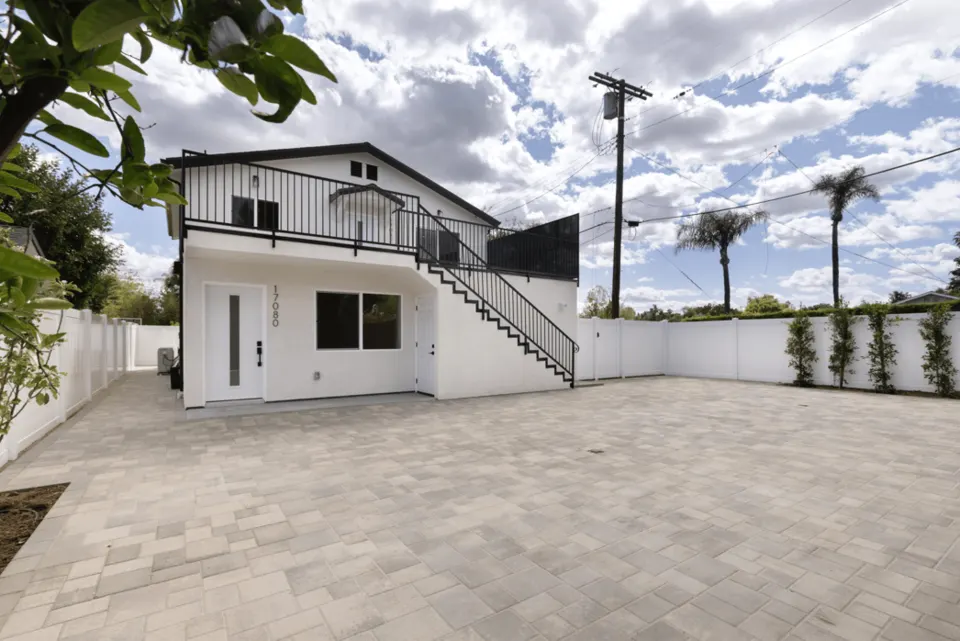
Adding detached accessory dwelling units (ADUs) in California is no longer just for single-family lots. State law now lets multifamily owners build up to two detached ADUs, provided each structure meets basic height, setback, and fire‐safety rules. This case study walks through a high-end duplex ADU in Glendale—two mirror-image, 1,000 square-foot homes rising behind an existing apartment building. Each residence delivers three bedrooms and three full baths across two stories, with nine-foot ceilings, upscale finishes, and a ground-floor guest suite.
Why a Duplex ADU Made Sense in Glendale
Glendale sits in the heart of the Los Angeles rental market, where vacancy rates are chronically low and demand for family-sized units is high. The property owner already held a four-plex on a deep, 7,500 sq ft lot zoned R-2250 (medium‐density residential). By tucking a detached, two-unit ADU at the rear—outside the shared yard and within the city’s four-foot side- and rear-setback rule—the owner could add 2,000 sq ft of rentable space without triggering a discretionary review. Because each unit stayed below the 1,200 sq ft ADU size cap in state law, the project qualified for Glendale’s by-right ministerial approval process.

Massing, Height, and Exterior Form
State standards allow multifamily ADUs up to 18 feet tall (plus a modest roof pitch) when they sit at least four feet from side and rear property lines. The design team chose a 22 × 48 foot footprint—long enough to fit two units split by a rated demising wall yet narrow enough to clear mature jacaranda trees near the fence. A low-slope gable roof hides a compact attic for mechanical ducts and keeps the overall ridge below the 18-foot threshold. Fiber-cement clapboard, charcoal standing-seam metal accents, and black-framed windows match newer infill projects a few blocks away on Brand Boulevard, helping the ADU blend into the neighborhood fabric.
Floor-Plan Logic
A private entry for each home faces a new concrete walkway that wraps the main building, keeping residents out of the shared driveway. Inside, the first floor offers an open great room anchored by an L-shaped kitchen. A guest bedroom in the rear corner has direct access to a full bath—perfect for aging parents or a roommate who prefers no stairs. The second level holds two more bedrooms, each with an ensuite bath. The larger of the two claims the title of primary suite thanks to a five-piece bathroom, walk-in closet, and a nine-foot tray ceiling that makes the 1,000 sq ft footprint feel generous.
Placing plumbing stacks back-to-back at the midline keeps rough-in costs predictable, and stacking bathrooms upstairs helps with fire separation at the common wall. Each home meets the California Residential Code’s egress-window rule by using 4' × 4' casement units in every bedroom—an approach that balances daylight, ventilation, and emergency escape in one move.
Interior Finish Package
Glendale’s renter pool skews toward young professionals and extended families seeking “move-in ready” homes with a touch of luxury. To meet that demand, the owner selected the following finish palette:
- Floors: 12 mm luxury-vinyl plank with an underlayment that hits 50 IIC for sound control—critical in a two-story unit.
- Kitchens: Full-overlay shaker cabinets in matte white, 2cm quartz countertops, and stainless appliances (30" gas range, 24" dishwasher, counter-depth fridge).
- Baths: Large-format porcelain tile to the ceiling, frameless glass showers, dual-flush toilets, and quartz vanity tops.
- Lighting: Recessed LED cans throughout, with pendant fixtures over the peninsula for task lighting.
- HVAC: 18-SEER slim ducted heat-pump system sized at 1 ton per floor, quietly meeting Glendale’s energy-code targets and Title 24 load calculations.
Energy and Sustainability Touchpoints
California Title 24 sets minimum performance thresholds for envelope insulation, windows, and equipment. The duplex complies with an R-15 blown-in fiberglass wall cavity, an R-38 high-density roof deck, and U-0.28 low-E windows. A dedicated heat‐pump water heater per unit, placed in a first-floor utility closet, captures indoor heat in summer, reducing cooling loads, while a 3.2 kW rooftop solar array offsets common-area electric use under Glendale Water & Power’s net-metering program.

Permitting Roadmap
Because the lot already hosted a multifamily building, the application followed California’s “two detached ADUs” path. Key steps included:
- Zoning Clearance: Staff confirmed that height, setbacks, and lot coverage aligned with SB 897 and Glendale’s municipal code.
- Plan Check: Structural, Title 24, and CALGreen sheets were routed to Building & Safety. Fire sprinklers were required because the combined fire area exceeded 500 sq ft and the main structure was already sprinklered.
- Ministerial Review: No neighborhood notice or public hearing was needed, greatly reducing timeline risk.
- Utility Signoffs: The owner upgraded the electrical service from 400 A to 600 A to support both ADUs and installed a new dedicated water meter bank, a best practice when adding rental units.
Plan-review times vary, but Glendale typically returns first corrections on ADUs in six to eight weeks. A complete resubmittal often clears within the following month, making a four-to-five-month total entitlement window realistic when drawings arrive “permit ready.”
Construction Sequence
Site work began with trenching for a 4-inch sewer lateral and a joint utility trench for electric, water, and telecom. A slab-on-grade foundation with deepened perimeter footings provided a cost-effective base. Framing used kiln-dried Douglas fir, and fire-rated Type X sheathing lined the party wall to meet one-hour separation. Because the demising wall runs from footing to roof sheathing, noise and fire protection meet code for town-house separation, even though the structure is still classed as a single ADU building under California law.
Rough trades closed in under eight weeks, followed by insulation, drywall, and finish carpentry. Setting cabinets and tile in both homes concurrently kept subcontractors on site and reduced mobilization costs. Total build time finished at just over seven months, including rainy-season delays.
Budget Snapshot and Economic Upside
High-finish ADUs in Los Angeles County often land in the $300–$350 per-square-foot range by the time design, permits, and trenching are folded in. At 2,000 finished square feet, the duplex budget came in near the midpoint of that band. Because rental demand in Glendale for new three-bedroom units sits north of $4,000 per month, the duplex is projected to gross roughly $96,000 a year. Even after maintenance, insurance, and property-tax carry, the net operating income is strong enough to support favorable refinancing terms, unlocking equity for future projects.
Lessons for Multifamily Owners
Building a detached duplex ADU behind an existing apartment can feel complex, but three practices minimize surprises:
- Treat it like new multifamily construction. Fire separation, sound ratings, and utility sizing all matter.
- Stay inside by-right rules. Height under 18 ft, four-foot setbacks, and sub-1,200 sq ft per unit keep you out of discretionary review.
- Design for families or roommates. A first-floor guest suite and ensuite baths upstairs widen the tenant pool and justify premium rents.
By following state ADU laws and Glendale’s streamlined permit path, this project converted underused rear‐lot space into two full luxury homes. The result is extra housing in a supply-constrained city, a stronger balance sheet for the owner, and a case study other multifamily landlords can mirror—right down to the last square foot.
Our Approach
Discovery & Planning
We analyzed the property, zoning regulations, and homeowner goals to create a customized feasibility plan.
Design
Our designers created custom floor plans maximizing space while respecting the budget and aesthetic preferences.
Permitting
We navigated city requirements and handled all paperwork, securing permits efficiently.
Construction
Our licensed contractors brought the ADU to life with premium materials and meticulous attention to detail.
Glendale ADU Market Insights
Glendale is located in Los Angeles County and represents one of the most dynamic ADU markets in the area. With a population of 196,000 and median home prices of $1,050,000, the demand for accessory dwelling units continues to grow as homeowners seek to maximize their property value and generate additional income.
Why Build an ADU in Glendale?
ADU Investment Potential in Glendale
Building an ADU in Glendale represents a significant investment opportunity. Based on current market conditions and rental rates in the Los Angeles County area, homeowners can expect strong returns on their ADU investment. The combination of high rental demand, favorable regulations, and property value appreciation makes this an attractive option for long-term wealth building.
Investment Note: ADUs in Glendale typically pay for themselves within 8-12 years through rental income alone, while also providing immediate property value appreciation. Many homeowners also benefit from tax advantages and depreciation deductions.
Ready to Book My Free Consultation in Glendale?
Get expert guidance on designing and building your own accessory dwelling unit. Our team specializes in Los Angeles County ADU projects.
ADU Regulations in Glendale
Understanding local ADU regulations is crucial for a successful project. Glendale follows California state ADU laws while implementing local standards. Here are the key regulations that applied to this project and similar builds in the area.
Size Limits
- Detached ADU: Up to 1,200 sq ft
- Attached ADU: 50% of primary home
- JADU: Up to 500 sq ft
- No minimum size requirement
Setbacks
- Rear setback: 4 feet minimum
- Side setback: 4 feet minimum
- No front setback for JADUs
- Conversions: Existing setbacks apply
Height Limits
- Detached: 16-18 feet typical
- 2-story ADUs: Up to 25 feet
- Must not exceed primary dwelling
- Local variations may apply
Parking
- No parking within 1/2 mile of transit
- Garage conversions: No replacement
- JADUs: No parking required
- Tandem parking allowed
Pro Tip: California's ADU laws are updated regularly. Our team stays current on all local and state regulations in Glendale to ensure your project meets current requirements and takes advantage of all available streamlining provisions.
Frequently Asked Questions About ADUs in Glendale
How long does it take to get ADU permits in Glendale?
Glendale currently processes ADU permits in approximately 8-14 weeks. California law requires cities to approve or deny ADU applications within 60 days. Many jurisdictions, including Glendale, offer expedited processing for standard designs and pre-approved plans.
What is the rental income potential for an ADU in Glendale?
Based on current market rates in Los Angeles County, a 1-bedroom ADU can rent for approximately $2,300/month, while 2-bedroom units command around $3,000/month. This translates to an estimated annual return of 4.0% on your investment.
Do I need to live on the property to build an ADU in Glendale?
California law prohibits cities from requiring owner-occupancy for ADU permits. You can build an ADU on your property regardless of whether you live there. However, some financing options may have occupancy requirements, and short-term rental rules vary by location.
Can I Airbnb my ADU in Glendale?
Short-term rental regulations vary by city and neighborhood. Glendale has specific rules governing vacation rentals that may require registration, permits, or occupancy requirements. We recommend consulting local regulations and our team can help you understand the options for your specific property.
ADU Services in Nearby Los Angeles County Areas
GatherADU provides comprehensive ADU design and construction services throughout Los Angeles County. We serve homeowners in Glendale and surrounding communities with the same expert guidance and quality craftsmanship demonstrated in this project.
Whether you're considering a detached adu like this project or exploring other ADU options, our team understands the unique characteristics and regulations of each neighborhood in the Los Angeles County area. Contact us to discuss your specific property and goals.
Helpful ADU Resources
Explore our comprehensive ADU resources to learn more about the process, costs, regulations, and design options available to you.
Explore Similar Projects
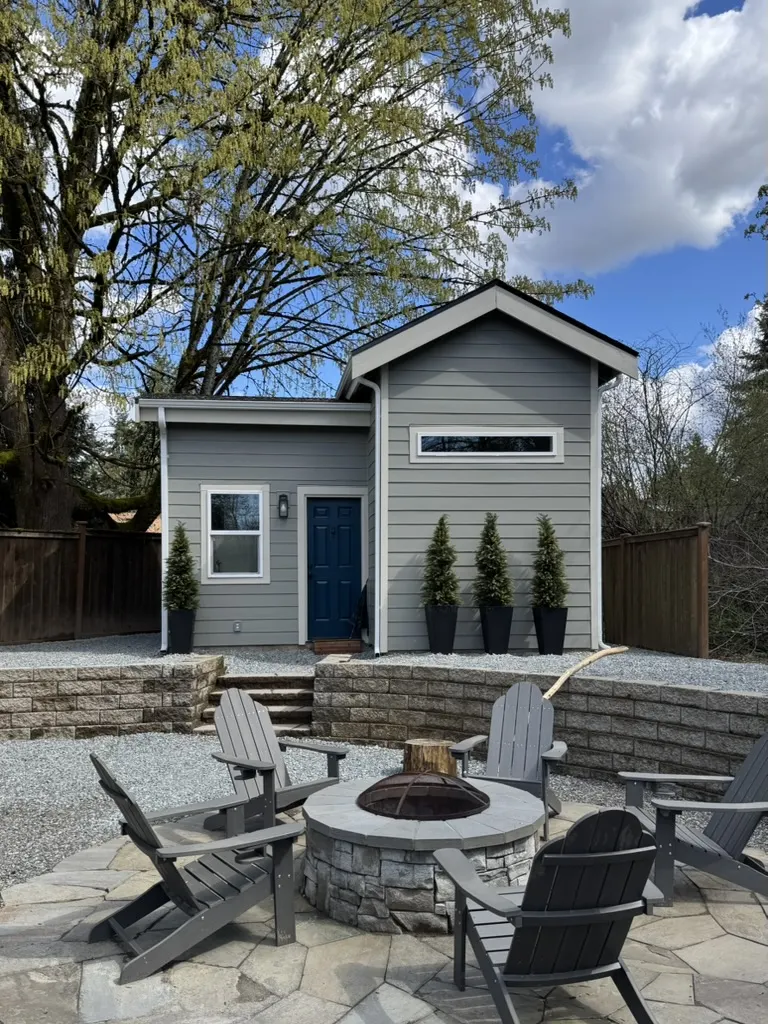
262 sq ft Detached Tiny House ADU in Kent, WA
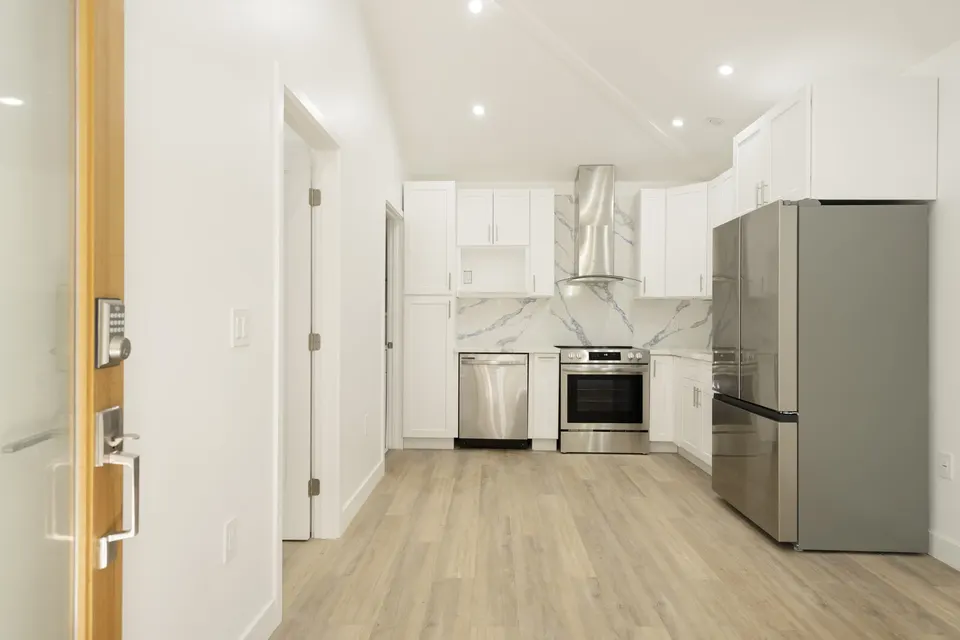
450 Sq Ft Garage Conversion ADU in Thousand Oaks
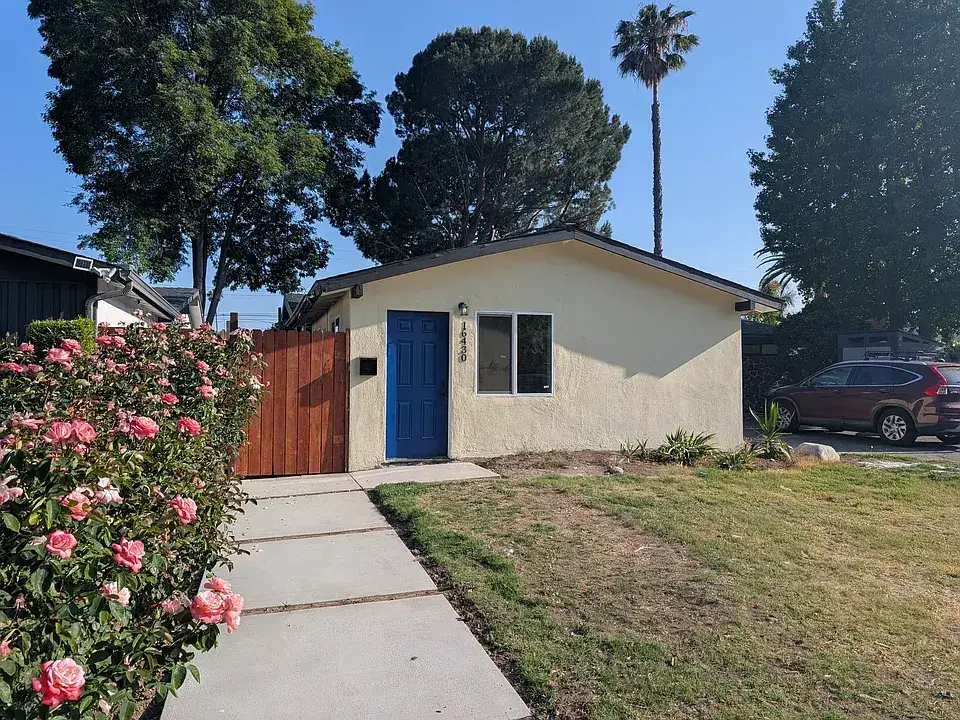
Granada Hills Garage Conversion: A 400-Square-Foot ADU That Rents for $2,200 a month
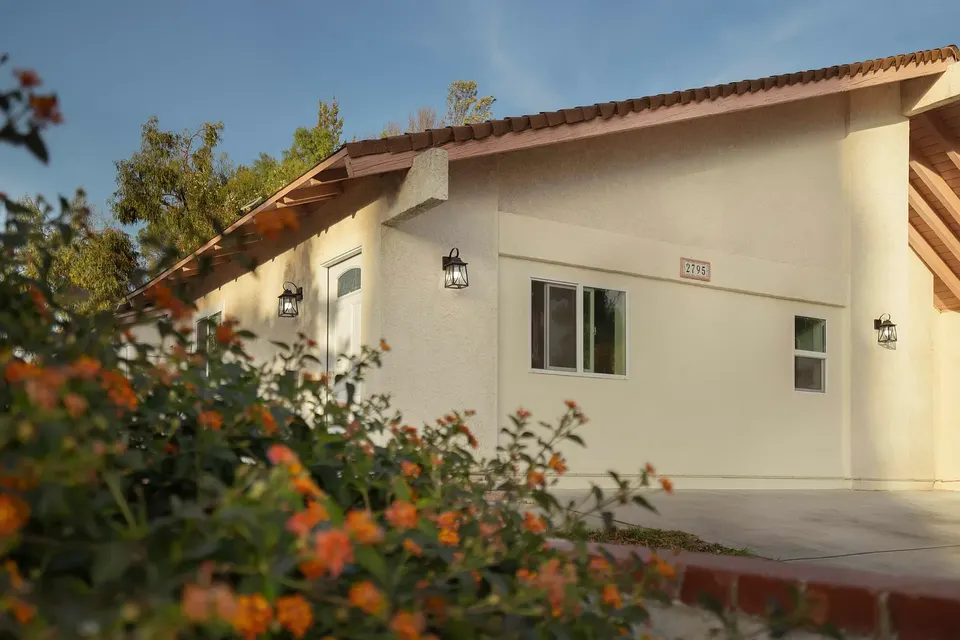
Simi Valley 400 sq ft Garage Conversion ADU: 1-Bed, 1-Bath with Modern Full-Size Kitchen
New Construction Detached ADU + SB-9 Home (800 sq ft + 1,200 sq ft) in Los Angeles
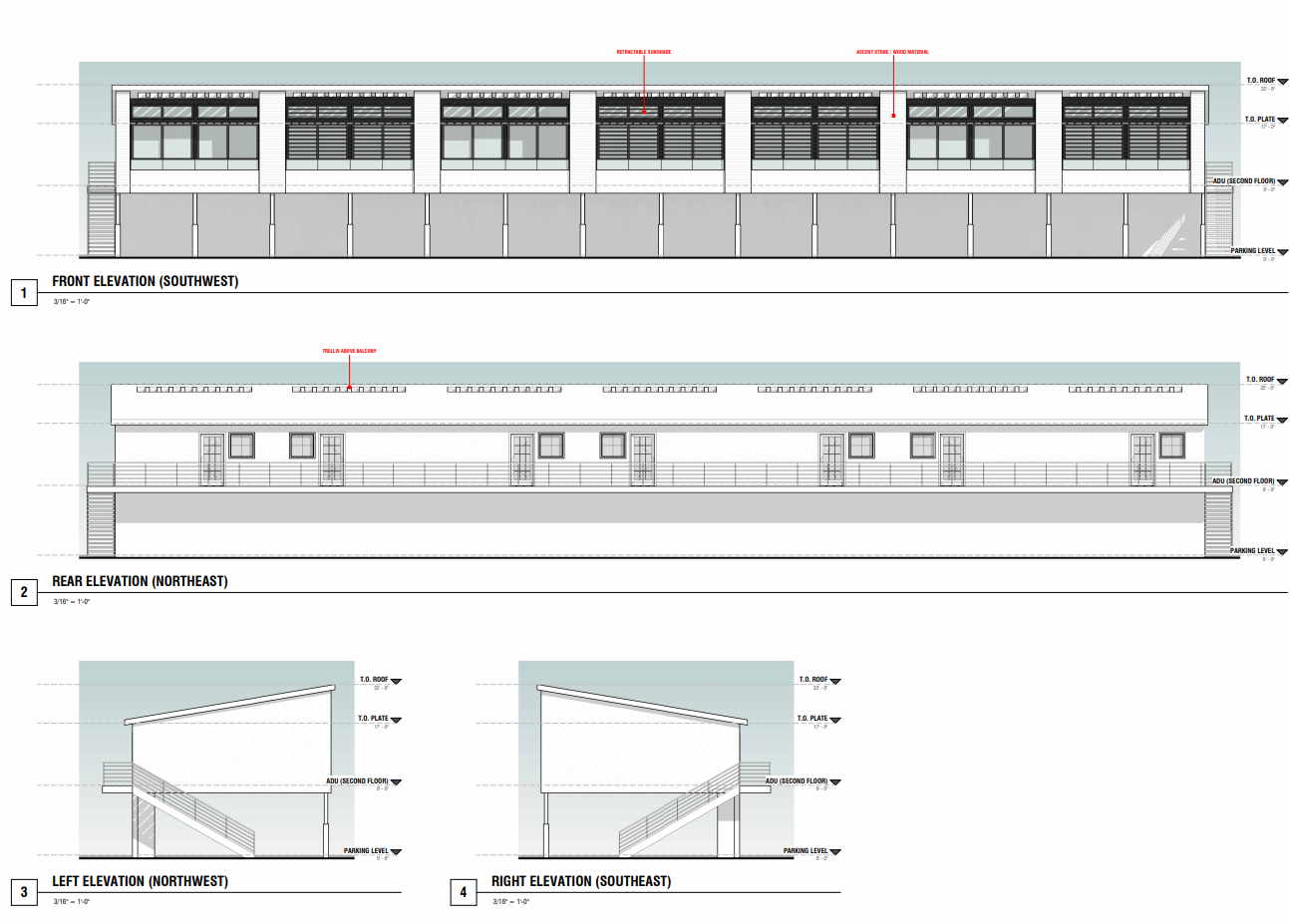
8 ADUs on 1 Property in Los Angeles (SB1211)
Let's talk about
your space.
Tell us what you have in mind, even if you're not sure which kind of ADU makes sense yet. We'll start with the property and your goals.