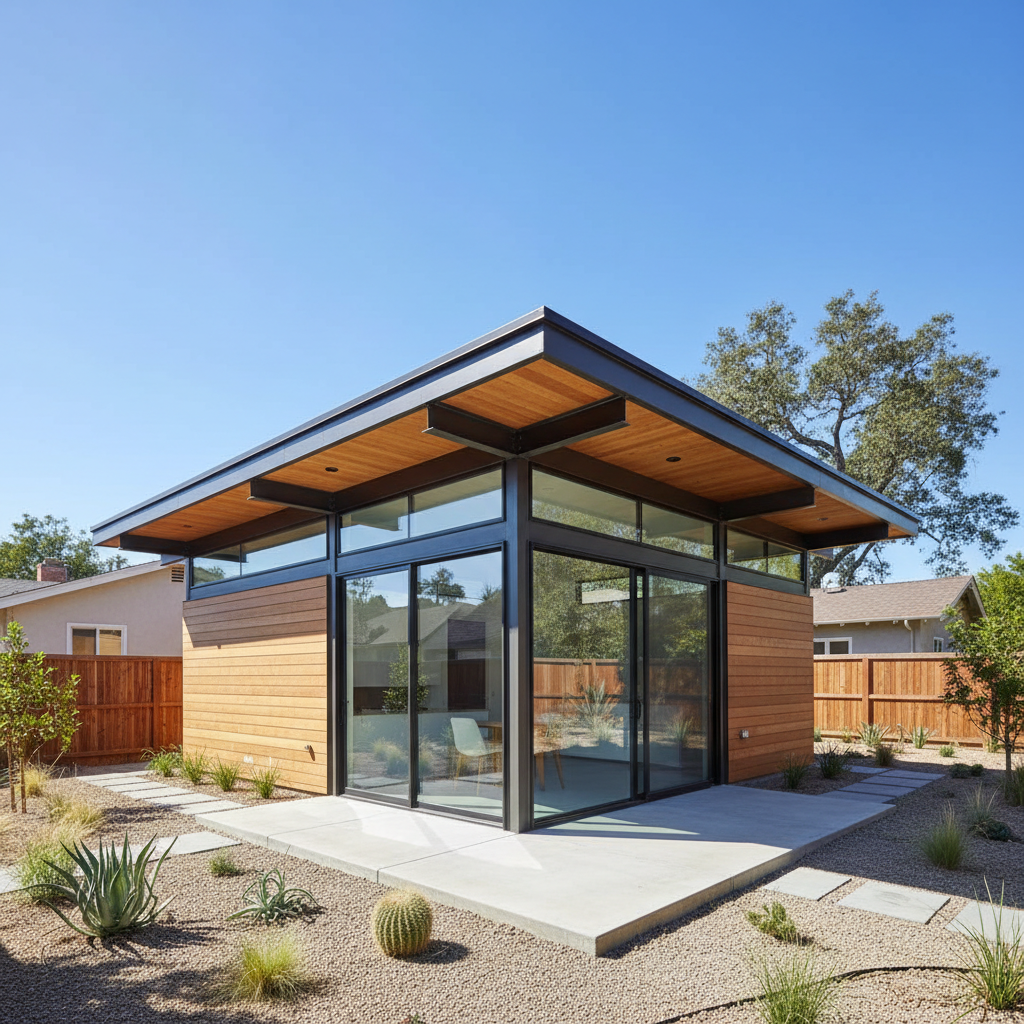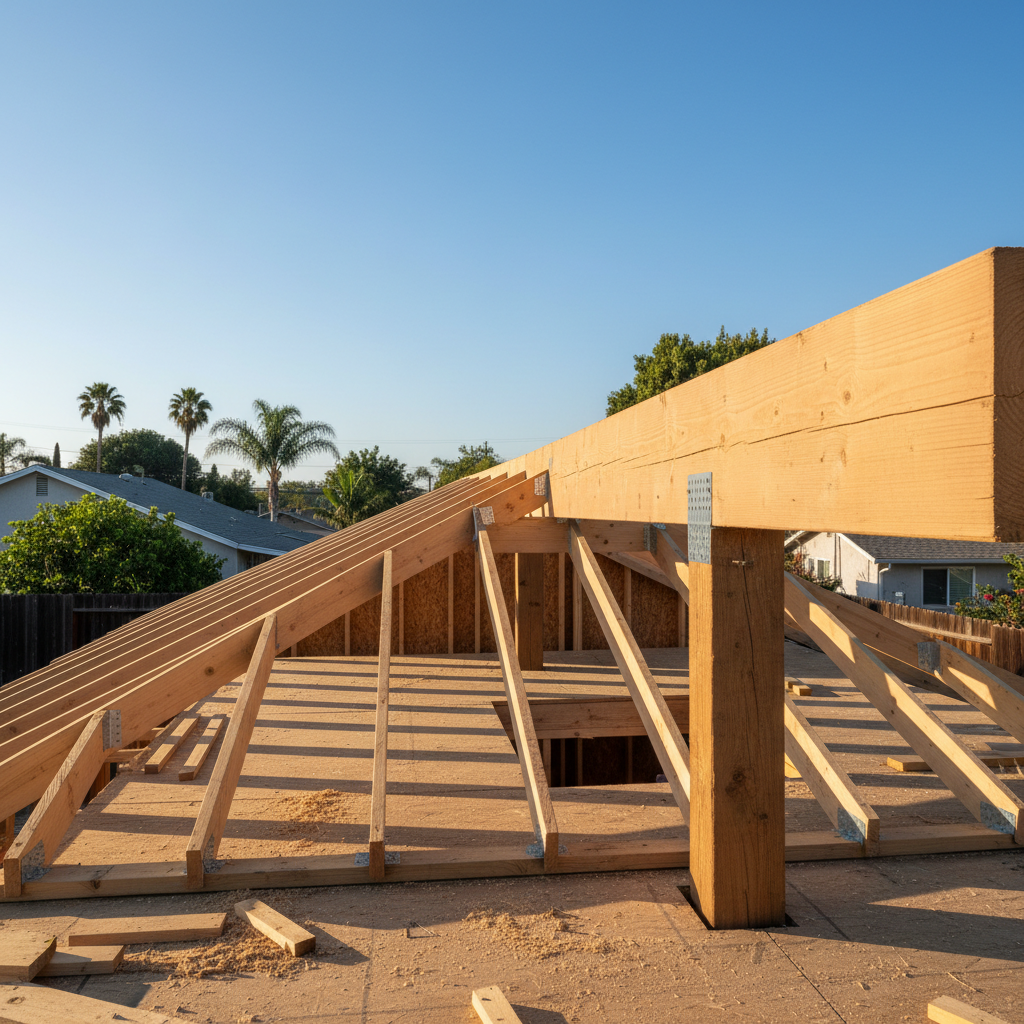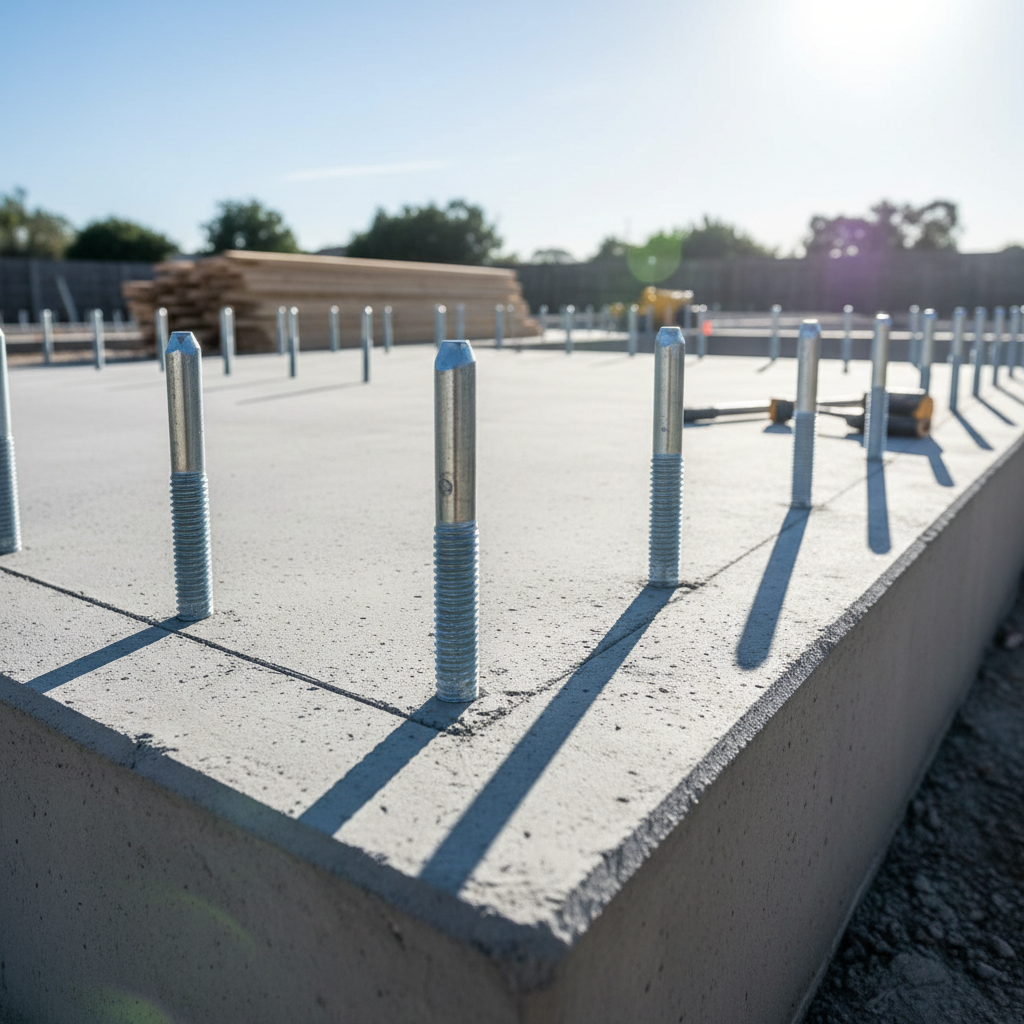
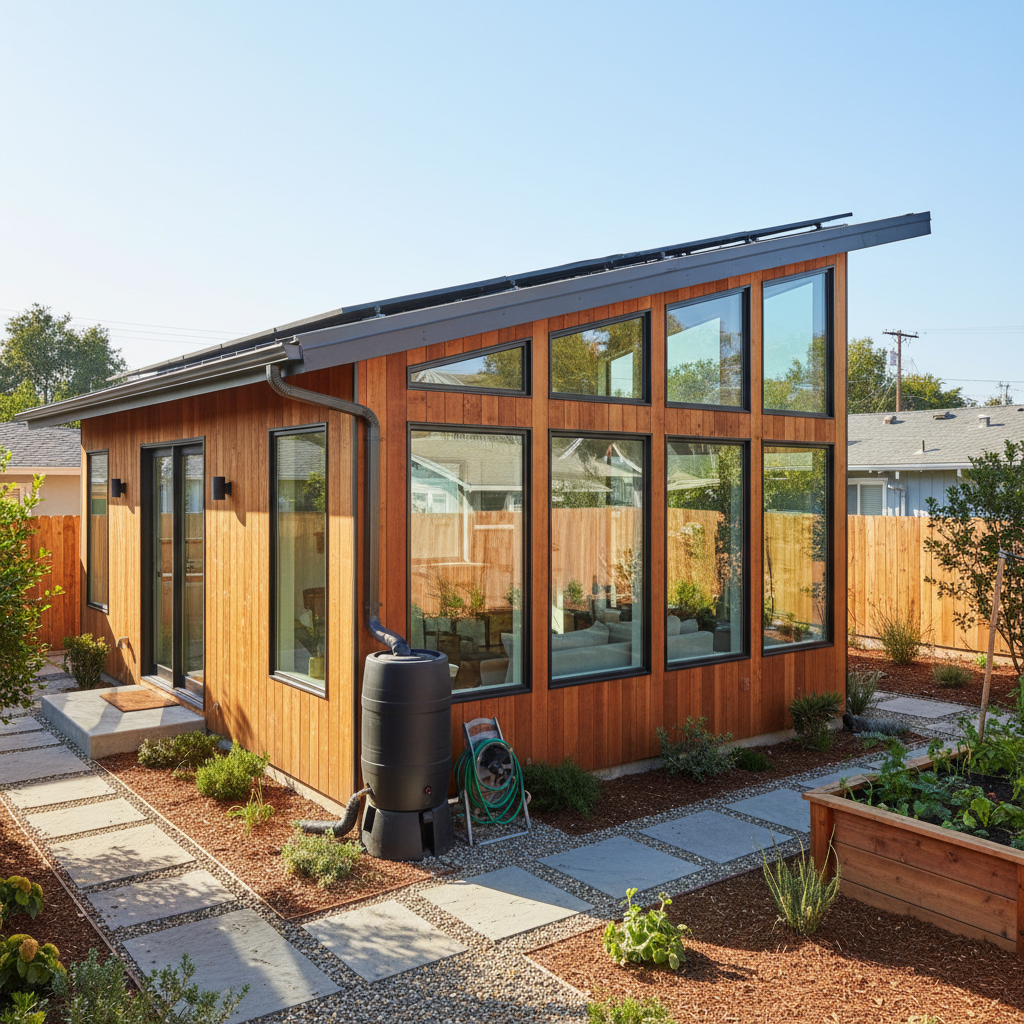
Building an Accessory Dwelling Unit (ADU) in California offers incredible opportunities to expand your living space, generate rental income, or provide housing for loved ones. However, embarking on an ADU project means navigating a range of state and local regulations. Among the most significant of these is the California Green Building Standards Code, commonly known as CalGreen. For any homeowner considering an ADU, understanding CalGreen ADU California requirements isn't just about compliance—it's about building a more sustainable, efficient, and healthier home.
At GatherADU, we believe that informed homeowners make the best decisions. This comprehensive guide will demystify CalGreen, explain its core principles, and detail exactly how it applies to your ADU project, ensuring your backyard home meets California's rigorous environmental standards.
What Exactly Is CalGreen?
The California Green Building Standards Code (CalGreen) is a statewide mandatory code that sets minimum requirements for sustainable construction in California. It was the first statewide green building code in the U.S. when it was first adopted in 2008 and became mandatory in 2011. Its primary purpose is to improve public health, safety, and welfare by enhancing the design and construction of buildings to reduce their environmental impact.
CalGreen isn't just a suggestion; it's a critical component of California's broader efforts to combat climate change, conserve natural resources, and promote sustainable development. It applies to most new construction projects, including residential, commercial, and public buildings, as well as certain additions and alterations.
Key Objectives of CalGreen:
- Reduce environmental impact: Minimize the carbon footprint of buildings.
- Promote healthier indoor environments: Improve air quality and occupant well-being.
- Conserve natural resources: Focus on water, energy, and material efficiency.
- Divert construction waste: Reduce the amount of waste sent to landfills.
The Core Principles and Areas of CalGreen Compliance
CalGreen is structured around several key areas, each addressing a different aspect of sustainable building. While the code itself doesn't directly set energy efficiency standards (those are covered by Title 24, Part 6, also known as California's Energy Code), it works in conjunction with other state codes to create a holistic approach to green building.
1. Planning and Design
This section addresses site development, including aspects like storm water drainage and erosion control, reducing heat island effect, and designating areas for recycling.
2. Energy Efficiency (Integration with Title 24, Part 6)
While CalGreen doesn't specify energy requirements, it mandates that buildings comply with California's Energy Code (Title 24, Part 6). This means your ADU must meet stringent standards for insulation, windows, HVAC systems, and lighting to minimize energy consumption. CalGreen ensures this integration, making energy efficiency a de facto requirement.
3. Water Efficiency and Conservation
One of the most critical aspects of CalGreen, especially in drought-prone California, is water conservation. This includes:
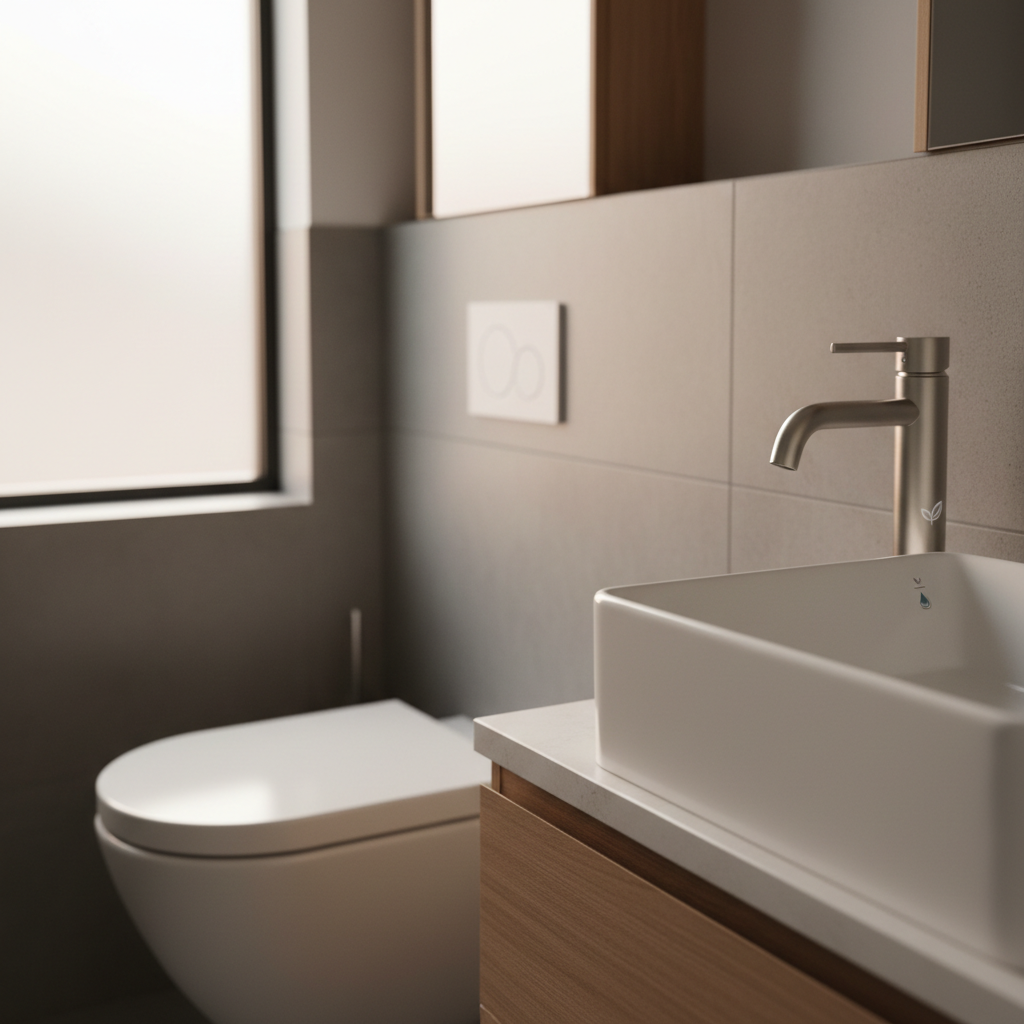
- Low-flow plumbing fixtures: Toilets, faucets, and showerheads must meet strict water-saving standards.
- Water-efficient landscaping: Requirements for irrigation systems and drought-tolerant plant choices.
- Wastewater reduction: Encouraging efficient use of water throughout the building.
4. Material Conservation and Resource Efficiency
CalGreen promotes the use of sustainable materials and responsible waste management:
- Construction waste reduction: A significant portion (typically 65% or more) of construction and demolition waste must be diverted from landfills through recycling or reuse.
- Recycled content: Encouraging the use of materials with recycled content.
- Regionally sourced materials: Reducing the environmental impact of transportation.
- Sustainable wood products: Promoting sustainably harvested lumber.
5. Environmental Quality
This section focuses on creating healthier indoor environments:
- Indoor Air Quality (IAQ): Mandates the use of low-VOC (volatile organic compound) paints, adhesives, sealants, and flooring to reduce harmful off-gassing.
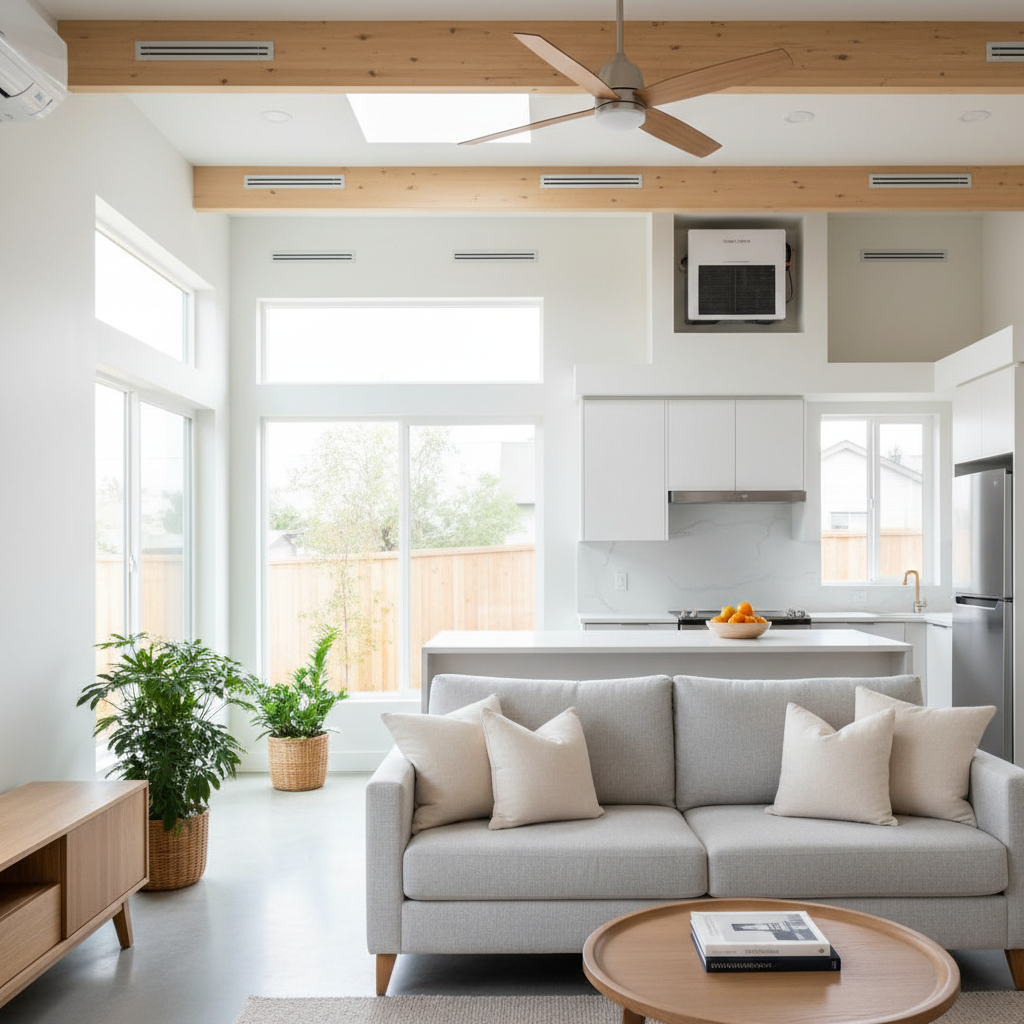
- Ventilation: Requirements for adequate ventilation systems to bring in fresh air.
- Moisture control: Measures to prevent mold growth.
- Acoustical control: Reducing noise transmission in certain multi-family dwellings or specific site conditions.
How CalGreen Applies Specifically to Your ADU in California
Every new ADU built in California, whether it's a detached backyard home or an attached unit, must comply with CalGreen's mandatory provisions. This also applies to garage conversions and other types of ADU conversions that involve significant construction or alteration to create a new dwelling unit.
For your ADU project, CalGreen's impact will be felt throughout the entire process, from initial design choices to final inspections:
-
Design and Planning Phase
Your architect or designer must incorporate CalGreen requirements from day one. This means specifying low-VOC materials, selecting water-efficient fixtures, designing for proper ventilation, and planning for construction waste diversion. Site-specific factors like stormwater management also need to be considered.
-
Material Selection
You'll find that many standard building materials already meet CalGreen requirements, but careful selection is still necessary. For instance, paints, sealants, and flooring will need to be certified as low-VOC. Your builder will need to track and document material choices to demonstrate compliance.
-
Construction Practices
During construction, the primary CalGreen focus will be on waste management. Your contractor will need to implement a construction waste management plan, detailing how debris will be sorted, recycled, and diverted from landfills. This requires specific receptacles and arrangements with recycling facilities.
-
Plumbing and Fixtures
All plumbing fixtures—toilets, showerheads, kitchen and bathroom faucets—must meet CalGreen's maximum flow rates. This is a straightforward requirement but essential for water conservation.
-
Ventilation and Indoor Air Quality
Mechanical ventilation systems must meet specific performance standards, and care must be taken to ensure proper sealing of ducts and building envelopes to prevent air leakage and improve efficiency. Using specified low-VOC products directly contributes to healthier indoor air.
Navigating these requirements can feel complex, but with the right team, it becomes a streamlined process. If you're ready to explore how CalGreen impacts your specific ADU vision and get a clear path forward, we invite you to book a free ADU consultation with GatherADU. Our experts are well-versed in California's green building codes.
Benefits of Building a CalGreen-Compliant ADU
While complying with CalGreen adds a layer of planning and documentation, the benefits extend far beyond simply meeting legal obligations:
- Environmental Stewardship: You contribute to California's sustainability goals, reducing your carbon footprint and conserving precious resources like water.
- Lower Operating Costs: While CalGreen itself doesn't mandate energy efficiency, its integration with Title 24 ensures your ADU will be highly energy-efficient, leading to significant savings on utility bills over time. Water-efficient fixtures also reduce water consumption costs.
- Improved Indoor Air Quality: The focus on low-VOC materials and proper ventilation creates a healthier living environment for occupants, reducing exposure to harmful chemicals and allergens.
- Enhanced Comfort: A well-insulated, properly ventilated ADU is simply more comfortable, with consistent temperatures and better air circulation.
- Increased Property Value: Green-certified homes are increasingly attractive to buyers, often commanding higher resale values due to their efficiency, durability, and health benefits.
- Streamlined Permitting: Having a CalGreen-compliant design from the outset helps avoid delays in the permitting process, as it demonstrates adherence to state regulations.
Navigating CalGreen Compliance for Your ADU Project
Successful CalGreen compliance hinges on early integration and expert guidance. Here's how GatherADU helps streamline the process:
-
Expert Design and Planning
Our architects and designers are intimately familiar with CalGreen and Title 24 requirements. They incorporate these standards into your ADU design from the initial concept, ensuring that material selections, water systems, and ventilation strategies meet or exceed code.
-
Material Specification and Sourcing
We guide you through selecting compliant materials, from low-VOC paints to efficient plumbing fixtures, ensuring all specifications are met and documented.
-
Construction Waste Management
Our construction teams implement robust waste management plans, meticulously tracking and diverting construction debris for recycling or reuse, meeting CalGreen's stringent diversion rates.
-
Documentation and Verification
CalGreen compliance requires thorough documentation. We manage the paperwork, ensuring that all necessary forms, product specifications, and waste diversion reports are properly submitted to the local building department for approval and final inspection.
Choosing an ADU builder with a deep understanding of California's green building codes is paramount. It not only ensures compliance but also unlocks the long-term benefits of a truly sustainable home. Don't let the technicalities overwhelm you; let our team handle the complexities so you can focus on your new ADU. Get your free project estimate and discover how GatherADU can build your compliant and beautiful backyard home.
Conclusion
CalGreen is more than just another regulation for your ADU project in California; it's a framework for building smarter, healthier, and more sustainable homes. By adhering to the California Green Building Standards Code, you're not just getting a compliant ADU—you're investing in a future-proof property that offers lower operating costs, superior indoor air quality, and contributes positively to California's environmental goals.
At GatherADU, we are committed to designing and building ADUs that not only meet but exceed these critical standards, ensuring your backyard home is a testament to quality, efficiency, and sustainability. Our expertise in navigating the intricacies of CalGreen ADU California requirements means you can embark on your project with confidence and peace of mind.
Ready to turn your ADU dream into a CalGreen-compliant reality? Let's discuss your vision and how GatherADU can bring it to life, seamlessly integrating sustainability into every step. Book your free ADU consultation today and take the first step towards your greener backyard home.