As an Accessory Dwelling Unit (ADU) owner in California, you're likely aware of the many regulations governing these increasingly popular backyard homes. From permits and zoning to construction standards, the journey to building and renting out an ADU involves navigating a complex landscape of rules. But what happens once your ADU is built and occupied? Specifically, a question often arises: What is an Annual Rental Inspection Program, and does it apply to ADUs in California?
This comprehensive guide will demystify Annual Rental Inspection Programs (ARIPs), explain their purpose, and, most importantly, clarify their applicability to your ADU in the Golden State. Understanding these programs is crucial for ensuring compliance, tenant safety, and the long-term success of your ADU investment.
What is an Annual Rental Inspection Program (ARIP)?
An Annual Rental Inspection Program, often referred to as an ARIP, is a local government initiative designed to ensure that rental housing units within a jurisdiction meet minimum health, safety, and habitability standards. These programs are typically administered by city or county housing departments, code enforcement divisions, or specific rental inspection bureaus.
The primary goal of an ARIP is to protect tenants by proactively identifying and mandating the correction of substandard housing conditions. Rather than waiting for tenant complaints, which might indicate severe or long-standing issues, ARIPs aim to prevent problems before they escalate, ensuring a safe and decent living environment for renters.
Key Characteristics of ARIPs:
- Proactive Inspections: Unlike complaint-driven code enforcement, ARIPs schedule regular, often annual or biennial, inspections of rental properties.
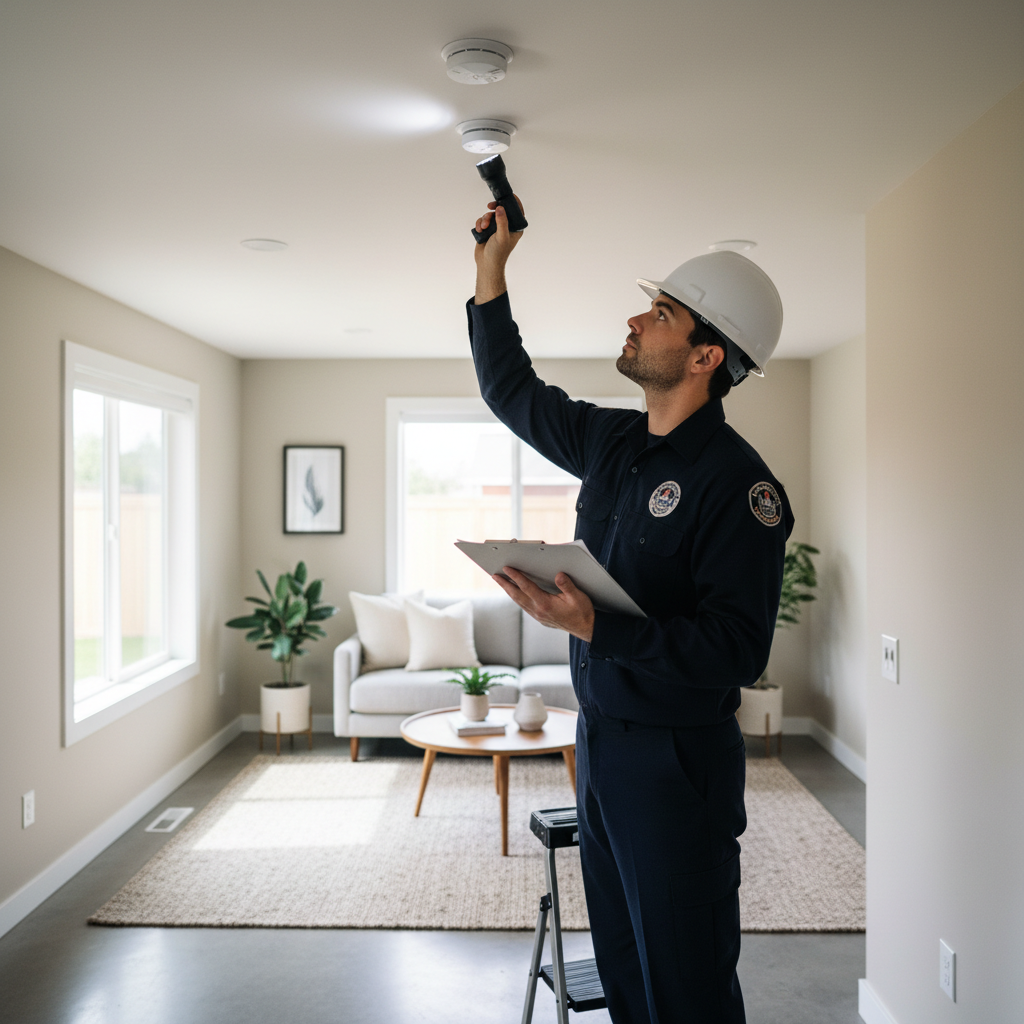
- Focus on Health and Safety: Inspectors look for issues related to structural integrity, electrical systems, plumbing, heating, ventilation, smoke and carbon monoxide detectors, pest infestations, mold, and general habitability.
- Mandatory Compliance: Property owners are typically required to register their rental units with the program and comply with all inspection findings. Failure to do so can result in fines, penalties, or even legal action.
- Fees: Many ARIPs charge property owners an annual registration or inspection fee to cover the program's administrative costs.
It's important to note that while the core objectives are similar, the specific rules, inspection frequencies, fees, and enforcement mechanisms of ARIPs can vary significantly from one city or county to another within California.
Why Do Cities Implement ARIPs?
Local jurisdictions implement ARIPs for several compelling reasons, all centered around community welfare and housing quality:
- Tenant Protection: The most direct benefit is safeguarding renters from unsafe or unhealthy living conditions. This is particularly important for vulnerable populations who may not have the resources or knowledge to report issues effectively.
- Maintaining Housing Stock: Regular inspections help prevent the deterioration of rental properties, preserving the overall quality and value of a city's housing inventory. This can combat blight and contribute to neighborhood stability.
- Ensuring Code Compliance: ARIPs ensure that rental units adhere to local building, housing, and safety codes, which are designed to protect occupants and the public.
- Public Health and Safety: By addressing issues like faulty wiring, gas leaks, inadequate heating, or pest infestations, ARIPs contribute to broader public health and safety goals.
- Dispute Resolution: A clear inspection process can sometimes help mediate disputes between landlords and tenants regarding property maintenance.
While some property owners may view ARIPs as an additional burden, they are generally seen by municipalities as essential tools for responsible urban planning and tenant welfare.

California's Stance on Rental Regulations and ADUs
California has been a leader in promoting ADU construction to address its housing crisis. State laws (like AB 68, AB 881, SB 9, etc.) have streamlined the permitting process, reduced fees, and limited local discretion to encourage ADU development. However, while state law dictates much about *building* an ADU, the regulation of ADUs once they become *rental units* often falls back to local ordinances.
ADUs, when rented out, are generally considered residential rental units, just like apartments or single-family homes offered for lease. This distinction is critical because it means they are typically subject to the same landlord-tenant laws, rent control ordinances (if applicable locally), and, indeed, rental inspection programs as any other rental property in that jurisdiction.
Do Annual Rental Inspection Programs Apply to ADUs in California?
In most California cities and counties that have an established Annual Rental Inspection Program, the answer is generally YES: ADUs that are rented out are subject to these programs.
Here's a breakdown of the nuances:
1. General Applicability
If your city or county has an ARIP, and your ADU is being leased to a tenant (not occupied by you or an immediate family member without a formal lease), it will typically fall under the purview of that program. The ADU is a distinct dwelling unit, and when it's part of the rental housing stock, it's expected to meet the same standards as other rental properties.
2. Local Variations are Key
The most important factor is always your specific local jurisdiction. Some cities, like Los Angeles, Santa Monica, or Oakland, have robust ARIPs that include ADUs. Others in less densely populated areas might not have such programs at all. It's crucial to consult your city's planning department, housing authority, or code enforcement division to understand their specific regulations.
3. Potential Exemptions (Rare, but Possible)
While uncommon for ARIPs, some local ordinances might have very specific, limited exemptions. For example, a program might exempt owner-occupied duplexes (where the ADU is considered part of a duplex, and the owner lives in one unit), but this is not standard. ADUs are almost universally treated as separate rental units when leased to a third party. Always verify with local authorities.
4. New Construction vs. Existing Units
Newly constructed ADUs undergo rigorous inspections during the building process to ensure they meet current building codes. This initial inspection and certificate of occupancy might defer the *first* ARIP inspection for a period, but it doesn't exempt the ADU from future, recurring inspections once it becomes a rental property under an ARIP.
5. Owner-Occupancy of Primary Residence
California state law requires either the primary dwelling or the ADU to be owner-occupied if a JADU (Junior Accessory Dwelling Unit) is built. However, for a standard ADU, owner-occupancy is NOT required by state law. If you live in the primary home and rent out the ADU, the ADU is still a rental unit and likely subject to ARIPs. If you rent out both, both units (if applicable) would fall under the program.
To avoid potential legal issues and ensure your ADU project is compliant from the outset, it’s wise to understand all local regulations, including rental inspection programs, before you even break ground. Schedule a free ADU consultation with GatherADU to discuss how local regulations might impact your project.

What Does an ARIP Inspection Typically Cover for an ADU?
When an inspector visits your ADU for an ARIP, they will generally look for:
- Structural Integrity: Soundness of foundation, walls, roof.
- Weather Protection: No leaks, proper sealing against moisture, intact windows and doors.
- Plumbing: Proper functioning of all fixtures, no leaks, adequate hot water.
- Electrical Systems: Safe wiring, working outlets, appropriate circuit breakers, no exposed wires.
- Heating and Ventilation: Adequate heating source, proper ventilation in bathrooms and kitchen.
- Safety Devices: Properly installed and functioning smoke detectors and carbon monoxide detectors.
- Exits: Clear and unobstructed exits.
- Sanitation: Absence of pest infestations (roaches, rodents), mold, or excessive garbage.
- General Habitability: Any other conditions that render the unit unsafe or unfit for human habitation.
The inspector will typically provide a checklist or report detailing any deficiencies found and a timeframe for their correction. As the property owner, you are responsible for addressing these issues promptly.

What are the Property Owner's Responsibilities?
If your ADU is subject to an ARIP, your responsibilities as an owner typically include:
- Registration: Registering your ADU as a rental unit with the local program and paying any associated fees.
- Access: Ensuring the inspector has access to the unit at the scheduled time, often requiring coordination with your tenant.
- Maintenance: Proactively maintaining the ADU to meet all health and safety codes.
- Correction of Deficiencies: Promptly making any necessary repairs or corrections identified during the inspection within the given timeframe.
- Compliance: Maintaining ongoing compliance with all program requirements and local ordinances.
Staying on top of these responsibilities protects your tenants, preserves your property value, and helps you avoid costly fines or legal troubles. If you're building an ADU with the intention of renting it out, integrating these considerations into your long-term plan is essential.
How to Determine if Your ADU is Subject to an ARIP
Given the local variations, the best way to determine if an Annual Rental Inspection Program applies to your ADU in California is to:
- Contact Your Local City or County Housing/Planning Department: This is the most direct and reliable source of information. Ask specifically about rental registration requirements and rental inspection programs for ADUs in your area.
- Check Official City/County Websites: Many jurisdictions publish their housing codes, rental ordinances, and ARIP details online.
- Consult with an ADU Expert or Legal Professional: Companies like GatherADU are well-versed in California ADU regulations and can often guide you on local requirements. For specific legal advice, consulting an attorney specializing in landlord-tenant law is recommended.
Don't assume your ADU is exempt. Proactive research can save you significant headaches down the line.
Understanding the full scope of regulations, from initial design to ongoing maintenance, is key to a successful ADU project. For expert guidance through every step of the ADU process, from navigating permits to understanding rental requirements, consider partnering with a trusted builder. Get a free project estimate for your ADU today.
Conclusion
Annual Rental Inspection Programs are a critical component of housing regulation in many California cities and counties, designed to ensure safe and habitable living conditions for tenants. When you rent out your Accessory Dwelling Unit, it typically falls under the umbrella of these programs, meaning your ADU will be subject to regular inspections to verify compliance with local health and safety codes.
While the specifics vary by jurisdiction, the underlying principle remains consistent: if your ADU is a rental unit, it must meet established standards. Proactive engagement with your local city or county housing department is essential to understand and comply with any applicable ARIPs. By doing so, you protect your tenants, safeguard your investment, and contribute positively to your community's housing stock.
Navigating the world of ADU regulations can be complex, but you don't have to do it alone. GatherADU specializes in designing and building compliant, high-quality ADUs throughout California. Our team can help you understand the regulatory landscape, from initial zoning to ongoing rental requirements, ensuring your ADU project is a success from start to finish. Ready to explore your ADU possibilities and ensure full compliance? Book a free ADU consultation with GatherADU today!