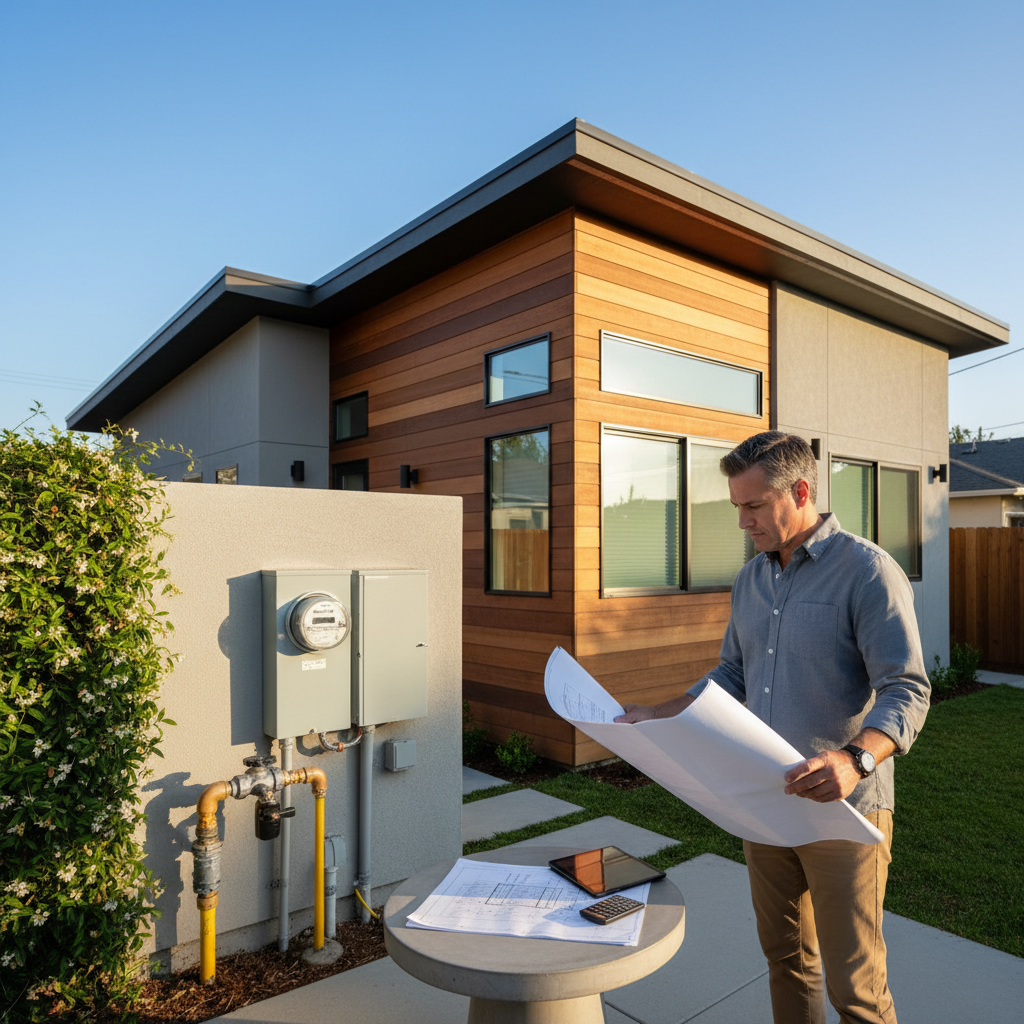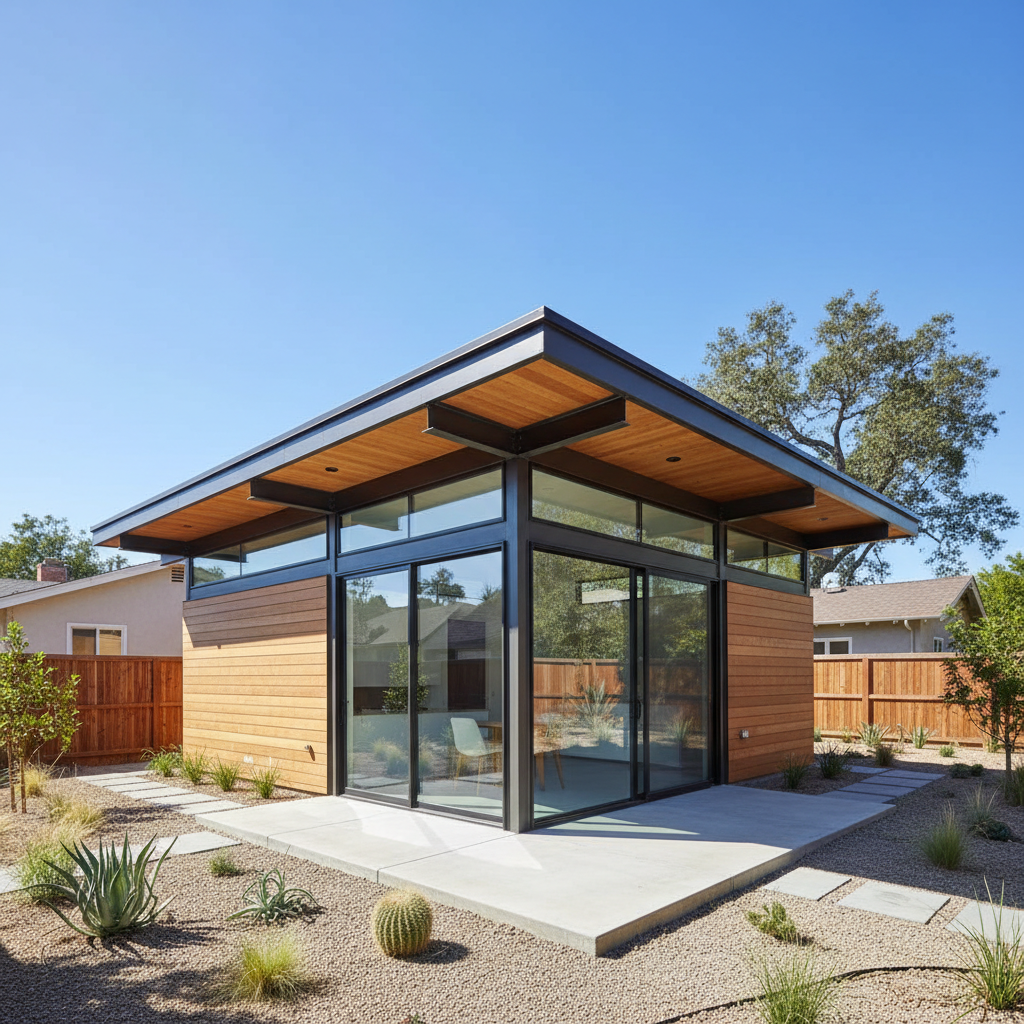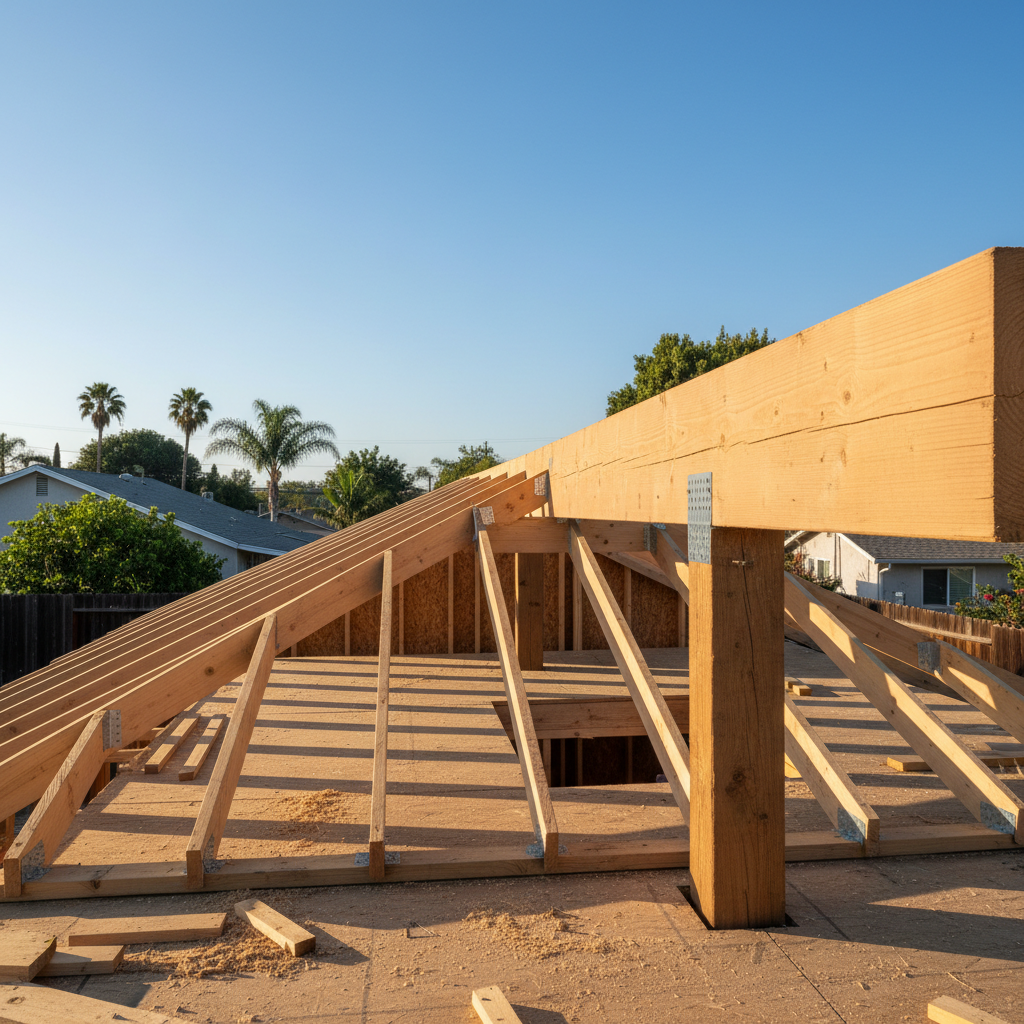

Building an Accessory Dwelling Unit (ADU) in California offers numerous benefits, from generating rental income to housing aging family members. However, the journey involves more than just design and construction; it also includes navigating various fees and regulations. One significant cost factor that often raises questions for homeowners is the ADU impact fee California homeowners might face. Understanding what these fees are, why they're charged, and crucially, when they can be waived, is essential for any successful ADU project.
This comprehensive guide will demystify ADU impact fees, explain their purpose, and highlight the specific conditions under California law that can lead to their reduction or complete waiver, ultimately helping you better budget for your backyard home.
What Exactly Is an ADU Impact Fee?
An impact fee, also known as a development fee or mitigation fee, is a one-time charge levied by local government agencies (cities and counties) on new construction or significant renovations. The purpose of these fees is to help fund the expansion of public services and infrastructure necessitated by new development. When more people move into an area or new housing units are built, there's increased demand on existing public resources.
What Do Impact Fees Cover?
Impact fees are designed to cover the proportional share of the cost of public facilities that a new ADU will utilize. These can include, but are not limited to:
- Parks and Recreation: To expand or maintain local parks, community centers, and recreational facilities.
- Schools: To accommodate potential new students in local school districts.
- Public Safety: To fund police and fire departments, emergency services, and related infrastructure.
- Transportation: To improve roads, public transit, and traffic management systems.
- Water and Sewer: To expand or upgrade water supply, wastewater treatment, and stormwater management systems.
- Drainage: For improvements to local drainage systems.
The specific types and amounts of impact fees vary significantly from one city or county to another. Each jurisdiction conducts studies to determine the impact of new development on their services and sets fees accordingly.

Why Are ADU Impact Fees Charged?
While an ADU is often seen as a smaller addition to an existing property, it still represents a new dwelling unit. Even if it's occupied by family, it adds to the overall housing stock and can, in theory, contribute to the demand for public services. The philosophy behind impact fees is that new development should help pay for its own impact on the community, rather than placing the entire burden on existing residents or general tax revenues.
However, state legislation in California recognizes the unique nature of ADUs, particularly their role in addressing the housing crisis, and has implemented specific provisions to limit or waive these fees under certain circumstances.
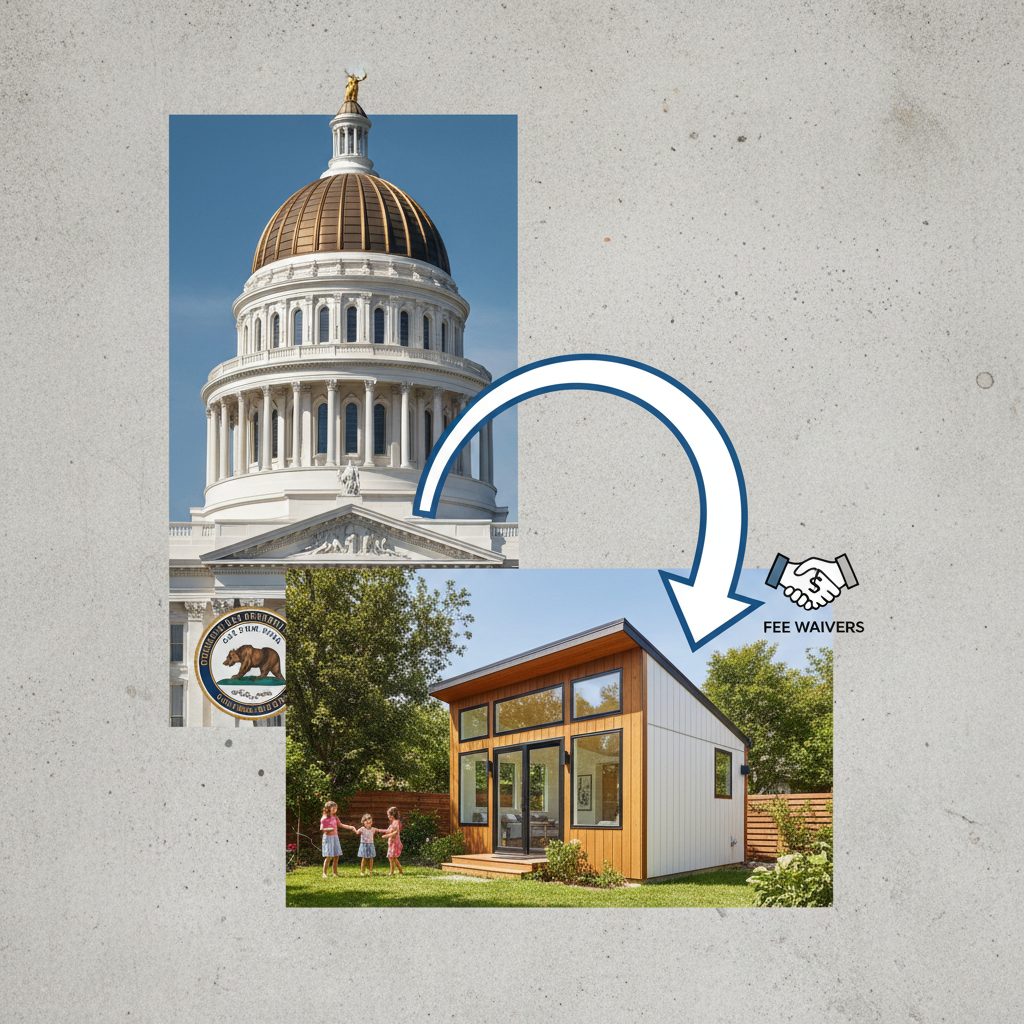
When Is an ADU Impact Fee Waived in California?
This is where it gets critical for homeowners planning an ADU. California state law, primarily through legislation like AB 68, AB 881, and subsequent amendments, has significantly curtailed the ability of local jurisdictions to levy impact fees on ADUs. The aim is to reduce the financial barriers to ADU construction and encourage more housing development.
The 750 Square Foot Rule: The Most Significant Waiver
The most impactful and widely applicable waiver for ADU impact fees in California revolves around the size of the unit. According to state law, no impact fees can be charged for an ADU that is 750 square feet or less. This is a crucial provision that has saved countless homeowners thousands of dollars on their ADU projects.
- If your ADU is 750 square feet or smaller: You are exempt from all local impact fees, including school fees, park fees, traffic fees, and utility connection fees (beyond standard service charges).
- If your ADU is larger than 750 square feet: Impact fees may be charged, but they must be calculated proportionately. This means the impact fee for an ADU larger than 750 square feet cannot exceed the proportional share of the fee for a new single-family dwelling of the same size. For example, if a 1,000 sq ft ADU is built, the impact fee should be proportional to a 1,000 sq ft single-family home, not a full-sized new build.
Conversion ADUs and JADUs
Another significant waiver applies to certain types of ADUs:
- Conversion ADUs: ADUs created by converting existing space within a single-family home (e.g., a garage conversion, basement conversion, or conversion of an existing accessory structure like a barn or shed) are generally exempt from impact fees, regardless of size. The rationale is that these conversions do not represent entirely new construction that adds significant new demand on infrastructure.
- Junior Accessory Dwelling Units (JADUs): JADUs, which are typically 500 square feet or less and contained within the existing footprint of a single-family home, are also exempt from impact fees.
Utility Connection Fees
While impact fees for utilities (like water and sewer capacity charges) are generally waived for ADUs 750 sq ft or less, homeowners are still responsible for standard connection fees and service charges. This means paying for the physical connection to utility lines, meters, and ongoing usage. The waiver specifically applies to the capacity or expansion portion of the utility fees that typically fund new infrastructure.
What About SB 9?
SB 9, California's Duplex and Urban Lot Split law, primarily focuses on allowing homeowners to split single-family lots and build up to two primary units on each. While not directly about ADUs, it shares the goal of increasing housing density. For any new units developed under SB 9, the same impact fee rules for ADUs (750 sq ft waiver, proportional fees for larger units) would generally apply to any secondary units that meet the definition of an ADU or JADU.
Understanding these waivers can be complex, and local interpretations can sometimes vary. If you're considering an ADU project and want to ensure you're taking full advantage of potential fee reductions, it's wise to consult with experts. Schedule a free ADU consultation with GatherADU to discuss your specific project and potential cost savings.
How to Determine Your Specific ADU Impact Fees (or Waivers)
While state law provides the overarching framework, the exact application and calculation of fees (or confirmation of waivers) ultimately fall to your local city or county planning and building departments. Here's how to navigate this:
- Contact Your Local Planning Department: This is the most crucial step. Provide them with details about your proposed ADU (size, type – e.g., detached new construction, garage conversion, JADU). They can provide an estimate of all applicable fees.
- Reference State Law: Be aware of the state laws (especially the 750 sq ft waiver) and be prepared to reference them if there's any discrepancy or confusion with local officials. Most local jurisdictions are well-versed in these state mandates.
- Work with an Experienced ADU Partner: A reputable ADU design-build firm like GatherADU will be intimately familiar with California's ADU laws and local regulations. They can help you navigate the permitting process, calculate potential fees, and ensure you receive all applicable waivers and reductions.
Beyond Impact Fees: Other Potential ADU Costs
While ADU impact fees can be a significant expense, especially for larger units, it's important to remember they are just one component of the overall ADU project cost. Other common costs include:
- Design and Architectural Fees: For plans, blueprints, and engineering.
- Permitting Fees: Separate from impact fees, these cover the cost of plan review and inspections by the city/county.
- Construction Costs: The largest component, covering labor, materials, and contractor overhead.
- Utility Hookups: Actual costs for connecting to water, sewer, electricity, and gas lines, even if impact fees are waived.
- Site Preparation: Grading, demolition, foundation work.
- Landscaping and Hardscaping: Around the new unit.
By understanding all potential costs upfront, you can create a more accurate budget and avoid unexpected surprises. A clear financial picture allows you to make informed decisions and proceed with confidence in your ADU venture.
Navigating the financial aspects of an ADU project, from design to final inspection, requires careful planning and a deep understanding of local and state regulations. While the potential for ADU impact fee waivers in California significantly reduces the barrier to entry for many homeowners, understanding the nuances is key. GatherADU specializes in streamlining this process, ensuring you benefit from all available cost savings and compliance with current legislation. Let us help you unlock the full potential of your property.
Ready to explore the possibilities of an ADU on your property?
Don't let complex regulations deter you. Our team at GatherADU is here to guide you through every step, from understanding impact fees to navigating design and construction. Book your free ADU consultation with GatherADU today and take the first step towards your dream backyard home.