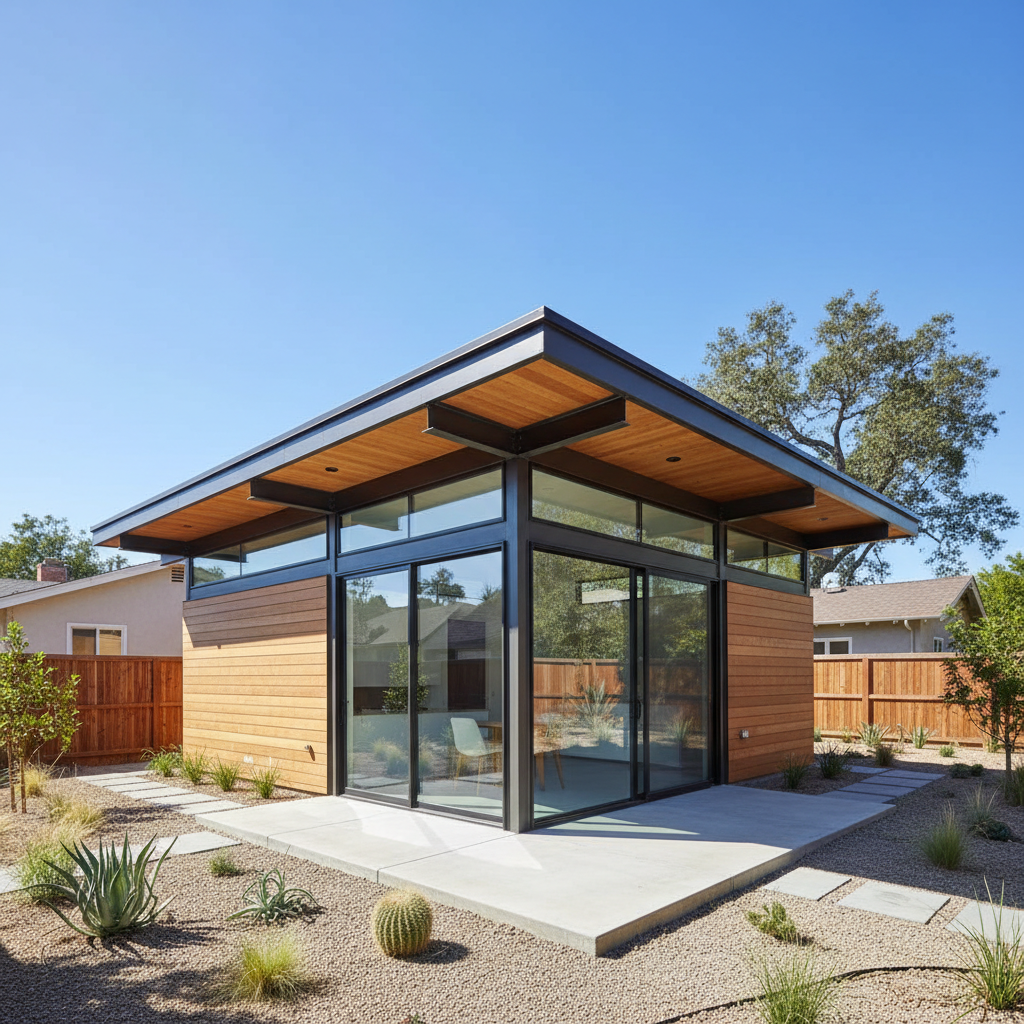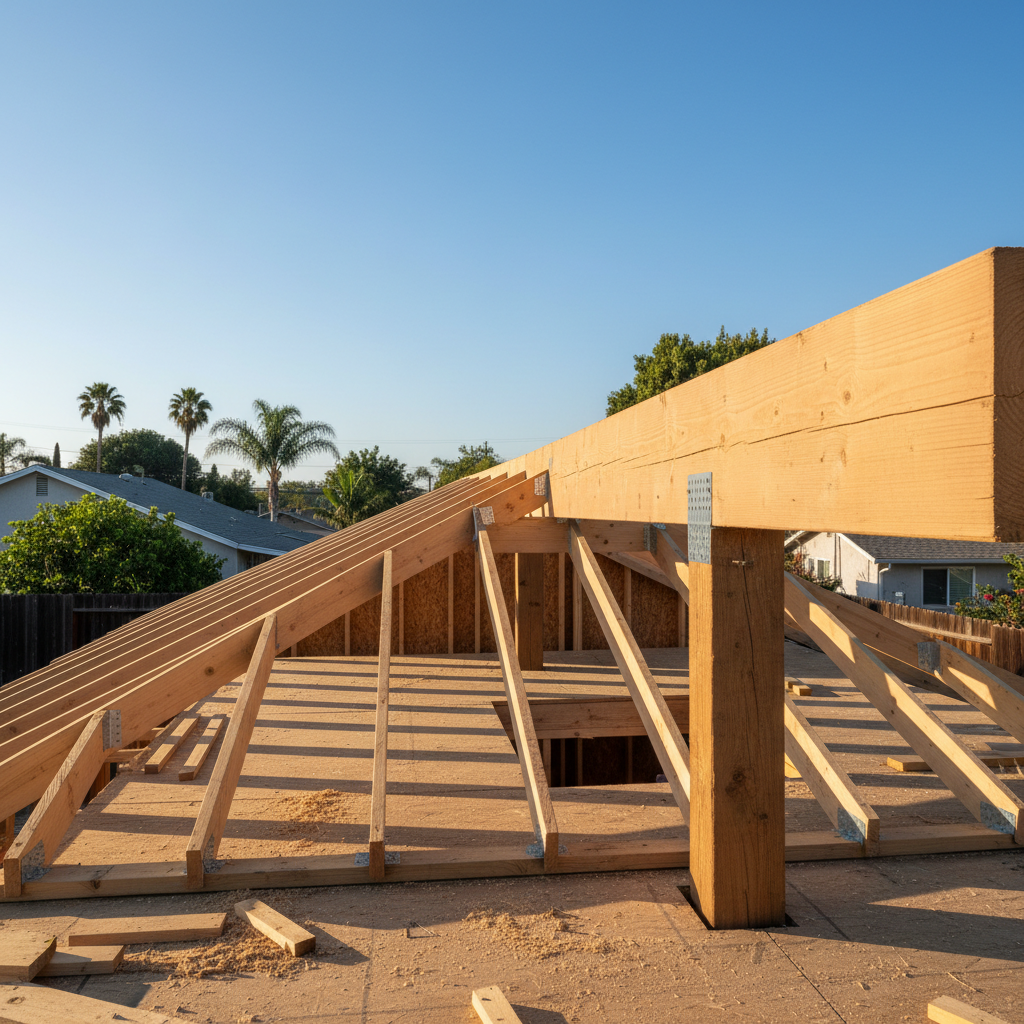
When planning or building an Accessory Dwelling Unit (ADU) in California, the focus often gravitates towards floor plans, finishes, and overall aesthetics. However, the true longevity and structural integrity of your backyard home hinge on many less glamorous, yet critically important, components. Among these is the fascia board – a seemingly simple trim piece that plays an indispensable role in ADU moisture control.
This comprehensive guide will delve into what a fascia board is, why it's so vital for your ADU, and how its proper selection, installation, and maintenance directly affect the prevention of moisture damage. Understanding this often-overlooked element is key to protecting your investment and ensuring your ADU remains a durable, healthy, and beautiful space for years to come.
What Exactly Is a Fascia Board on an ADU?
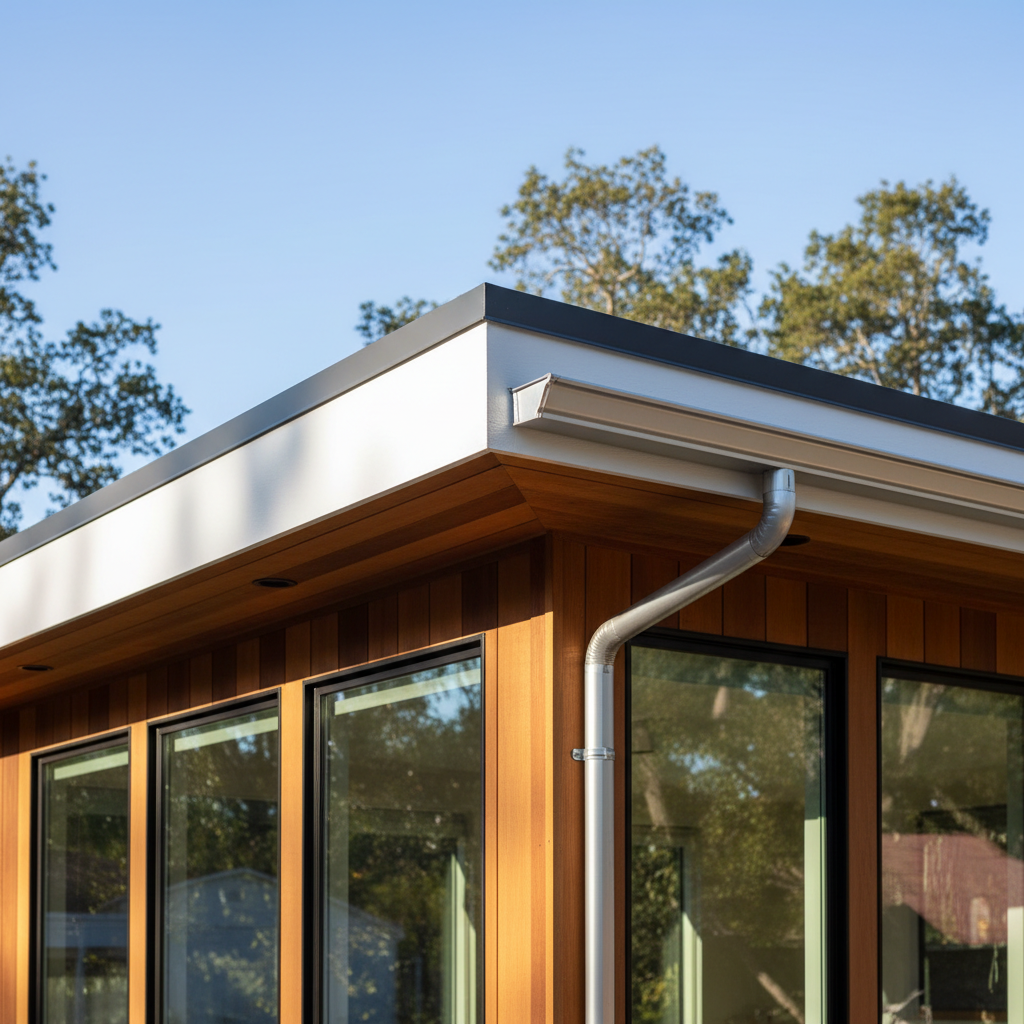
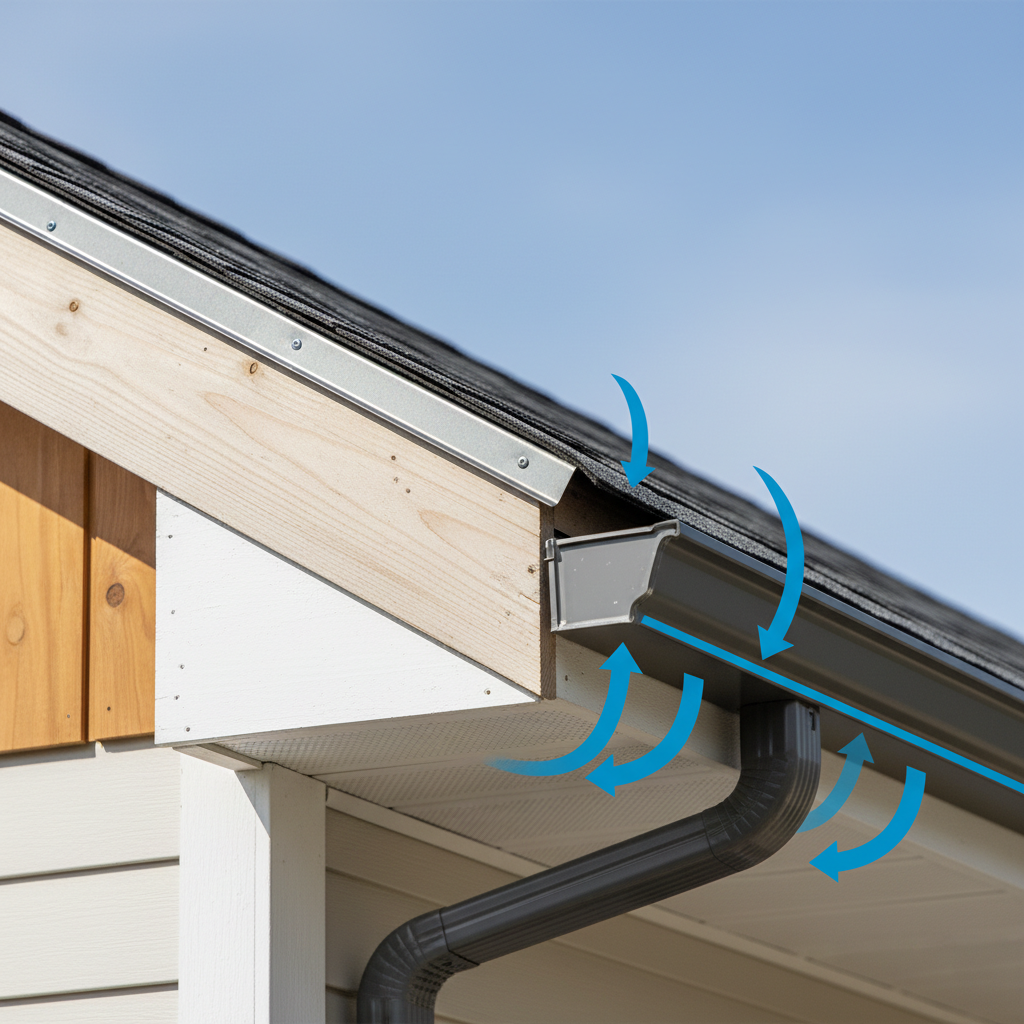
The fascia board is the long, straight board that runs horizontally along the lower edge of your roof, directly beneath the roofline and behind the gutters. It's essentially the finishing trim that caps the ends of the roof rafters, creating a smooth, even appearance along the roof's edge.
Key Functions of the Fascia Board:
- Aesthetics: It provides a clean, finished look, concealing the rough ends of the rafters and creating a visual boundary between the roof and the exterior walls.
- Gutter Support: The fascia board is the primary attachment point for your ADU's gutters. It needs to be strong enough to bear the weight of full gutters, especially during heavy California rains.
- Protective Barrier: This is where its role in moisture control becomes paramount. It acts as a crucial barrier, preventing water, pests, and debris from entering the roof structure and attic space.
- Soffit Attachment Point: In many ADU designs, the soffit (the underside of the eaves) is nailed directly to the bottom edge of the fascia board.
Without a properly installed and maintained fascia board, your ADU's roof system would be exposed and vulnerable to the elements, leading to a host of expensive and damaging problems.
The Critical Role of Fascia in ADU Moisture Control
The fascia board isn't just for looks; it's a frontline defense against water intrusion. Its design and placement are strategically engineered to protect the most vulnerable parts of your ADU's roof and structural framework from the relentless assault of moisture.
1. Barrier Against Water Intrusion
The primary function of the fascia board in moisture control is to prevent water from penetrating the roof structure. Rainwater, especially wind-driven rain, can easily splash up and under the roof shingles. The fascia, in conjunction with a drip edge, creates a vertical barrier that directs water away from the roof deck and into the gutters. Without this barrier, water could seep directly into the exposed rafter tails, roof sheathing, and even the attic space, leading to significant damage.
2. Protecting the Roof's Edge and Structural Components
The ends of your ADU's rafters and trusses are typically made of wood, which is highly susceptible to rot when exposed to moisture. The fascia board covers and protects these critical structural elements. It also works in tandem with the soffit to enclose the entire eave area, shielding it from direct rainfall, humidity, and condensation. This enclosure is vital for maintaining the structural integrity of your roof.
3. Directing Water Flow with Gutters and Drip Edges
As the anchor for your gutters, the fascia board ensures that rainwater flowing off the roof is efficiently collected and channeled away from the ADU's foundation. A properly installed drip edge, which extends slightly beyond the fascia, ensures that water drips clear of the fascia board itself and directly into the gutter, preventing it from running down the face of the fascia or behind it. This integrated system is essential for comprehensive moisture management.
4. Preventing Pest Infestation
Beyond water, open eaves can be an inviting entry point for pests. Insects, birds, rodents, and other critters can exploit gaps in an exposed roof structure, building nests, causing damage, and potentially carrying diseases. The fascia board, along with soffits, seals off these potential entry points, contributing to a pest-free and healthier ADU environment.
Common Moisture-Related Problems from Compromised Fascia
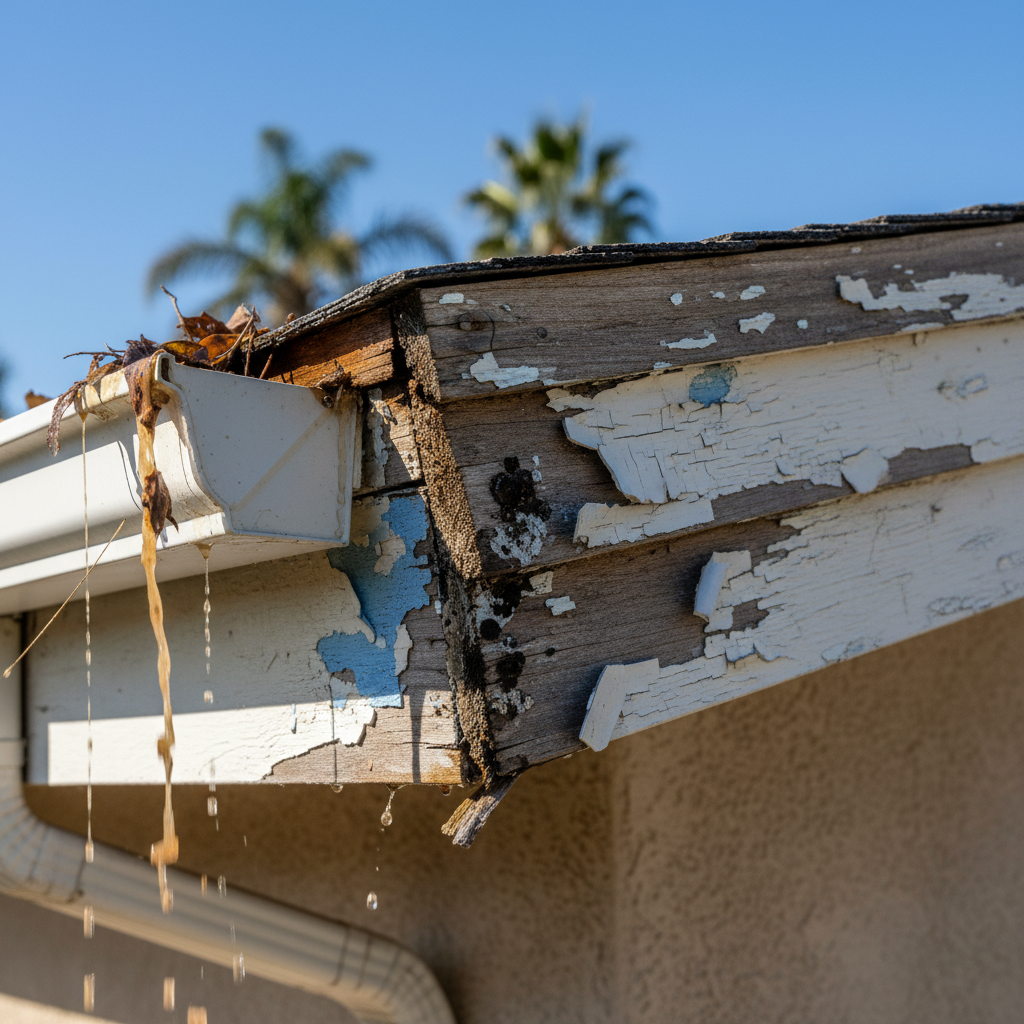
When an ADU's fascia board is damaged, improperly installed, or made from unsuitable materials, the consequences can be severe and costly. These issues often stem directly from unchecked moisture:
- Wood Rot and Decay: This is the most common and destructive problem. Exposed wood rafters and fascia boards will absorb moisture, leading to fungal growth, softening, and eventual structural compromise.
- Mold and Mildew Growth: Persistent dampness behind or on the fascia can create ideal conditions for mold and mildew, which can spread into the attic, walls, and even the interior of your ADU, posing health risks and requiring extensive remediation.
- Pest Infestation: Rotting wood softens and creates easy access for termites, carpenter ants, and other wood-destroying insects. Gaps allow rodents and birds to nest in your attic, causing insulation damage and sanitation issues.
- Damage to Siding and Foundation: If water isn't properly directed away, it can run down the exterior walls, staining and damaging siding. Over time, constant water saturation near the foundation can lead to soil erosion, foundation cracks, and costly structural repairs to both your ADU and potentially your main home.
- Compromised Gutter System: A rotting fascia board cannot properly support gutters. This can lead to sagging, detachment, and ineffective water diversion, exacerbating all other moisture problems.
If you're considering adding an ADU to your property and want to ensure every detail, including critical moisture control elements like fascia boards, is handled by experts, don't hesitate to schedule a free ADU consultation with GatherADU today.
Choosing the Right Fascia Material for Your ADU (and Moisture Resistance)
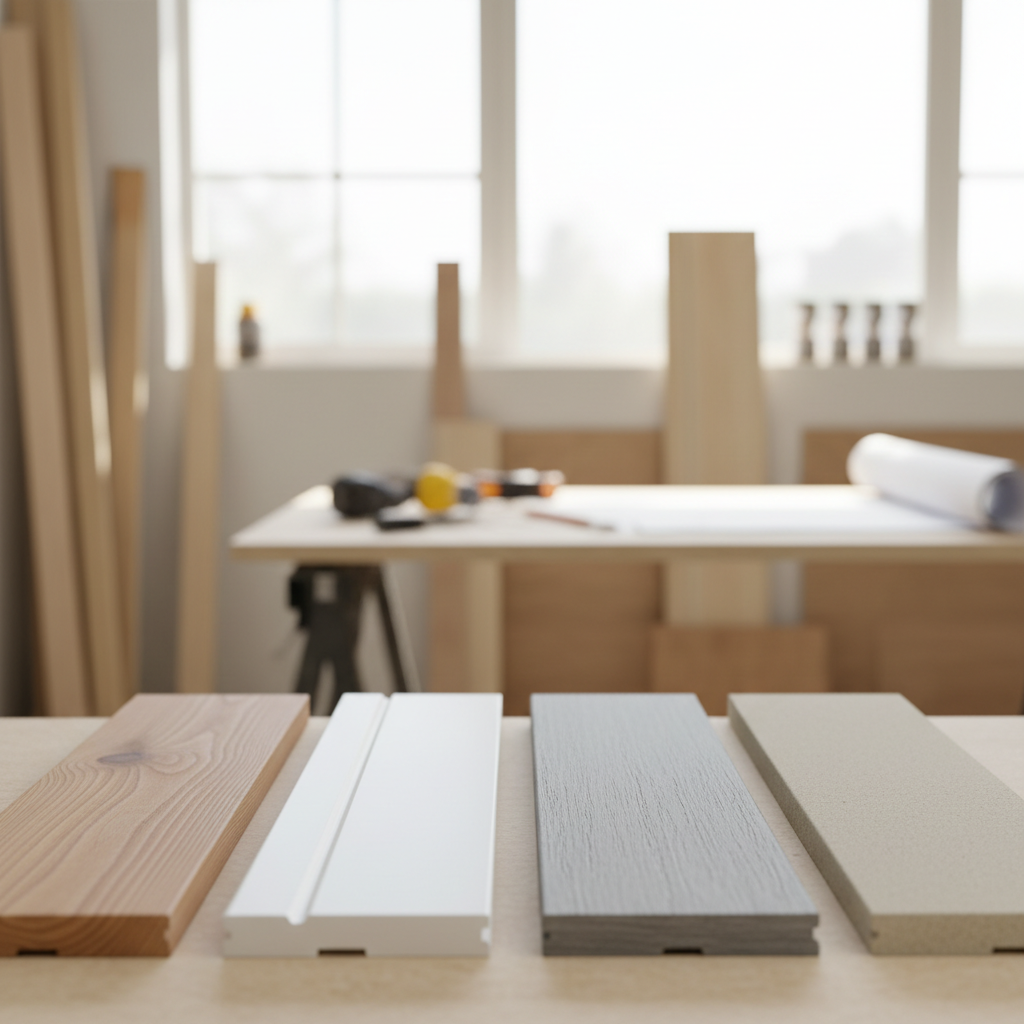
The material chosen for your ADU's fascia board significantly impacts its durability and resistance to moisture. Here are common options:
1. Wood Fascia
- Pros: Traditional look, easy to cut and install, readily available.
- Cons: Highly susceptible to rot, warping, and pest damage if not properly primed, painted, and maintained. Requires regular painting and sealing.
- Moisture Resistance: Low, unless meticulously protected with high-quality paint/sealant and maintained diligently.
2. Vinyl Fascia
- Pros: Extremely low maintenance, impervious to rot and insects, wide range of colors, relatively inexpensive.
- Cons: Can become brittle in extreme cold, may fade over time, can crack upon impact, less rigid than other materials.
- Moisture Resistance: Excellent, as it doesn't absorb water.
3. Composite Fascia
- Pros: Made from a blend of wood fibers and plastic, offering good moisture and rot resistance, low maintenance, consistent finish.
- Cons: More expensive than wood or vinyl, can be heavier, limited color options compared to paintable wood.
- Moisture Resistance: Very good, significantly better than natural wood.
4. Fiber Cement Fascia
- Pros: Highly durable, fire-resistant, impervious to rot and insects, holds paint well, offers a sturdy, high-end look.
- Cons: Heavier and more difficult to cut and install (requires specialized tools), more expensive than wood or vinyl.
- Moisture Resistance: Excellent, as it resists water absorption and decay.
5. Aluminum Fascia (Cladding)
- Pros: Often used as a wrap over wood fascia, providing superior protection against moisture, rot, and pests. Extremely low maintenance, durable.
- Cons: Can dent, more expensive than direct wood application, color options may be limited.
- Moisture Resistance: Excellent, acting as an impermeable shield.
For California ADUs, especially given varied climates from coastal fog to inland heat, materials like fiber cement, composite, or aluminum cladding offer superior long-term moisture protection with less maintenance compared to traditional wood.
Proper Installation: The Key to Effective Moisture Control
Even the best materials will fail if not installed correctly. Meticulous installation is paramount for the fascia board's role in ADU moisture control.
- Drip Edge Integration: A metal drip edge should always be installed under the roofing felt and over the fascia board. This small but vital component ensures that water running off the roof clears the fascia and drops directly into the gutter, preventing it from wicking back or running down the fascia face.
- Flashing Details: Where the roof meets a wall or at corners, proper flashing must be used in conjunction with the fascia to create a continuous, watertight seal.
- Correct Fastening: Fascia boards need to be securely fastened to the rafter tails. Nails or screws should be corrosion-resistant and spaced appropriately to prevent warping or detachment, which can create gaps for water entry.
- Sealing and Painting: For wood or fiber cement fascia, all cuts, joints, and nail holes must be properly sealed with exterior-grade caulk before priming and painting. High-quality exterior paint provides an additional layer of protection against moisture and UV degradation. Ensure multiple coats are applied for maximum effectiveness.
- Adequate Overhang: While part of the roof design, sufficient roof overhang helps protect the fascia and walls from direct rainfall, reducing their exposure to moisture.
Understanding these components and ensuring their proper installation is crucial for the long-term health of your ADU. For personalized advice on your ADU project, including robust moisture protection strategies, you can always connect with our ADU design and build specialists.
Maintenance Tips for Your ADU's Fascia Board
Even with perfect installation and durable materials, some ongoing maintenance will extend the life of your fascia and ensure its continuous moisture-controlling function.
- Regular Inspection: Periodically walk around your ADU and visually inspect the fascia boards. Look for signs of peeling paint, cracks, soft spots, discoloration, or gaps. Pay close attention after heavy rain or strong winds.
- Keep Gutters Clean: Clogged gutters are a primary cause of fascia damage. When gutters overflow, water cascades directly over the fascia, saturating it and potentially seeping behind it. Clean your gutters regularly, especially during fall and before the rainy season.
- Address Leaks Promptly: If you notice any roof leaks, gutter leaks, or drainage issues, address them immediately. Even small leaks can lead to significant fascia damage over time.
- Repaint and Reseal: For painted fascia, plan to repaint every 5-7 years, or sooner if you notice peeling or fading. This maintains the protective barrier against moisture and UV rays. Re-caulk any failing joints or cracks.
- Trim Overhanging Branches: Tree branches that rub against the fascia can abrade its surface, creating weak points for moisture entry. Keep trees trimmed back from your ADU.
Why This Matters So Much for Your California ADU
California's climate, while often sunny, experiences distinct rainy seasons, and coastal areas contend with fog and humidity. Protecting your ADU from moisture is not just about avoiding rot; it's about safeguarding your entire investment.
An ADU represents a significant financial commitment and a valuable asset to your property. Ensuring its durability and structural integrity means it will provide comfortable living space, generate rental income, or serve as a flexible family solution for decades. Neglecting critical components like the fascia board can lead to premature deterioration, expensive repairs, and a reduced lifespan for your ADU. By prioritizing robust moisture control from design to maintenance, you are building an ADU that truly stands the test of time.
Conclusion
The fascia board, while often inconspicuous, is an unsung hero in the fight against moisture damage on your Accessory Dwelling Unit. Its role in protecting rafter ends, supporting gutters, and sealing off vulnerable areas makes it indispensable for the long-term health and durability of your backyard home. From selecting the right moisture-resistant materials to ensuring meticulous installation and consistent maintenance, every step contributes to a resilient ADU.
Don't leave the integrity of your ADU to chance. Partner with GatherADU, California's premier ADU design and build experts, to ensure your backyard home is built to last, with meticulous attention to detail from the foundation to the fascia. Book your free ADU consultation now and take the first step toward a durable, beautiful, and moisture-protected ADU.