When homeowners ask me what size ADU they should build, I often find myself suggesting somewhere around 700 square feet. It's not a magic number, and it's not the right answer for every situation. But for many California properties and homeowner goals, 700 square feet hits a sweet spot that's hard to beat.
This size is large enough to include a true one-bedroom layout with distinct spaces, yet small enough to keep costs manageable and fit on most lots. It qualifies for fee exemptions, appeals to a broad rental market, and feels like a genuine home rather than temporary quarters.
Understanding 700 Square Feet in Real Terms
Let's start by making this number tangible.
Dimensions: A 700 square foot space could be 20 feet by 35 feet, 25 feet by 28 feet, or any combination that multiplies to 700. For reference, 20x35 is about the footprint of a large RV or a small single-wide mobile home.
Comparisons: A typical one-bedroom apartment in a mid-rise building is often 600 to 750 square feet. If you've rented or visited a one-bedroom apartment in a decent building, you've experienced approximately this amount of space.
Context: The average new single-family home in the US is around 2,300 square feet. A 700 square foot ADU is about 30% of that, which explains why it feels like a complete small home rather than just a room or two.
| Dimension Options | Square Footage |
|---|---|
| 20' x 35' | 700 sq ft |
| 25' x 28' | 700 sq ft |
| 22' x 32' (approx) | 704 sq ft |
| 24' x 29' (approx) | 696 sq ft |
What Fits in 700 Square Feet
At this size, you can comfortably include:
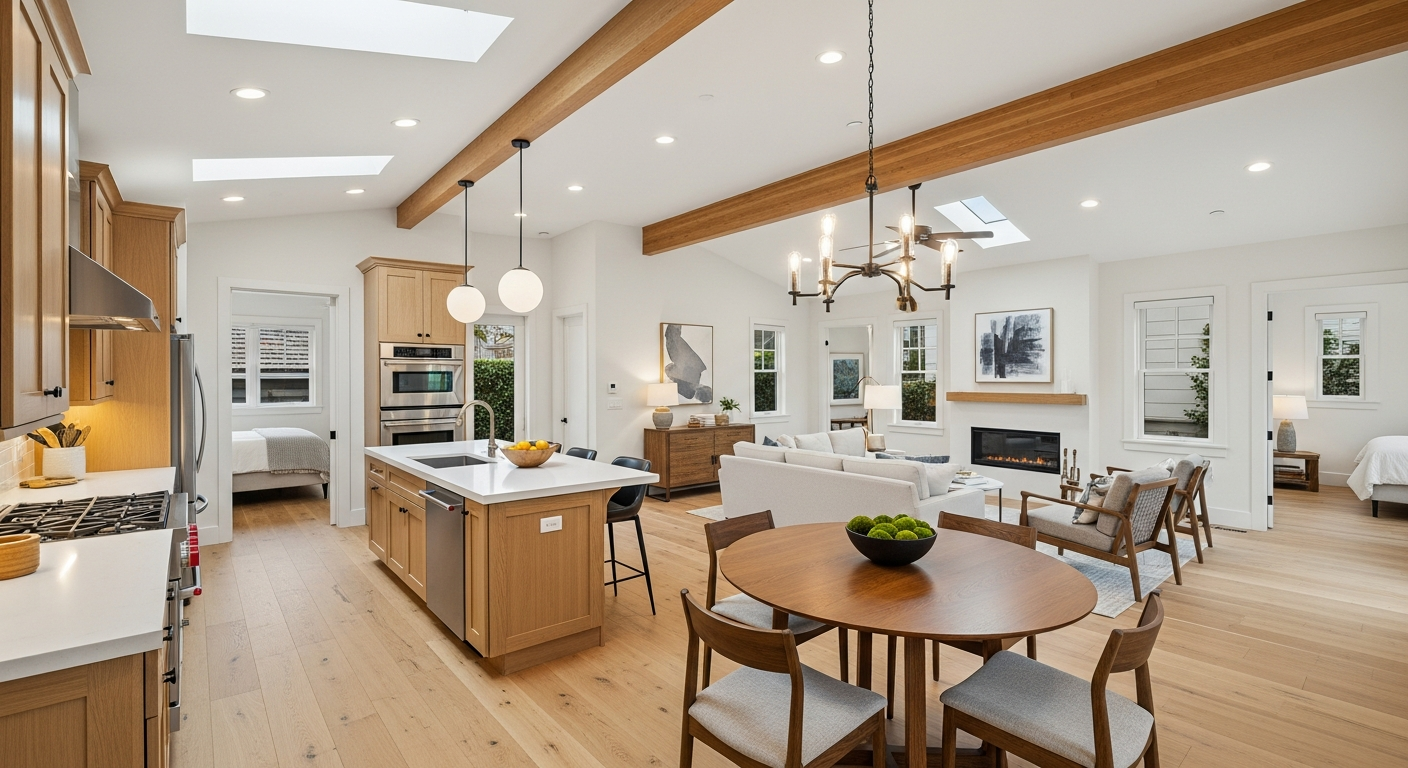
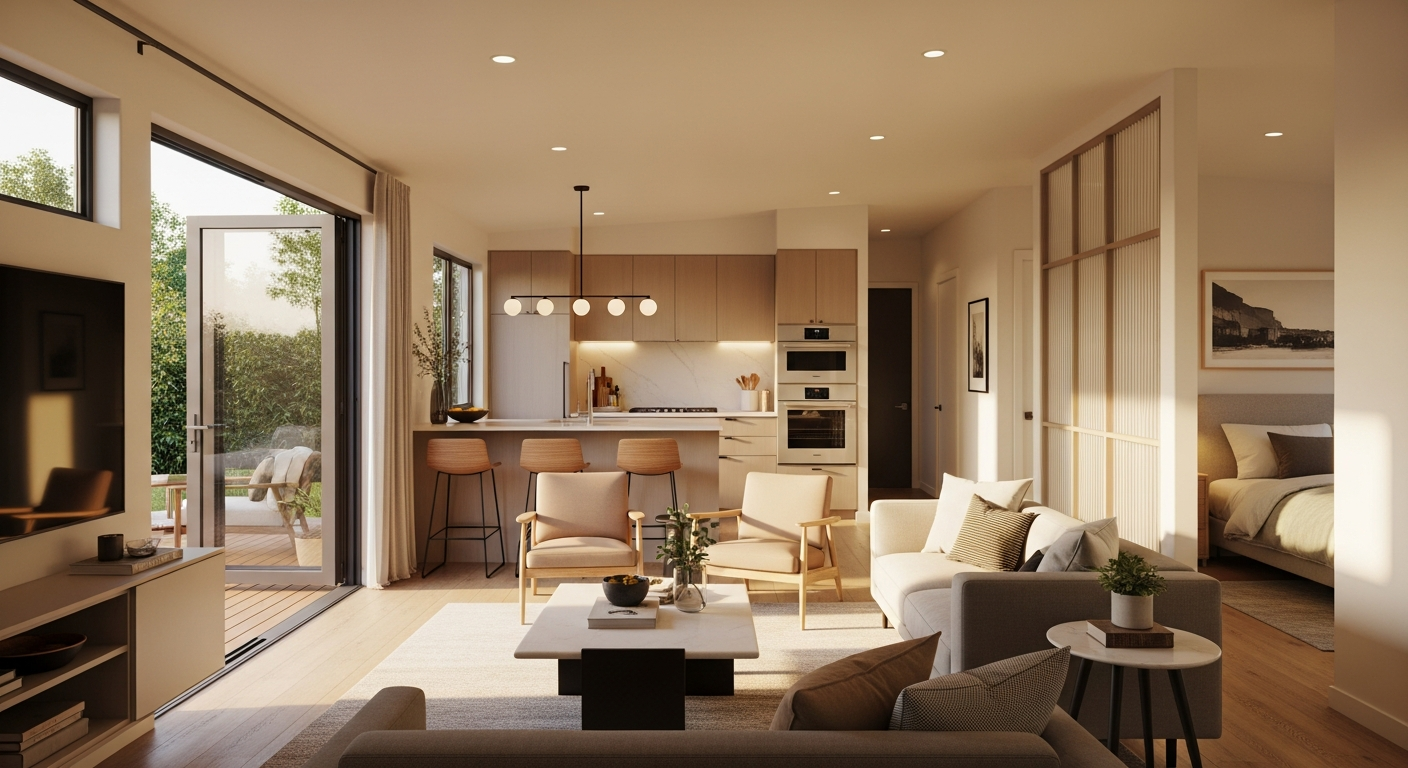
A separate bedroom large enough for a king bed with nightstands, a dresser, and a closet. Think 12x12 or 11x13, which is a standard bedroom size in many traditional homes.
A full bathroom with room for a tub/shower combo, toilet, single or double vanity, and linen storage. Some layouts even accommodate a second half-bath.
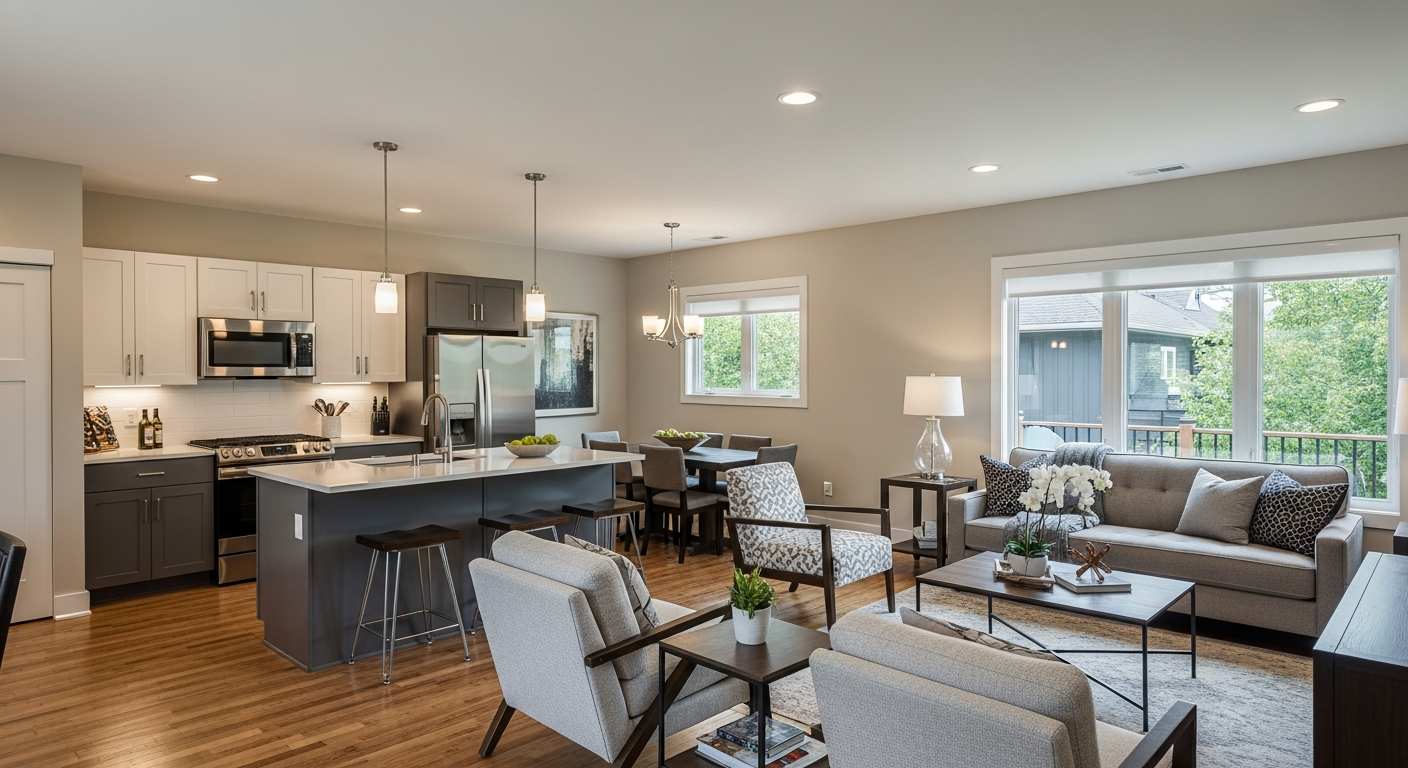
A complete kitchen with full-size appliances, adequate counter space, and room for a dining table or generous breakfast bar seating.
A proper living room that can accommodate a sofa, armchair, coffee table, and TV setup without everything being crammed together.
Storage including bedroom closet, coat closet, and possibly a utility closet for washer/dryer.
The difference between 700 square feet and something smaller like 500 or 600 is that everything feels slightly more generous. The bedroom has room for a chair. The living area can seat four comfortably. The kitchen has counter space for meal prep without feeling like you're working in a galley.

Floor Plan Options
The Linear Layout
For narrow lots, a linear floor plan stacks rooms in a row. You might have the bedroom at the back for privacy, bathroom in the middle, and an open kitchen/living area at the front with the entrance.
This works well for lots where the ADU needs to be long and narrow to fit setback requirements. Windows on both ends keep light flowing through.
The L-Shape
An L-shaped layout creates natural separation between sleeping and living areas while making efficient use of a corner lot or backyard position. The short leg might contain the bedroom and bath, while the long leg houses the kitchen and living area.
This configuration often allows for a small private patio adjacent to the bedroom and a larger entertaining space off the living area.
The Open Rectangle
The simplest layout is a rectangular footprint with the bedroom closed off in one corner and everything else flowing openly. This maximizes flexibility in the main living space and typically provides the most natural light.
Why 700 Square Feet Works for ADUs
Fee Exemptions
California law exempts ADUs under 750 square feet from development impact fees. At 700 square feet, you're safely under this limit while still maximizing your space. These fee savings can amount to $5,000 to $15,000 depending on your jurisdiction.
Broad Rental Appeal
A 700 square foot one-bedroom appeals to singles, couples, and even small families with an infant. This is the broadest potential tenant pool, which translates to shorter vacancies and more applicants to choose from.
In Los Angeles County, ADUs of this size typically rent for $1,800 to $2,800 monthly, with nicer finishes and better locations commanding the higher end.
Construction Efficiency
Builders have standard approaches for units in this size range. You're not dealing with the complexities of two-story construction or unusually large spans. Labor and materials costs tend to be predictable.
Lot Compatibility
Most residential lots in Southern California can accommodate a 700 square foot detached structure or garage conversion without running into lot coverage limits or setback problems. It's a size that works almost anywhere.
The Financial Picture
Let's run through typical numbers for a 700 square foot ADU in the Los Angeles area.
Construction costs: $175,000 to $280,000 depending on whether you're converting existing space or building new, and what level of finishes you choose.
Rental income: $2,000 to $2,500 monthly for a well-finished unit in a desirable area. That's $24,000 to $30,000 annually.
Net return: After accounting for vacancy, maintenance, insurance, and increased property taxes, net annual income might be $18,000 to $24,000.
Payback period: At those rates, you're looking at 8 to 12 years to recoup construction costs through rental income alone, not counting property value appreciation.
According to Freddie Mac research, ADUs add approximately 20% to 30% to property values in high-demand California markets. On a $1 million property, that's $200,000 to $300,000 in added value, often exceeding the construction cost.
Living in 700 Square Feet
Whether you're housing a family member or renting to tenants, life in 700 square feet works well for:
Singles and couples who want a complete home without excess space. There's room for a home office setup, exercise equipment, or hobbies.
Remote workers who need dedicated workspace. A 700 square foot layout can include a corner office or even a small office nook without sacrificing living comfort.
Downsizing retirees who want to be near family while maintaining independence. The single-level layout is often fully accessible, and there's less to maintain than a larger home.
Young families with one small child. A baby doesn't need their own room immediately, and a 700 square foot one-bedroom can work for the first couple of years.
Considering a 700 Square Foot ADU?
This size offers an excellent balance of livability, cost, and rental potential. We can help you explore layouts that work perfectly for your property.
Call us at (323) 591-3717 or schedule a free consultation to discuss your project.
Making the Decision
Is 700 square feet right for your project? Consider these factors:
If you have the lot space and budget for something larger, and you're targeting families with children as tenants, a two-bedroom ADU might be worth the additional investment.
If you're constrained by lot size or budget, a smaller 400 to 600 square foot studio or compact one-bedroom still works beautifully and costs less to build.
But for the broadest appeal, the best balance of construction cost to rental income, and a space that feels like a genuine home, 700 square feet is hard to beat. There's a reason this size shows up again and again in successful ADU projects throughout California.
Sources cited:
- Freddie Mac. (2022). "ADUs: Impact on Property Values and Housing Supply."
- US Census Bureau. (2023). "New Residential Construction Statistics."