California's housing crisis is a persistent challenge, driving the state to seek innovative solutions to increase housing supply. While Accessory Dwelling Units (ADUs) have been a cornerstone of this effort, a newer piece of legislation, Senate Bill 9 (SB 9), has introduced even more transformative possibilities for homeowners. Understanding California SB 9 and how it differs from the standard ADU laws is crucial for anyone looking to maximize their property's potential.
Both SB 9 and ADU laws aim to streamline the creation of more housing, but they do so through distinct mechanisms, offering different benefits and posing unique considerations. This comprehensive guide will demystify SB 9, compare it directly with ADU regulations, and help you determine which path might be right for your property.
What is California Senate Bill 9 (SB 9)?
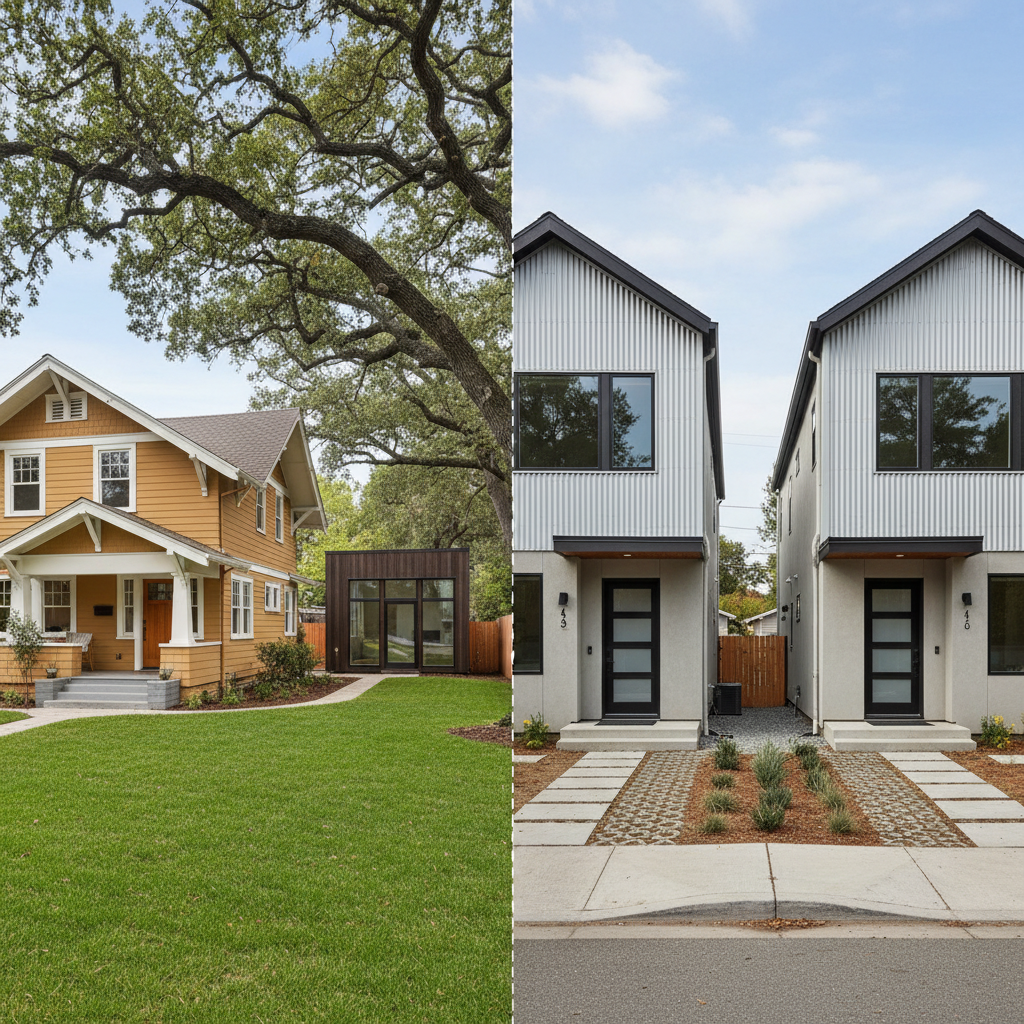
Enacted in 2022, California Senate Bill 9, also known as the California HOME Act, is a landmark piece of legislation designed to combat the state's housing shortage by increasing housing density in single-family residential zones. Unlike ADU laws, which primarily facilitate the addition of secondary units, SB 9 empowers homeowners to do two significant things:
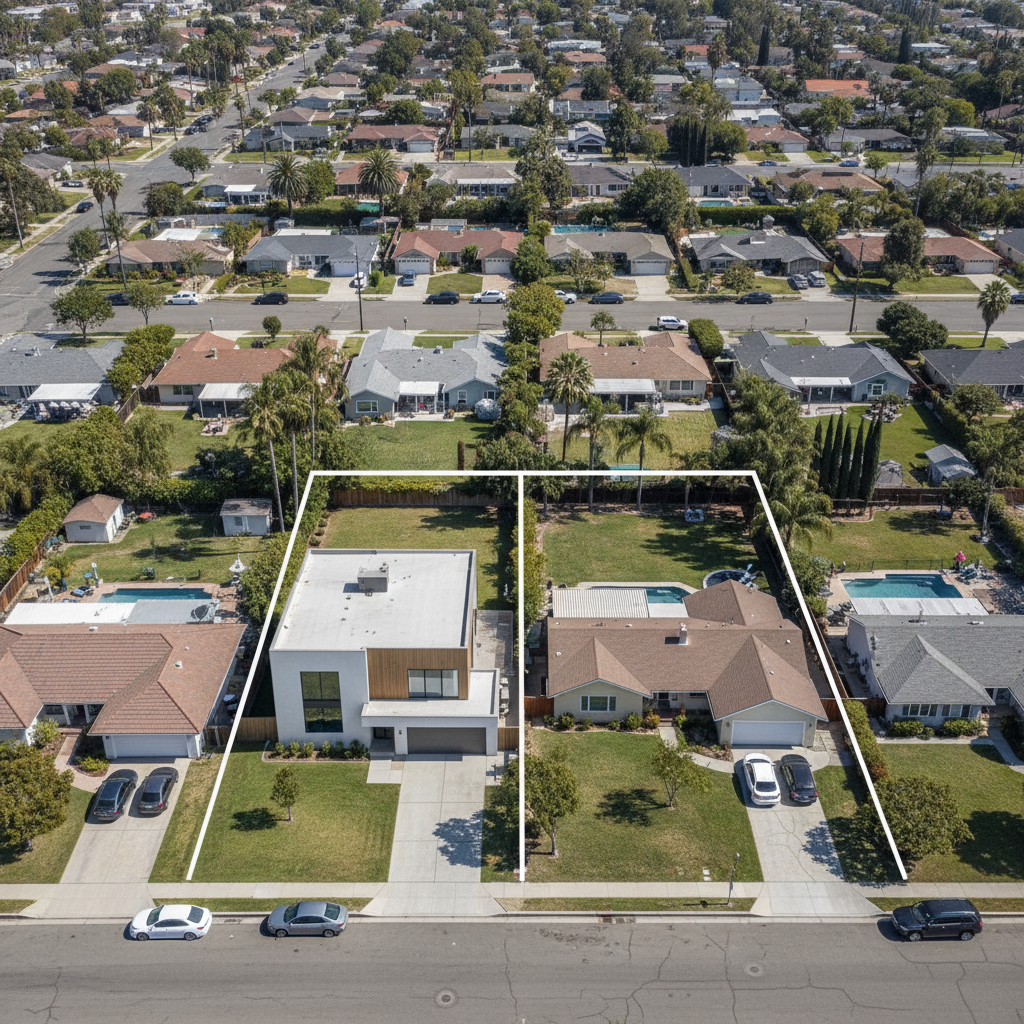
- Urban Lot Split: Divide an existing single-family residential lot into two separate, buildable parcels.
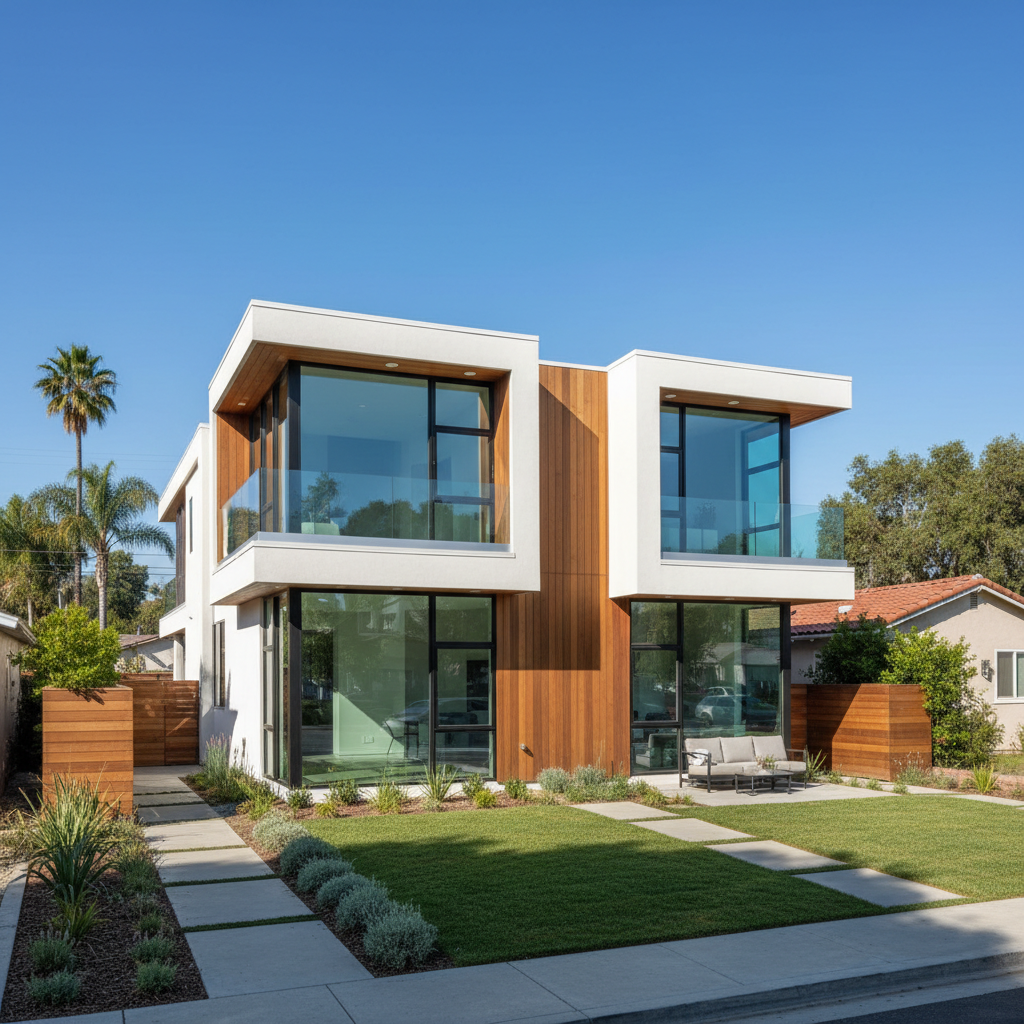
- Two-Unit Development: Build up to two primary dwelling units on a single-family residential lot, or on each of the newly created parcels from an urban lot split.
In essence, SB 9 allows for the creation of up to four units on what was previously a single-family lot – two primary units on each of two split lots, or two primary units on a single lot, each of which could potentially also host an ADU. This fundamentally redefines the concept of single-family zoning across much of California.
Key Provisions and Requirements of SB 9
While SB 9 opens up exciting opportunities, it comes with specific requirements and limitations:
- Location: Properties must be located within an urbanized area or urban cluster, as defined by the U.S. Census Bureau. They cannot be located in high fire severity zones, earthquake fault zones, designated conservation areas, or prime agricultural land.
- Owner Occupancy Affidavit: For a lot split, the property owner must sign an affidavit stating they intend to occupy one of the dwellings (either on the original or newly created lot) as their primary residence for a minimum of three years following the split. This requirement generally does not apply to two-unit developments on an unsplit lot.
- Ministerial Approval: Local agencies must approve SB 9 applications ministerially, meaning they must be approved if they meet objective standards, without discretionary review or public hearings. This significantly speeds up the permitting process.
- Minimum Lot Size: Each parcel created through a lot split must be at least 1,200 square feet, and the split must result in two parcels of roughly equal size (no parcel can be smaller than 40% of the original lot size).
- Design and Development Standards: Local agencies can impose objective design standards (e.g., setbacks, height limits, architectural style) but cannot enforce standards that would physically preclude the construction of two units of at least 800 square feet each.
- No Short-Term Rentals: Units created under SB 9 cannot be used for short-term rentals (less than 30 days).
- No Demolition of Affordable Housing: SB 9 cannot be used to demolish or alter housing that has been occupied by tenants in the last three years or is rent-controlled or affordable housing.
Understanding California's Standard ADU Laws
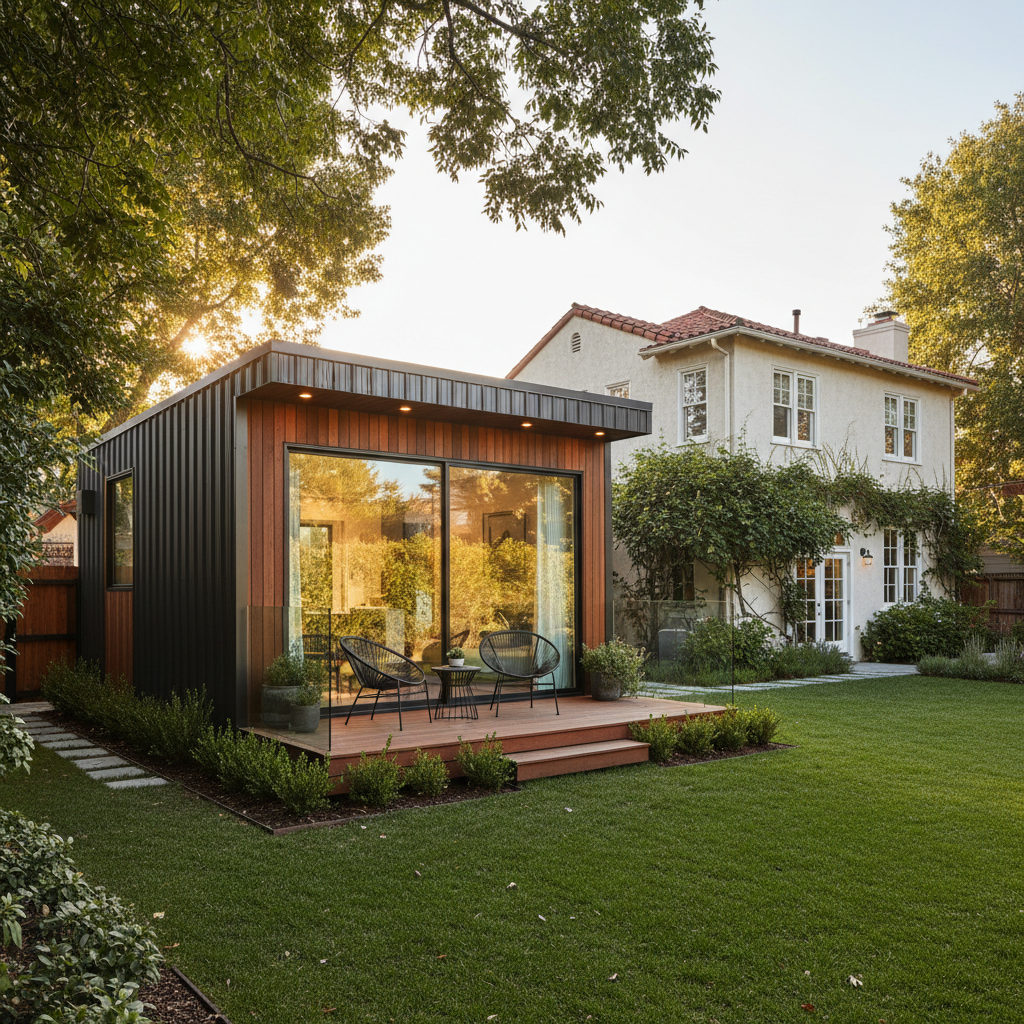
Accessory Dwelling Units (ADUs), often called backyard homes or granny flats, are secondary housing units built on the same lot as a primary residence. California's ADU laws have been significantly streamlined and standardized over the past few years to encourage their development. The primary goals of ADU legislation are to:
- Provide more affordable housing options.
- Allow homeowners to generate rental income.
- Offer flexible living arrangements for multi-generational families.
Key features of standard ADU laws include:
- Types: Detached (freestanding), Attached (connected to the primary home), Junior ADUs (JADUs, internal to the primary home, typically under 500 sq ft), and conversions (garage, basement, attic).
- Size Limits: Generally up to 1,200 sq ft for detached ADUs, with JADUs capped at 500 sq ft. Local jurisdictions cannot impose minimum lot sizes or require replacement parking for garage conversions.
- Setbacks: State law generally requires a maximum 4-foot side and rear setback for ADUs.
- Ministerial Approval: Like SB 9, ADU applications are subject to ministerial approval if they meet objective standards.
- Owner Occupancy: Generally not required for ADUs (except for JADUs, which always require owner occupancy of the primary home).
- Rental: ADUs can be rented out for long-term tenancy, generating significant rental income for homeowners. Short-term rental restrictions vary by local ordinance.
SB 9 vs. ADU Laws: A Detailed Comparison
While both laws aim to increase housing, their approaches and outcomes are fundamentally different. Here's a breakdown of how California SB 9 stands apart from traditional ADU regulations:
Purpose and Outcome
- SB 9: Primarily focuses on creating new primary residential parcels or additional primary residences on existing parcels. It facilitates the creation of entirely new housing stock and, crucially, new property titles through lot splits.
- ADU Laws: Focus on adding secondary dwelling units to an existing primary residence. The ADU remains on the same parcel as the main home and cannot be sold separately.
Number of Units Allowed
- SB 9: Allows for up to two primary dwelling units on a single lot. If an urban lot split occurs, each of the two new parcels can then have two primary units, or one primary unit and one ADU, potentially leading to four units across the original lot.
- ADU Laws: Generally allow for one ADU and one JADU per single-family lot, in addition to the primary residence. Some multi-family properties can accommodate multiple ADUs.
Lot Splits
- SB 9: Explicitly allows for the subdivision of a single-family lot into two parcels, provided specific conditions are met. This is a game-changer for homeowners with large lots.
- ADU Laws: Do not grant the right to subdivide a lot. ADUs remain part of the original parcel.
Owner Occupancy Requirements
- SB 9: Requires an owner-occupancy affidavit for lot splits, committing the owner to live on one of the resulting parcels for at least three years. This is a key safeguard to prevent speculative development.
- ADU Laws: Generally do not require owner occupancy for the primary residence, making them flexible for investment properties (except for JADUs).
Rental Restrictions
- SB 9: Prohibits short-term rentals (less than 30 days) for any units created under its provisions.
- ADU Laws: Do not prohibit short-term rentals at the state level, though local jurisdictions may impose their own restrictions. Long-term rentals are universally permitted.
Impact on Property Value and Ownership
- SB 9: Can significantly increase property value by creating an entirely new, salable parcel or additional primary homes. This offers a new pathway to wealth creation for homeowners.
- ADU Laws: Increase property value by adding a rentable unit or extra living space, but the property remains a single parcel.
Ready to explore the possibilities for your property? Get a free project estimate from GatherADU to understand how SB 9 or ADU laws could benefit you.
Who Benefits from SB 9?
SB 9 offers significant advantages to specific types of property owners:
- Homeowners with Large Lots: Those with properties significantly larger than the minimum required for their zoning can split their lot, potentially selling off the new parcel or developing it themselves.
- Families Seeking Multi-Generational Living: SB 9 allows for the creation of multiple primary residences on a single lot, facilitating independent living for family members while remaining close.
- Developers and Investors: While the owner-occupancy clause for lot splits limits pure speculative development, developers can partner with homeowners or pursue two-unit projects on unsplit lots to increase density.
Challenges and Considerations with SB 9
Despite its potential, SB 9 is not without its complexities:
- Local Implementation: While SB 9 mandates ministerial approval, local jurisdictions still have some leeway in establishing objective design standards, which can vary.
- Financing: Securing financing for lot splits and new construction under SB 9 can be more complex than for traditional ADUs, as it involves subdividing land.
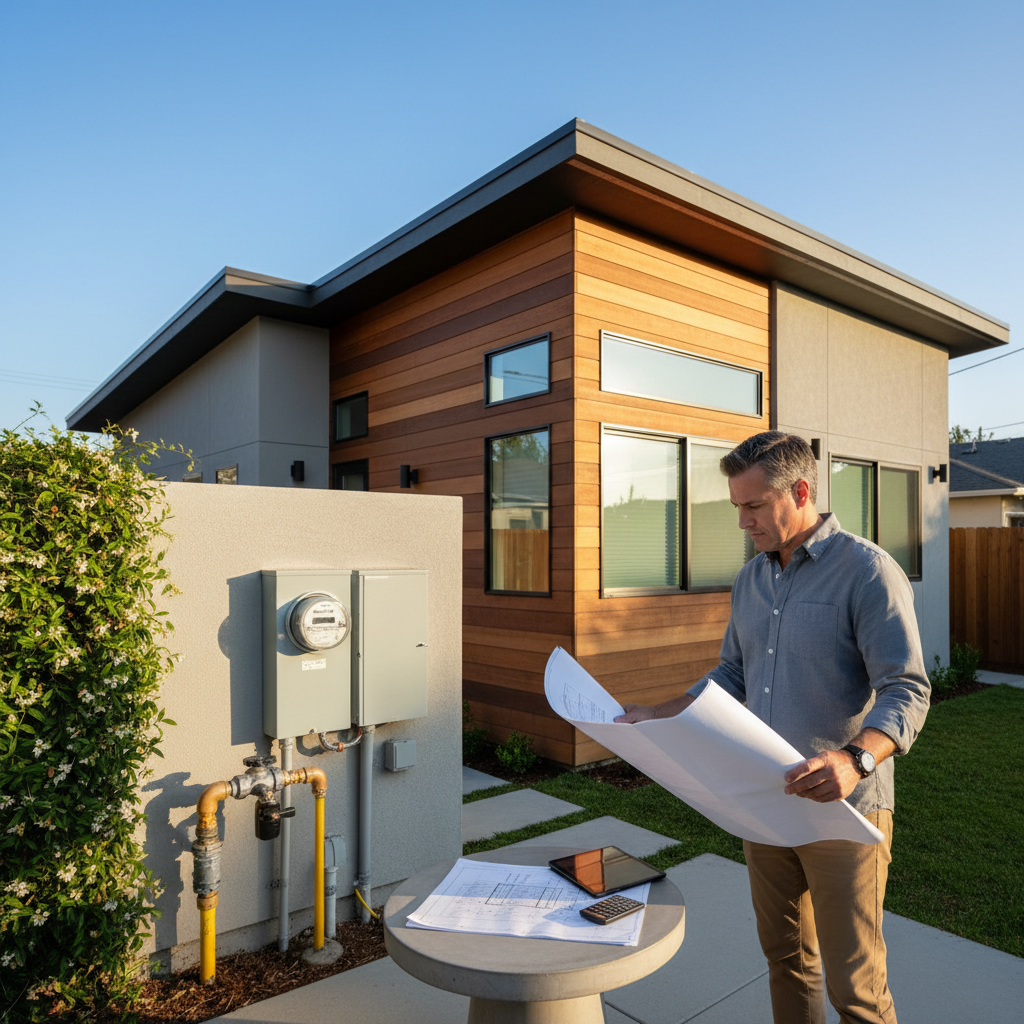
- Infrastructure: Adequate access to utilities (water, sewer, electricity) for new units or parcels must be considered and may require upgrades.
- Owner Occupancy Clause: The three-year owner occupancy requirement for lot splits can deter some potential applicants who prefer immediate flexibility.
Don't let complex regulations deter you. Book a free consultation with our experts to understand your options, whether it's SB 9, ADU, or both.

Navigating SB 9 and ADU Regulations with GatherADU
The landscape of California's housing laws is constantly evolving, and navigating the nuances of SB 9 and ADU regulations requires specialized expertise. GatherADU is a California-based company that designs and builds Accessory Dwelling Units and is deeply familiar with the state's housing legislation, including SB 9.
Our team of experts can help you:
- Assess Property Eligibility: Determine if your property qualifies for an ADU, an SB 9 lot split, or a two-unit development.
- Understand Local Ordinances: Interpret local objective design standards and setback requirements that apply to your project.
- Design and Permitting: Create compliant, functional, and beautiful designs, and manage the entire permitting process.
- Construction Management: Oversee the construction of your new units, ensuring quality and efficiency.
Whether your goal is to generate rental income, create space for family, or maximize your property's value through a lot split, GatherADU provides end-to-end solutions, simplifying a complex process.
Conclusion
California SB 9 represents a significant shift in how homeowners can utilize their residential properties, offering pathways to increase housing density and create new value far beyond what traditional ADU laws permit. While ADUs provide excellent options for secondary units, SB 9 empowers the creation of new primary residences and even new parcels. Understanding the distinctions, requirements, and benefits of each law is essential for making informed decisions about your property's future.
Both SB 9 and ADU laws are powerful tools in addressing California's housing needs, but they operate on different principles. By choosing the right strategy, homeowners can unlock substantial opportunities. Whether you're considering an ADU, a new primary residence via SB 9, or exploring a lot split, GatherADU is your trusted partner. Our team specializes in navigating California's housing laws, designing compliant and beautiful homes, and managing the entire construction process from start to finish. Schedule your free ADU or SB 9 consultation today and take the first step toward unlocking your property's full potential.