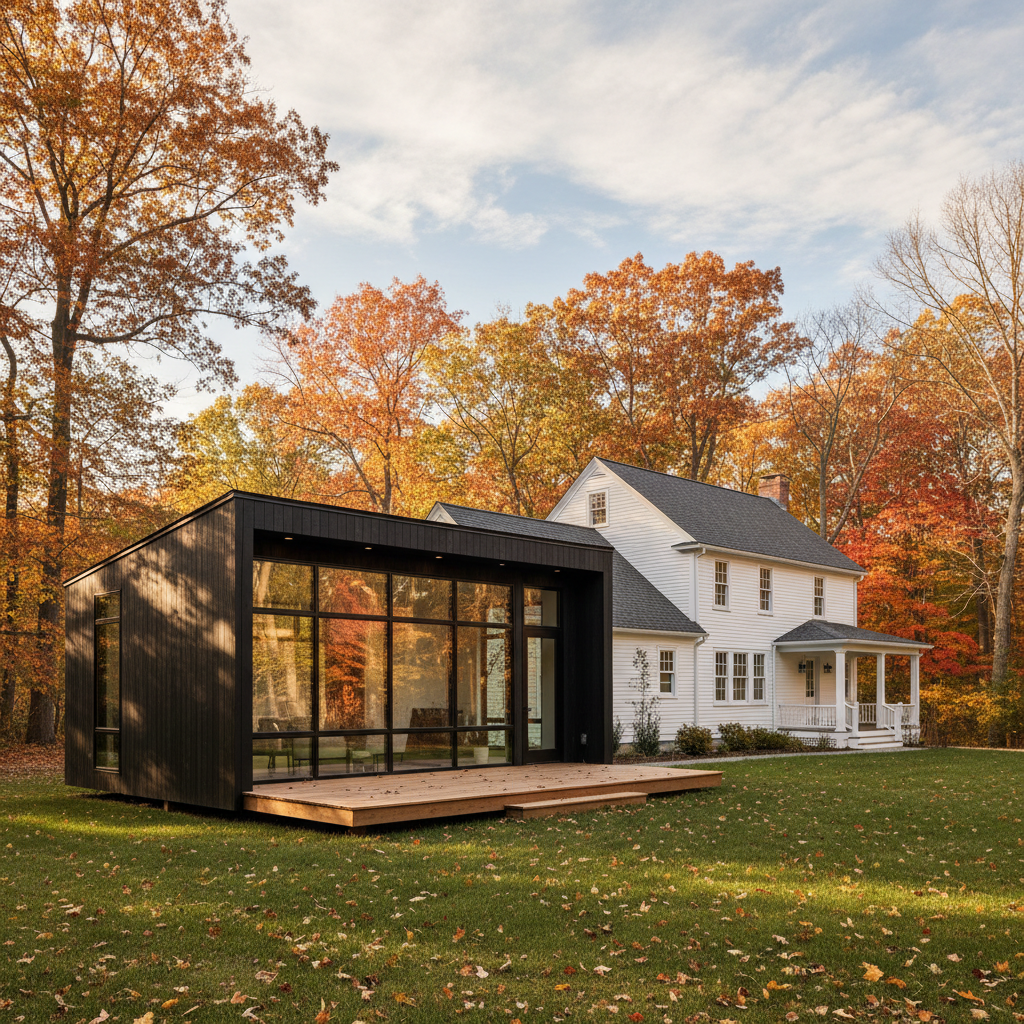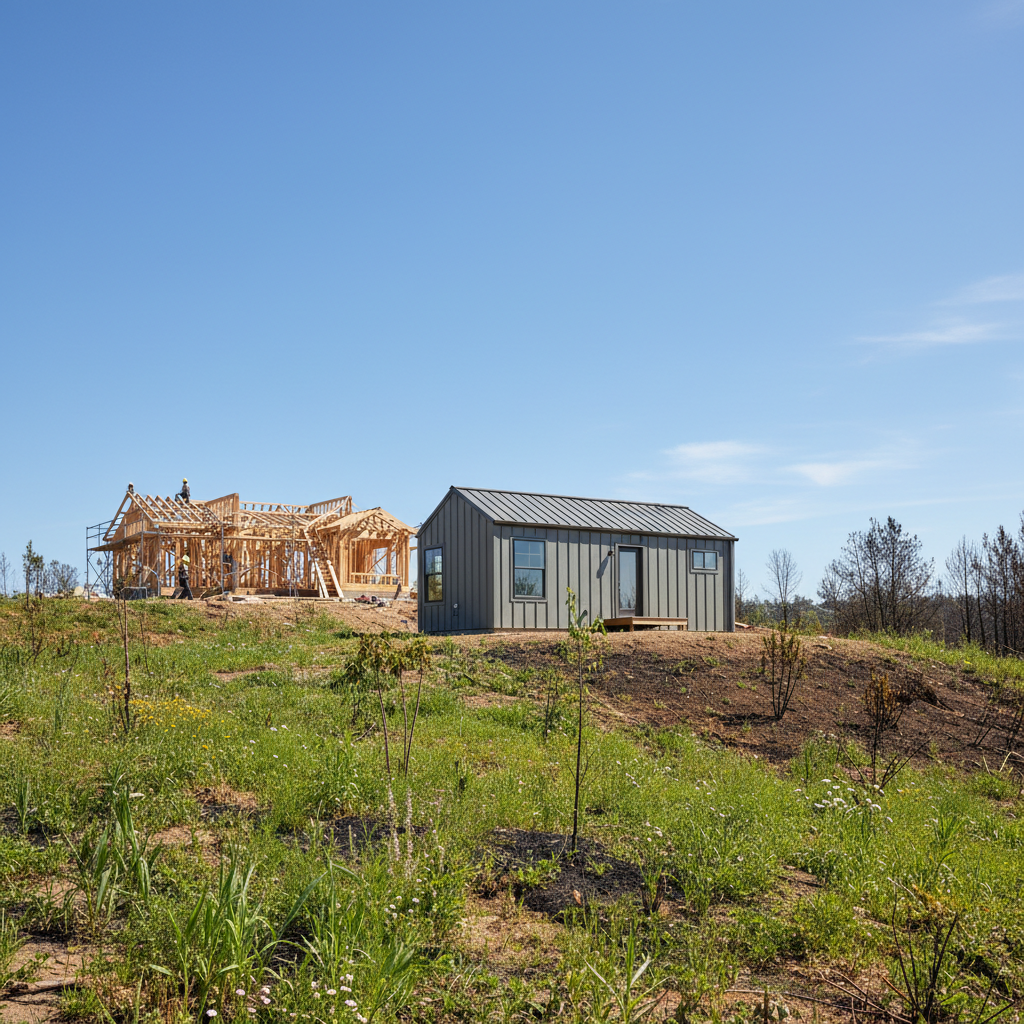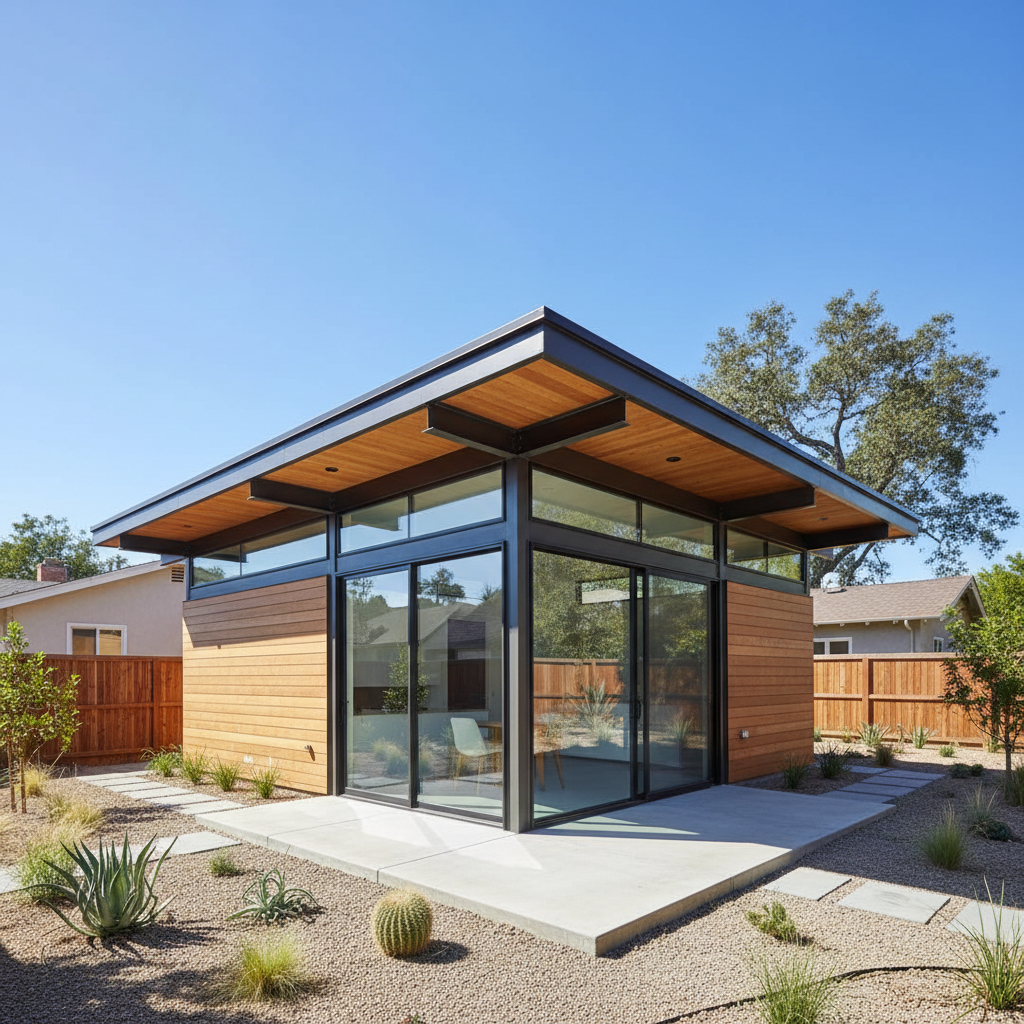
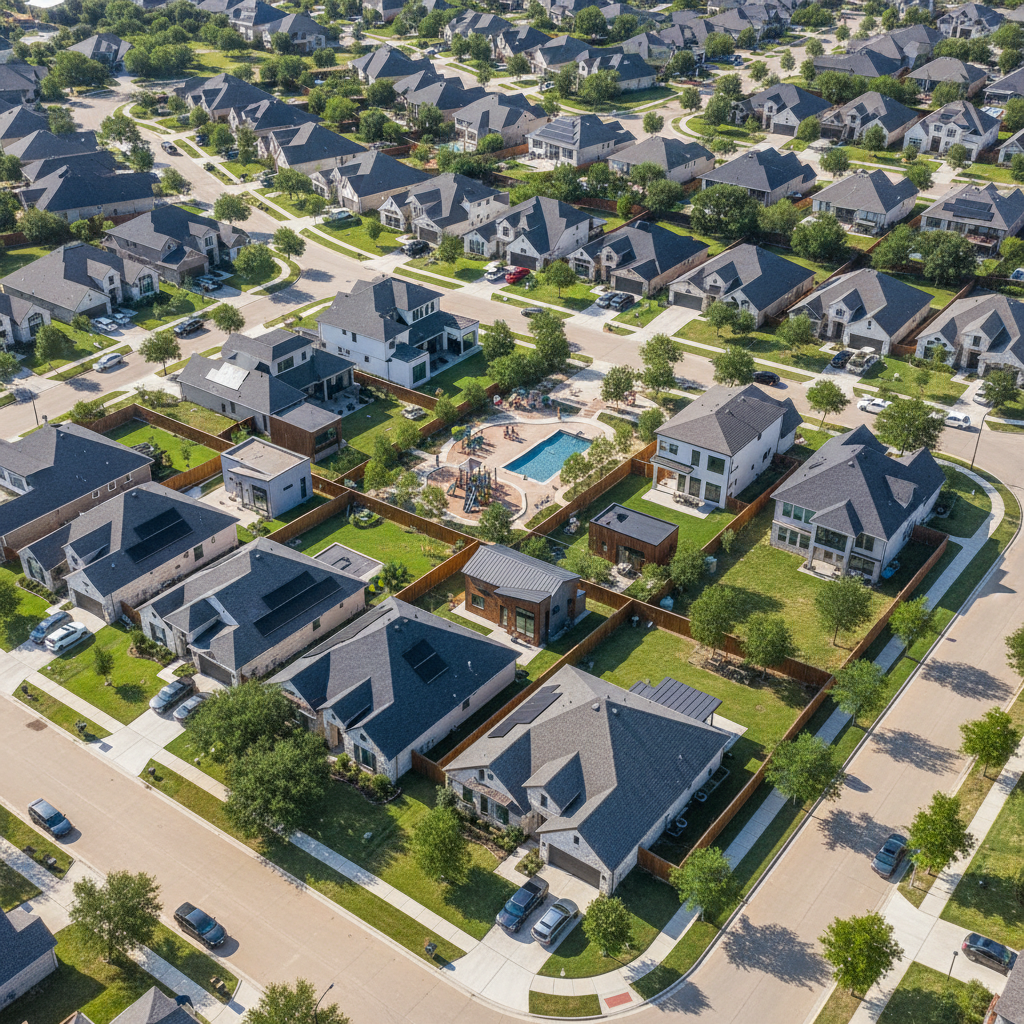
For years, homeowners across Texas have faced a patchwork of local regulations when it came to building an Accessory Dwelling Unit (ADU), also known as a backyard home or granny flat. These regulations often made adding a secondary dwelling a complex, costly, or even impossible endeavor. However, a significant legislative change has swept across the Lone Star State, fundamentally altering the landscape for ADU construction: Texas SB 1412 ADU.
Enacted into law and effective September 1, 2023, Senate Bill 1412 is a game-changer. It aims to reduce barriers to ADU development, promote housing affordability, and grant property owners greater flexibility in utilizing their land. If you're a Texas homeowner who has ever dreamed of adding a rental unit, an in-law suite, or a dedicated home office, understanding this new law is crucial.
What Exactly is an Accessory Dwelling Unit (ADU)?
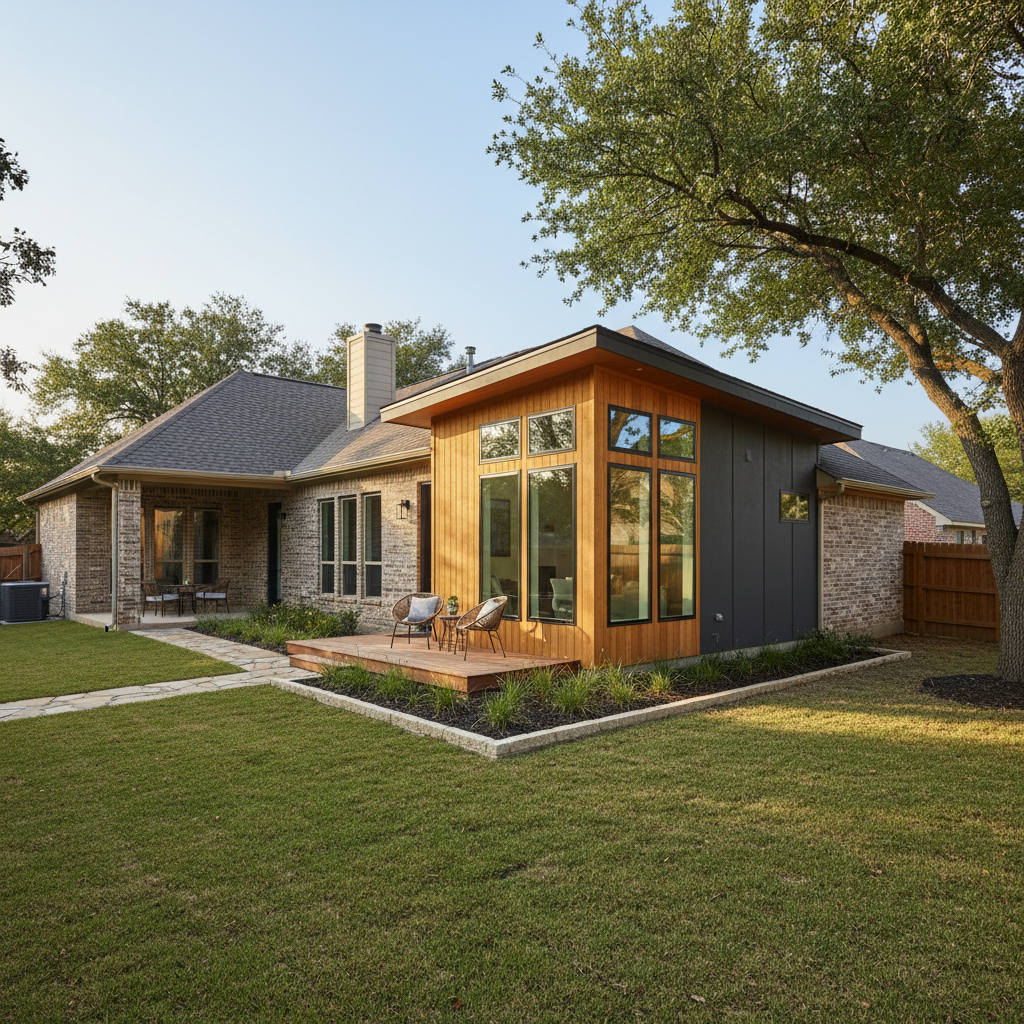
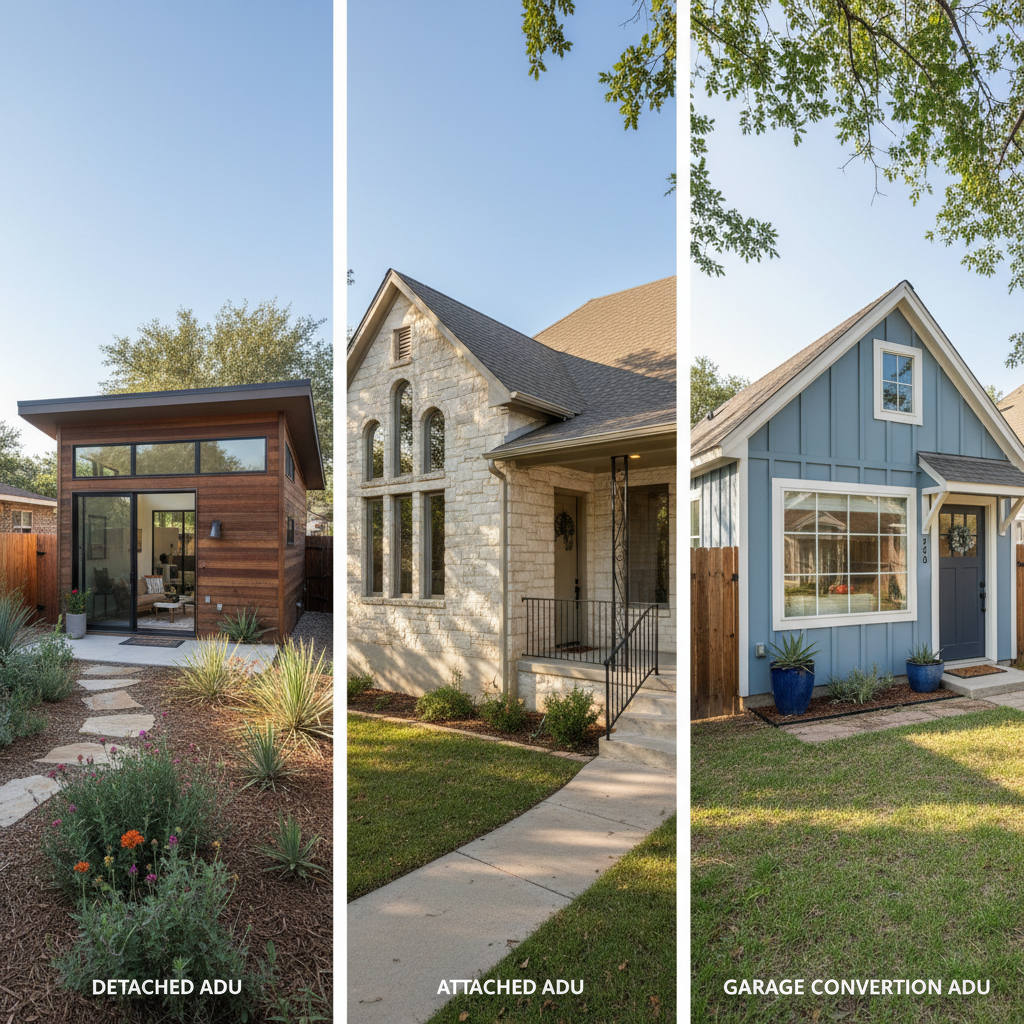
Before diving into the specifics of SB 1412, let's briefly define what an ADU is. An ADU is a secondary housing unit on a single-family residential lot. It can be:
- Detached: A separate structure in the backyard.
- Attached: An addition to the main house.
- Converted: A garage, basement, or attic transformed into a living space.
ADUs offer numerous benefits, including:
- Providing additional income through rentals.
- Housing aging parents or adult children.
- Creating flexible space for a home office, gym, or studio.
- Increasing property value.
Understanding Texas Senate Bill 1412
Texas SB 1412, signed into law by Governor Greg Abbott in June 2023, represents a statewide effort to standardize and simplify the process of building ADUs. Its core purpose is to prevent cities from imposing overly restrictive zoning ordinances that effectively ban or severely limit ADU construction on single-family lots. In essence, it sets minimum standards that cities cannot exceed in terms of restrictiveness.
The bill was championed as a solution to Texas's growing housing crisis, offering a path to increase housing supply without requiring large-scale new developments. By empowering individual homeowners to add density to their properties, SB 1412 encourages organic, community-driven growth.
Key Provisions of SB 1412 Affecting ADUs
This is where the rubber meets the road for Texas homeowners. SB 1412 introduces several critical provisions that directly impact your ability to build an ADU:
1. Mandatory Approval for One ADU
Perhaps the most significant change, SB 1412 mandates that cities and municipalities must allow at least one Accessory Dwelling Unit on a residential lot containing a single-family detached home. This means cities can no longer outright prohibit ADUs on qualifying properties, as long as the proposed ADU adheres to the state's minimum standards and any permissible local regulations.
2. Standardized Size and Height Limits
The bill sets clear boundaries for how restrictive cities can be regarding ADU dimensions:
- Minimum Size: Cities cannot prohibit an ADU smaller than 400 square feet.
- Maximum Size: Cities cannot limit an ADU to less than 1,500 square feet OR 45% of the primary dwelling's conditioned area, whichever is less. This provides significant flexibility for homeowners to build a reasonably sized secondary unit.
- Height: Cities cannot restrict an ADU's height to less than 24 feet. This allows for two-story ADUs, which can be crucial for maximizing living space on smaller lots.
3. Reasonable Setback Requirements
Setbacks, the distance a structure must be from property lines, have historically been a major hurdle for ADU construction. SB 1412 addresses this by prohibiting cities from requiring setbacks greater than:
- 5 feet from the side property line.
- 5 feet from the rear property line.
This uniform standard makes it much easier to site an ADU on most residential lots, especially those with limited backyard space.

4. Limited Parking Requirements
Parking has been another common obstacle. SB 1412 significantly reduces the ability of cities to impose burdensome parking mandates for ADUs:
- Cities cannot require more than one parking space for an ADU.
- If the property is located within half a mile of a public transit stop, cities cannot require any additional parking for the ADU.
This provision is a boon for urban areas and properties near transit, encouraging more sustainable living and reducing construction costs associated with paving additional parking.
5. Prohibition on Owner-Occupancy Requirements
One of the most impactful changes for homeowners looking to use their ADU for rental income or as an investment property is the prohibition of owner-occupancy requirements. Before SB 1412, many cities required the owner of the property to reside in either the primary dwelling or the ADU. Now, homeowners have the flexibility to:
- Live in the main house and rent out the ADU.
- Live in the ADU and rent out the main house.
- Rent out both units (as long as one is the primary residence of the property owner for property tax purposes, etc., consult a tax professional).
This opens up significant new opportunities for passive income and multi-generational living arrangements.
6. No Restrictions on Short-Term Rentals
In a related vein, SB 1412 also prevents cities from prohibiting the rental of an ADU for any period, whether short-term (like through Airbnb or VRBO) or long-term. This further enhances the financial viability and flexibility of ADUs for property owners.
7. Streamlined Utility Connections and Fees
The bill aims to streamline the process for connecting ADUs to utilities and limits the ability of cities to charge excessive impact fees. While fees can still be charged, they must be proportionate to the ADU's impact and cannot be used as a deterrent for construction.
8. Objective Architectural Standards
While cities can still impose architectural standards for ADUs, these standards must be objective and generally applicable to all residential development in the area. This prevents arbitrary or subjective aesthetic reviews from delaying or blocking ADU projects.

Who Benefits from the Texas SB 1412 ADU Law?
The implications of SB 1412 are far-reaching, benefiting a wide range of Texans:
- Homeowners Seeking Rental Income: With no owner-occupancy or rental restrictions, ADUs become a powerful tool for generating passive income and offsetting mortgage costs.
- Families Needing More Space: Whether it's for aging parents, adult children returning home, or a live-in caregiver, ADUs provide a private, independent living space close to family.
- Remote Workers and Entrepreneurs: A dedicated backyard office or studio offers an ideal separation between work and home life.
- Investors: The ability to rent out both the primary dwelling and the ADU creates new investment opportunities in the Texas housing market.
- Cities and Communities: Increased housing supply helps address affordability challenges, and ADUs often integrate seamlessly into existing neighborhoods without requiring extensive infrastructure changes.
Considering an ADU project for your Texas property? Navigating these new regulations and designing a functional, beautiful ADU can be complex. Speak with a GatherADU expert about your vision today to understand the possibilities and start planning.
Navigating the New Landscape: What Texas Homeowners Should Do
While SB 1412 significantly eases the path to building an ADU, it doesn't eliminate the need for careful planning and adherence to local processes. Here's how to approach your ADU project in the post-SB 1412 era:
1. Understand Your Specific Local Ordinances (Within SB 1412's Framework)
Although SB 1412 preempts overly restrictive local laws, cities still have some authority. They can:
- Adopt ordinances that align with or are less restrictive than the state's standards.
- Set objective design standards (e.g., materials, roof pitches) that are consistent with the neighborhood.
- Require permits and inspections to ensure safety and code compliance.
It's crucial to check with your city's planning or permitting department to understand their current ADU guidelines, keeping in mind the new state mandates.
2. Assess Your Property
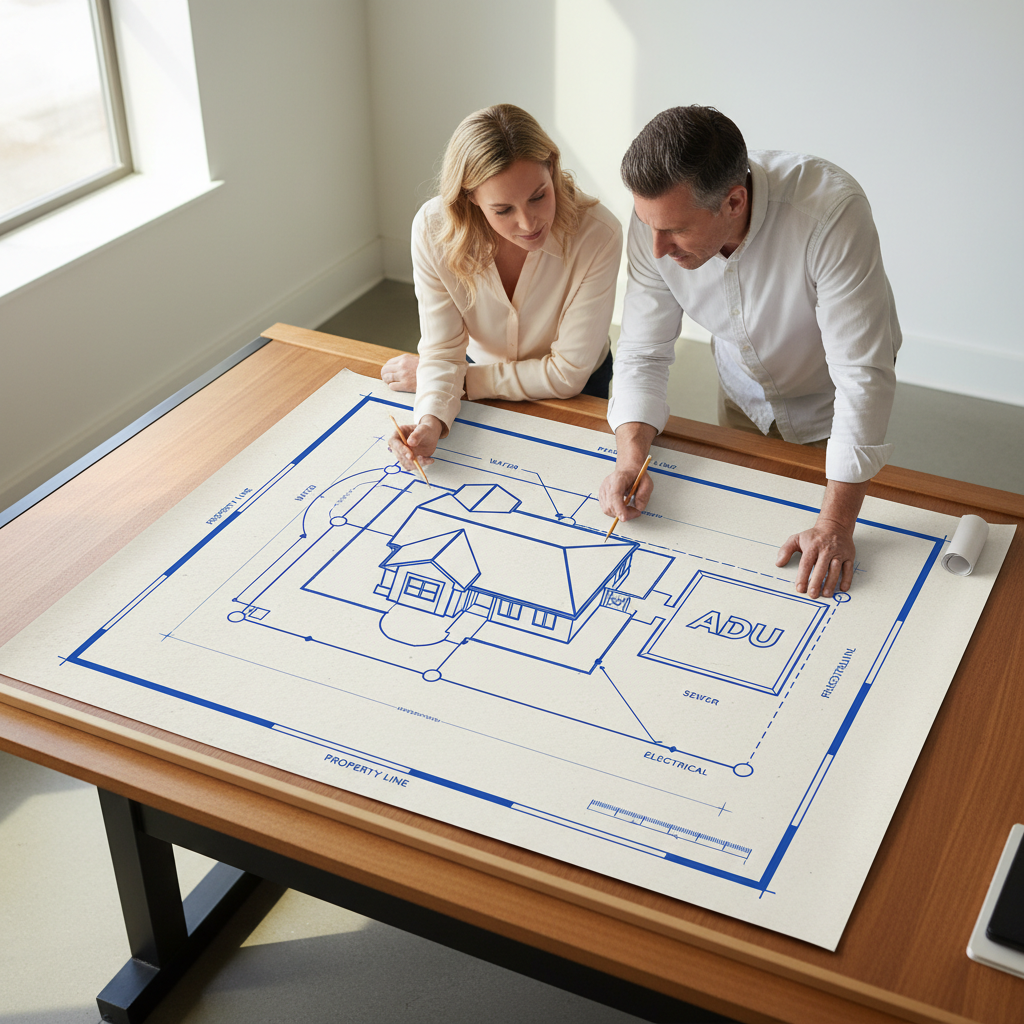
Consider your lot size, existing structures, utility access points, and potential locations for an ADU. Even with generous state setbacks, factors like easements, trees, and topography will influence your design and placement options.
3. Plan Your Design and Function
Think about the purpose of your ADU. Will it be a compact studio, a spacious one-bedroom, or a two-story unit? What amenities are essential? How will it integrate with your existing home and outdoor space? Thoughtful design is key to maximizing the value and usability of your ADU.

4. Budget and Financing
Research potential costs, including design, permitting, construction, and utility connections. Explore financing options such as home equity loans, construction loans, or ADU-specific financing products.
5. Consult with Experts
Working with experienced ADU designers and builders is invaluable. They can help you navigate local regulations, optimize your design for your property and budget, and guide you through the permitting and construction process. To navigate these opportunities and understand how SB 1412 might impact your specific property, schedule a complimentary ADU consultation with GatherADU.
Challenges and Considerations
While SB 1412 opens many doors, it's important to remember that building an ADU still involves a significant project:
- Permitting Process: While streamlined, permits are still required and involve multiple inspections.
- Construction Costs: Building any structure is an investment. Ensure your budget aligns with your vision.
- Finding Qualified Contractors: Research and vet local builders experienced in ADU construction in Texas.
- HOA Restrictions: Homeowners' associations (HOAs) can still impose their own rules, which may or may not be preempted by SB 1412 depending on their specific covenants. This is an area that may require legal interpretation.
Conclusion
Texas SB 1412 represents a landmark shift in the state's approach to Accessory Dwelling Units. For homeowners, it translates into unprecedented opportunities to add value, flexibility, and income potential to their properties. By preempting overly burdensome local regulations, the law empowers Texans to take control of their housing needs and contribute to the state's housing supply.
Ready to explore the possibilities that SB 1412 opens up for your Texas property? While GatherADU specializes in designing and building ADUs in California, our expertise in navigating complex ADU regulations and optimizing designs can be invaluable for homeowners nationwide. Book your free ADU consultation with GatherADU today to discuss your project, understand the design implications, and take the first step towards realizing your backyard home dream.