Last updated: April 2026 | By Argi Avetisyan, Co-founder & CEO at GatherADU
If you are a California homeowner researching SB 543 permit completeness, you are asking the right questions at exactly the right time. Between 2024 and 2026, California rewrote more ADU rules than in any two-year period since ADU legislation began. The regulations that applied to projects three years ago have been overhauled in ways that directly affect your timeline, budget, and options.
We have permitted and built over 127 ADUs across Los Angeles County. This guide draws on that hands-on experience — not just the legal text, but what actually happens when homeowners navigate the process. Every data point, timeline, and cost range comes from real projects.
What Changed and Why It Matters for Your Project
California continues to lead the nation in ADU-friendly legislation. The 2025-2026 legislative session produced the most significant overhaul of ADU law in years. Here are the changes that directly affect SB 543 permit completeness decisions:
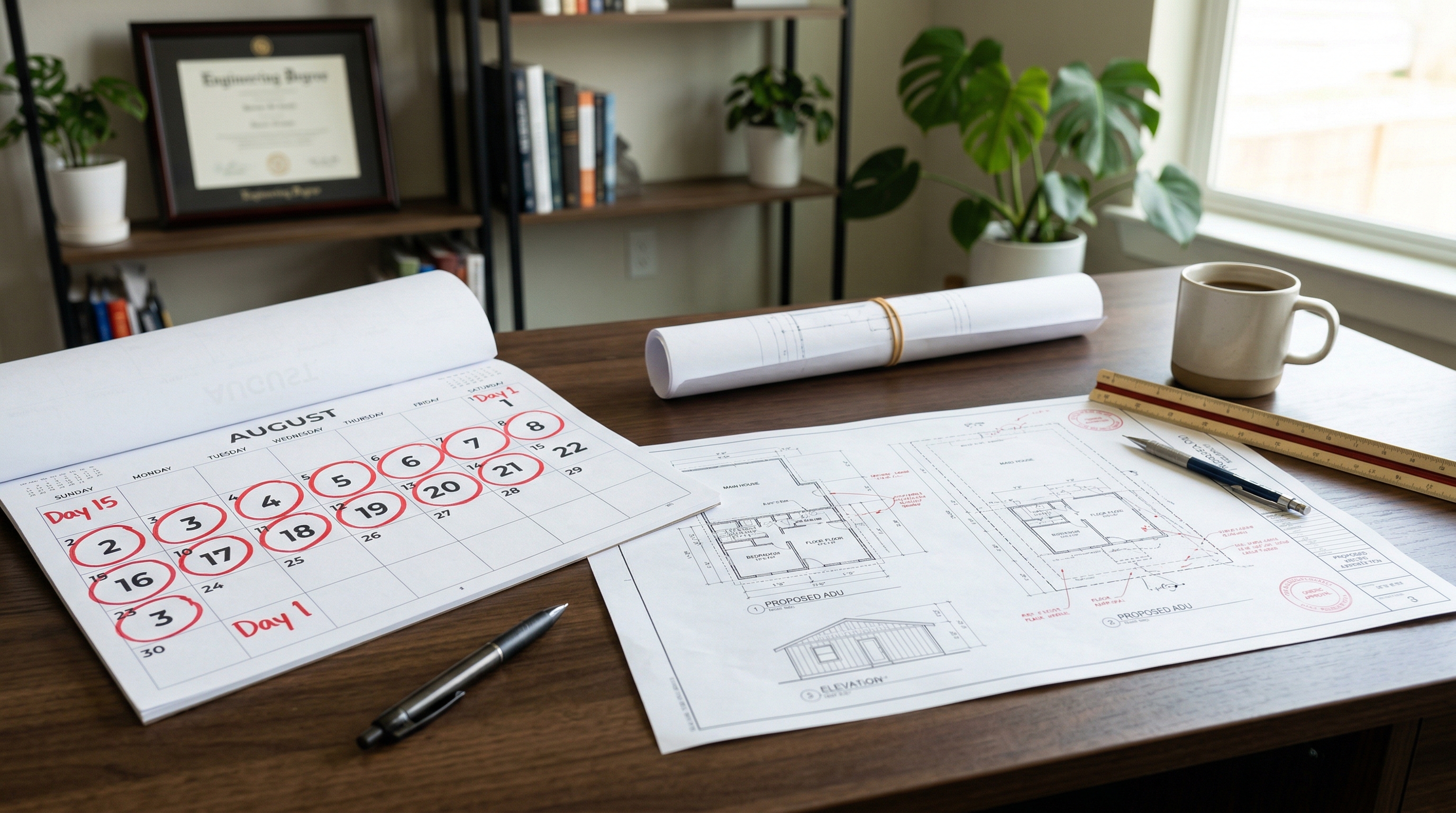
- SB 543 (effective January 1, 2026): Establishes a 15-day completeness clock for ADU applications. If your city misses the deadline, your application is automatically deemed complete. ADUs under 750 sq ft are now exempt from all impact fees. All size measurements now refer to interior livable space only.
- AB 1332 (effective January 1, 2025): Requires every city to offer pre-approved ADU plans with 30-day approval timelines. Custom designs must be decided within 60 days. LADBS is approving pre-approved plans in 21-30 days in practice.
- AB 976 (effective January 1, 2024): Permanently eliminated owner-occupancy requirements for standard ADUs. You can rent out both the main home and the ADU without living on the property.
- AB 2533 (effective late 2025): Creates a legalization pathway for unpermitted ADUs built before 2020. Cities cannot deny permits unless there is a severe safety hazard.
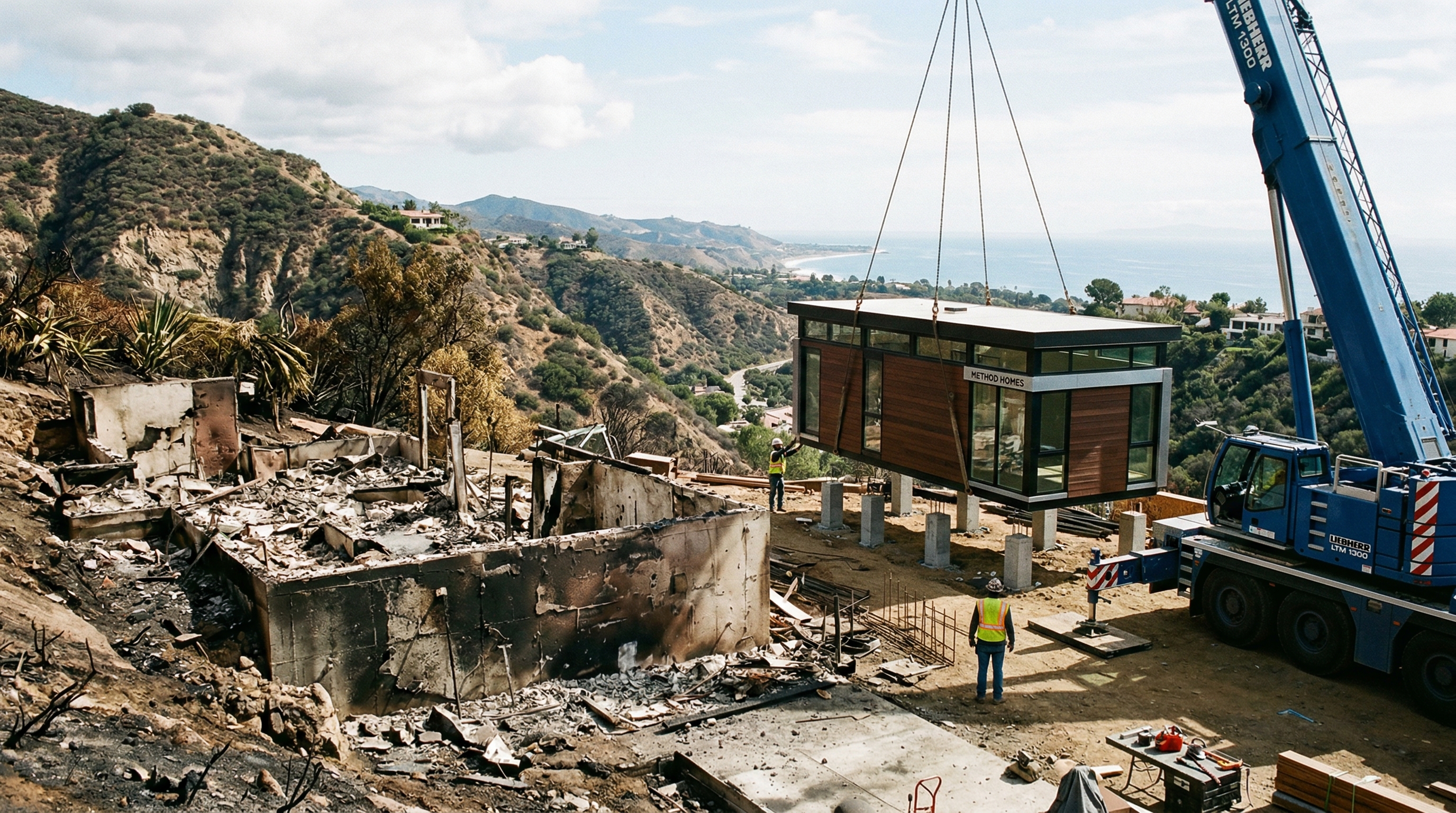
- AB 462 (effective October 15, 2025): Allows ADU occupancy before primary home rebuild in fire/disaster zones. Directly applies to LA and Ventura County.
These laws create the most favorable ADU environment California homeowners have ever had. Permits are faster, fees are lower, and the investment case is stronger than at any point in the past decade.
Understanding the Fundamentals: Types, Sizes, and Costs
Before diving into the specifics of SB 543 permit completeness, here is a clear overview of what you can build in California in 2026.
| ADU Type | Max Size | Typical Cost | Timeline | Best For |
|---|---|---|---|---|
| Detached ADU | 1,200 sq ft | $200K-$360K | 6-12 months | Maximum rental income, privacy |
| Attached ADU | 1,000 sq ft or 50% of primary | $150K-$280K | 5-10 months | Shared utilities, lower cost |
| Garage Conversion | Existing footprint | $80K-$200K | 3-6 months | Budget-friendly, fastest path |
| Junior ADU (JADU) | 500 sq ft | $50K-$120K | 2-4 months | Lowest cost, within existing home |
| Prefab/Modular | 1,200 sq ft | $150K-$300K | 2-4 months install | Speed, predictable cost |
Los Angeles Market Data: Costs, Rents, and Returns
Los Angeles processes more ADU permits than any other city in California. The rental market for ADUs varies dramatically by neighborhood, and understanding local economics is critical for smart decisions about SB 543 permit completeness.
Construction Costs by LA Area
| Area | Cost Per Sq Ft | Total (800 sq ft) |
|---|---|---|
| San Fernando Valley | $225-$325 | $180K-$260K |
| East LA / Highland Park | $225-$325 | $180K-$260K |
| Mid-City / Central LA | $275-$375 | $220K-$300K |
| West LA / Culver City | $325-$425 | $260K-$340K |
| Santa Monica / Venice | $350-$450 | $280K-$360K |
Monthly ADU Rental Income by Neighborhood
- West Side (Venice, Santa Monica, Culver City): $2,800-$4,200/month
- Central LA (Hollywood, Silver Lake, Los Feliz): $2,200-$3,800/month
- San Fernando Valley (Sherman Oaks, Encino): $2,000-$3,200/month
- East LA (Highland Park, Eagle Rock, Pasadena): $1,800-$2,800/month
- South LA: $1,500-$2,500/month — highest ROI percentages
ADU investments in Los Angeles typically deliver 8-12% annual returns when combining rental income and property appreciation. Break-even timelines range from 4-6 years for garage conversions to 6-9 years for detached units.
Want to know exactly what your ADU would cost and earn?
At GatherADU, we handle the entire process. Get a Free Feasibility Assessment or call (323) 591-3717.
The Permit Process in 2026
The ADU permitting landscape has improved dramatically over the past two years:
Pre-Approved Plans: 21-30 Day Approvals
Under AB 1332, every California city must offer pre-approved ADU plans. Applications using these plans must be decided within 30 days. In Los Angeles, LADBS has over 20 approved designs and is issuing permits in 21-30 days. These plans generate almost zero corrections because they are already vetted, making them dramatically faster than custom designs in practice.
Custom Designs: 60-Day Maximum
Custom designs fall under a 60-day legal maximum, but corrections stop the clock. In practice, custom plans in Los Angeles take 2-4 months through plan check depending on complexity.
SB 543: The 15-Day Completeness Clock
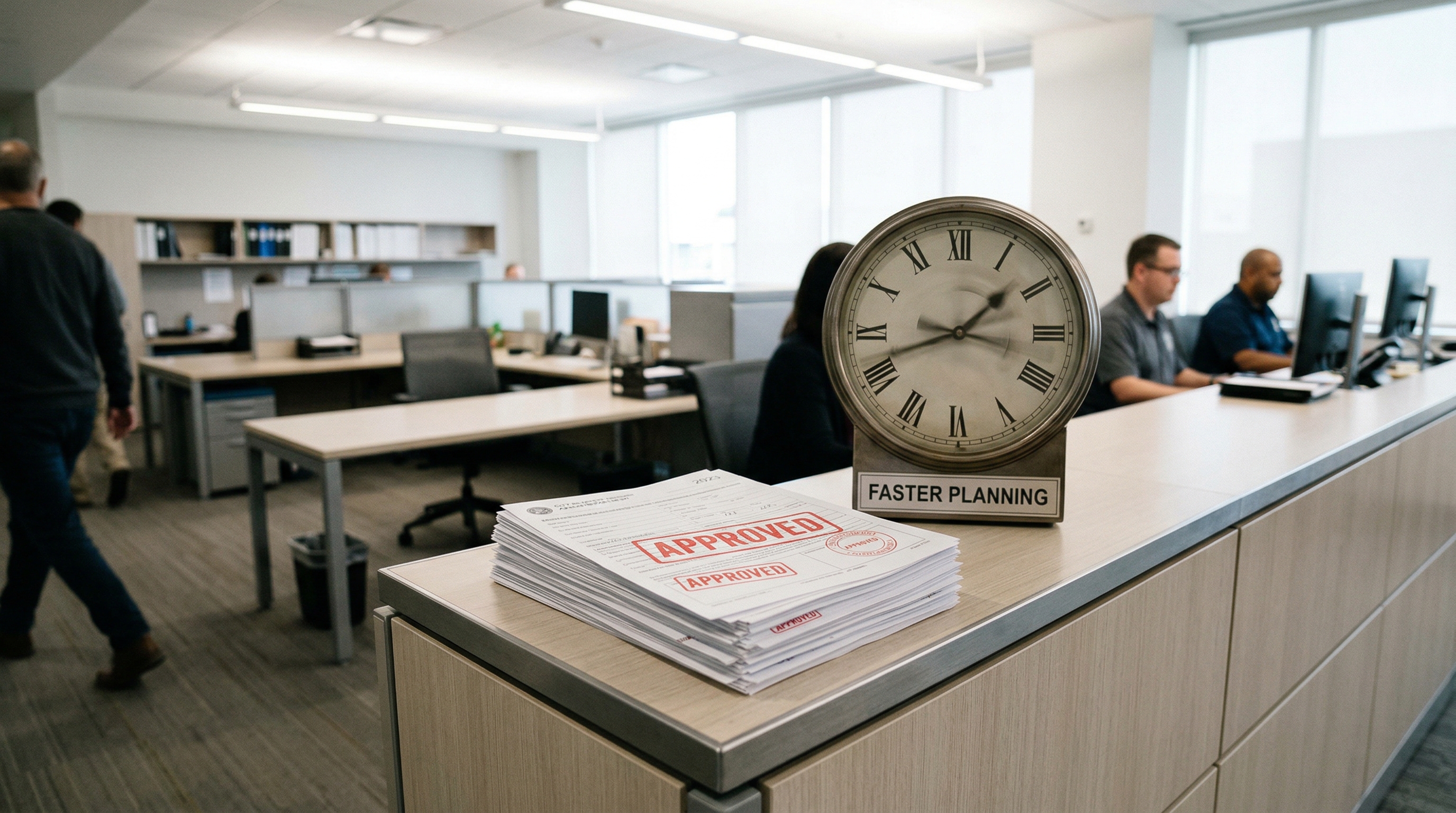
As of January 1, 2026, cities must determine whether your application is complete within 15 days. If they miss the deadline, your application is automatically deemed complete. On resubmittal, they can only review items they previously flagged — no new objections. Applicants also now have a formal right to appeal incompleteness determinations.

Financial Planning: Fees, Financing, and Tax Impact
Fee Exemptions Under SB 543
- Under 500 sq ft: Exempt from school impact fees (saves $3,000-$5,000)
- Under 750 sq ft: Exempt from all impact fees (saves $8,000-$15,000)
- Over 750 sq ft: Fees must be proportional to ADU size relative to primary dwelling
Financing Options for California Homeowners
- HELOC: Best rates for homeowners with equity. Draw as needed during construction.
- Construction Loan: Short-term financing with draws at milestones. Converts to permanent loan.
- Cash-Out Refinance: Access equity at current mortgage rates.
- CalHFA ADU Grant: Up to $40,000 in forgivable loans for eligible homeowners.
- Fannie Mae HomeStyle: Uses projected ADU rental income for qualification.
Property Tax Impact
Adding an ADU triggers a supplemental property tax assessment on the new construction only — your existing home is not reassessed. Typical annual increase: $2,000-$4,000, almost always offset by a single month of rental income.
Design Decisions That Affect Value
Layout and Floor Plan
Open floor plans maximize the feeling of space in smaller units. An open kitchen-living area with a separate bedroom and bathroom is the most popular and rentable configuration for ADUs under 800 square feet. Studio layouts work well under 500 square feet, especially in neighborhoods with young professional tenants.
Kitchen Design
The kitchen is the most expensive room per square foot and the room that most directly affects rental rates. A compact but well-designed kitchen with full-size appliances, stone or butcher block countertops, and adequate storage can justify $200-$400 more per month in rent compared to builder-grade finishes.
Bathroom Features
Walk-in showers are preferred over tubs in most ADU rental markets. A floating vanity, large-format tile, and good lighting make a compact bathroom feel premium. ADA-accessible features like grab bars and curbless showers expand your tenant pool and future-proof the unit.
Energy Efficiency
Under the 2026 Title 24 energy code, new ADUs must meet strict standards including heat pump water heaters, enhanced insulation, and usually solar panels. These add $10,000-$20,000 to construction but reduce operating costs and may qualify for federal tax credits.
Ready to explore what you can build on your property?
At GatherADU, we handle the entire process. Schedule a Free Consultation or call (323) 591-3717.
Common Mistakes to Avoid
- Underestimating total costs: Construction quotes often exclude permits ($6K-$15K), design fees ($8K-$25K), utility connections ($5K-$20K), and landscaping ($3K-$10K). Budget for the complete picture.
- Choosing the wrong contractor: ADU construction is specialized. Always verify ADU-specific experience, CSLB license, and recent references.
- Skipping feasibility: Soil conditions, utility locations, easements, and setback constraints can dramatically affect cost. A professional feasibility study saves more than it costs.
- Over-designing for the market: Premium finishes have diminishing returns. In most LA neighborhoods, the rent difference between mid-range and high-end is $100-$200/month — not enough to justify $30K+ in upgrades.
- Ignoring timeline costs: Every month of delay is lost rental income. At $2,500/month, a 3-month permit delay costs $7,500 in opportunity cost.
Working With GatherADU
We handle the entire ADU lifecycle:
- Free Feasibility Assessment: We evaluate your property, check zoning, measure setbacks, and give you realistic cost and timeline estimates.
- Architectural Design: Plans optimized for your lot, goals, and budget. We design for rentability, not just aesthetics.
- Permit Management: The entire permit process handled for you — submission, plan check responses, corrections, approvals.
- Construction Management: Licensed, insured construction with weekly updates and clear payment milestones.
Let us handle the complexity so you can focus on the results.
At GatherADU, we handle the entire process. Get Started With a Free Consultation or call (323) 591-3717.
Frequently Asked Questions
How much does it cost to build an ADU in Los Angeles?
$150-$450 per sq ft depending on type, neighborhood, and finishes. Garage conversions: $80K-$200K. Detached ADUs: $200K-$360K. Permits and soft costs add $15K-$40K.
How long does it take to get an ADU permit in California?
Pre-approved plans: 21-30 days (30-day legal max). Custom designs: 60-day max, though corrections extend the timeline. The 15-day completeness clock under SB 543 prevents front-end stalling.
Do I have to live on the property?
No. AB 976 permanently eliminated owner-occupancy for standard ADUs. You can rent both units. Only JADUs sharing a bathroom with the main home require occupancy.
Will an ADU increase my property taxes?
Yes, but only on the new construction (Prop 13 protects your existing assessment). Typical increase: $2K-$4K/year, offset by one month of rent.
Can I rent my ADU on Airbnb?
Standard ADUs follow your city's STR rules. JADUs are prohibited from short-term rentals under state law (30-day minimum).
What is the maximum ADU size?
Detached: 1,200 sq ft. Attached: 1,000 sq ft or 50% of primary dwelling. JADUs: 500 sq ft. All measurements now refer to interior livable space under SB 543.
This article reflects California ADU regulations as of April 2026. Regulations vary by city. GatherADU provides free feasibility assessments.
Written by Argi Avetisyan, Co-founder & CEO at GatherADU. 127+ ADUs completed across Los Angeles County.