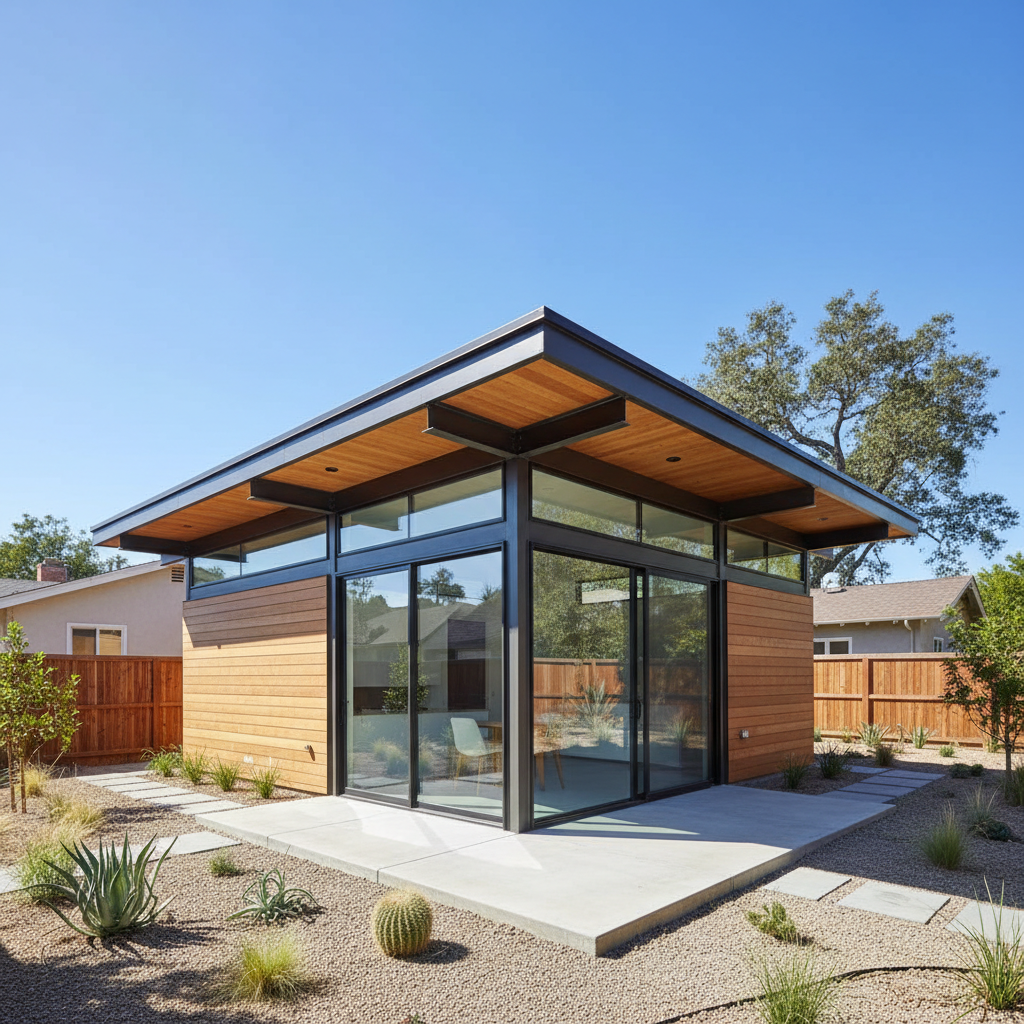
When planning an Accessory Dwelling Unit (ADU) in California, one of the most frequently asked questions is: Can I fit laundry facilities into this small space? The answer is a resounding yes! While the footprint of an ADU often requires creative thinking, integrating a functional laundry area is not only possible but highly desirable. Providing an in-unit washer and dryer significantly enhances the comfort, convenience, and rental appeal of your ADU. This guide will explore practical ADU laundry ideas, smart appliance choices, and strategic design considerations to help you maximize every inch.
Whether your ADU is intended for family, as a rental, or for personal use, having dedicated laundry facilities eliminates the need for trips to a laundromat or sharing with the main house. It's an amenity that truly elevates the living experience.
Why Laundry in an ADU Matters
Beyond simple convenience, incorporating laundry into your ADU offers several compelling benefits:
- Enhanced Independence: For tenants or family members living in the ADU, in-unit laundry provides complete self-sufficiency.
- Increased Rental Value & Appeal: An ADU with its own washer and dryer is significantly more attractive to potential renters, often commanding higher rents and reducing vacancy periods.
- Property Value Boost: Well-designed ADUs with modern amenities, including laundry, contribute positively to your overall property value.
- Convenience for Occupants: No more hauling laundry baskets across the yard or to a shared laundry room.
- Modern Living Standard: In today's market, in-unit laundry is often considered a standard expectation rather than a luxury.
Understanding Your Options: Types of Laundry Appliances for Small Spaces
The key to successful ADU laundry integration lies in selecting the right appliances. Fortunately, manufacturers have responded to the demand for compact, efficient solutions.
1. Stackable Washer/Dryer Units
These are perhaps the most common and efficient space-saving solution for ADUs. A front-loading washer is placed directly beneath a matching dryer, creating a vertical laundry station that occupies minimal floor space.
- Pros: Excellent space utilization, full-sized capacity available in some models, separate wash and dry cycles.
- Cons: Requires dedicated plumbing and electrical (often 240V for electric dryers), can be heavy and require sturdy support, dryer often needs external venting.
- Considerations: Ensure you have the necessary electrical hookups (240V for electric dryers, 120V for gas dryers and washers) and proper venting access.
2. All-in-One Washer/Dryer Combos
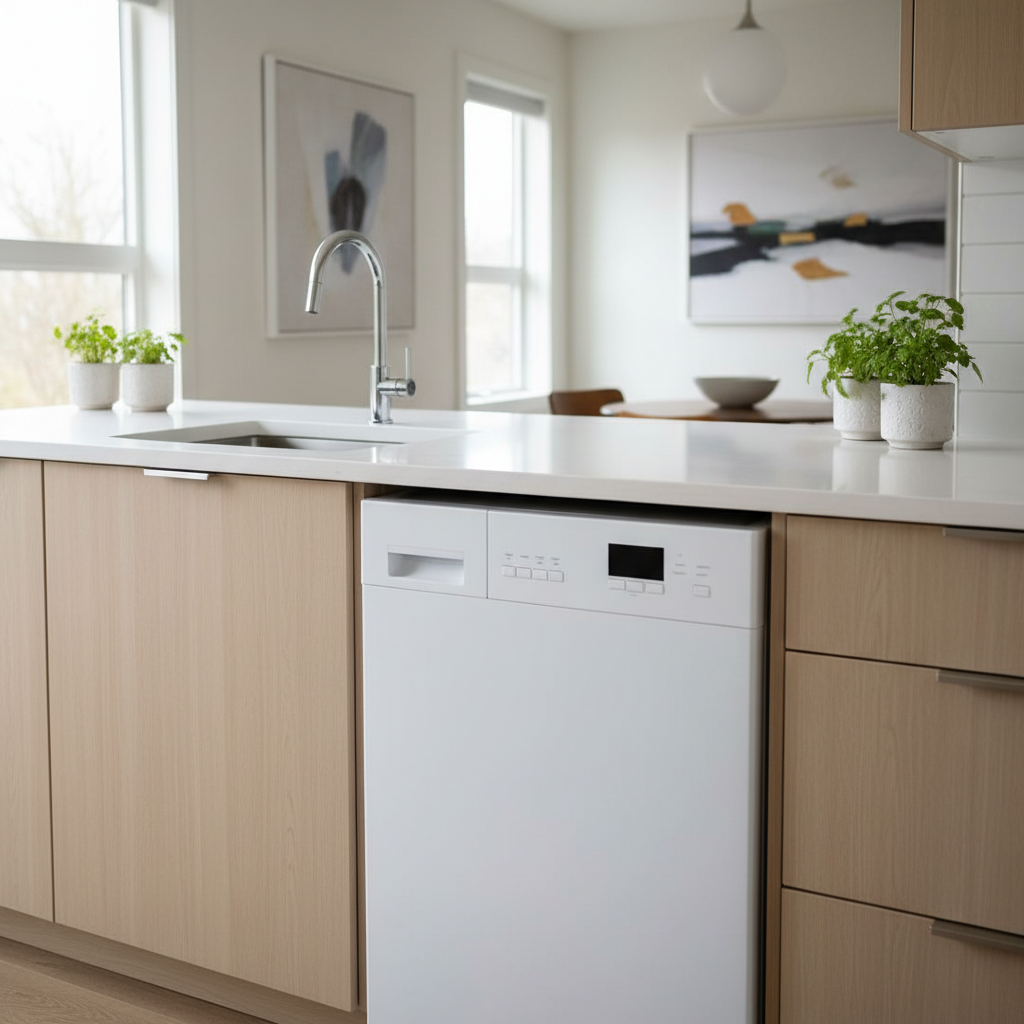
These innovative machines combine both washing and drying functions into a single unit. They are incredibly compact, often fitting into spaces as small as a standard dishwasher niche.
- Pros: Ultimate space saver (only one appliance footprint), typically runs on standard 120V electricity, ventless drying options available (condensing or heat pump).
- Cons: Longer total cycle times (washing and drying sequentially), smaller capacity than separate units, ventless drying can be less efficient or take longer than vented.
- Considerations: Perfect for very tight spaces or if external venting is impossible. Be mindful of the longer cycle times and slightly smaller load capacity.
3. Compact/Apartment-Sized Units (Side-by-Side)
While stackable is popular, some compact ADU designs might allow for smaller, apartment-sized washers and dryers placed side-by-side under a counter or in a dedicated closet. These units are typically 24-27 inches wide.
- Pros: More traditional setup, faster drying times (especially if vented), can be more ergonomic for loading/unloading than stacked units for some.
- Cons: Requires more linear wall space, still needs proper plumbing, electrical, and venting.
4. Portable Washers (Limited Application)
For the absolute smallest ADU or a temporary solution, portable washers on wheels can be an option. They connect to a sink faucet for water and drain into the sink. Portable dryers are less common and often require more setup.
- Pros: No permanent installation, very flexible, ideal for extreme space constraints.
- Cons: Not a permanent, integrated solution, requires manual hookup/disconnect, very small capacity, no integrated drying. Generally not recommended for a permanent ADU installation.
Strategic Placement: Where to Put Laundry in an ADU
Once you've chosen your appliance type, the next challenge is finding the perfect spot. Creative placement can integrate laundry seamlessly without sacrificing living space.
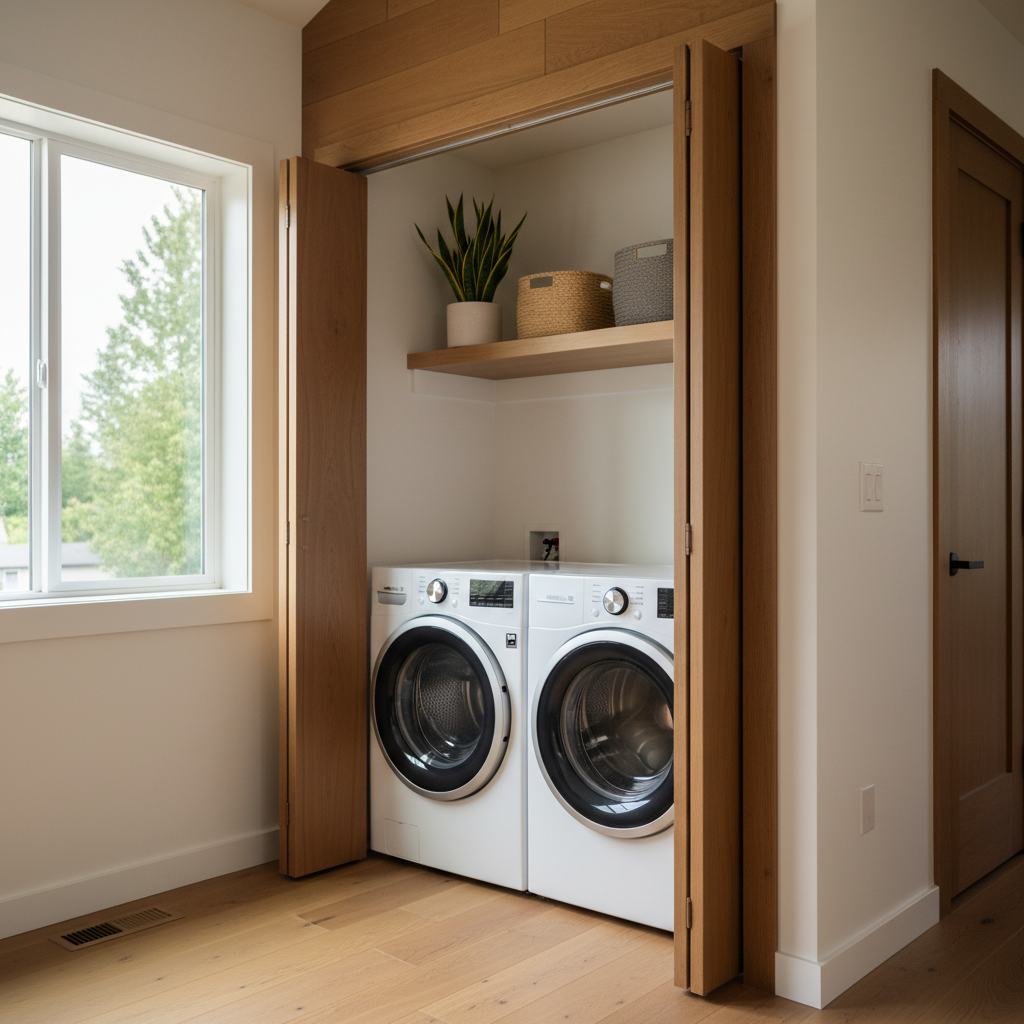
1. Dedicated Laundry Closet
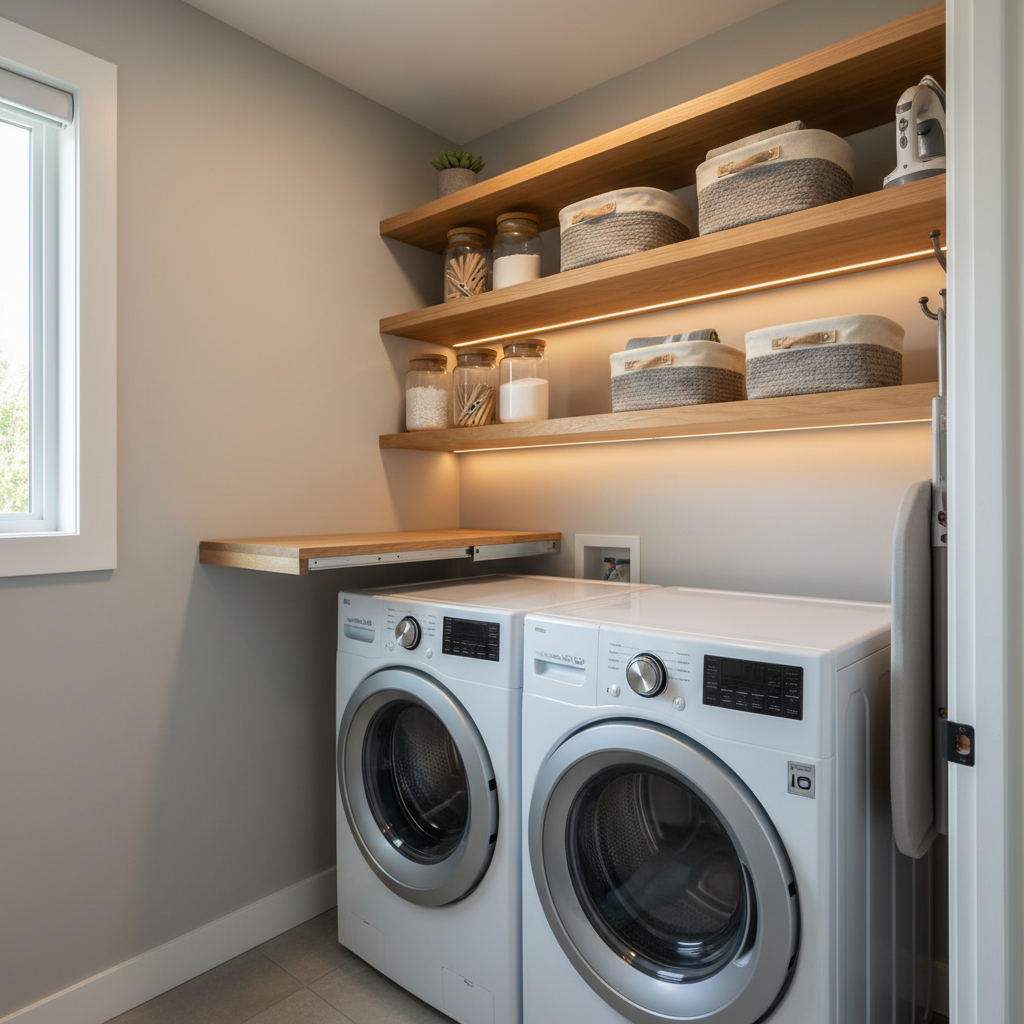
If your ADU design allows, a small, dedicated closet (roughly 30-36 inches wide for stackable or combo units, 50-60 inches for side-by-side compacts) is ideal. This keeps the laundry out of sight and contained.
- Advantages: Clean aesthetic, noise containment, dedicated storage space for supplies.
- Design Tip: Use bifold or pocket doors to save space. Include shelving above for detergents and a small hanging rod.
2. Kitchen Integration
One of the most popular ADU laundry ideas is to integrate it directly into the kitchen cabinetry. An all-in-one combo unit or a compact front-load washer can be installed under a counter, often disguised behind a cabinet door.
- Advantages: Utilizes existing plumbing lines, saves dedicated space, can be hidden.
- Design Tip: Ensure sound insulation to minimize noise in the main living area. Choose an appliance that matches or blends with kitchen finishes.
3. Bathroom Integration
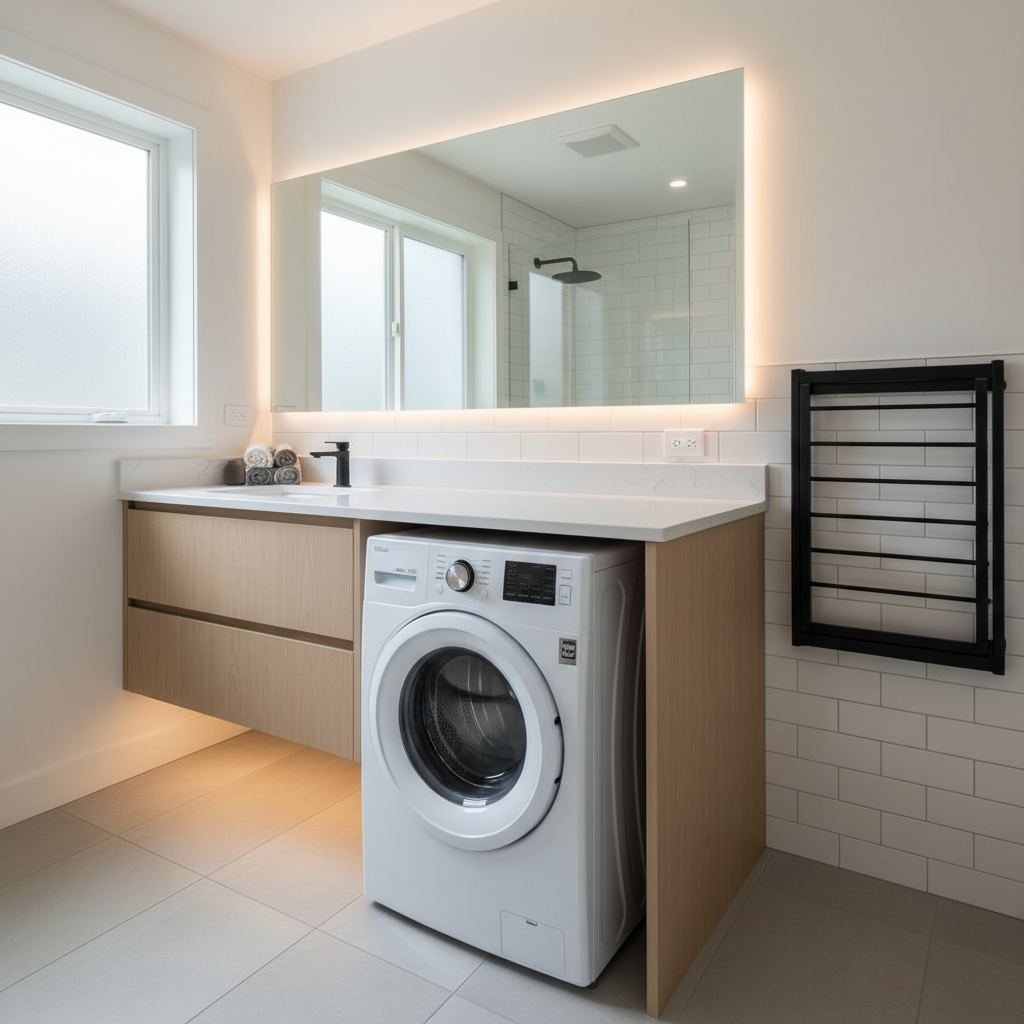
Similar to kitchen integration, placing laundry in the bathroom leverages existing plumbing. A stackable unit can fit into a corner or a recessed niche, or an all-in-one unit can be placed under the vanity or a dedicated counter.
- Advantages: Proximity to water and drain lines, convenient for dirty clothes.
- Design Tip: Ensure proper ventilation to manage humidity from both laundry and showering. Consider a small counter above a front-loader for folding.
4. Hallway Niche or Alcove
Often overlooked, a small hallway or alcove can be transformed into a functional laundry area. Recessing the units into the wall can save precious inches.
- Advantages: Utilizes otherwise dead space, can be visually separated with a curtain or bifold doors.
- Design Tip: Add a pull-out shelf for folding or a wall-mounted drying rack.
5. Garage or Exterior Closet (for Attached ADUs)
If your ADU is attached to a main house with an existing garage, or if local codes allow for a small, weatherproof exterior utility closet, this can be an option. However, for standalone ADUs, this is less common for interior laundry.
Design Considerations for Optimal ADU Laundry
Beyond appliance choice and placement, several design elements are critical for a functional and compliant laundry area in an ADU.
1. Ventilation is Key
Proper ventilation is paramount, especially for dryers. Electric dryers (unless ventless) require an exterior vent to expel moist air, preventing mold, mildew, and fire hazards. Even ventless dryers and washers benefit from good ambient air circulation to manage humidity.
2. Plumbing and Electrical Requirements
- Water Lines: Both hot and cold water supply lines are needed.
- Drainage: A dedicated standpipe for drainage is essential.
- Electrical: Washers typically require a standard 120V outlet. Electric dryers, however, almost always need a 240V circuit. Gas dryers require a 120V outlet and a gas line. An all-in-one combo unit usually runs on 120V.
- Water Heater: Consider the capacity of your ADU's water heater. Frequent hot washes can strain a smaller tankless or compact tank heater.
3. Soundproofing
Washers and dryers can be noisy. If your laundry area is near a living space or bedroom, consider:
- Acoustic Insulation: Install sound-dampening insulation in the walls around the laundry area.
- Solid Doors: Use solid core doors for laundry closets.
- Anti-Vibration Pads: Place these under machines to reduce vibration transfer.
4. Storage Solutions
Don't forget about storage for detergents, fabric softener, and other laundry essentials. Utilize vertical space with shelves, wall-mounted cabinets, or narrow pull-out pantry units.
5. Folding & Hanging Space
Even a small amount of folding space makes a huge difference. Consider a:
- Pull-out folding board: Integrates into cabinetry.
- Wall-mounted collapsible table: Folds away when not in use.
- Small countertop: If integrating into kitchen or bathroom.
- Retractable drying line or wall-mounted drying rack: For delicates.
Permitting and Regulations in California
It is crucial to understand that any plumbing or electrical work for laundry facilities in your ADU must comply with local building codes and require proper permits. In California, ADU regulations are designed to ensure safety and quality. Working with experienced ADU builders like GatherADU ensures that all installations meet these stringent requirements, avoiding costly delays or rework.
Ensuring proper sizing of electrical circuits, safe venting, and appropriate drainage is not just about functionality, but also about compliance and the long-term safety and value of your ADU.
Conclusion
Adding laundry facilities to your ADU is a highly beneficial investment that enhances its functionality, appeal, and value. By carefully considering appliance types, strategic placement, and smart design choices, even the most compact ADU can comfortably accommodate a washer and dryer. From versatile all-in-one combos to space-saving stackable units, there are numerous ADU laundry ideas to fit your specific needs and available space.
Don't let the small footprint deter you from designing a fully equipped and comfortable backyard home. With thoughtful planning and expert guidance, your California ADU can be a model of efficiency and modern living.
Ready to design an ADU that perfectly integrates all your desired features, including a smart laundry solution? Book a free ADU consultation with our experts today to discuss your vision and get started on your project with GatherADU.