
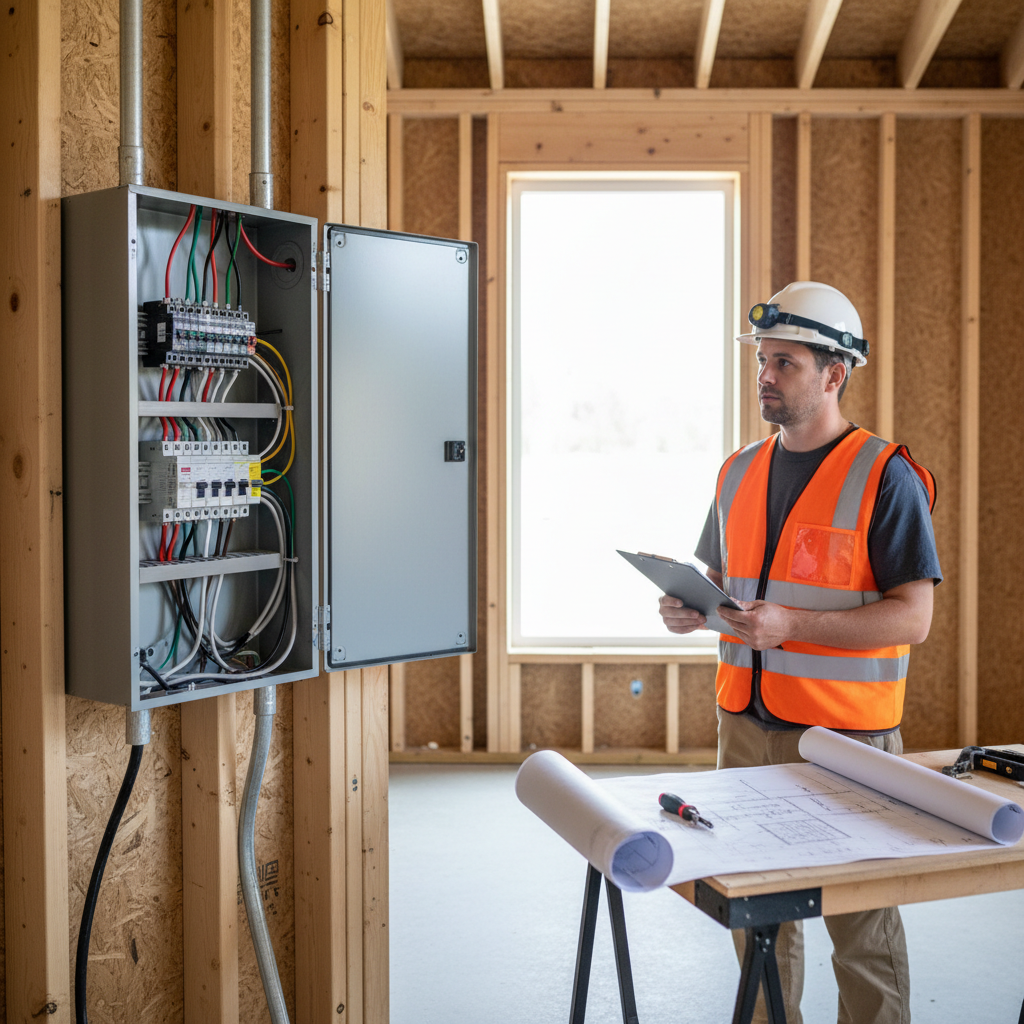
Embarking on an Accessory Dwelling Unit (ADU) project in California is an exciting venture, promising additional living space, rental income, or a home for loved ones. However, beneath the vision of a beautiful new backyard home lies a foundation of critical technical details that must be meticulously addressed for a successful build. Among the most vital, yet often overlooked, is the ADU electrical load calculation.
This isn't just a bureaucratic hurdle; it's a fundamental step that ensures the safety, functionality, and ultimate approval of your ADU. Without a precise understanding of your ADU's electrical demands, you risk permit delays, costly revisions, and even dangerous electrical hazards. At GatherADU, we guide homeowners through every intricate detail, ensuring a smooth journey from concept to completion. Let's delve into what an electrical load calculation is and why it's absolutely non-negotiable before you even think about submitting your permit application.
What Exactly is an Electrical Load Calculation?
An electrical load calculation is a detailed assessment of the total electrical power required to safely operate all the appliances, lighting, heating, cooling, and other electrical components within your ADU. Think of it as a comprehensive inventory and summation of every device that will draw power, from the refrigerator and oven to the light switches, outlets, and even a potential electric vehicle (EV) charger.
This calculation determines the minimum size of the electrical service and associated wiring your ADU will need. It considers:
- Amperage (Amps): The rate of electrical current flow.
- Voltage (Volts): The electrical potential difference.
- Wattage (Watts): The amount of power consumed by a device (Volts x Amps).
The goal is to ensure that the electrical system, from the main service panel to individual circuits, can handle the maximum anticipated electrical demand without overheating, tripping breakers, or causing other safety issues. For ADUs, this often involves assessing whether your existing main house electrical panel can support the additional load, or if a separate sub-panel or even a service upgrade is necessary.
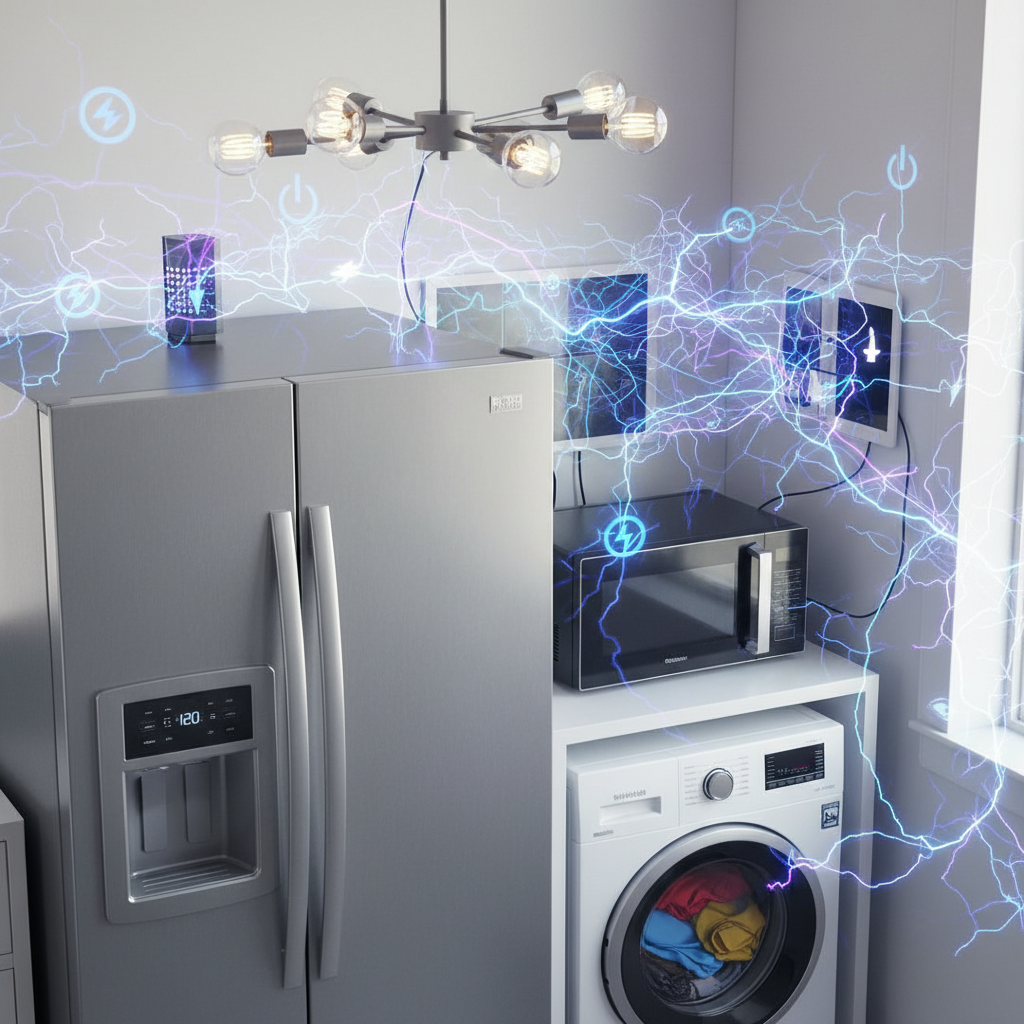
Why Your ADU Electrical Load Calculation is Critical BEFORE Permitting
The timing of this calculation is as important as the calculation itself. Completing it thoroughly and accurately before submitting your permit application can save you immense time, money, and stress.
1. Mandatory for Permit Approval
Local building departments and utility companies in California mandate an electrical load calculation as part of the permit application package for any new construction, including ADUs. This isn't optional. Your plans will not be approved without a clear demonstration that your proposed electrical system meets the National Electrical Code (NEC) and local amendments. An incomplete or inaccurate calculation will lead to immediate permit rejections and significant delays.
2. Ensures Safety Above All Else
The primary reason for these stringent requirements is safety. An undersized electrical system can lead to:
- Overloaded Circuits: Causing breakers to trip frequently, interrupting power.
- Overheating Wires: A serious fire hazard.
- Appliance Damage: Inconsistent power supply can harm sensitive electronics.
- Electrical Shocks: Poorly designed systems increase risk.
A proper calculation guarantees that your ADU's electrical infrastructure can safely handle its intended usage, protecting occupants and your property.
3. Guarantees Functionality and Comfort
Imagine moving into your new ADU only to find that you can't run the microwave and the air conditioner simultaneously without tripping a breaker. An accurate electrical load calculation prevents these frustrating scenarios. It ensures that your ADU will have sufficient power for all its intended functions, from everyday lighting and cooking to heating, cooling, and charging your electric car.
4. Avoids Costly Revisions and Delays
Discovering that your electrical service is inadequate *after* construction has begun, or worse, *after* it's completed, can be incredibly expensive. Correcting an undersized system might require:
- Upgrading your main service panel.
- Running new, heavier gauge wiring.
- Trenching for new utility lines.
- Redesigning internal circuits.
These changes translate to significant additional costs, extended project timelines, and potential re-inspections. Performing the calculation upfront allows you to plan for any necessary upgrades from the outset, integrating them seamlessly into your budget and schedule.
5. Future-Proofs Your Investment
ADUs are long-term investments. A forward-thinking electrical load calculation considers not just immediate needs but also potential future additions. Are you planning to install an EV charger down the line? What about solar panels? Or perhaps a hot tub? Accounting for these possibilities during the initial design phase ensures your ADU's electrical system can adapt without requiring major overhauls later.
6. Streamlines Utility Connection
Your local utility provider (e.g., PG&E, SCE) will need to approve your electrical service before connecting your ADU. A professional load calculation demonstrates to them that your proposed system is safe and compliant, helping to expedite the connection process. Without it, you could face delays in getting power to your new unit.
Understanding these intricacies is part of what makes working with an experienced ADU specialist so valuable. If you're feeling overwhelmed by the technical details, remember that GatherADU offers free consultations to discuss your project and clarify the path forward.
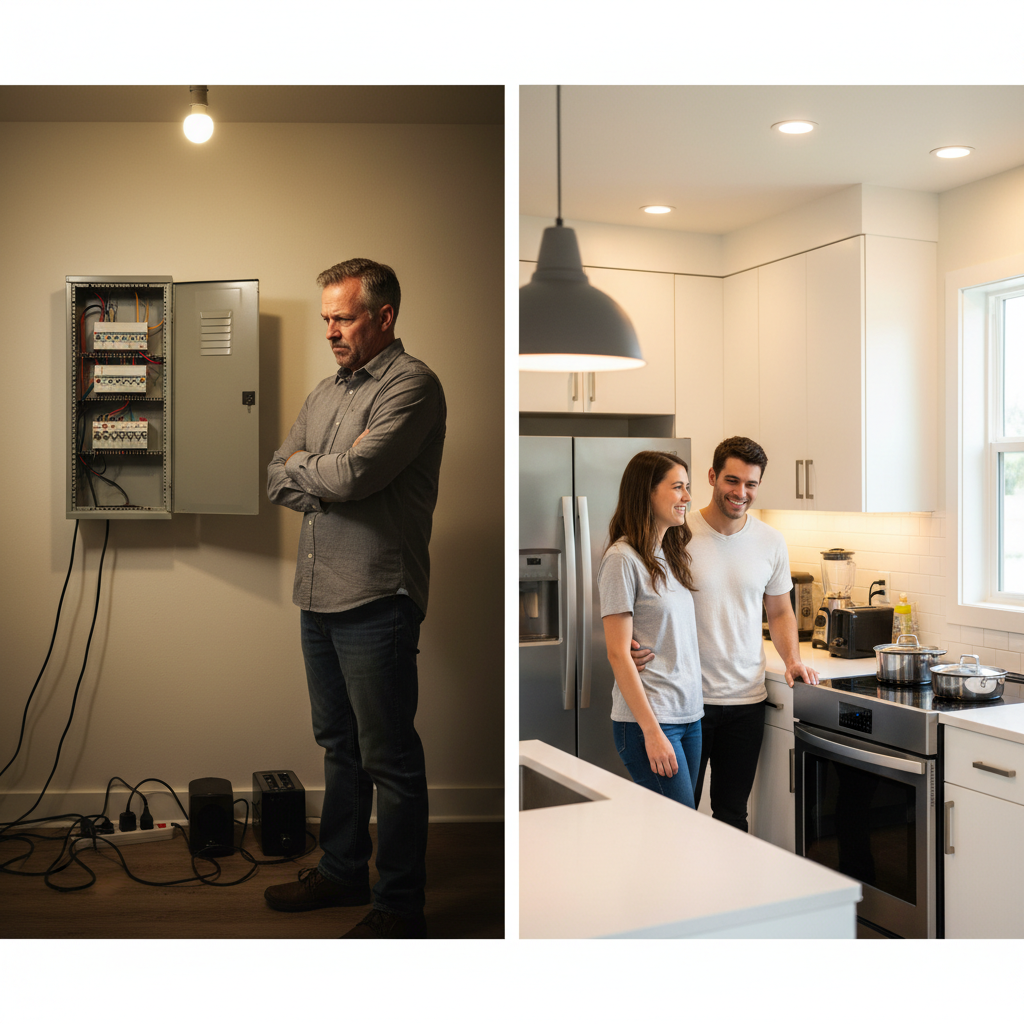
How is an ADU Electrical Load Calculation Performed?
This critical process is typically handled by a licensed electrician or an electrical engineer. It involves several key steps:
-
Inventory All Electrical Loads
A comprehensive list is made of every single item that will consume electricity in the ADU. This includes:
- Lighting: All fixtures and types (LED, incandescent).
- Outlets: General-purpose outlets in every room.
- Major Appliances: Refrigerator, oven/stove, dishwasher, microwave, washer, dryer, water heater (especially tankless electric).
- HVAC Systems: Air conditioning, heating (furnace, mini-split systems).
- Specialty Loads: EV chargers, hot tubs, well pumps, sump pumps, garbage disposals, garage door openers.
-
Determine Wattage and Amperage for Each Item
For each item on the inventory, its power consumption (wattage or amperage) is identified, usually from manufacturer specifications or standard tables for common devices.
-
Apply Demand Factors (National Electrical Code - NEC)
This is where expertise comes in. The NEC recognizes that not all electrical devices in a home operate at their maximum capacity simultaneously. Demand factors are percentages applied to certain loads to reflect their realistic usage patterns. For example, general lighting and receptacle loads might have a demand factor applied to reduce the calculated load after a certain threshold, while an electric range might be calculated based on a specific NEC table rather than its full nameplate rating.
-
Calculate Total Connected Load
All the adjusted loads are summed up to determine the total electrical demand for the ADU.
-
Assess Service Capacity Requirements
The calculated total load is then compared against the capacity of the existing main house electrical panel and/or the proposed new ADU sub-panel. This determines if the current service is adequate or if an upgrade (e.g., from 100 amps to 200 amps) is necessary for either the main house or the ADU.
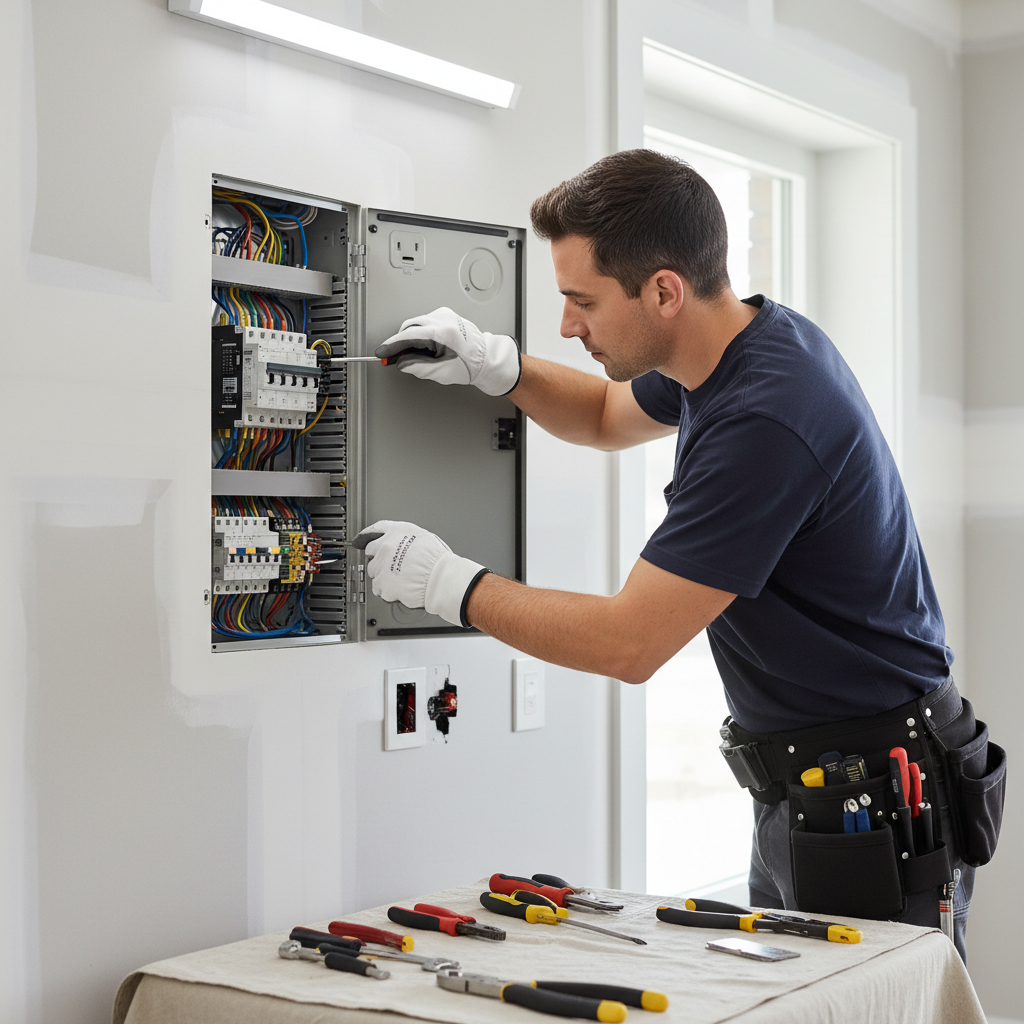
Common Pitfalls and How to Avoid Them
- Underestimating Future Needs: Always consider potential additions like an EV charger or solar.
- Ignoring California-Specific Codes: While based on NEC, California has its own amendments and energy efficiency standards (Title 24) that impact electrical design.
- DIY Calculations: Unless you are a licensed electrician or engineer, attempting this yourself is risky and almost guaranteed to lead to permit issues.
- Assuming Your Existing Panel is Sufficient: Many older homes have 100-amp service, which may not be enough to power both the main house and a modern ADU with all its amenities.
At GatherADU, we partner with experienced, licensed electricians and engineers who specialize in ADU projects. They understand the specific requirements and nuances of California building codes, ensuring your electrical load calculation is performed accurately, safely, and efficiently, preventing costly headaches down the road. We integrate this crucial step into our comprehensive design-build process, making it seamless for you. If you're ready to ensure every aspect of your ADU project is handled with expert care, start your ADU journey with a free consultation today.
Conclusion
The ADU electrical load calculation is far more than a line item on a checklist; it's a cornerstone of a safe, functional, and compliant Accessory Dwelling Unit. Undertaking this detailed assessment before permit submission is an investment in the longevity and success of your project, safeguarding against hazards, costly delays, and future inconveniences. By entrusting this critical task to qualified professionals, you ensure that your California ADU will meet all regulatory requirements and provide reliable power for decades to come.
Don't let electrical complexities dim your ADU dreams. Partner with GatherADU, where our expertise illuminates every step of the process, from initial design to final permit approval. Ready to build your dream ADU with confidence? Book your free ADU consultation with GatherADU now and let's get started on a powerfully planned and perfectly executed backyard home.