In the world of Accessory Dwelling Units (ADUs), where every square foot is precious, innovative design solutions are not just a luxury—they're a necessity. Among the most popular and effective space-saving strategies employed by ADU designers is the clever integration of the pocket door. More than just a functional entry point, an ADU pocket door can transform a cramped layout into an open, airy, and highly efficient living space. But what exactly is a pocket door, and why has it become such a staple in small floor plans?
This comprehensive guide will delve into the mechanics, benefits, applications, and considerations of pocket doors, explaining why they are an indispensable tool for maximizing utility and aesthetics in your California backyard home.
What Exactly Is a Pocket Door?
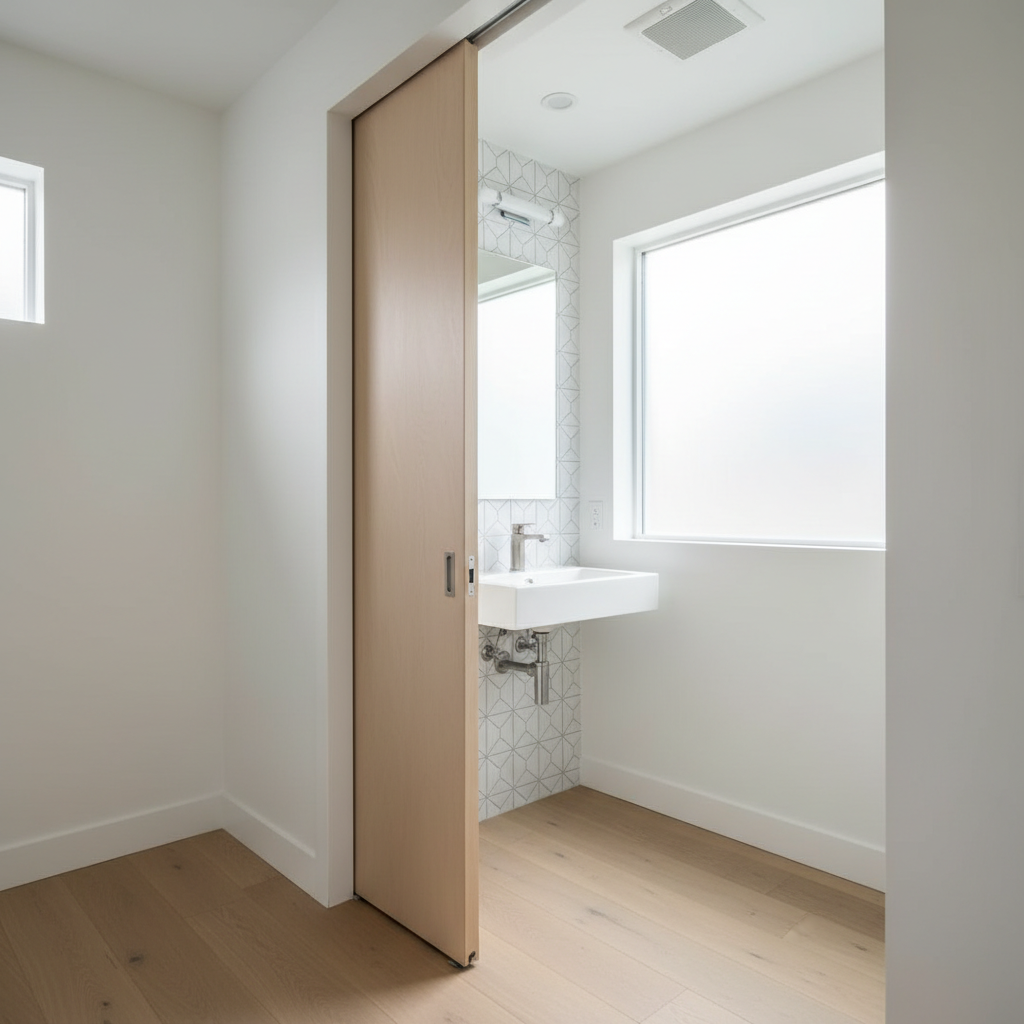
At its core, a pocket door is a type of sliding door that, when opened, disappears completely into a compartment within the adjacent wall. Unlike traditional hinged doors that require a significant swing radius, a pocket door operates along a track system installed within the wall cavity. This mechanism eliminates the need for any floor space for door swing, making it an incredibly efficient solution for tight areas.
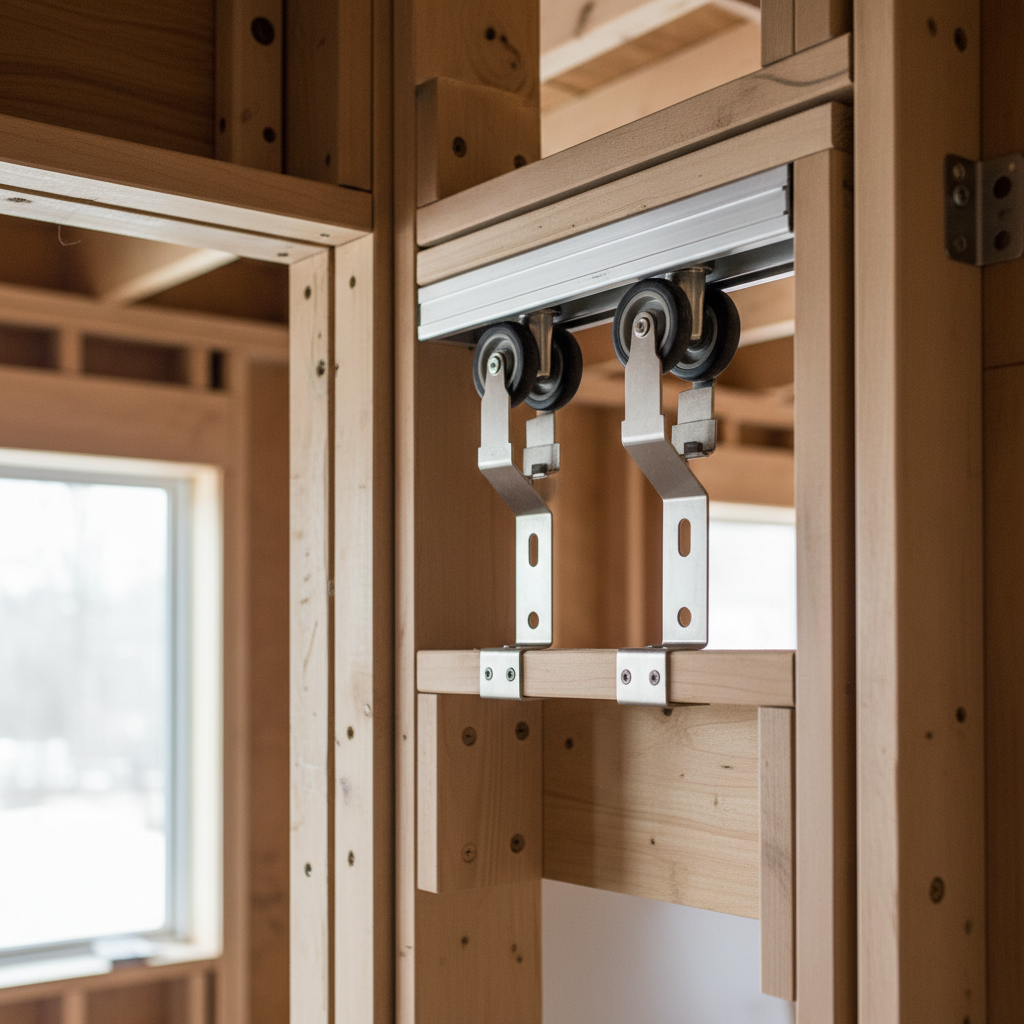
The system typically consists of a door slab, a track (usually mounted at the top of the opening), rollers or hangers that allow the door to glide, and a frame system that creates the 'pocket' within the wall. Modern pocket door hardware has evolved significantly, offering smoother operation, soft-close features, and enhanced durability compared to older, often finicky designs.
The ADU Challenge: Maximizing Every Square Foot
Accessory Dwelling Units, by their very nature, are designed to be compact. Whether they're providing additional housing for family members, serving as a rental income source, or functioning as a home office, ADUs often range from 400 to 1200 square feet. In such confined environments, traditional design elements can quickly eat into valuable living space. A standard hinged door, for example, requires approximately 7-9 square feet of clear floor space for its swing arc – space that could otherwise be used for furniture, circulation, or even built-in storage.
This inherent challenge means that ADU designers must be exceptionally creative and strategic. Every design choice, from appliance selection to window placement, is scrutinized for its impact on functionality and perceived spaciousness. This is precisely where the ADU pocket door shines, offering a seamless solution to a fundamental design constraint.
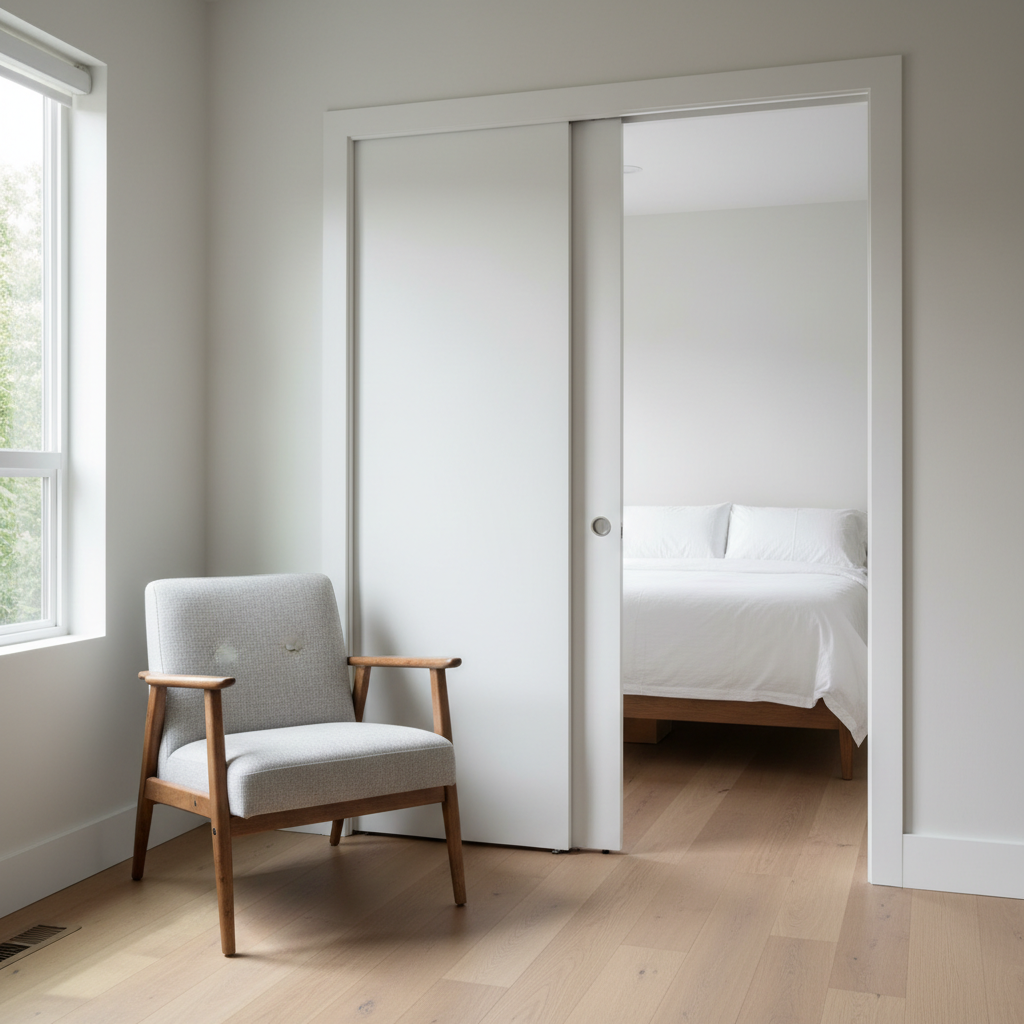
Why ADU Designers Turn to Pocket Doors for Small Floor Plans
The advantages of integrating pocket doors into ADU designs are numerous and impactful:
1. Unparalleled Space Savings
This is the most obvious and compelling benefit. By eliminating the door swing, pocket doors free up floor space that would otherwise be unusable. In a small ADU bedroom, this might mean enough room for a bedside table or a larger dresser. In a bathroom, it could allow for a more comfortable vanity or even a small linen closet. This reclaimed space doesn't just improve functionality; it contributes significantly to the feeling of openness and reduces clutter.
2. Seamless Aesthetics & Modern Appeal
Pocket doors offer a sleek, minimalist aesthetic that complements modern ADU designs. When open, the door completely disappears, creating an uninterrupted flow between rooms. This seamless transition enhances the visual spaciousness of the unit, making it feel larger and more cohesive. They can also be designed with various finishes, from solid wood to frosted glass, allowing them to blend or stand out as a design feature.
3. Enhanced Flexibility & Flow
In open-concept ADUs, pocket doors can be used to create flexible zones. For instance, a large pocket door might separate a sleeping area from a living space, allowing for privacy when needed and an open, expansive feel at other times. This adaptability is crucial in multi-functional small homes, enabling occupants to reconfigure their space based on immediate needs.
4. Improved Accessibility
For ADUs designed with aging-in-place or accessibility in mind, pocket doors are an excellent choice. Their lack of a swing arc means wider openings can be achieved more easily, accommodating wheelchairs, walkers, and other mobility aids without obstruction. This makes movement within the ADU much smoother and safer for residents with mobility challenges.
Common Applications for Pocket Doors in ADUs
ADU designers strategically place pocket doors in areas where space is most critical or where an open flow is desired:
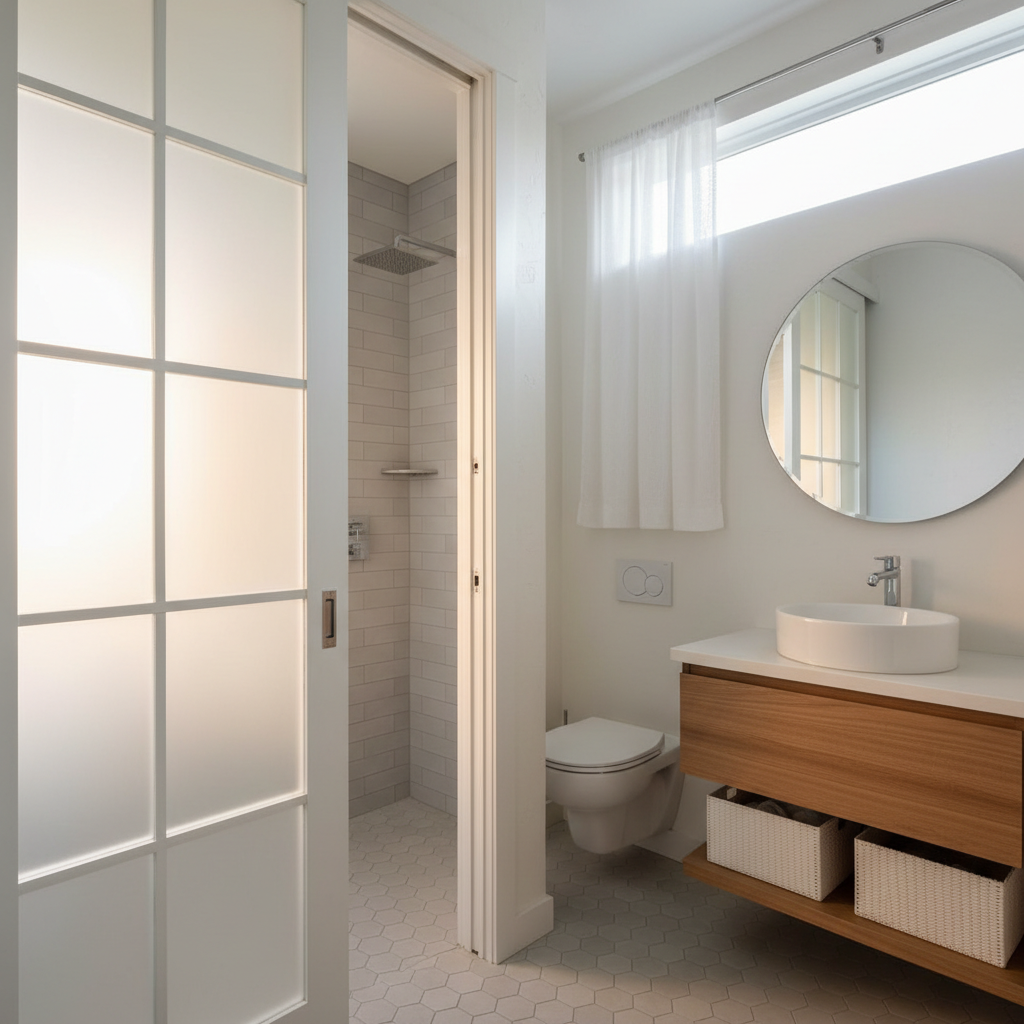
- Bathrooms & Ensuites: This is arguably the most common application. Eliminating the swing of a bathroom door can free up valuable space for a larger shower, a more comfortable toilet area, or extra storage, making a small bathroom feel much more generous.
- Bedrooms & Studies: In a compact bedroom, a pocket door ensures that furniture placement isn't dictated by door swing, allowing for more versatile layouts. For a small home office or study nook, it provides separation without encroaching on the main living area.
- Kitchen Pantries & Laundry Nooks: Tucked-away pantries or laundry closets benefit immensely from pocket doors, as they allow full access to the interior without blocking kitchen walkways or appliance use.
- Flexible Living Spaces: Larger pocket doors, sometimes double doors, can divide an open living/dining area from a sleeping alcove or a flex room, offering privacy and sound separation when desired, or opening up the entire space for entertaining.
Considering an ADU that perfectly optimizes every inch? Explore the possibilities for your property by scheduling a free ADU consultation with GatherADU. Our experts can show you how clever design, including smart door choices, can transform your space.
Types of Pocket Doors & Important Considerations
While the basic principle is consistent, there are variations and crucial factors to consider when incorporating pocket doors:
1. Single vs. Double Pocket Doors
- Single: The most common type, where one door panel slides into a single wall pocket.
- Double: Consists of two door panels that meet in the middle and slide into separate wall pockets on either side. Ideal for wider openings where a single door would be too cumbersome or where a grander entry is desired.
2. Framed vs. Frame-less Systems
- Framed: Most common, uses a pre-assembled frame kit that builds out the pocket. This ensures structural integrity and easy installation of the door. The frame is then drywalled over.
- Frame-less (Hidden Frame): These systems create a truly seamless look where the door appears to disappear directly into the wall with no visible trim. They require precise installation and are often higher in cost but offer an ultra-modern aesthetic.
3. Hardware Quality is Paramount
Unlike hinged doors where hardware is mostly cosmetic, pocket door hardware is central to its function and longevity. High-quality tracks, rollers, and hangers are essential for smooth, quiet operation and to prevent sagging or jamming over time. Invest in robust, durable hardware to avoid future headaches and costly repairs.
4. Wall Space Requirements
Remember, a pocket door needs an empty wall cavity twice the width of the door itself (for a single door) to slide into. This means that the wall cannot contain electrical outlets, light switches, plumbing, or major structural elements within that pocket space. Careful planning is required to reroute any services.
5. Sound & Privacy Limitations
While pocket doors offer visual separation, they typically provide less soundproofing than traditional hinged doors, as there's often a gap around the perimeter of the door and inside the pocket. For areas requiring absolute quiet or maximum privacy (e.g., between bedrooms), designers might consider solid core doors and specialized seals, or opt for a hinged door if space allows.
Potential Downsides & What to Consider
Despite their many benefits, pocket doors aren't without their considerations:
- Installation Complexity & Cost: Installing a pocket door frame requires more precision and carpentry skill than hanging a hinged door. This can translate to higher labor costs during construction, especially if existing walls need modification.
- Limited Hardware/Lock Options: Standard door handles and locks won't work. Pocket doors use specialized flush pulls or edge pulls. While aesthetic options are growing, they are generally less diverse than hinged door hardware.
- Maintenance & Repair Access: If a roller breaks or the track needs adjustment, accessing the mechanism can be more involved, often requiring removal of drywall. However, modern systems are designed for greater reliability and easier access panels.
- Not for Every Application: Due to their nature, pocket doors are not ideal for areas requiring high security or where an airtight seal is necessary.
Navigating these design choices can be complex. For expert guidance on integrating pocket doors and other space-saving solutions into your ADU, don't hesitate to get your free project estimate from GatherADU. Our team specializes in maximizing the potential of small living spaces.
Making the Right Choice for Your ADU
For ADU designers, the pocket door is a powerful tool in the arsenal of space optimization. It's a testament to how thoughtful design can overcome spatial limitations, turning potential drawbacks into innovative features. By understanding their benefits and limitations, homeowners and designers can make informed decisions that significantly enhance the functionality, aesthetics, and overall livability of any small dwelling.
When planning your ADU, consider where a pocket door could make the most impact. Is it in a cramped bathroom, a flexible bedroom, or a utility area? The investment in a well-designed and properly installed pocket door system will pay dividends in daily convenience and long-term satisfaction.
Conclusion
The ADU pocket door is far more than just a door; it's a strategic design element that embodies the ingenuity required for efficient small-space living. By disappearing seamlessly into the wall, it unlocks valuable floor space, enhances visual flow, and contributes to a modern, uncluttered aesthetic. For any homeowner considering an ADU or looking to optimize an existing small footprint, the pocket door stands out as an intelligent, practical, and stylish solution.
Ready to unlock the full potential of your property with a custom-designed ADU that utilizes every square foot wisely? Let GatherADU's expertise guide you from concept to completion. Book a free ADU consultation today and discover how we can help you build the perfect backyard home.