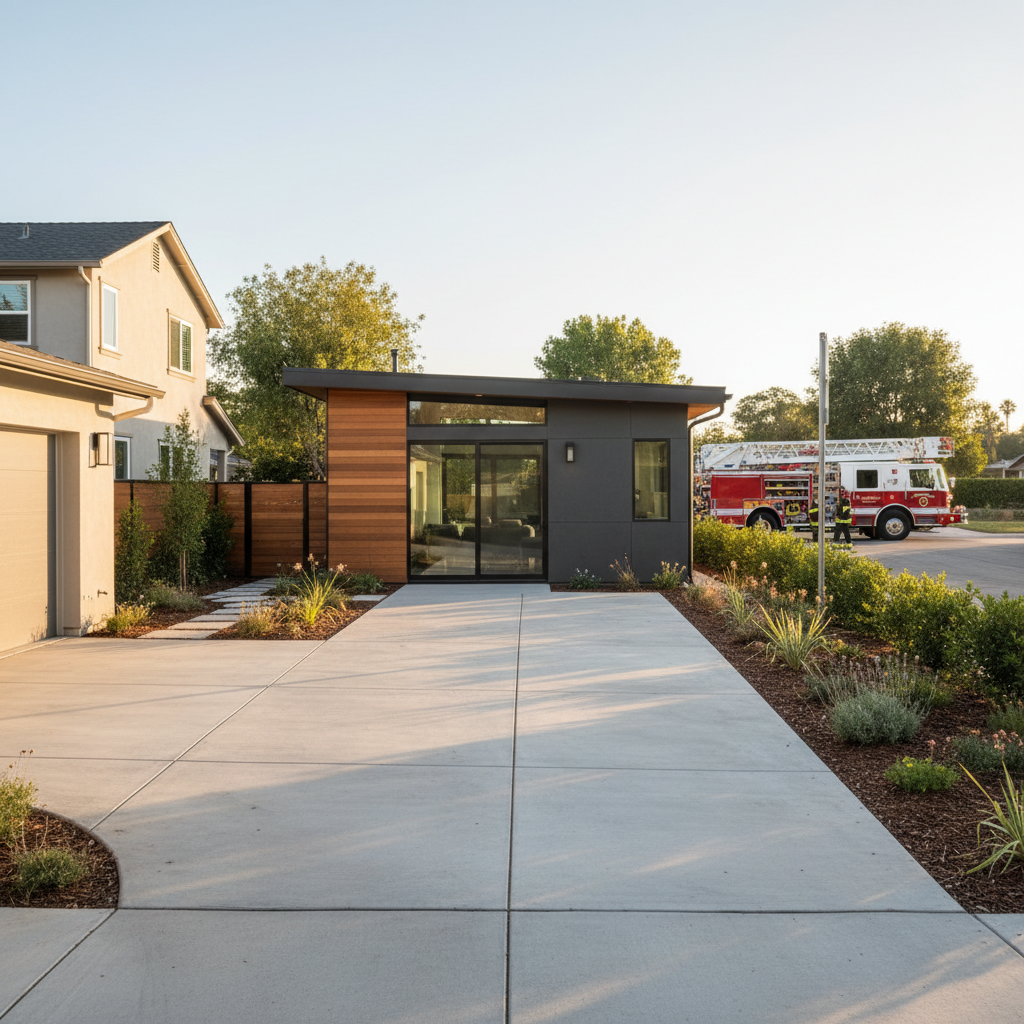

Receiving a Notice of Violation (NOV) for an unpermitted Accessory Dwelling Unit (ADU) can be a daunting and stressful experience for any California homeowner. You might be wondering what it means, what the consequences are, and most importantly, what steps you need to take to rectify the situation. At GatherADU, we understand these concerns, and we're here to guide you through the complexities of ADU compliance. This comprehensive guide will demystify the unpermitted ADU notice of violation, outlining your options and providing a clear path forward to bring your property into compliance.
What Exactly Is an Unpermitted ADU?
An unpermitted ADU is any Accessory Dwelling Unit that was constructed, converted, or modified without obtaining the necessary permits from the local city or county planning and building departments. This can include a wide range of scenarios, such as:
- A garage conversion or basement conversion into a living space without proper permits.
- A newly built detached ADU constructed without approved plans and inspections.
- An existing structure (like a shed) converted into a habitable unit without permits.
- Significant alterations or additions to an existing permitted ADU that were not approved.
While the intent behind creating an unpermitted ADU might have been to provide additional housing or income quickly, the lack of official oversight can lead to serious safety, legal, and financial risks.
Why Are Unpermitted ADUs a Problem?
Beyond the immediate stress of an NOV, unpermitted ADUs pose several significant risks:
- Safety Hazards: Without proper inspections, there's no guarantee that the construction meets building codes for structural integrity, electrical, plumbing, and fire safety. This can put residents and adjacent properties at risk.
- Insurance Issues: Most homeowner's insurance policies will not cover damages or liabilities related to unpermitted structures. In the event of a fire, flood, or injury, you could face substantial out-of-pocket costs.
- Legal Ramifications: Beyond the NOV, cities can impose hefty fines, place liens on your property, or even mandate demolition.
- Property Value & Sale Complications: An unpermitted ADU can significantly complicate or even prevent the sale of your home. Buyers' lenders will often refuse to finance properties with unpermitted structures, and the structure may not be included in the appraisal value.
- Utility Issues: Unpermitted units often have illegal utility connections, leading to overloads, safety issues, and potential fines from utility companies.What Triggers an Unpermitted ADU Notice of Violation?
Cities don't typically go looking for unpermitted ADUs unless prompted. Common triggers for an unpermitted ADU notice of violation include:
- Neighbor Complaints: Noise, increased traffic, parking issues, or concerns about illegal construction can prompt a neighbor to report your property to code enforcement.
- Property Sale: During escrow, a buyer's appraiser or inspector may identify an unpermitted structure, leading to inquiries from lenders or real estate agents to the city.
- Routine Inspections: While less common for ADUs specifically, cities conduct various inspections (e.g., for other permitted work on your property) where an unpermitted structure might be noticed.
- Online Listings: Advertising an unpermitted ADU for rent on platforms like Airbnb or Craigslist can catch the attention of city officials monitoring for illegal rentals.
- Aerial Imagery/Satellite Data: Some municipalities use advanced technology to identify changes in property structures over time.

Understanding Your Notice of Violation (NOV)
When you receive an NOV, it's crucial not to panic but to act swiftly and strategically. Here's what to expect and what it means:
- Formal Document: An NOV is an official letter from your local city or county building or code enforcement department.
- Details of the Violation: It will clearly state the nature of the violation – specifically, the existence of an unpermitted ADU, often citing specific code sections that have been violated.
- Required Actions: The NOV will outline what you need to do to come into compliance. This could include submitting plans for retroactive permitting, converting the unit back to its original use, or demolition.
- Deadlines: Crucially, the notice will include a deadline by which you must initiate action or achieve compliance. Ignoring this deadline can lead to escalating fines and more severe enforcement actions.
- Contact Information: It will provide contact details for the issuing department, usually a code enforcement officer or planner.
Immediate Steps After Receiving an NOV
Once you have an unpermitted ADU notice of violation in hand, take these immediate steps:
- Read it Carefully: Understand every detail, including the specific violations, required actions, and deadlines.
- Do Not Ignore It: Ignoring an NOV will only worsen the situation, leading to increased fines and more drastic measures by the city.
- Gather Documentation: Collect any existing plans, permits (even for the main house), or construction records you might have for the property.
- Consult a Professional: This is arguably the most critical step. Navigating code enforcement, planning, and building departments requires expertise. A specialized ADU design and build company like GatherADU can assess your situation and advise on the best course of action.

Options for Resolving an Unpermitted ADU Notice of Violation
Generally, you have three main paths to resolve an unpermitted ADU NOV:
1. Retroactive Permitting (Bringing to Code)
This is often the most desirable option, especially if you wish to keep the ADU. It involves submitting plans for the existing structure to the city for approval, undergoing inspections, and bringing the unit up to current building codes. This can be complex, as older construction may not meet contemporary standards, requiring upgrades to electrical, plumbing, insulation, or even structural elements.
2. Converting Back to Original Use
If the ADU was a converted garage or shed, you might be able to convert it back to its original, non-habitable use. This usually involves removing kitchen facilities, bathrooms, and ensuring it meets the definition of a garage or storage space. This also requires permits and inspections to ensure the conversion is done legally.
3. Demolition
As a last resort, if the unit cannot be brought to code or converted, or if the costs are prohibitive, demolition may be required. This also necessitates a demolition permit and proper disposal of materials, followed by city inspections.
Choosing the right path depends on various factors: the extent of the unpermitted work, the specific city's requirements, your financial resources, and your long-term goals for the property. Getting expert advice early can save you significant time and money. Schedule a free ADU consultation with GatherADU to discuss your options and determine the most viable solution for your specific unpermitted ADU situation.
The Process of Retroactive Permitting for an Existing ADU
If you choose to pursue retroactive permitting, here’s a general overview of the process:
- Initial Assessment: An ADU specialist or architect will inspect the existing unpermitted ADU to evaluate its current condition, identify code deficiencies, and determine the feasibility of bringing it up to current standards.
- Design & Plans: Detailed architectural and engineering plans are created, reflecting the existing structure and outlining all necessary upgrades to meet current building, fire, and zoning codes. This includes structural, electrical, plumbing, and mechanical plans.
- Permit Application: These comprehensive plans are submitted to the city's planning and building departments for review and approval. This can involve multiple rounds of revisions and resubmissions.
- Construction & Upgrades: Once permits are issued, necessary construction work and upgrades are performed to bring the ADU into full compliance. This might involve adding proper insulation, upgrading electrical panels, installing new plumbing fixtures, ensuring proper ventilation, or even structural reinforcement.
- Inspections: Throughout the construction and upgrade process, city inspectors will conduct various inspections (foundation, framing, electrical, plumbing, final, etc.) to ensure all work meets approved plans and code requirements.
- Final Approval & Certificate of Occupancy: Upon successful completion of all inspections, the city will issue a final approval and, if applicable, a Certificate of Occupancy, officially legalizing your ADU.
This process can be intricate and time-consuming, requiring a deep understanding of local building codes and permitting procedures. Partnering with an experienced ADU firm like GatherADU can streamline this journey significantly, handling everything from assessment and design to permitting and construction. Get your free project estimate and let us guide you through making your ADU legal and safe.


Potential Penalties for Unresolved Unpermitted ADUs
Ignoring an unpermitted ADU notice of violation or failing to resolve it within the specified timeframe can lead to severe consequences:
- Accumulating Fines: Daily fines can be levied, quickly adding up to thousands of dollars.
- Property Liens: The city can place a lien on your property for unpaid fines, which can affect your ability to refinance or sell.
- Legal Action: The city can pursue legal action, including court orders for compliance or demolition.
- Forced Demolition: In extreme cases, if all other options fail and the structure is deemed unsafe or incurable, the city can obtain a court order to demolish the unpermitted ADU, with the cost passed on to the homeowner.
- Increased Liability: Your liability for accidents or injuries occurring within or due to the unpermitted structure increases significantly, with no insurance coverage.
The Importance of Professional Guidance
Navigating an unpermitted ADU notice of violation is not a do-it-yourself task. The complexities of building codes, local zoning ordinances, and the permitting process demand professional expertise. An experienced ADU design and build company like GatherADU offers several critical advantages:
- Expert Knowledge: We are intimately familiar with California's ADU laws and local city regulations, ensuring your project meets all requirements.
- Streamlined Process: We manage the entire retroactive permitting process, from initial assessment and plan creation to permit submission, construction, and final inspections, saving you time and stress.
- Cost-Effectiveness: While there's an investment, professional guidance can help avoid costly mistakes, delays, and further fines in the long run.
- Peace of Mind: Knowing your ADU is safe, legal, and compliant provides invaluable peace of mind and protects your property investment.

Conclusion
Receiving an unpermitted ADU notice of violation is a serious matter, but it's not the end of the road. By understanding the violation, knowing your options, and taking decisive action with professional help, you can successfully navigate the challenges and bring your ADU into compliance. Don't let the fear of the unknown lead to costly delays or further complications. GatherADU is here to be your trusted partner throughout this process, turning a stressful situation into a successful resolution. Our expertise in California ADU design, permitting, and construction makes us uniquely qualified to help you legalize your existing unit.
Ready to take the first step towards resolving your unpermitted ADU notice of violation and securing your property's future? Book your free ADU consultation with GatherADU today, and let's work together to find the best path forward.