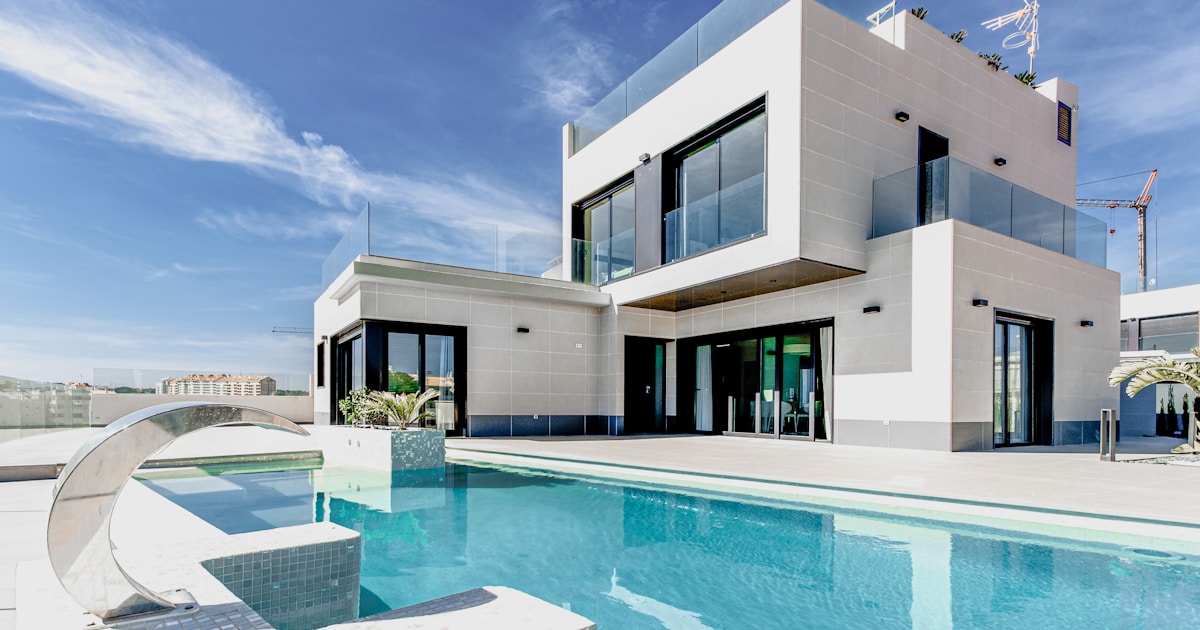

Accessory Dwelling Units (ADUs) have gained tremendous popularity across California, including in the picturesque city of Orinda. Known for its rolling hills, excellent schools, and close-knit community, Orinda is increasingly embracing ADUs as a practical solution to housing challenges. Whether you are a homeowner considering an ADU to increase property value or someone seeking to create additional living space, this comprehensive guide provides everything you need to know about building an ADU in Orinda.
What Is an ADU?
An Accessory Dwelling Unit (ADU) is a secondary housing unit located on the same lot as a primary residential property. ADUs can take various forms, including:
- Detached ADUs: Standalone units separate from the primary residence.
- Attached ADUs: Units attached to the main home, often sharing one wall.
- Garage Conversions: Transforming an existing garage into an ADU.
- Interior Conversions: Converting part of the main house, such as a basement or attic, into an independent unit.
In Orinda, ADUs are subject to specific zoning, design, and permitting requirements, all of which align with California state laws encouraging ADU development.
Why Build an ADU in Orinda?

1. Address Housing Needs
Orinda, like much of the Bay Area, faces a housing shortage. ADUs offer a way to create additional housing without significantly altering the character of residential neighborhoods.
2. Increase Property Value
A well-designed ADU can substantially boost your property's resale value. Homes with ADUs tend to attract buyers looking for rental income or multigenerational living options.
3. Generate Rental Income
Renting out an ADU can provide a steady income stream, helping homeowners offset mortgage costs or other expenses.
4. Support Multigenerational Living
ADUs are ideal for accommodating elderly parents, adult children, or extended family members while maintaining privacy and independence.
5. Sustainability
Building an ADU often involves repurposing existing structures, such as garages or basements, making it a sustainable housing option.
Zoning Regulations for ADUs in Orinda
1. California State ADU Laws
California's state laws, including Senate Bill 9 (SB 9) and Assembly Bill 68 (AB 68), have made it easier to build ADUs. These laws override local restrictions that might hinder ADU development, ensuring streamlined approval processes.
2. Orinda-Specific Zoning Rules
While state laws provide overarching guidelines, Orinda has specific zoning and design standards for ADUs:
- Zoning Districts: ADUs are allowed in most residential zones in Orinda, including single-family (R-1) and multifamily zones.
- Lot Size: There is no minimum lot size requirement for ADU construction in Orinda, aligning with state law.
- Setbacks: ADUs generally require a minimum 4-foot setback from side and rear property lines.
- Height Restrictions: Detached ADUs can typically be up to 16 feet tall, but this may vary depending on proximity to other structures.
Contact our ADU Experts
Types of ADUs Permitted in Orinda
- Detached ADUs:
- Must be separated from the main house.
- Ideal for creating standalone living spaces.
- Attached ADUs:
- Share at least one wall with the primary residence.
- Cannot exceed 50% of the size of the main house.
- Junior ADUs (JADUs):
- Limited to 500 sqft.
- Typically involve converting a portion of the main house.
- Garage Conversions:
- Require compliance with building codes, especially regarding fire safety and insulation.
Permitting Process for Building an ADU in Orinda
1. Pre-Design Phase
Before designing an ADU, research local ordinances and consult Orinda’s planning department. Key steps include:
- Feasibility Study: Assess your property’s suitability for an ADU.
- Utility Check: Confirm access to water, sewer, and electrical connections.
2. Design and Plans
Work with an architect or contractor familiar with Orinda’s ADU requirements. Ensure your design adheres to:
- Floor Area Ratio (FAR): The total square footage of the ADU relative to the lot size.
- Aesthetic Compatibility: The ADU’s design must harmonize with the primary residence.
3. Permit Applications
Submit the necessary applications, including:
- Building Permit: Required for structural, electrical, and plumbing work.
- Planning Approval: Ensures compliance with zoning laws.
4. Construction
Once permits are approved, construction can begin. Regular inspections ensure compliance with building codes.
5. Final Approval
After construction, a final inspection is conducted. Upon approval, your ADU is ready for occupancy.
Costs of Building an ADU in Orinda
Building costs vary depending on the type, size, and design of the ADU. On average:
- Detached ADUs: $300–$400 per sqft.
- Attached ADUs: $250–$350 per sqft.
- Garage Conversions: $150–$250 per sqft.
- JADUs: $100–$200 per sqft.
Key Cost Factors
- Materials: Higher-end finishes increase costs.
- Labor: Rates for contractors and architects in the Bay Area can be high.
- Permitting Fees: Expect to pay a few thousand dollars for permits and impact fees.
- Utilities: Extending utility lines adds to the overall expense.
Financing Options for ADUs
- Home Equity Loans or HELOCs:
- Use your home’s equity to finance construction.
- Cash-Out Refinance:
- Refinance your mortgage to access funds.
- Personal Loans:
- An unsecured option, but often with higher interest rates.
- Grants and Incentives:
- California offers grants, such as the CalHFA ADU Grant, which provides up to $40,000 for eligible homeowners.
Common Challenges and How to Overcome Them
- Navigating Regulations:
- Stay informed about both state and local ADU laws.
- Hire professionals familiar with Orinda’s requirements.
- Budget Management:
- Create a detailed budget and account for unexpected costs.
- Explore cost-effective building materials.
- Construction Delays:
- Work with reliable contractors.
- Anticipate potential delays due to weather or permit approvals.
Tips for Successful ADU Projects in Orinda

- Hire Local Experts:
- Engage architects, contractors, and engineers familiar with Orinda’s regulations.
- Consider Prefabricated ADUs:
- Pre-designed units can save time and money.
- Plan for Energy Efficiency:
- Install energy-efficient appliances and solar panels to reduce long-term costs.
The Future of ADUs in Orinda
As California continues to encourage ADU development, cities like Orinda are poised to benefit. ADUs are a flexible, sustainable solution to housing needs, and with ongoing support from state policies, their prevalence is likely to grow.
Orinda's ADU rules in 2026 (Municipal Code 17.3.4)
Orinda's ADU rules are in Municipal Code Section 17.3.4, last amended by Ordinance No. 25-02 on May 20, 2025. The section says that where it conflicts with state law, including later amendments, state law governs. The City's ADU page summarizes the standards, and the Planning Director must act on a complete building permit application for a qualifying ADU or JADU within 60 days, ministerially.
Streamlined ADUs (state-exempt)
Following Government Code 66323, Orinda approves these units with limited local standards:
- Single-family lot, inside existing space: one ADU and one JADU within the home or an existing accessory structure (an accessory structure can add up to 150 square feet for entry), with independent exterior access and side and rear setbacks the Moraga-Orinda Fire Protection District finds sufficient for fire safety.
- Single-family lot, new detached: one detached ADU of up to 800 square feet with 4-foot side and rear setbacks, which can be combined with a JADU.
- Multifamily lot: converted ADUs in non-livable space (up to 25% of the units, at least one) and up to eight detached ADUs with an existing building (not more than the existing unit count) or two with a proposed one.
Every streamlined unit must meet building, fire, and health codes. Sprinklers aren't required if the main home doesn't need them, and a unit on a septic system needs a recent percolation test.
All other ADUs
ADUs that aren't streamlined follow the City's objective standards, such as height, setbacks, creek setbacks, tree removal, and the ridgeline overlay:
- Size: up to 850 adjusted square feet for a studio or one bedroom and 1,000 for more than one bedroom. The City's general floor area limits don't apply, and lot-specific limits can't push an ADU below 800 square feet.
- Setbacks: no more than 4 feet from side and rear lot lines, and none for a unit inside existing space or rebuilt in the same footprint.
- Height: an attached ADU follows the main home's limits. A detached ADU is limited to 16 feet, 18 feet within half a mile walking distance of a major transit stop (plus 2 feet to match the main roof pitch), and 18 feet on a lot with a multistory multifamily building.
- Parking: one all-weather space of at least 9 by 19 feet for an ADU with a bedroom, which may be tandem or in setbacks. It isn't required within half a mile walking distance of a BART or bus stop, in a historic district, for a unit inside the home or an accessory structure, near a car-share pick-up spot, where on-street permits aren't offered, or when applying with a new home. Converted or demolished garage spaces don't need to be replaced.
Where state law adds to the code
- Unit combinations: the code's "all other ADUs" category assumes no other ADU or JADU on the lot. Under state law as HCD reads it, a single-family lot can combine 66323 units with one more ADU under Gov. Code 66314. Ask Planning in writing how Orinda applies this to your lot.
- Fees: the code waives impact fees for ADUs smaller than 750 square feet and cites former Gov. Code 66324, now renumbered 66311.5 by SB 543. Section 66311.5 sets the cutoff at 750 square feet of interior livable space or less.
- Timelines (Gov. Code 66317): the City must decide whether an application is complete within 15 business days.
- Owner occupancy: none for ADUs (Gov. Code 66315). A JADU needs it only if it shares a bathroom with the main house (Gov. Code 66333).
- Rentals: ADUs and JADUs can't be rented for less than 30 consecutive days, and can't be sold separately except under Gov. Code 66340–66342.
Orinda's hills and creeks often drive the design, and the Moraga-Orinda Fire Protection District weighs in on fire safety, so check slopes and fire access early. For help planning an Orinda ADU, book a free consultation.
Summary
Building an ADU in Orinda offers numerous benefits, from increasing property value to addressing housing shortages. By understanding local regulations, planning carefully, and hiring the right professionals, you can successfully create an ADU that enhances your property and meets your needs. Whether you’re considering a detached unit, garage conversion, or JADU, Orinda provides an excellent environment for this type of development.
With this complete guide, you’re well-equipped to embark on your ADU journey in Orinda. From design to construction, make informed decisions to ensure your ADU project is a success.