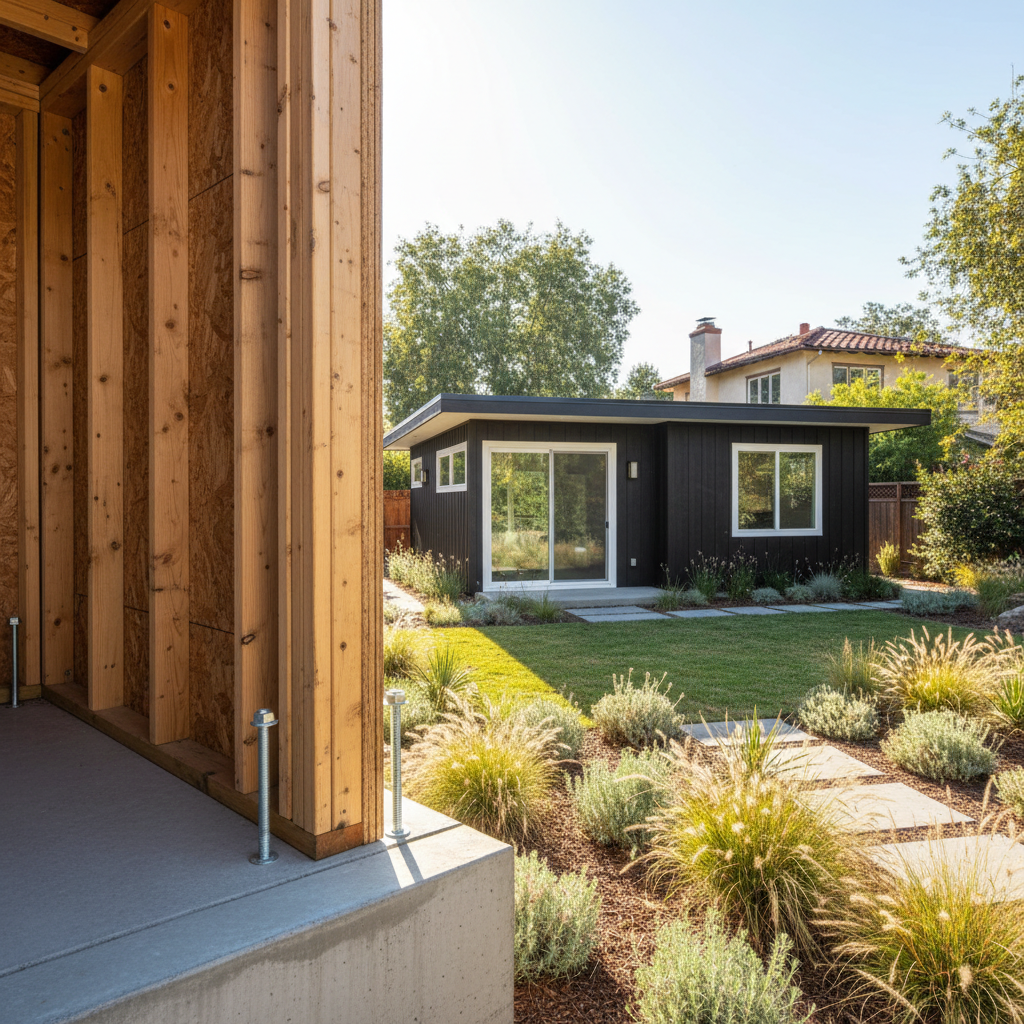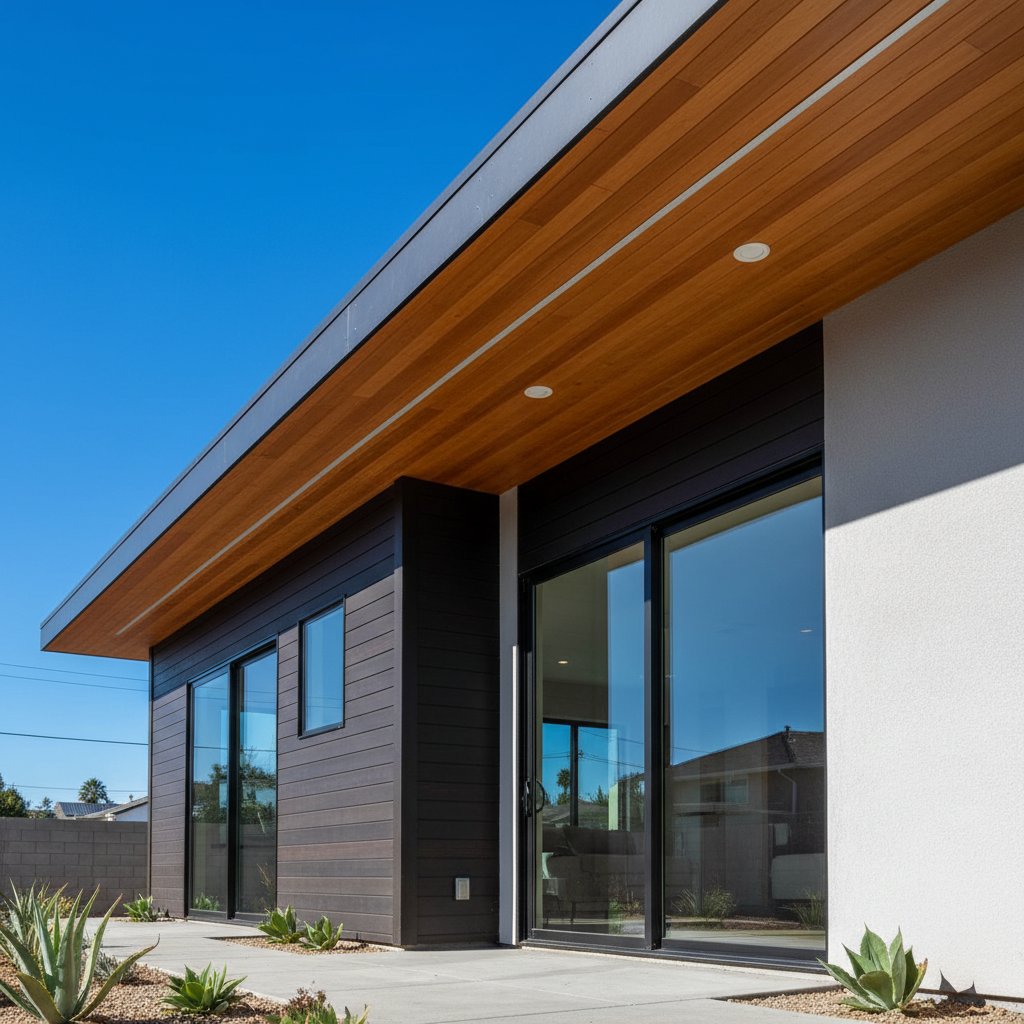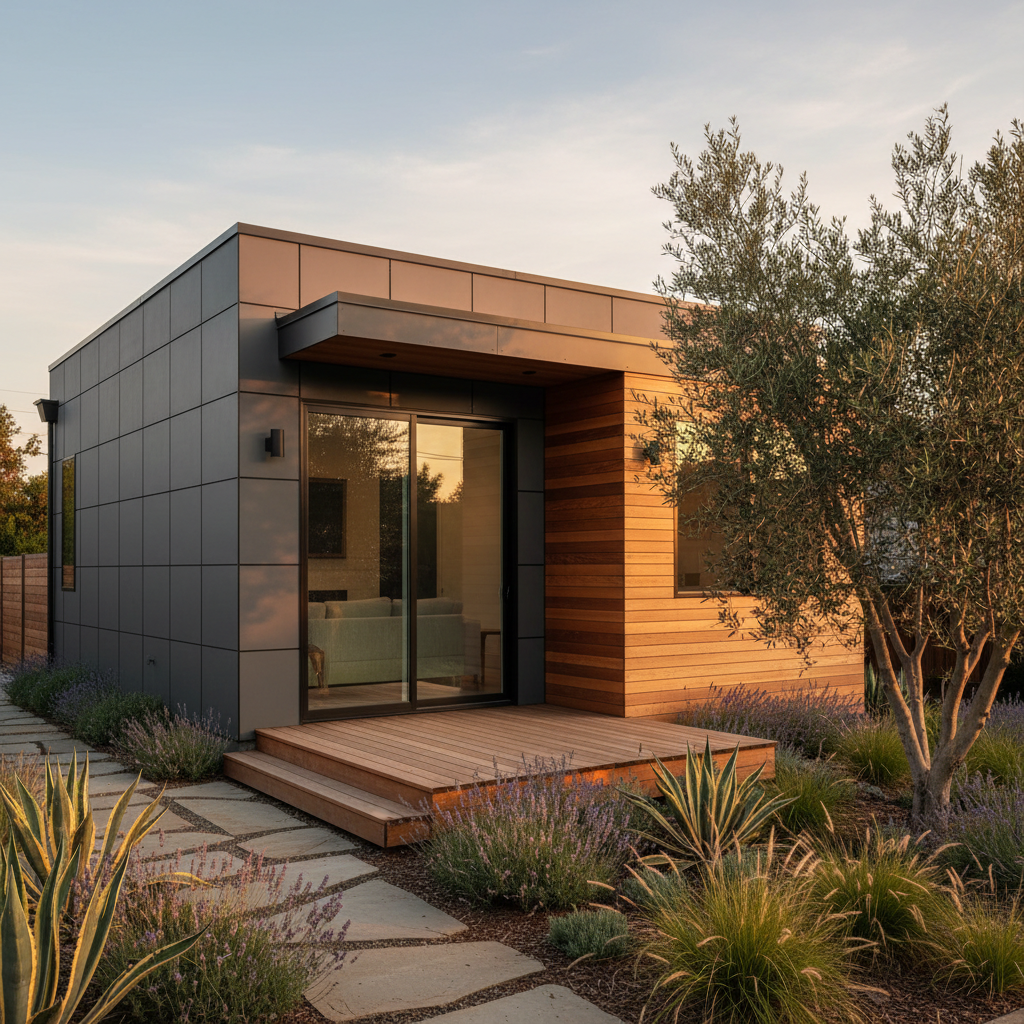
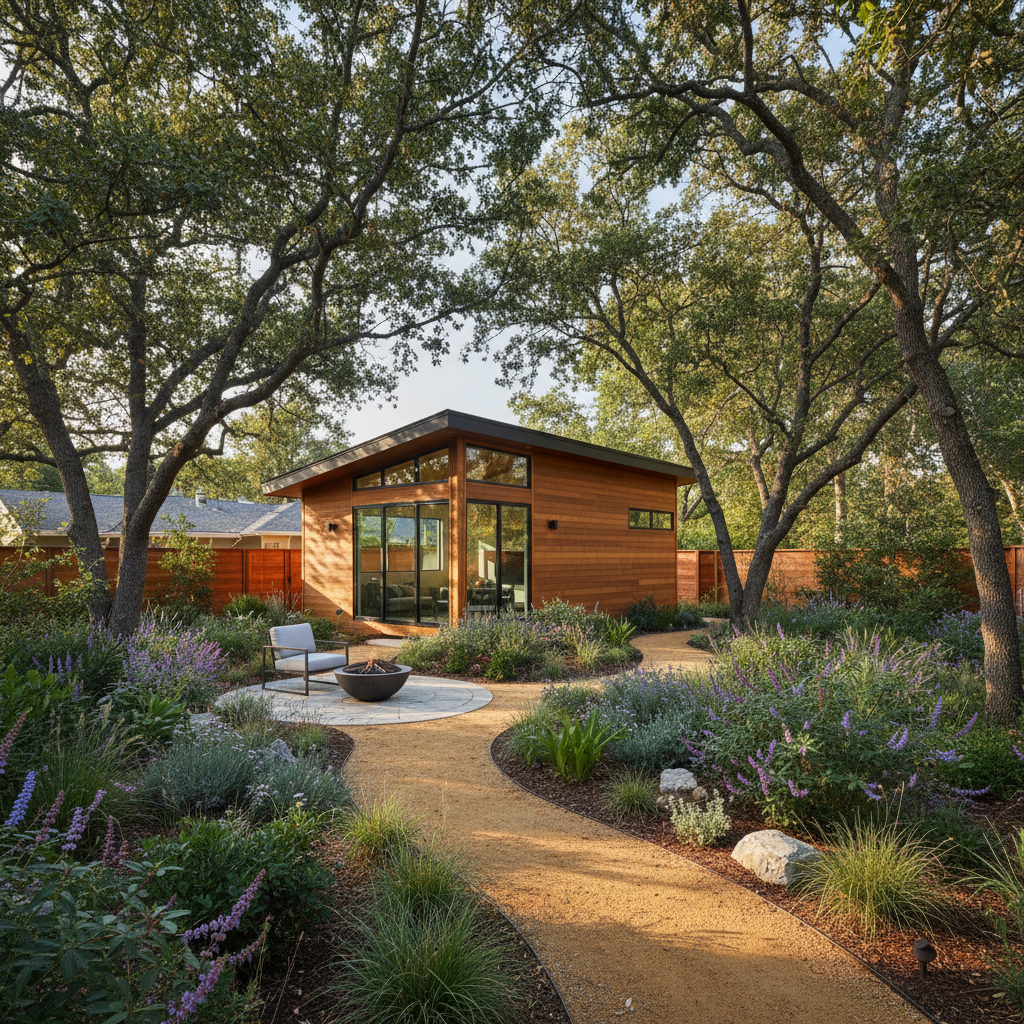
Adding an Accessory Dwelling Unit (ADU) to your property is an exciting venture, promising increased living space, rental income, or a comfortable home for loved ones. However, as the construction dust settles and your beautiful new ADU stands complete, a common question arises: What happens to your yard after construction? The process of building an ADU inevitably impacts your existing landscape, leaving behind disturbed soil, disrupted irrigation, and altered pathways. But this isn't a setback; it's an incredible opportunity for thoughtful ADU landscaping and site restoration.
At GatherADU, we understand that your outdoor space is just as vital as your indoor living areas. This comprehensive guide will walk you through the essential steps and considerations for restoring, reimagining, and ultimately enhancing your yard post-ADU construction, ensuring a cohesive and beautiful property.
The Initial Impact: What to Expect During ADU Construction
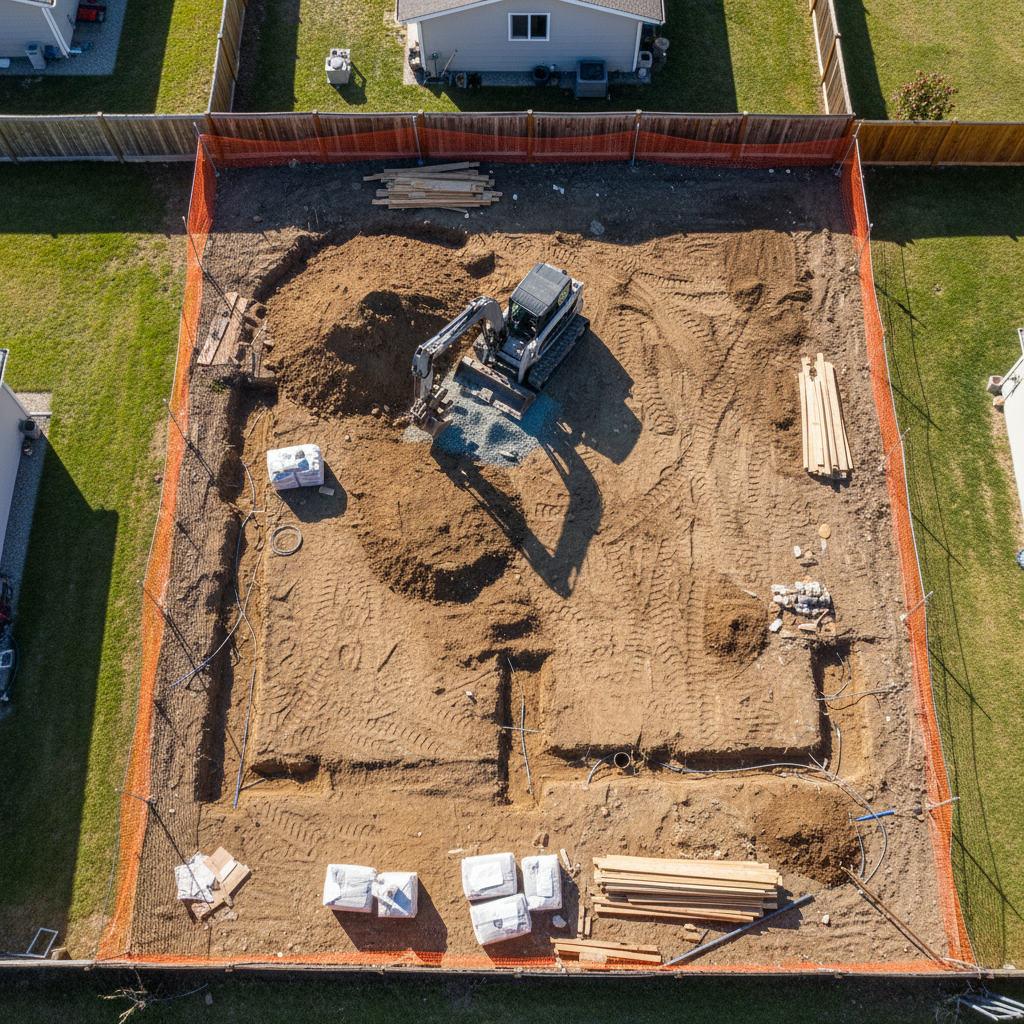
Before diving into restoration, it's crucial to understand the typical disruptions your yard will experience. ADU construction is a significant undertaking that requires space for:
- Heavy Equipment Access: Excavators, forklifts, and concrete trucks will traverse your property, compacting soil and potentially damaging existing lawns or pathways.
- Material Storage: Lumber, concrete, roofing, and other building materials will be stored on-site, often requiring designated areas within your yard.
- Trenching: New utility lines (water, sewer, gas, electricity) need to be run from your main house or street to the ADU, involving significant trenching that disrupts soil and existing irrigation lines.
- Soil Disturbance: Excavation for the ADU's foundation and utility trenches will displace large volumes of soil, often mixing topsoil with subsoil.
- Temporary Fencing and Debris: Construction sites require safety fencing, and debris (wood scraps, plastic, dirt) is a natural byproduct of the building process.
While these impacts are unavoidable, anticipating them is the first step toward a successful restoration.
Proactive Planning: The Key to a Smooth Restoration
The best time to think about ADU landscaping and site restoration isn't after construction—it's during the initial design phase. Integrating landscaping plans early can save time, money, and headaches down the line.
- Site Assessment: Before breaking ground, work with your ADU builder and a landscape designer to assess existing features. Identify trees to protect, areas to preserve, and opportunities for new garden spaces.
- Budget for Landscaping: Include landscaping and restoration costs in your overall ADU budget. This often overlooked expense can be substantial if not planned for.
- Protection Measures: Implement protective measures for existing trees (root protection zones), valuable plants, and hardscapes during construction.
- Phased Approach: Consider if any landscaping elements can be installed or prepped during certain construction phases. For instance, rough grading might happen before the foundation.
At GatherADU, our comprehensive approach includes considering the full scope of your project, from initial design to the final touches on your outdoor space. If you're just starting your ADU journey, we invite you to book a free ADU consultation to discuss how we can integrate your vision for a beautiful, functional property from day one.
Restoring the Foundation: Soil Health and Irrigation
The soil is the foundation of any healthy landscape. Construction activity can severely compact soil and mix layers, making it difficult for plants to thrive.
Addressing Soil Compaction and Health
- Decompaction: Use mechanical aerators or even deep tilling (if appropriate for the area) to break up compacted soil. For smaller areas, manual methods can work.
- Soil Amendments: Introduce organic matter like compost, well-rotted manure, or peat moss to improve soil structure, drainage, and nutrient retention. A soil test can guide specific amendment needs.
- Grading: Ensure proper grading around the ADU to direct rainwater away from the foundation and prevent water pooling, which can lead to drainage issues.
Repairing and Upgrading Irrigation Systems
Utility trenching almost certainly damaged existing irrigation lines. This is an ideal time to:
- Assess and Repair: Locate and repair all broken lines, sprinkler heads, and valves.
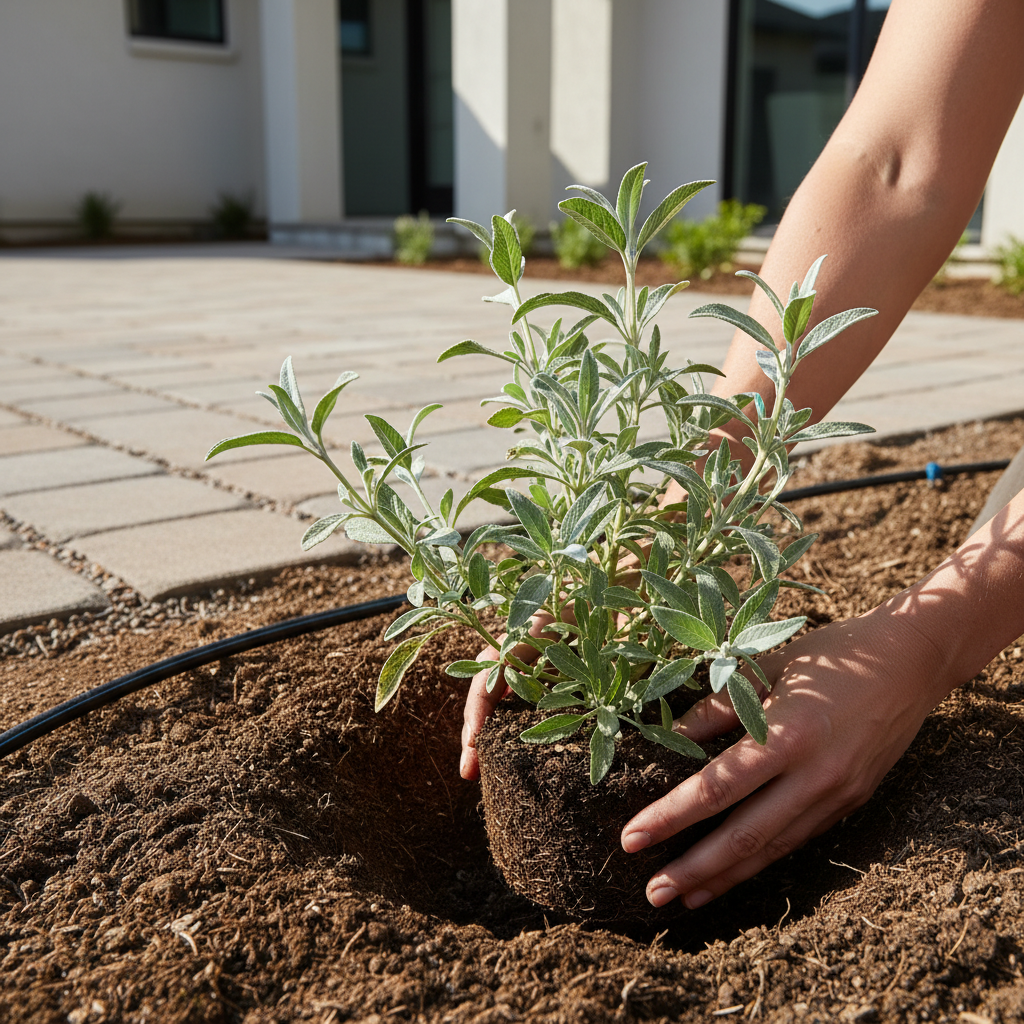
- Upgrade to Water-Efficient Systems: Consider converting traditional spray systems to drip irrigation, especially for planting beds. Install smart controllers that adjust watering schedules based on weather and plant needs. This is particularly vital in California's climate.
Rebuilding Hardscapes and Pathways
Patios, walkways, and driveways often bear the brunt of construction traffic. Restoration here offers an opportunity for enhancement.
- Repair or Replace Damaged Surfaces: Fix cracked concrete, uneven pavers, or damaged decking. This might involve replacing entire sections.
- New Pathways and Patios: Consider adding new pathways to connect the ADU seamlessly with the main house or creating a dedicated patio space for the ADU residents.
- Permeable Surfaces: Explore permeable pavers or gravel paths that allow rainwater to infiltrate the ground, reducing runoff and supporting groundwater recharge—a sustainable choice for California.
Reimagining Softscapes: Plants, Lawns, and Gardens
With soil and hardscapes addressed, it's time to bring greenery back to life.
- Strategic Replanting: Choose plants that are appropriate for your local climate, soil conditions, and the amount of sun/shade in each area. Consider the mature size of plants to avoid overcrowding.
- Drought-Tolerant and Native Plants: For California properties, prioritizing drought-tolerant and California-native plants is a smart, sustainable choice. They require less water, are adapted to local conditions, and support local wildlife.
- Lawn Alternatives: If your lawn was significantly damaged, consider replacing it with a smaller, more manageable turf area, or explore lawn alternatives like groundcovers, native grasses, or decomposed granite pathways.
- Creating New Garden Beds: Design new planting beds that complement the ADU's architecture and create visual appeal. Think about layered planting for depth and year-round interest.
Integrating Your ADU into the Landscape Design
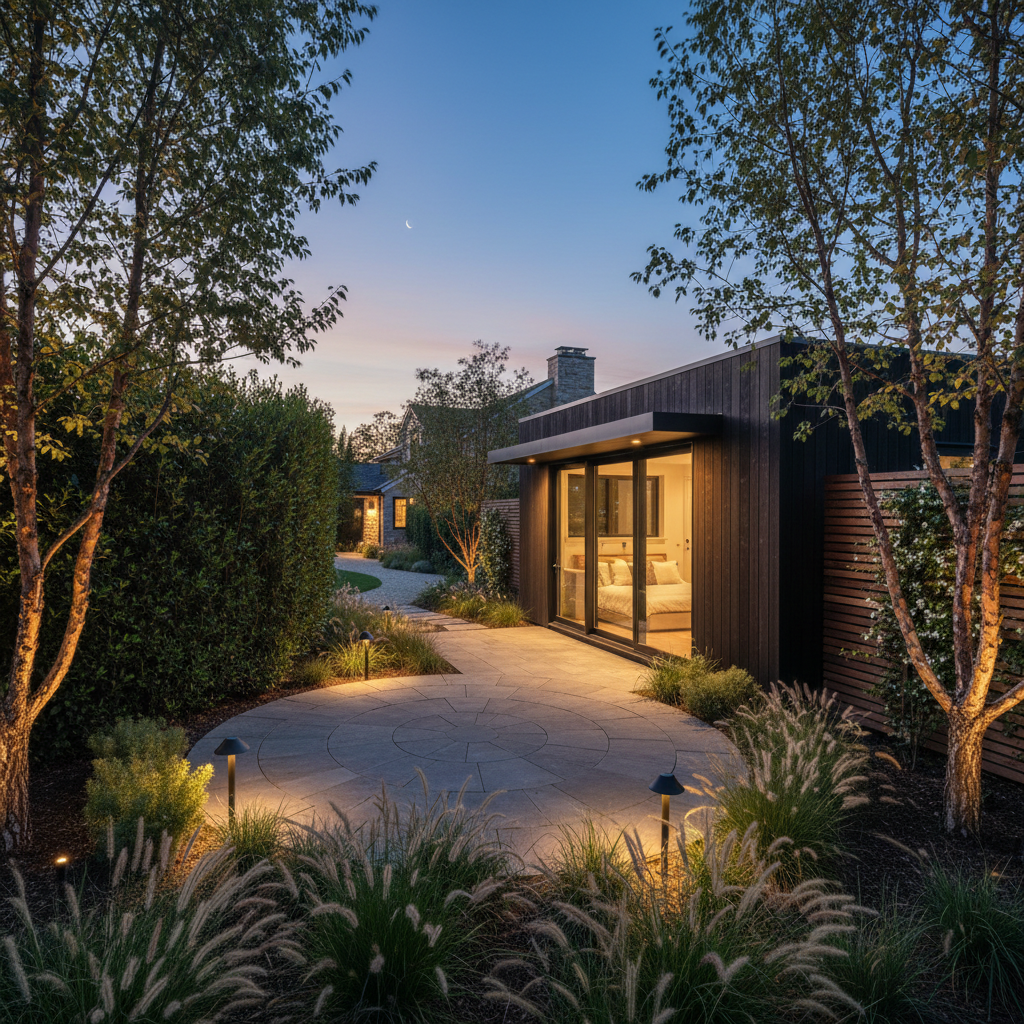
The ultimate goal of ADU landscaping and site restoration is to make the new structure feel like an integral part of your property, not an afterthought.
- Visual Harmony: Choose landscaping materials, colors, and plant styles that complement both the ADU and the main house.
- Outdoor Living Spaces: Design functional outdoor areas for the ADU, such as a small patio, a private garden, or a secluded seating area. These enhance the livability of the ADU.
- Privacy Solutions: Use strategic planting (hedges, trees, tall shrubs) or fencing to create privacy for both the main house and the ADU occupants without feeling isolating.
- Framing and Views: Use plants to soften the edges of the ADU, frame its architectural features, and enhance any desirable views from its windows.
Sustainable Landscaping for California ADUs
Given California's climate and environmental considerations, incorporating sustainable practices into your ADU landscaping and site restoration is not just responsible—it's often a requirement and always a wise investment.
- Xeriscaping Principles: Design landscapes that require minimal irrigation. Group plants with similar water needs together (hydrozoning).
- Native Plants: As mentioned, native plants thrive on less water and support local ecosystems.
- Efficient Irrigation: Drip systems, smart controllers, and regular maintenance minimize water waste.
- Mulching: Apply organic mulch (wood chips, shredded bark) to planting beds to conserve soil moisture, suppress weeds, and regulate soil temperature.
- Rainwater Harvesting: Consider installing rain barrels or a more extensive rainwater harvesting system to capture and reuse water for irrigation.
- Composting: Integrate a composting system for yard and kitchen waste to create nutrient-rich soil amendments.
Thinking sustainably from the outset ensures your ADU and its surroundings are not only beautiful but also eco-friendly and cost-effective in the long run. If you're looking for an ADU builder who prioritizes thoughtful design and sustainable solutions, get a free project estimate from GatherADU. We're here to help you navigate every step of the process.
Long-Term Care and Enjoyment
Once your ADU landscaping and site restoration is complete, regular maintenance will ensure your newly revitalized yard remains beautiful and healthy. This includes routine watering, pruning, weeding, and occasional fertilization. Over time, your restored landscape will mature, providing shade, beauty, and an enhanced living environment for your entire property.
Conclusion
The construction of an ADU marks a significant transformation of your property. While the process inevitably impacts your yard, it also presents a unique opportunity to revitalize, enhance, and integrate your outdoor spaces seamlessly with your new ADU. By approaching ADU landscaping and site restoration with thoughtful planning, sustainable practices, and an eye for design, you can transform a construction site into a stunning, functional landscape that adds significant value and enjoyment to your home.
Ready to explore how an ADU can transform your property, inside and out? GatherADU is your trusted partner for designing and building ADUs in California, with a keen understanding of how to create harmonious living spaces that extend into your beautiful new landscape. Book a free ADU consultation with GatherADU today and let's bring your vision to life.