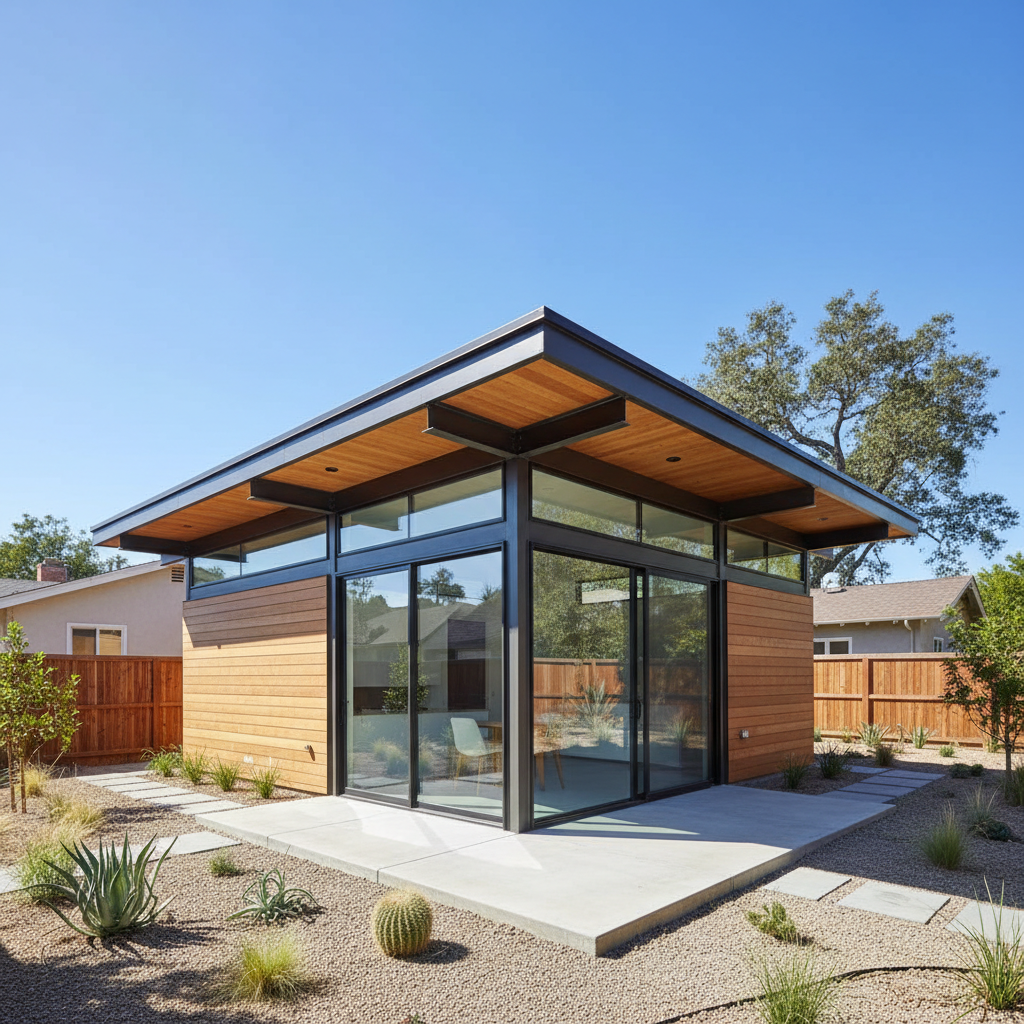
A backyard that looks large enough for an ADU can still run into setbacks, utility constraints, hillside rules, or parking conditions that change the whole project. That is why an adu feasibility study los angeles homeowners complete early is not a formality. It is the step that tells you whether your property can support the unit you want, what shape that unit should take, and what budget and timeline actually make sense.
In Los Angeles, early assumptions are expensive. Many homeowners start with a rough idea - a detached rental unit, a garage conversion for family, a home office with a bathroom and kitchenette - and then discover that site access, fire requirements, lot coverage, or grading issues affect both design and cost. A proper feasibility study brings those issues forward before you spend money on full plans or submit for permits.
What an ADU feasibility study in Los Angeles should answer
A good feasibility study is not just a yes or no. It should tell you what is possible, what is practical, and what may not be worth pursuing.
At a minimum, the process should examine zoning and local code conditions, the physical characteristics of the lot, existing structures, access, utility considerations, and likely construction constraints. It should also connect those findings to a real project path. If your lot supports a detached ADU but the grading makes that option expensive, the better answer may be an attached addition or garage conversion. If a conversion is legally possible but requires major structural upgrades, the numbers may point you in a different direction.
This is where homeowners often need expert guidance most. The question is rarely just, Can I build an ADU? The better question is, Which ADU type creates the best result on my property with the least friction?
Why Los Angeles feasibility work is more complex than it looks
Los Angeles is not a one-size-fits-all market. State ADU laws have made development more accessible, but local conditions still matter. Parcel shape, slope, alley access, existing garages, utility locations, tree placement, and neighborhood-specific overlays can all influence design and permitting.
A flat rectangular lot in a standard residential neighborhood may offer a straightforward detached ADU path. A narrow lot, hillside parcel, or home in a high fire severity zone may require more careful planning. Even when state law provides flexibility, the details still affect cost, timeline, and constructability.
That is why an ADU feasibility study in Los Angeles should be grounded in both code knowledge and construction reality. It is not enough to know that something might be permitted. You also need to know whether it can be built efficiently, whether the layout will be functional, and whether the finished unit will meet your goals for rental income, family use, or resale value.
What gets reviewed during the feasibility stage
The first layer is zoning and development standards. That includes lot eligibility, ADU size potential, setbacks, height limits, separation from the main home, and any conditions tied to the existing residence. For garage conversions, the review may look at whether the structure is suitable for conversion and what upgrades could be required for habitability.
The second layer is site analysis. This is where feasibility becomes practical. Grade changes, retaining walls, drainage paths, mature trees, easements, driveway location, and site access for construction all affect what can be done. A design that works on paper may become far more expensive if equipment access is limited or if utility trenching must cross difficult terrain.
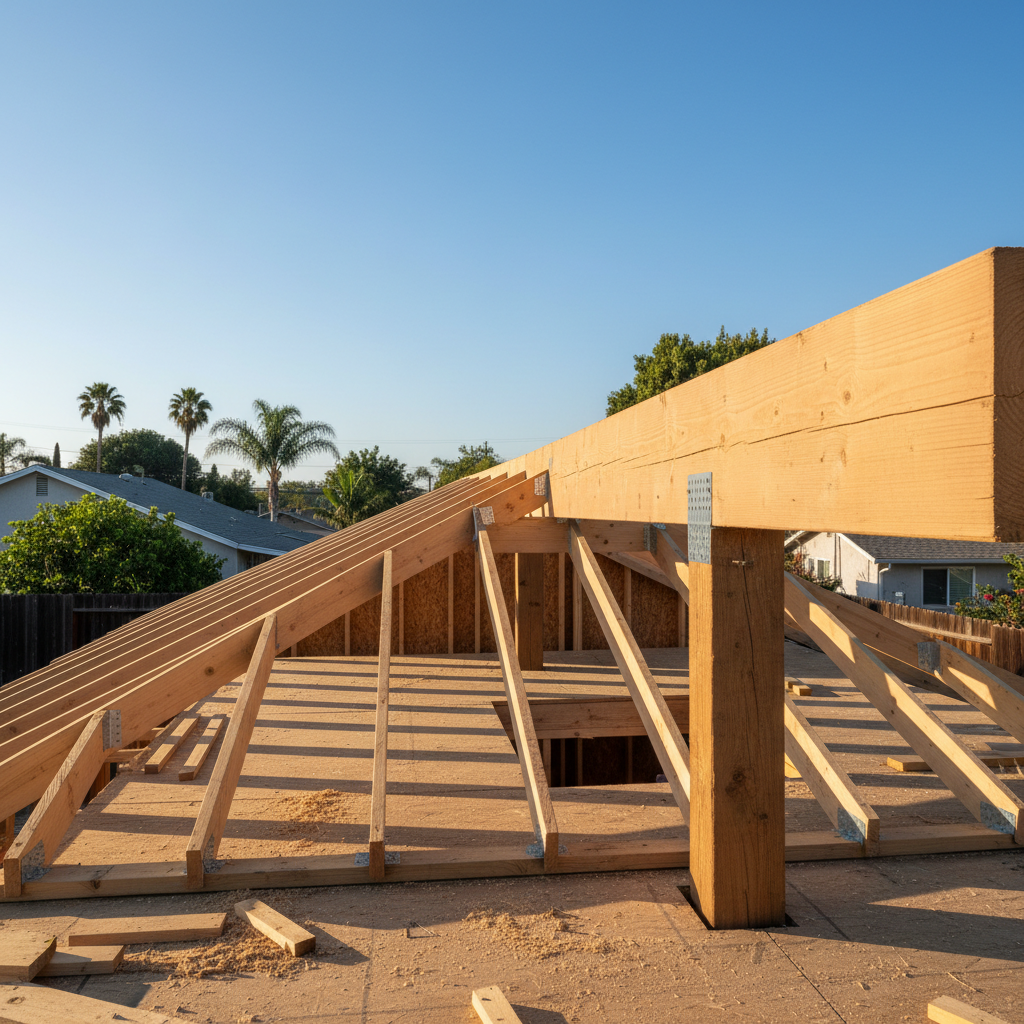
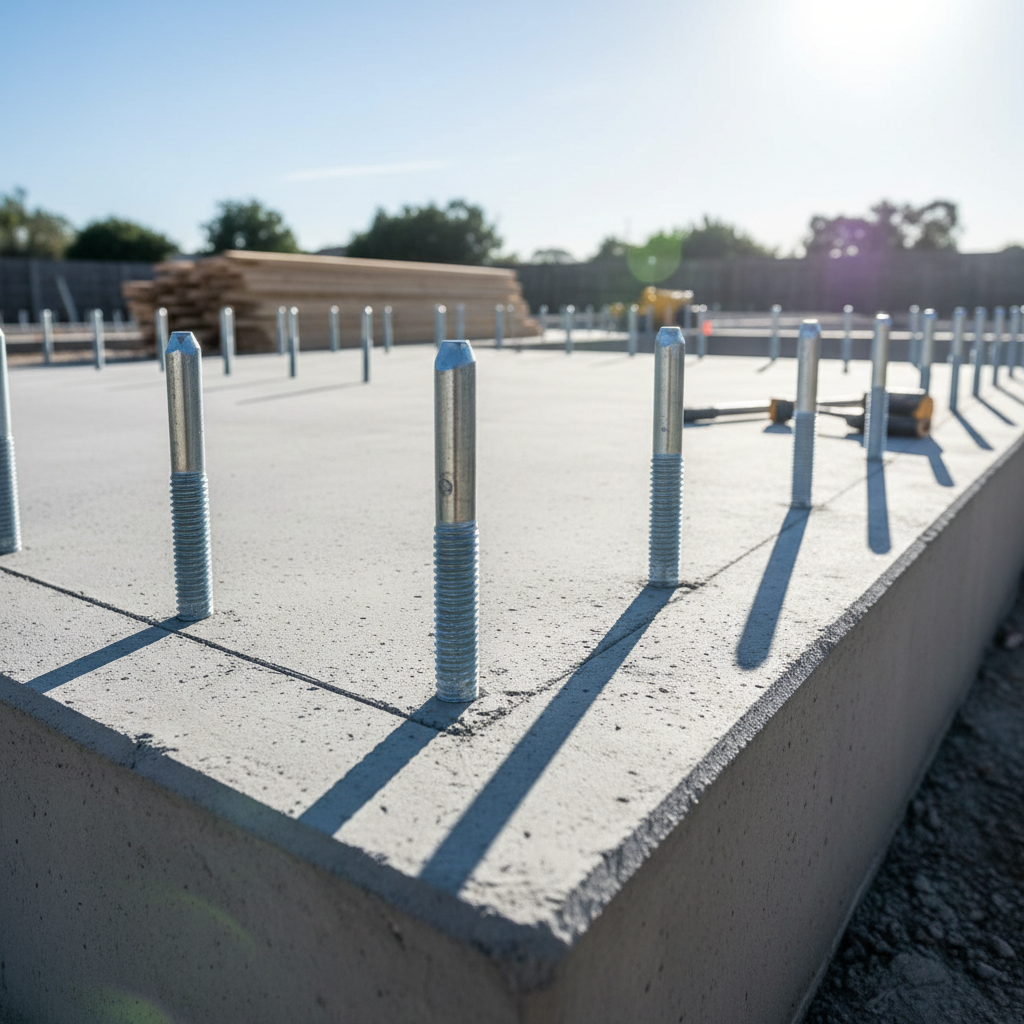
The third layer is building and systems planning. That can include structural conditions, utility tie-ins, sewer and water connections, electrical capacity, and Title 24 energy considerations. Homeowners are often surprised that one of the biggest cost variables is not the unit itself, but the site and infrastructure work needed to support it.
The final layer is project strategy. This is where the findings get translated into options, rough cost ranges, likely permitting pathways, and a recommended direction. Without that step, a feasibility report can leave homeowners with information but no real decision framework.
The value of a realistic budget before design starts
One of the biggest reasons to do a proper feasibility study is to protect your budget. Design fees, engineering, permit costs, and construction pricing all build on the early assumptions made about the site. If those assumptions are wrong, the project can drift quickly.
For example, a homeowner may expect a simple detached one-bedroom ADU. After feasibility review, the team may find that the desired placement creates avoidable grading costs, conflicts with required clearances, or complicates utility routing. By shifting the footprint, adjusting the unit size, or considering another ADU type, the same property can produce a better financial outcome.
That is especially important for owners building for rental income. The highest square footage is not always the strongest return. Sometimes a slightly smaller, easier-to-permit unit with a cleaner construction path creates a better overall ROI because it gets built faster and with fewer surprises.
Feasibility is also about timeline risk
Most homeowners think about feasibility in terms of legality and cost, but timeline matters just as much. Permit review in Los Angeles can be affected by incomplete plans, correction cycles, utility coordination, and project complexity. A strong upfront feasibility process reduces those delays by identifying problems before full design documents are produced.
This does not mean every project moves at the same speed. Some properties are naturally simpler than others. But when the front-end work is done well, the project enters design and permitting with fewer unknowns. That usually means better coordination, fewer midstream changes, and more confidence in the schedule.
For homeowners balancing family needs, planned move-ins, or income projections, that clarity matters. A realistic six-to-nine-month path is better than an overly optimistic promise that falls apart once permit comments arrive.
Common outcomes from an ADU feasibility study Los Angeles owners request
A feasibility study often leads to one of four conclusions. The first is straightforward approval of the original concept, with only minor refinements. The second is a recommendation to pursue a different ADU type because it fits the site better. The third is a revised scope based on budget, such as reducing unit size or simplifying the layout. The fourth is a pause, where the site is technically possible but not currently the smartest investment.
That last outcome can still be valuable. Not every property should move forward immediately, and not every idea should become a construction project. A good advisor will say so clearly. Homeowners benefit from honest answers early, especially when the alternative is spending months on plans that do not align with budget, use case, or likely return.
What homeowners should have ready before starting
You do not need to arrive with architectural knowledge, but it helps to be clear about your priorities. Are you building for long-term rental income, family housing, guest use, or flexible work space? Do you want the largest possible unit, the fastest path to completion, or the strongest budget control? Those goals shape the recommendation.
Basic property information is also useful, including your address, any past plans or surveys, photos of the yard or existing garage, and a rough sense of your budget. If you already know there are issues like slope, alley access, or an old detached structure, mention them early. Those details can change the project path.
The right partner will combine that information with code review, site understanding, and delivery experience. For many Los Angeles homeowners, that is the difference between a theoretical ADU and a buildable project plan.
Why the best feasibility studies are tied to execution
A feasibility study has the most value when it is connected to the rest of the project. If the team evaluating the property also understands design development, permit submittal, and construction logistics, the recommendations tend to be more grounded. They are not just interpreting rules. They are planning for real delivery.
That is one reason many homeowners prefer a specialist rather than assembling separate consultants. A full-service ADU partner can evaluate what the site allows, what the city is likely to require, and what the construction process will demand. At GatherADU, that front-end clarity is meant to reduce friction later, when decisions start affecting permit timing, pricing, and build quality.
A strong feasibility process does not promise that every project will be simple. Los Angeles properties vary too much for that. What it should do is replace guesswork with a clear roadmap, show you where the pressure points are, and help you move forward with confidence instead of crossing your fingers.
If you are considering an ADU, the smartest first move is not choosing finishes or sketching layouts. It is finding out what your property really supports, and what path will serve your goals best.